ABB DSQC 633 Advanced Robot Communication & I/O Expansion Module for Industrial Automation
ABB DSQC 633 Advanced Robot Communication & I/O Expansion Module for Industrial Automation
0.0
Points
Brand:ABB PLC Item No.:ABB DSQC 633 Product Origin:Sweden Product Dimensions:160 mm × 105 mm × 40 mm Product Weight:0.35 kg Payment:T/T, Western Union, Credit Card Goods_stock:15 Shipping Port:Xiamen, China Lead Time:1-3 Days Condition:Brand New And Original Warranty:1 Year Certificate:COO
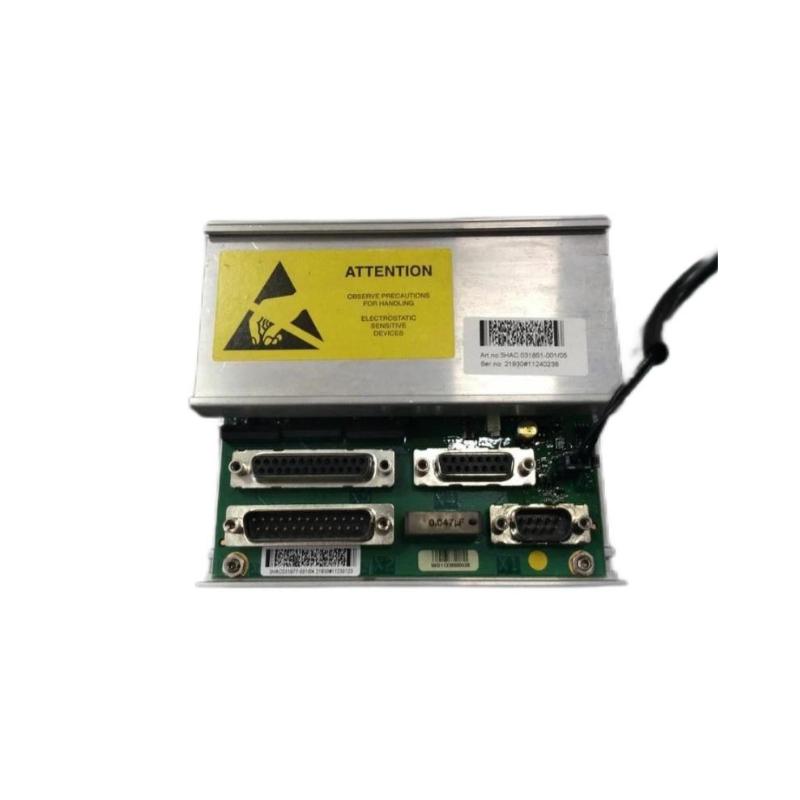
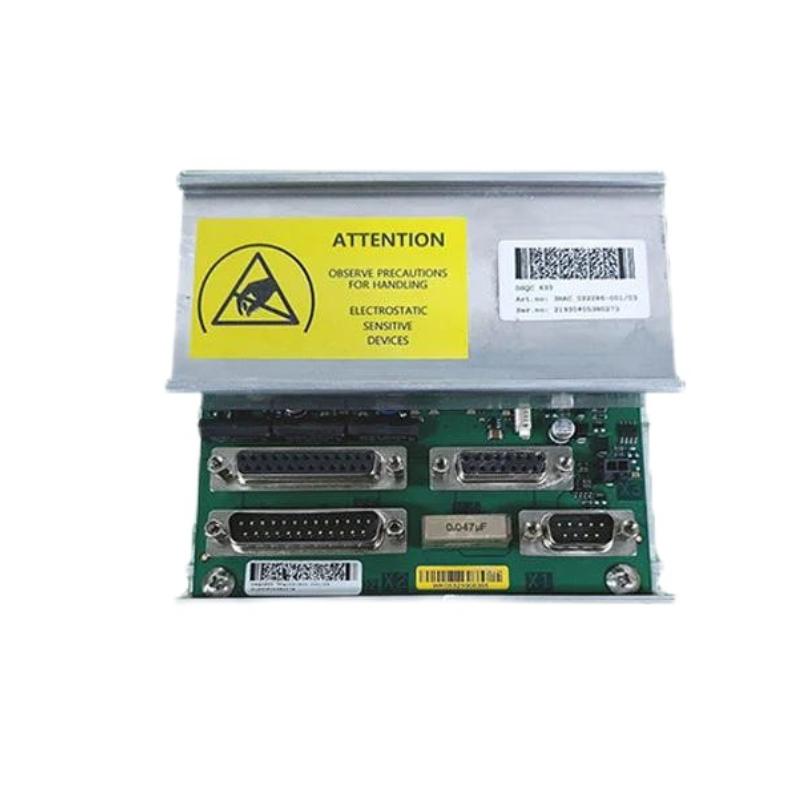
The ABB DSQC 633 is an advanced communication and I/O expansion module purpose-built to extend the connectivity and control capabilities of ABB robotic systems in complex industrial environments. Engineered for both high-performance network integration and scalable control expansion, the DSQC 633 delivers robust data throughput with minimal latency and solid electrical resilience — attributes critical for continuously running automated production lines. Whether deployed in heavy manufacturing, precision assembly, or material handling cells, its built-in diagnostics and modular architecture help reduce commissioning time and increase long-term uptime.
Technical Specifications
Specification
Detail
Brand
ABB
Model
DSQC 633
Module Type
Communication & I/O Expansion Module
Primary Function
Enhanced network and I/O integration
Mounting Style
DIN rail or panel mounting
Dimensions (L × W × H)
160 mm × 105 mm × 40 mm
Weight
0.35 kg
Operating Temperature Range
−10 °C to +60 °C
Protection Rating
IP20 (standard), higher enclosure recommended for harsh environments
Communication Interfaces
Industrial Ethernet, Fieldbus capable
Indicator LEDs
Status, Bus Activity, Fault
Recommended Related Models
ABB DSQC 336 – High-Speed Fieldbus Interface
ABB DSQC 345 – Robot Controller Expansion Board
ABB DSQC 377B – I/O Communication Module
ABB CI840A – Communication Interface for Expanded Networking
Popular ABB Automation Components
ABB PM854 – Central Processing Unit
ABB AI830A – Analog Input Expansion
ABB DO820 – Digital Output Module
ABB FEPL-02 – Field Panel Interface
Applications
The DSQC 633 is ideally suited for deployment in:
High-speed robotic assembly and welding systems
Synchronization of multi-robot work cells
Real-time factory data collection and machine monitoring
Distributed I/O architecture in large production lines
Robotics integration within MES/SCADA environments
Advantages
Industry-Grade Connectivity
Supports reliable industrial network performance with minimal signal loss even under heavy traffic loads.
I/O Flexibility & Scalability
Offers expandable I/O support to adapt automation systems as production demands evolve.
Compact Form, High Impact
Space-efficient design fits into control cabinets without sacrificing functional depth.
Enhanced Diagnostics
On-board LED indicators and error reporting help technicians rapidly isolate and resolve issues.
Built for Continuous Operation
Wide temperature tolerance and solid electrical design ensure uptime even in demanding factory settings.
Technical FAQs
What is the DSQC 633 designed for?
It functions as a communication bridge and I/O expansion module for ABB automation controllers.
What are the physical dimensions?
Approximately 160 mm × 105 mm × 40 mm.
How heavy is the module?
Around 0.35 kg.
Which environments can it operate in?
Standard industrial settings between −10 °C and +60 °C.
Does it support fieldbus and Ethernet protocols?
Yes — designed to integrate with multiple industrial network layers.
Can it be mounted on DIN rails?
Yes, supports DIN rail or panel installation.
Is it compatible with existing ABB robot controllers?
It’s engineered to extend communication and I/O on supported ABB control systems — check specific controller compatibility.
How does it help diagnostics?
Built-in status and fault indicators assist engineers in real-time troubleshooting.
What kind of protection rating does it have?
Standard IP20; additional enclosures recommended for harsh environments.
Why choose DSQC 633 over basic communication modules?
It combines network communication with expanded I/O capability, enabling broader system control and flexibility.