ABB KU C711 AE01 Industrial Power Control Board for Automation & Drive Systems
ABB KU C711 AE01 Industrial Power Control Board for Automation & Drive Systems
0.0
Points
Brand:ABB PLC Item No.:ABB KU C711 AE01 Product Origin:Sweden Product Dimensions:350 × 270 × 60 mm Product Weight:1.1 kg Payment:T/T, Western Union, Credit Card Goods_stock:15 Shipping Port:Xiamen, China Lead Time:1-3 Days Condition:Brand New And Original Warranty:1 Year Certificate:COO
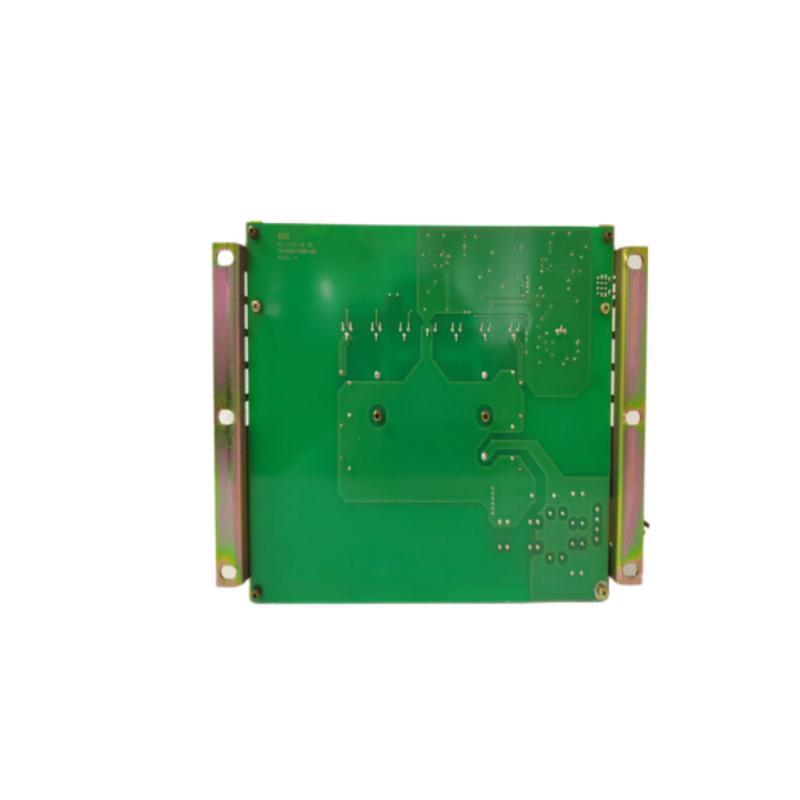
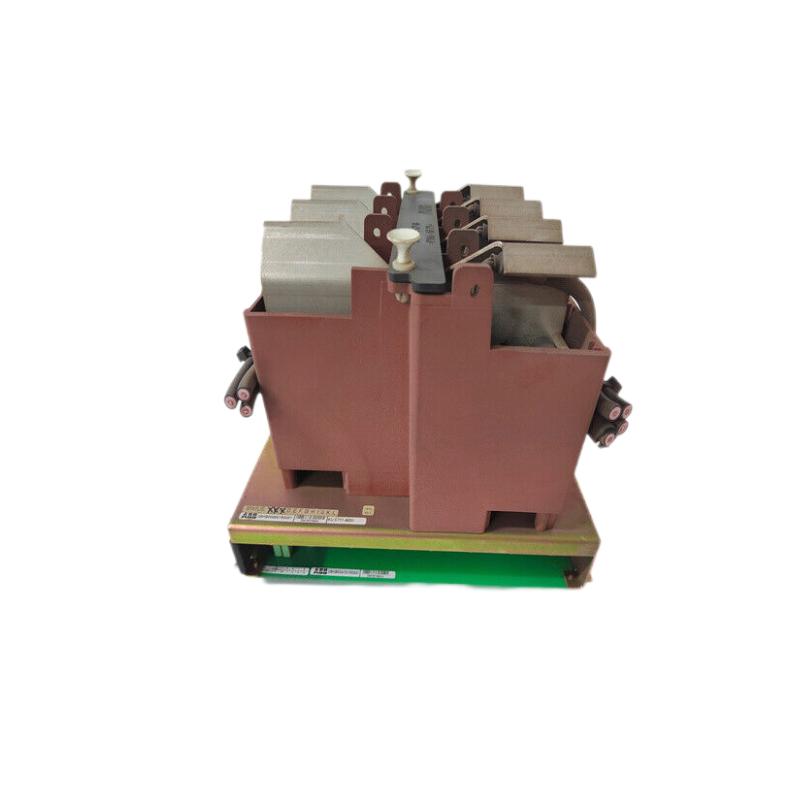
The ABB KU C711 AE01 is a robust power control board engineered for industrial automation and drive system applications. Serving as a core electronic module within ABB control architectures, this board helps manage power distribution, logic interfacing, and drive coordination for medium-to-high-performance systems. Its design delivers reliable electrical performance, durable industrial construction, and seamless integration into control cabinets and racks. Ideal for engineers and system integrators, the KU C711 AE01 fosters predictable operation, easier servicing, and long-term system uptime — essential in mission-critical automation environments.
Technical Specifications
Specification
Details
Brand
ABB
Model
KU C711 AE01
Module Type
Power Control Board / Electronic Module
Primary Function
Power management and control logic interface
Compatible Systems
ABB automation platforms & drive systems
Mounting Style
Internal panel/mount within control cabinet
Dimensions (L × W × H)
350 × 270 × 60 mm (approx.)
Weight
1.1 kg (approx.)
Operating Environment
Industrial automation cabinets
Protection Class
IP20 (installed in enclosure)
Operating Temperature Range
Typical industrial range
Recommended Related Models
ABB KU C720 AE01 – Complementary power control board
ABB KU C755 AE105 – Power gate unit module
ABB FSCA-01 – Modbus RTU communication interface module
ABB FENA-21 – Ethernet communication adapter panel
Popular ABB Drive & Automation Components
ABB ACS580 – Low-voltage variable frequency drives
ABB ACS880 – Industrial drive platform
ABB CI840A – Communication interface unit
ABB EI802F – Encoder feedback interface
Applications
The KU C711 AE01 board is commonly applied in:
Motor drive and automation control cabinets
Distributed power control in factory systems
PLC-linked automation logic and power management
Signal coordination in complex machine assemblies
Drive control platforms requiring precise power logic
Advantages
Reliable Power Logic Integration
Delivers consistent power distribution and control logic essential for automation stability.
Industrial-Grade Construction
Designed to sustain continuous use in factory environments with robust electrical tolerances.
Flexible Integration
Works alongside PLCs, drives, and communication modules for coordinated system control.
Compact Board Form Factor
Space-efficient design simplifies panel layout and cabinet integration.
Clear Diagnostics & Serviceability
Accessible layout and proven ABB design reduce service effort and improve uptime.
Technical FAQs
What is the ABB KU C711 AE01 module used for?
It’s an industrial power control board that manages power signals and interface logic within automation and drive systems.
What are its approximate dimensions?
Approximately 350 × 270 × 60 mm.
How much does the board weigh?
Around 1.1 kg.
Where is it installed?
Mounted inside a control cabinet or panel as part of a larger automation system.
What protection class does it have? IP20 — intended for installation within an enclosure.
Can it interface with PLC systems?
Yes — designed to integrate with PLCs and distributed automation networks.
Does it support drive communication?
It forms part of a drive system where communication modules handle fieldbus and network protocols.
Is it suitable for continuous operation?
Yes — engineered for reliable industrial duty cycles.
Can it assist with power coordination in multi-drive systems?
Yes — it plays a role in organizing logic and power distribution across multiple control nodes.
Why choose the KU C711 AE01 board?
It offers robust power control capability, flexible integration, and industrial durability, making it effective for complex automation systems where stable power logic and predictable performance are required.