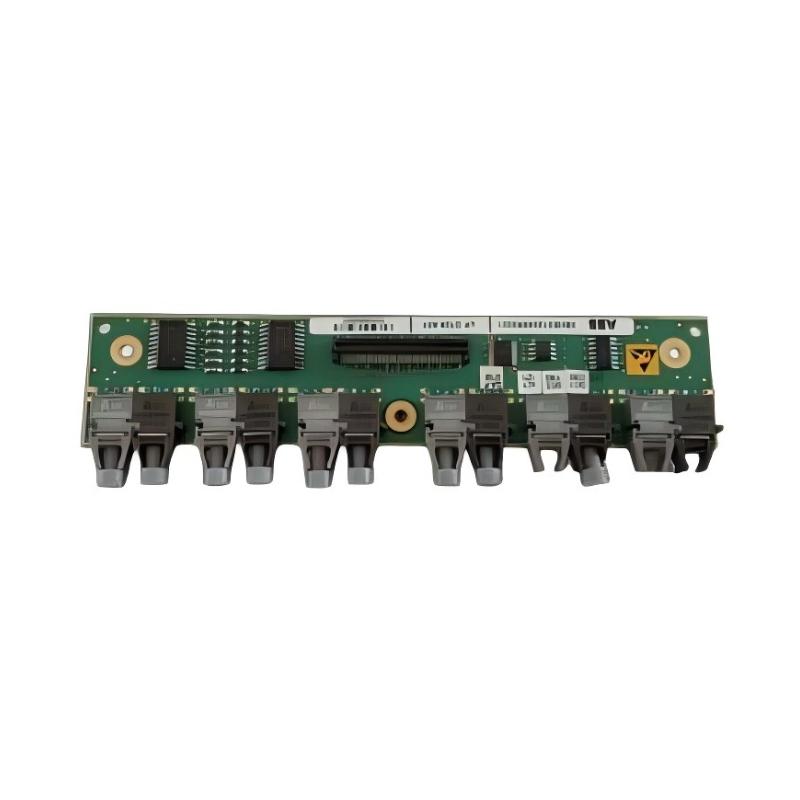
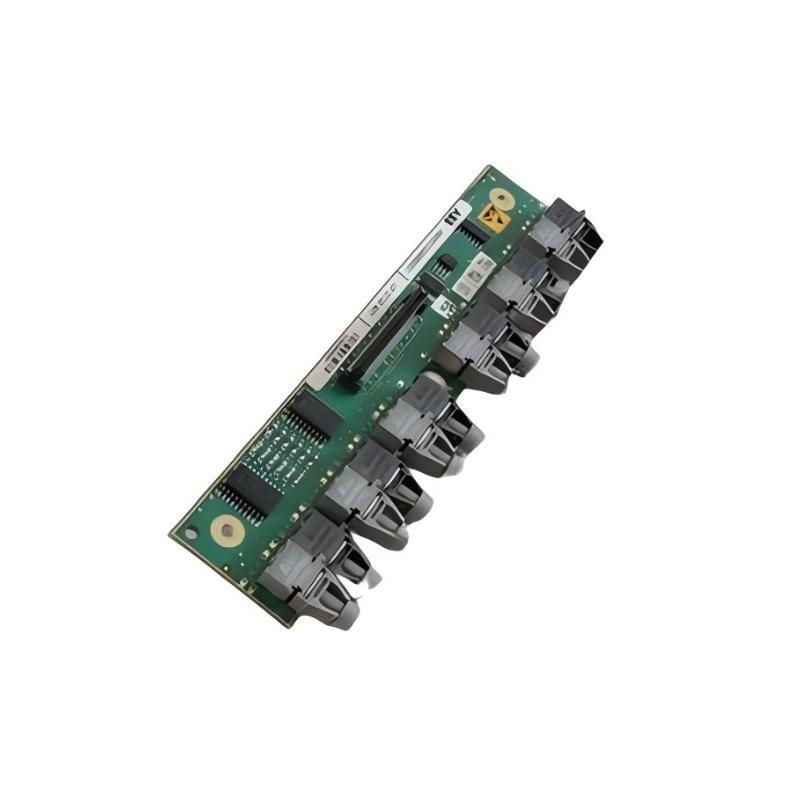
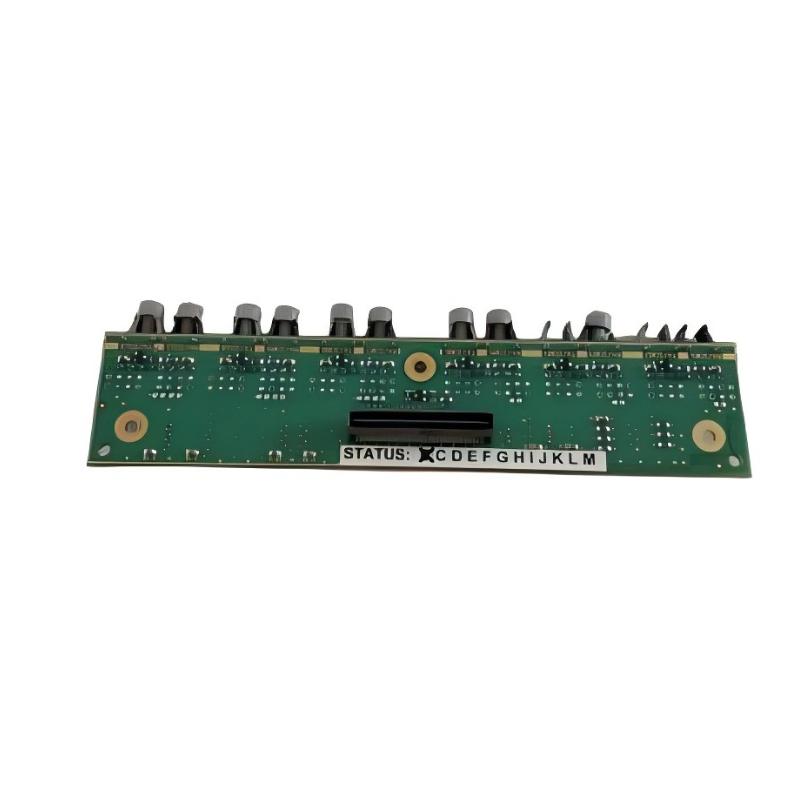
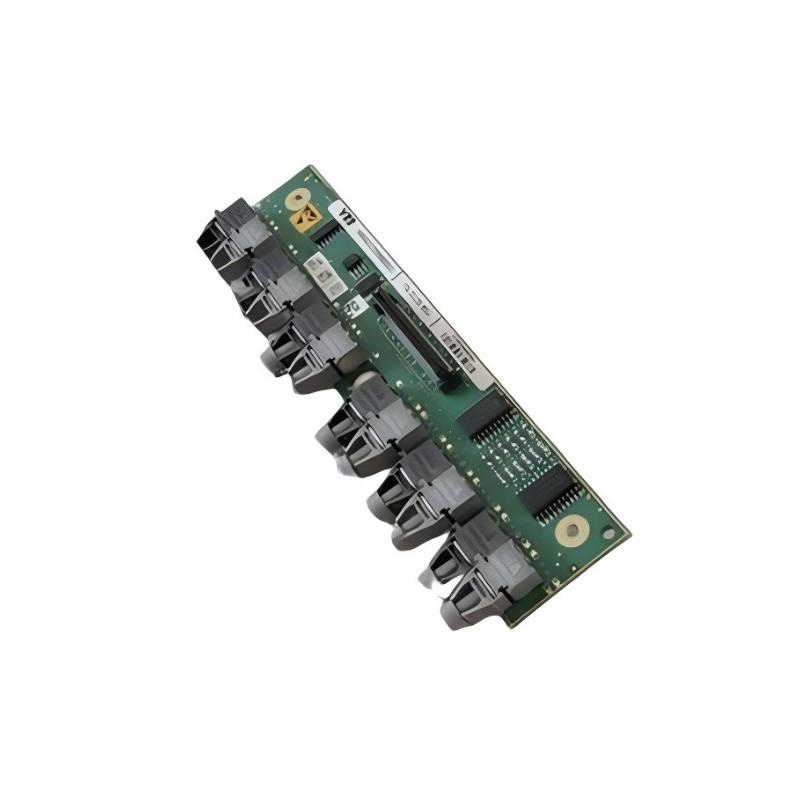
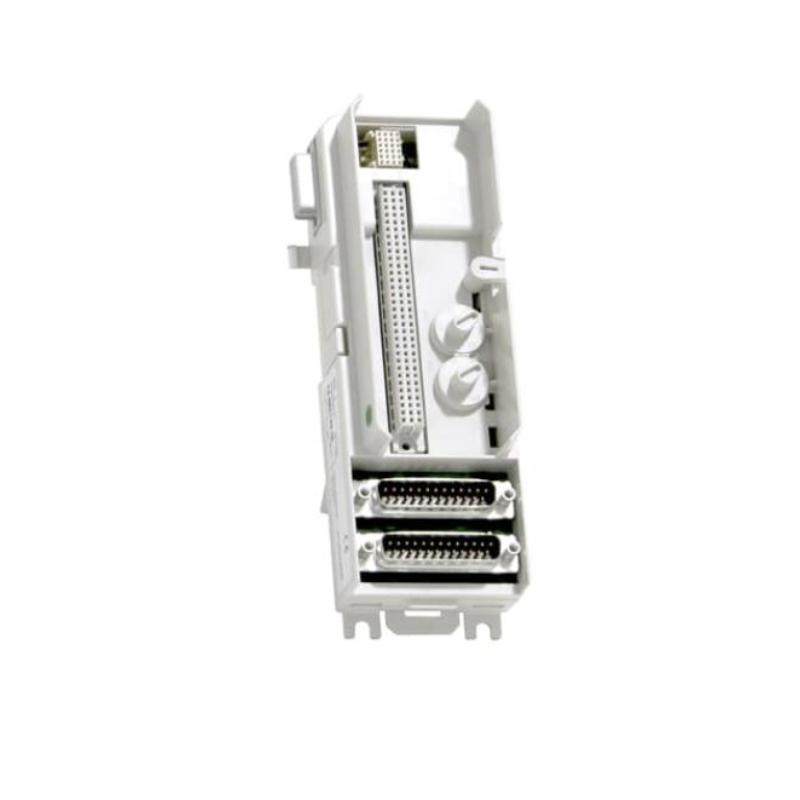
Brand:ABB PLC Item No.:UF D128 A01 Product Origin:Sweden (SE) Product Dimensions:140 × 102 × 13 mm Product Weight:0.3 kg Payment:T/T, Western Union, Credit Card Goods_stock:15 Shipping Port:Xiamen, China Lead Time:1-3 Days Condition:Brand New And Original Warranty:1 Year Certificate:COO
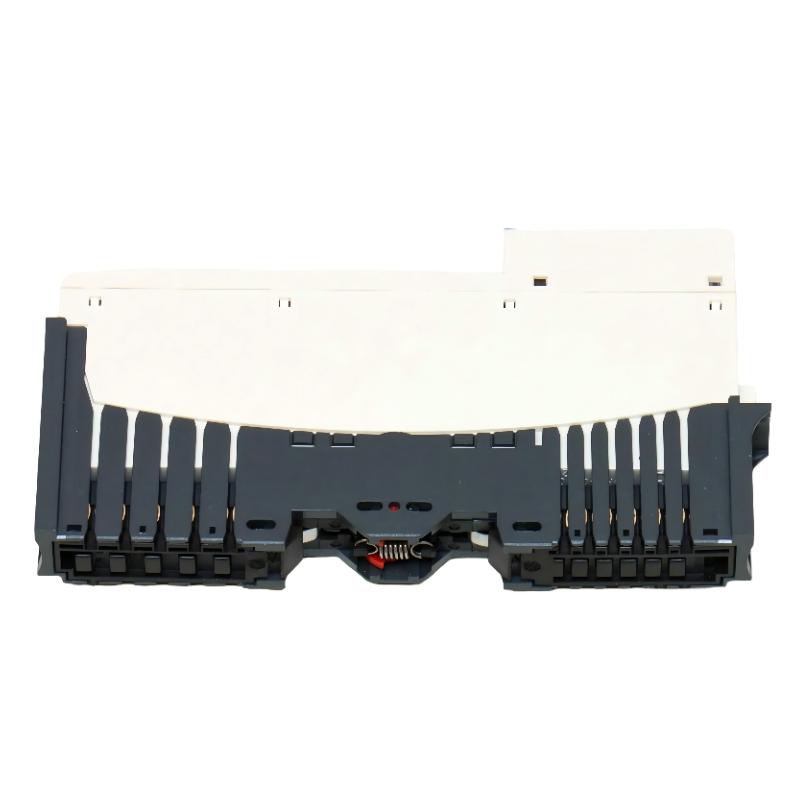
The ABB UF D128 A01 3BHE012049R0001 Fiber Optic Board is a specialized communication module designed to deliver high-speed, interference-free data transmission within ABB industrial systems. Utilizing advanced fiber optic technology, it ensures reliable signal integrity even in electrically noisy environments. This board plays a vital role in maintaining seamless communication between control units and power modules, making it an essential component for modern automation, drive, and inverter applications.
Optical signal transmission within ABB drive and inverter systems
High-speed communication between control units and power modules
Integration into industrial automation and distributed control architectures
Noise-immune data transfer in electrically harsh environments
Deployment in power generation, manufacturing, and process industries
Supporting long-distance and interference-free communication links
Acting as a reliable interface for fiber optic-based control networks
Key Functional Advantages
High-Speed Optical Communication – Enables fast and accurate data transmission across system components.
Immunity to Electrical Noise – Fiber optic technology ensures stable operation in high-interference environments.
Enhanced Signal Integrity – Eliminates signal degradation over distance compared to traditional wiring.
Industrial Durability – Designed for continuous operation in demanding industrial conditions.
Seamless ABB Integration – Fully compatible with ABB drive, inverter, and automation systems.
Technical FAQs
1. What is the primary function of the UF D128 A01 board?
It facilitates fiber optic communication between different modules within ABB systems.
2. Why use fiber optic communication in industrial systems?
Fiber optics provide high-speed transmission and are immune to electromagnetic interference.
3. Where is this board typically installed?
It is installed داخل ABB drive systems, inverter units, or control cabinets.
4. Can it support long-distance communication?
Yes, fiber optic technology allows reliable communication over longer distances than electrical signals.
5. Is it suitable for high-noise environments?
Yes, it performs reliably in environments with high electromagnetic interference.
6. What systems is it compatible with?
It is designed for ABB automation, drive, and inverter platforms.
7. Does it require special cabling?
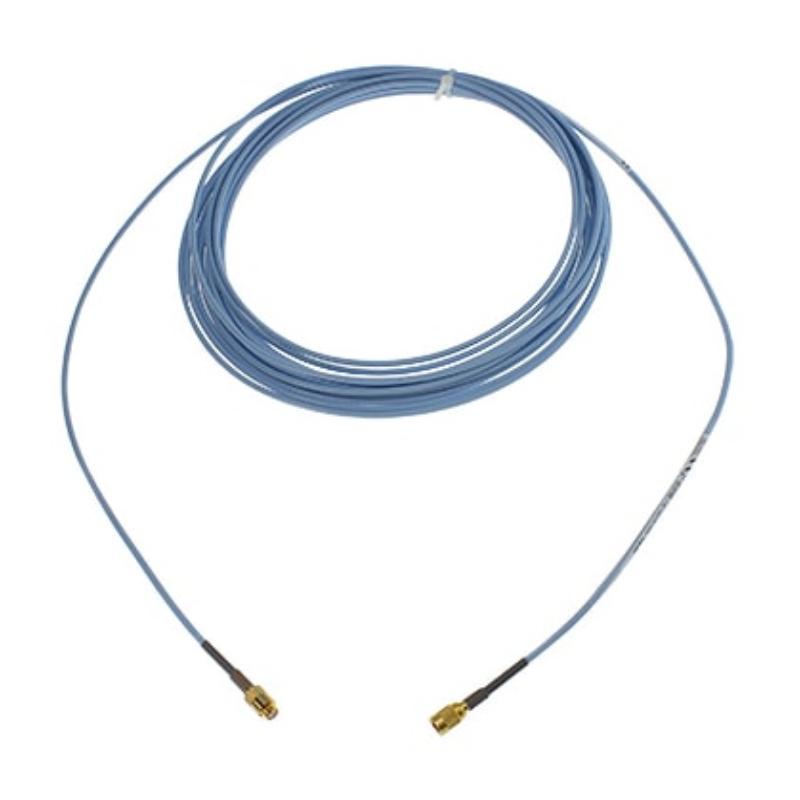
Yes, it uses fiber optic cables for signal transmission.
8. Can it be replaced independently?
Yes, it supports modular replacement for maintenance and upgrades.
9. What industries commonly use this module?
Power generation, oil & gas, manufacturing, and heavy industrial sectors.
10. How does it improve system reliability?
By ensuring stable, interference-free communication between critical system components.