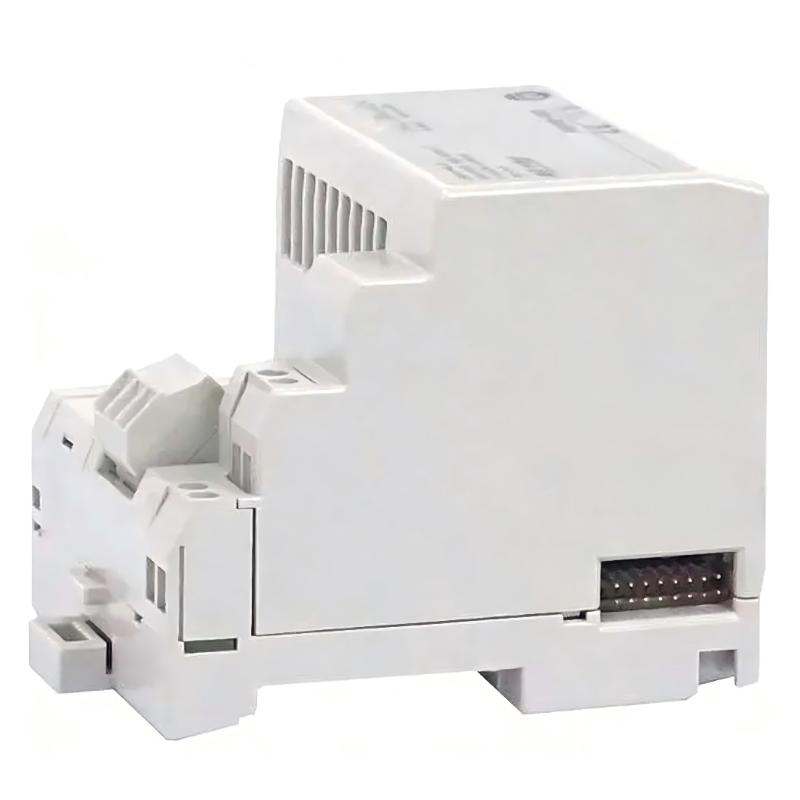
GE IS220PSVOH1B Servo and Output Interface Module for Mark VIe Control System
GE IS220PSVOH1B Servo and Output Interface Module for Mark VIe Control System
0.0
Points
Brand:GE Fanuc PLC Item No.:GE IS220PSVOH1B Product Origin: USA Product Dimensions:162.6 × 162.6 × 121.9 mm Product Weight:1.0 kg Payment:T/T, Western Union, Credit Card Goods_stock:15 Shipping Port:Xiamen, China Lead Time:1-3 Days Condition:Brand New And Original Warranty:1 Year Certificate:COO
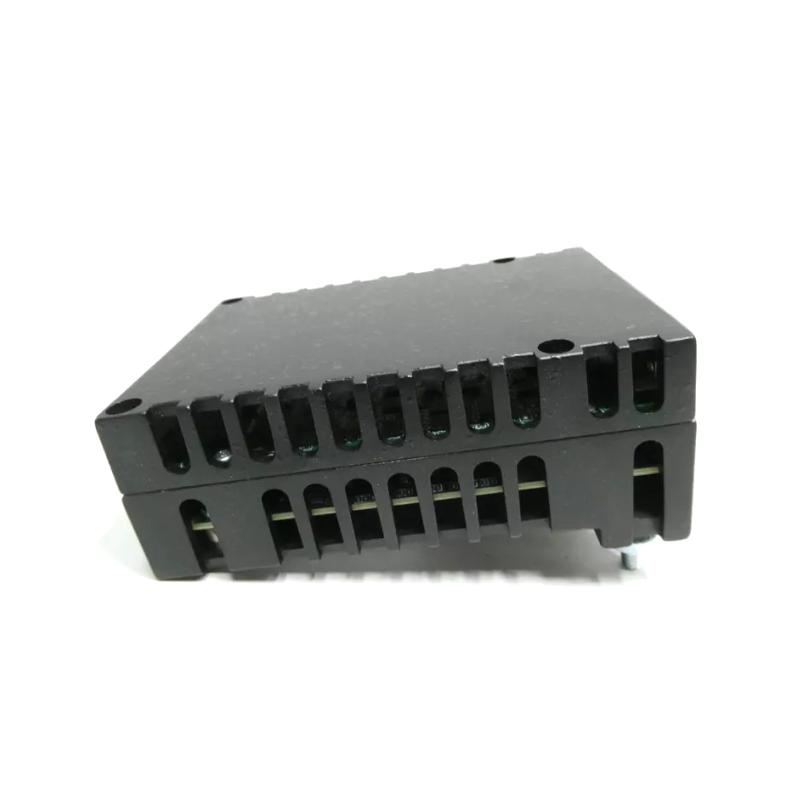
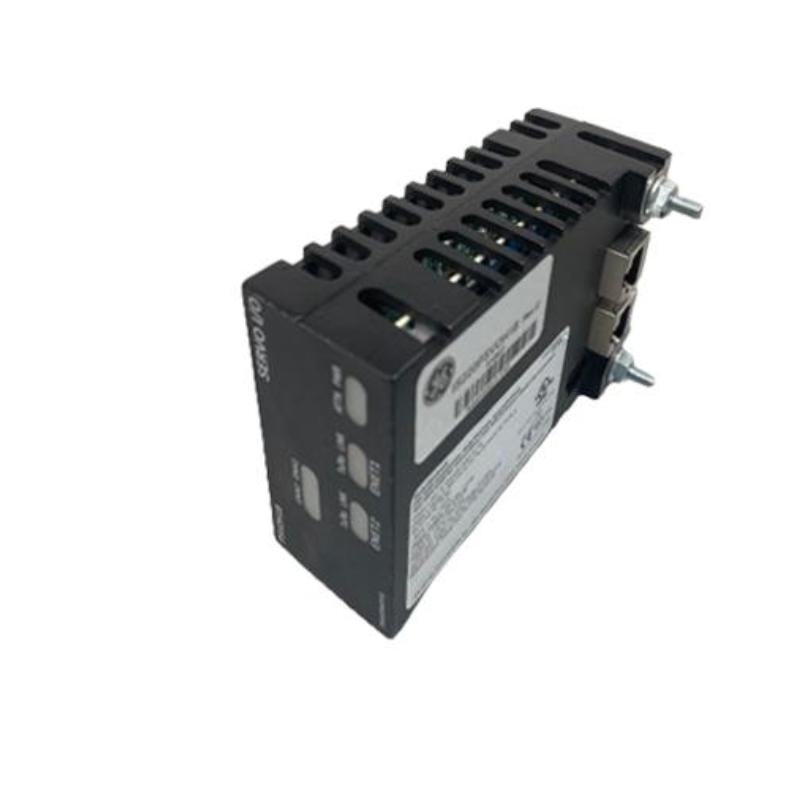
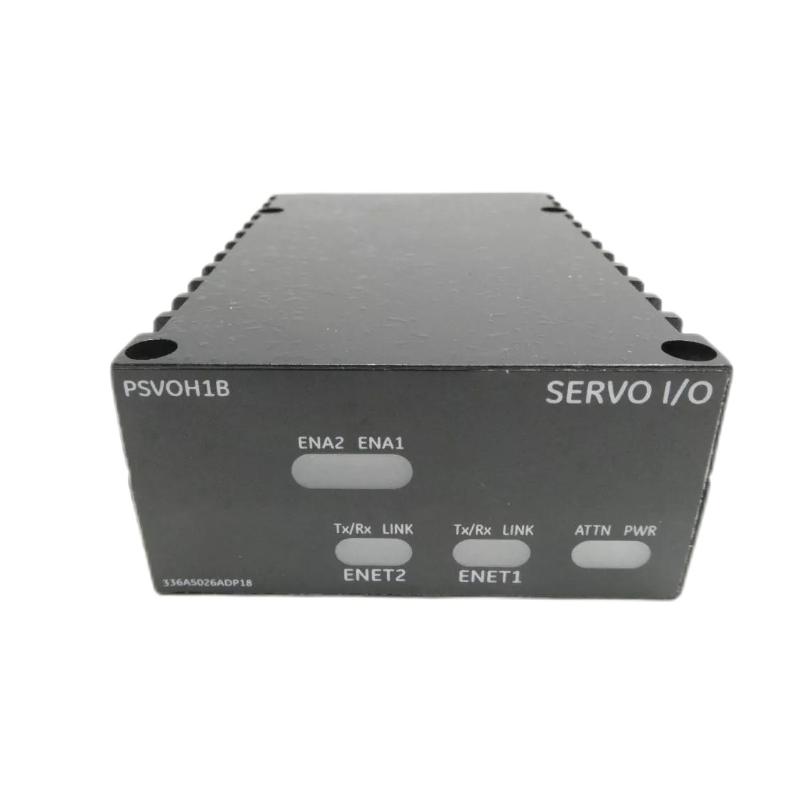
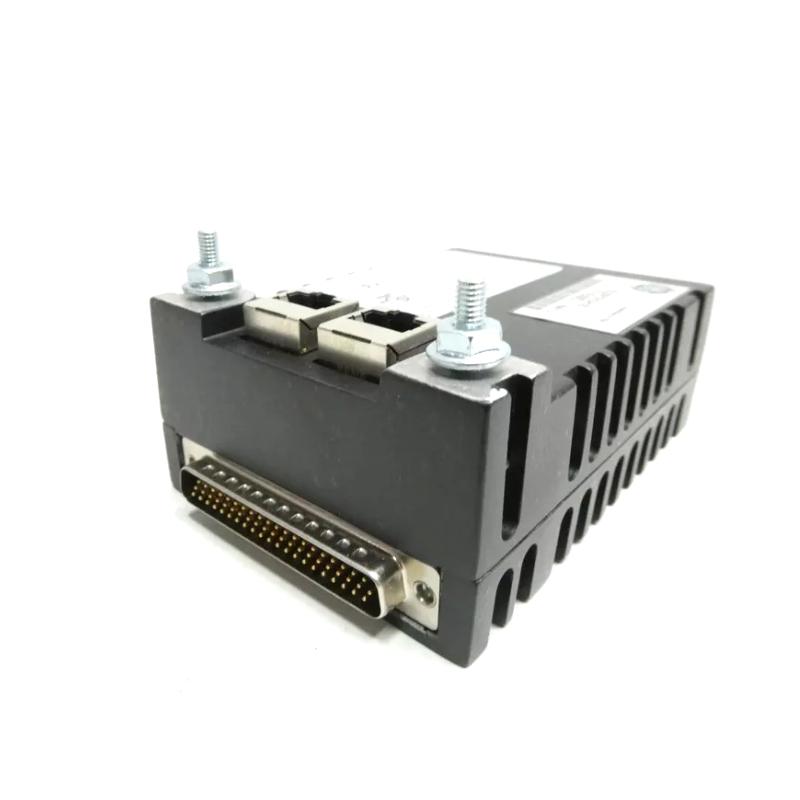
The GE IS220PSVOH1B is an advanced servo control and voltage output interface module engineered for integration with Mark VIe and Mark VIeS turbine control platforms. This module is not a standard power supply — it acts as a servo control I/O pack that interfaces control networks to actuator and sensor systems, providing precise signal outputs, feedback acquisition, and real‑time diagnostics across critical turbine and industrial control loops.
Built for demanding industrial environments, the IS220PSVOH1B supports dual Ethernet communication, hot‑swap capability, rugged construction, and wide temperature operation, making it ideal for high‑availability systems in power plants, oil & gas, and complex automation installations.
Note: Detailed signal handling, excitation waveforms, and servo algorithms are configured via engineering tools in the GE control suite.
Recommended Related Models
IS220PSVOH1A – Earlier servo control I/O module
IS220PDIOH1B – Discrete input/output module
IS220PDOAH1B – Discrete output module
IS220PPRFH1B – PROFIBUS master gateway module
IS220UCSAH1A – Main controller module
Popular GE Mark VIe Modules
IS220PDIAH1B
IS220PDIIH1B
IS220PPROH1A
IS220PPRAH1A
IS220PRTDH1B
IS220PPRFH1B
Application Areas
The IS220PSVOH1B is widely applied in systems requiring servo actuation control, positional feedback, and integrated voltage output functionality such as:
Gas and steam turbine speed / servovalve control loops
Actuator and positioner interfaces in fuel and governor systems
Real‑time feedback for LVDT and pulse rate transducers
Redundant industrial automation networks
Compact servo I/O integration in Mark VIe vibration or control racks
Its ability to handle both analog feedback and command outputs makes it essential where precise motion or position loops must be tightly synchronized with turbine control logic.
Key Advantages
Servo‑Ready Interface – Designed for servo actuation and feedback loops within turbine control systems.
Ethernet Redundancy – Dual network ports enhance communication reliability.
Hot‑Swappable Design – Allows maintenance or module replacement without system shutdown.
Robust Diagnostics – LED indicators and feedback flags support rapid fault identification.
Wide Operating Range – Rated for –40 °C to +70 °C, suitable for harsh industrial environments.
Technical FAQs
1. What is the primary function of the IS220PSVOH1B?
It provides a servo control and voltage interface between I/O Ethernet networks and actuator/sensor systems in Mark VIe turbine control.
2. What types of signals does it handle?
This module accepts multiple LVDT feedback inputs and pulse rate signals while outputting servo currents and excitation outputs.
3. What voltage supply does it require?
Nominal 28 V DC for operation.
4. How does it improve reliability?
Dual Ethernet ports and hot‑swappable design maintain network and module availability.
5. Is it suitable for harsh industrial use?
Yes, it supports extended temperature operation from –40 °C to +70 °C.
6. What kind of diagnostics are available?
LED indicators provide status on network, power, and fault conditions.
7. Can it be used in servo control applications?
Yes, it is specifically designed for servo actuation control and feedback loops.
8. Is it compatible with Mark VIe and VIeS systems?
Yes, it integrates with both Mark VIe and Mark VIeS control architectures.
9. What industries commonly use this module?
Power generation, industrial turbine systems, and complex automation applications.
10. Why choose IS220PSVOH1B over an earlier model?
It offers enhanced servo control capability, diagnostic support, redundant communication, and industrial ruggedness compared with earlier or basic I/O packs.