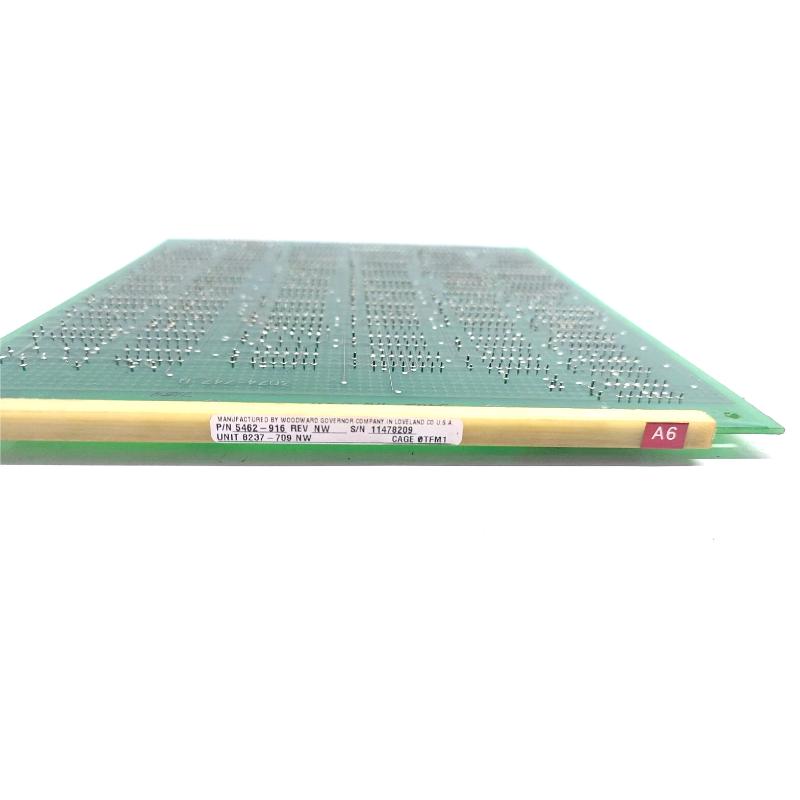
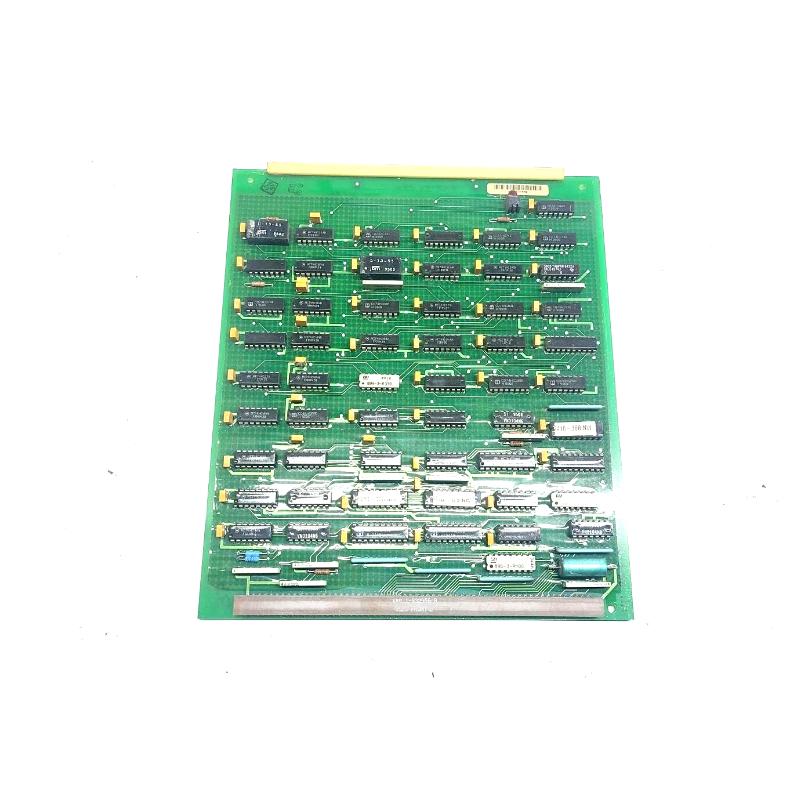
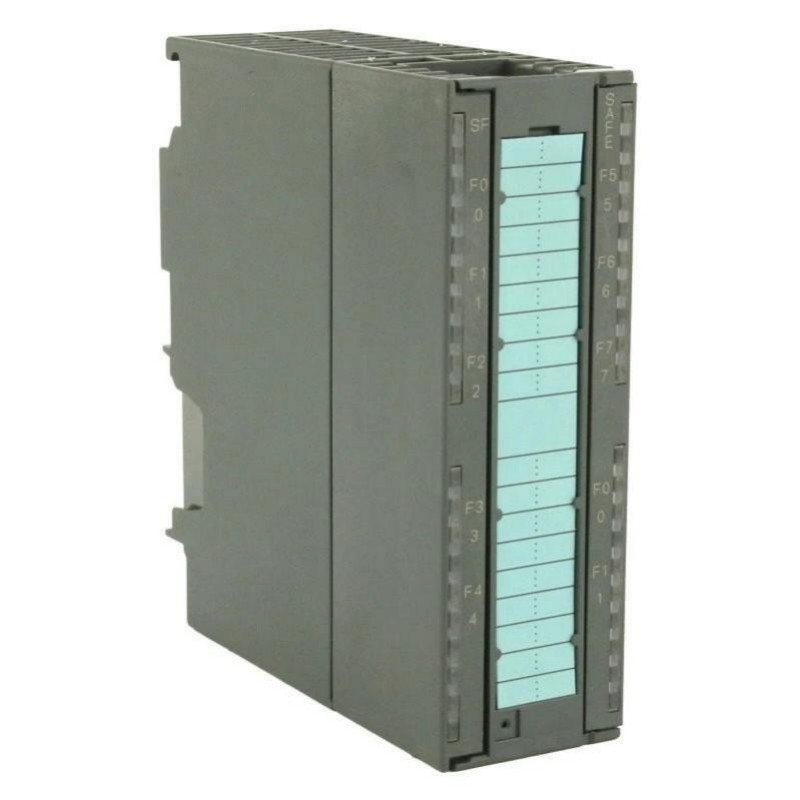
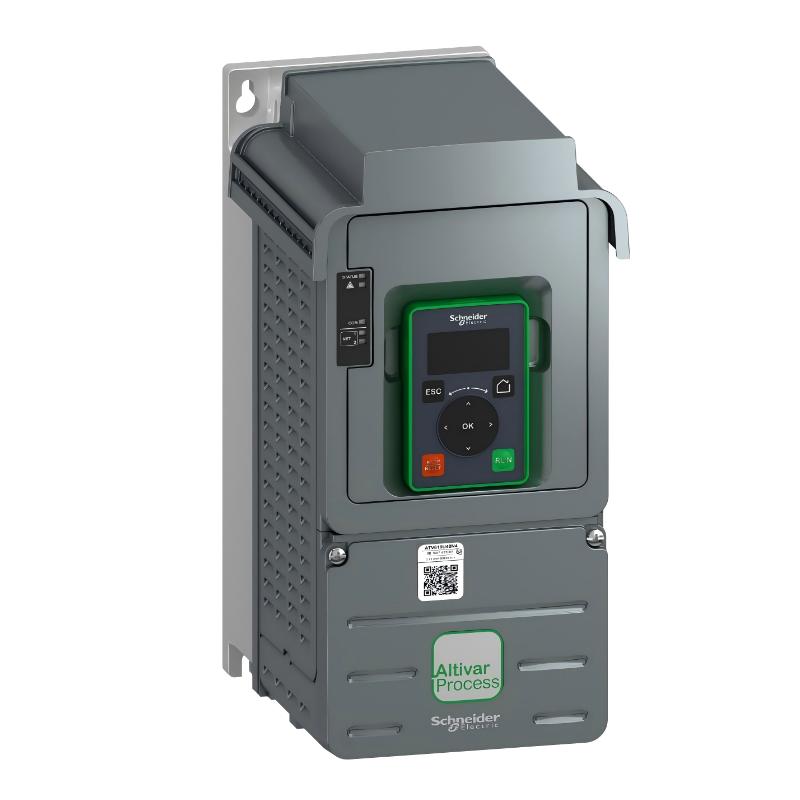
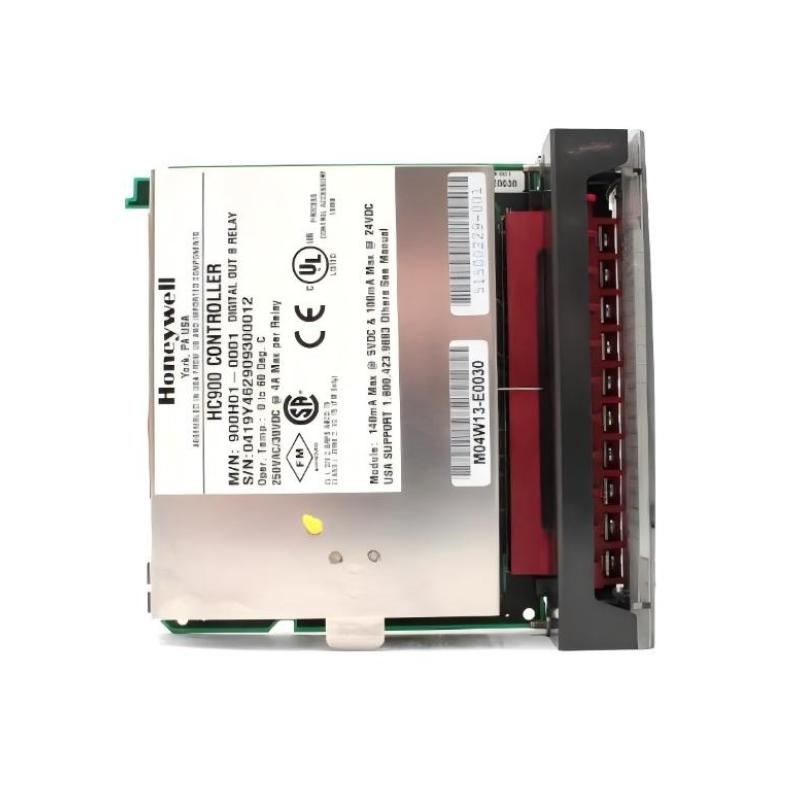
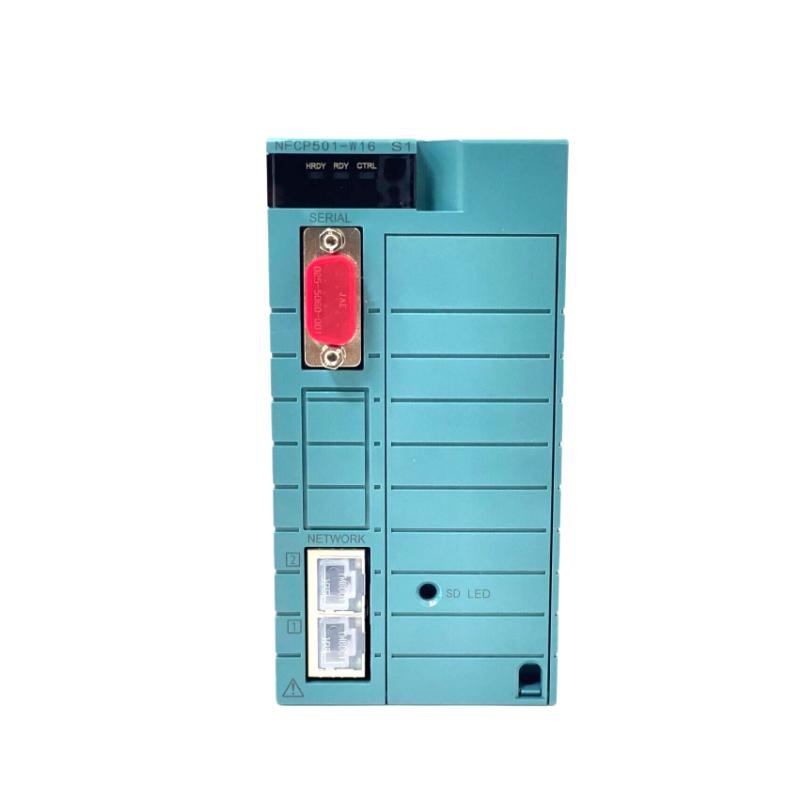
Woodward 5462‑916 FTC DCS II Electronic Module for Distributed Turbomachinery Control
Woodward 5462‑916 FTC DCS II Electronic Module for Distributed Turbomachinery Control
0.0
Points
Brand:Woodward Item No.:Woodward 5462‑916 Product Origin:USA Product Dimensions:22.9 × 20.3 × 2.5 cm Product Weight:0.5 kg Payment:T/T, Western Union, Credit Card Goods_stock:15 Shipping Port:Xiamen, China Lead Time:1-3 Days Condition:Brand New And Original Warranty:1 Year Certificate:COO
The Woodward 5462‑916 is a specialized FTC (Fault‑Tolerant Controller) electronic module designed for use in distributed control architectures such as Woodward MicroNet Plus and NetCon 5000 systems, where high availability, redundancy, and reliable I/O performance are essential. It is commonly deployed within turbine and industrial automation installations requiring stable communication, robust fault tolerance, and integration with legacy DCS platforms.
This module supports advanced control strategies by interfacing with supervisory systems and handling critical control logic within a distributed environment. Its rugged design and compact form contribute to dependable performance under demanding industrial conditions.
Technical Specifications
Specification
Details
Model
5462‑916
Module Type
Electronic FTC (Fault‑Tolerant Controller) Module
Manufacturer
Woodward
Function
Provides fault‑tolerant I/O and control functions within distributed systems
System Compatibility
Woodward MicroNet Plus & NetCon 5000 control architectures
Power Supply
24 V DC nominal
Mounting
Rack / panel integration
Operating Temperature
–20 °C to +70 °C (typical industrial range)
Dimensions (L×W×H)
22.9 × 20.3 × 2.5 cm (~229 × 203 × 25 mm)
Weight
0.5 kg (~1 lb)
Status
Legacy / discontinued (commonly available as surplus or refurbished)
Recommended Related Models
Woodward 5461‑644 – Analog Output Module
Woodward 5461‑655 – Final Driver Module
Woodward 5462‑750 – Power Supply Module
Woodward 5462‑757 – Discrete Input Module
Woodward 5441‑661 – Relay Interface Module
Popular Woodward Control Products
Woodward 5441 Series – Discrete and relay interface modules
Woodward 5461 Series – Analog, driver, and I/O modules
Woodward 5462 Series – Distributed I/O and FTC modules
Woodward MicroNet and NetCon control platforms
Power distribution & termination modules
Applications
The 5462‑916 module is ideal for environments where redundancy, resilience, and precise automation control are required:
Distributed turbomachinery control systems
Gas, steam, and hydro turbine automation
Power generation plant control architectures
Oil & gas process automation
Distributed control systems requiring fault‑tolerant operation
Legacy Woodward installations in maintenance and retrofit roles
Key Advantages
Fault‑Tolerant Design – Built for high availability in mission‑critical control networks
Compact and Lightweight – Easy to install and integrate within control racks
Industrial Durability – Operates reliably across a broad temperature range
Compatible with Distributed Systems – Integrates smoothly with MicroNet Plus and NetCon architectures
Maintains Legacy Support – Useful for maintaining and extending older control systems
Technical FAQs
1. What is the primary purpose of the Woodward 5462‑916?
It functions as a fault‑tolerant electronic module that provides resilient I/O control within distributed control systems like MicroNet Plus and NetCon 5000.
2. Is this module still manufactured?
No, the 5462‑916 is generally discontinued and is most often available through surplus or refurbished inventories.
3. What power supply does it require?
It operates on a 24 V DC nominal supply.
4. Where is this module typically used?
In turbine automation, power generation control systems, and other industrial automation scenarios requiring redundancy.
5. What is the approximate weight of this module?
Around 0.5 kg (approximately 1 lb).
6. What are its general dimensions?
Approximately 229 × 203 × 25 mm.
7. What control architectures does it support?
It is compatible with Woodward’s MicroNet Plus and NetCon 5000 distributed control frameworks.
8. What advantage does a fault‑tolerant module provide?
It helps maintain system operation even if individual components fail, increasing uptime and reliability.
9. Is this module suitable for PLC integration?
Yes, with appropriate interfaces, it can work alongside PLC or DCS systems in complex automation setups.
10. Why is it important for turbomachinery control?
Because it provides resilient signal processing and control continuity, which is crucial for safe and efficient turbine operation.