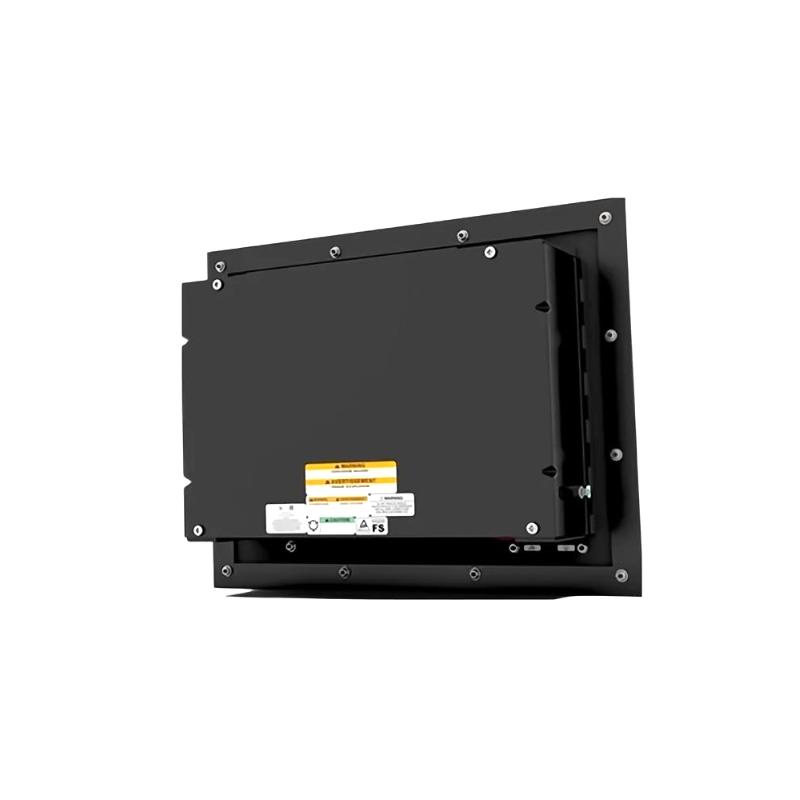
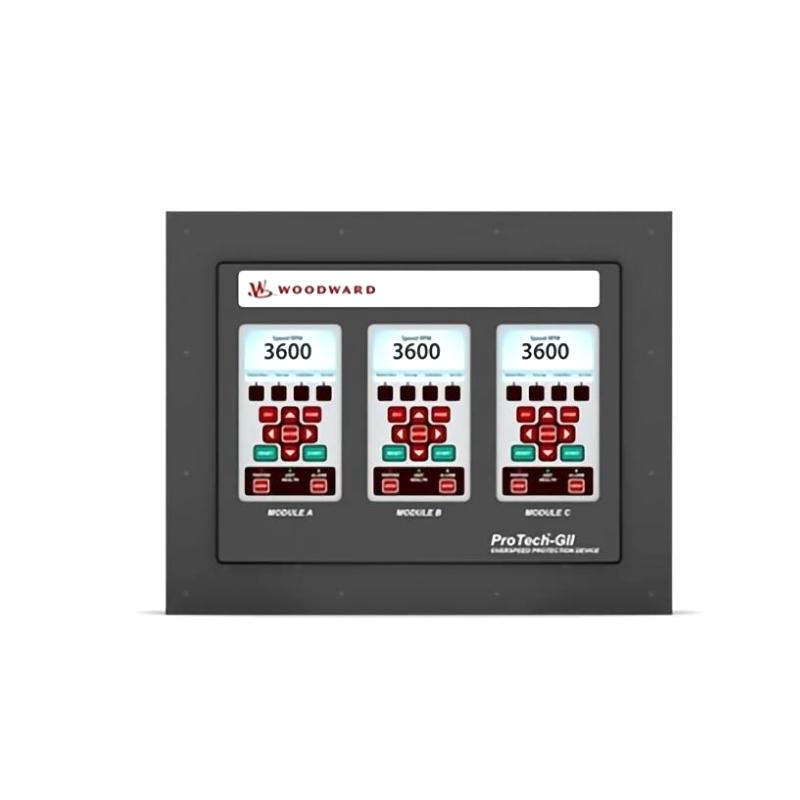
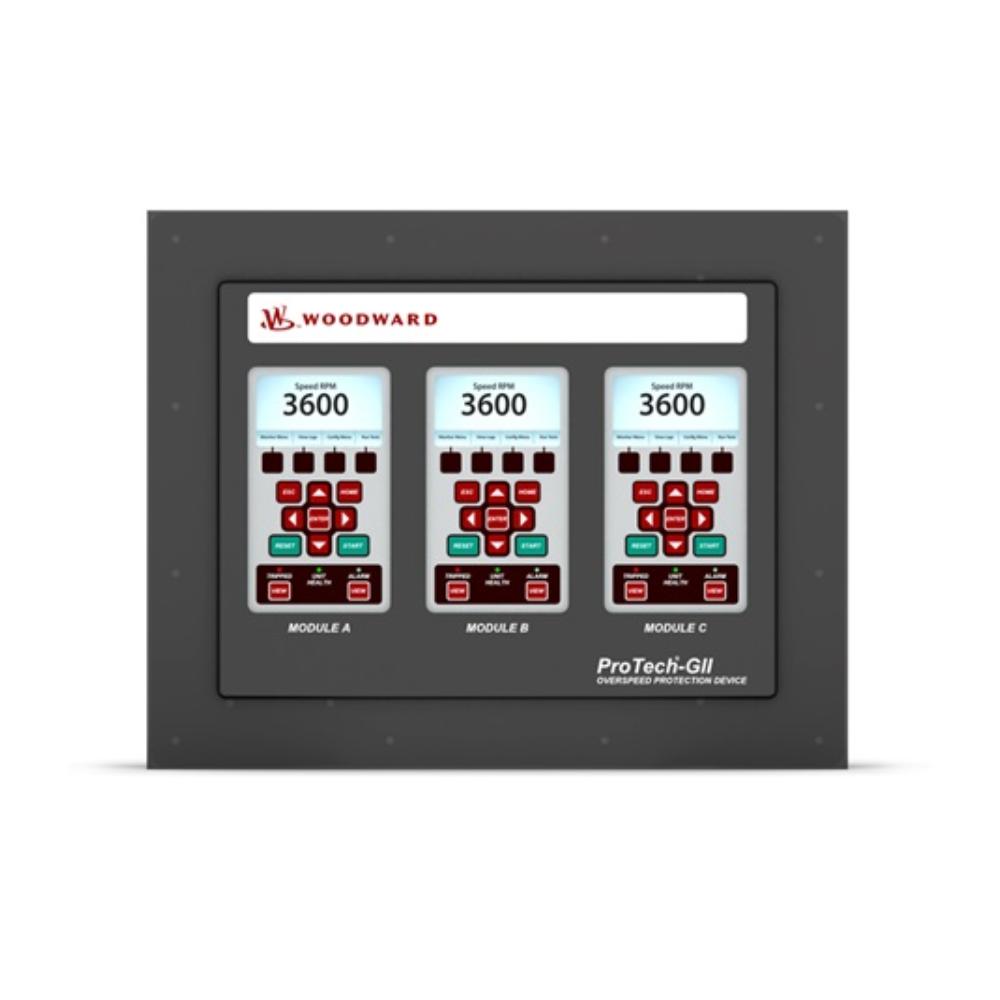
Brand:Woodward Item No.:Woodward 8237‑1600 Product Origin:USA Product Dimensions:330 × 445 × 159 mm Product Weight:10 kg Payment:T/T, Western Union, Credit Card Goods_stock:15 Shipping Port:Xiamen, China Lead Time:1-3 Days Condition:Brand New And Original Warranty:1 Year Certificate:COO
The Woodward 8237‑1600 is a premium industrial overspeed protection and safety controller from the ProTech‑GII series, designed to monitor and protect high‑speed rotating equipment such as steam, gas, and hydro turbines. Engineered to detect both overspeed and over‑acceleration conditions, this module provides rapid, reliable shut‑down commands to minimize equipment damage, safeguard personnel, and support continuous operation in demanding industrial environments.
Technical Specifications
Specification
Details
Model
8237‑1600
Module Type
Overspeed Protection & Safety Controller
Series
ProTech‑GII
Function
Turbine overspeed and over‑acceleration detection with shutdown output
Woodward 8237‑1706 – Dual Modbus communication overspeed controller
Woodward 8237‑1800 – Overspeed device with extended analog I/O
Woodward 8237‑1900 – Enhanced protection module with secure firmware
Popular Woodward Safety & Control Platforms
ProTech‑GII Series – High‑availability overspeed protection systems
ProTech 203 Series – Traditional digital overspeed controllers
NetCon & MicroNet Distributed I/O – Scalable turbine control modules
Digital Turbine Governors – Advanced shaft speed control
Safety Integration Communications – Modbus and SCADA system interfaces
Applications
The Woodward 8237‑1600 is engineered for environments where turbine safety and reliability are mission‑critical:
Steam, gas, and hydro turbine overspeed protection
Generator and compressor safety shutdown systems
Redundant turbine safety integration with DCS/SCADA
Industrial process control requiring hot‑swappable protection modules
Oil & gas and petrochemical rotating equipment safety networks
By issuing precise shutdown commands on detected overspeed or rapid acceleration, this module prevents catastrophic mechanical failures and supports regulatory compliance in safety‑critical applications.
Key Advantages
Triple‑Redundant Protection Logic – Three independent processing modules with 2‑out‑of‑3 voting ensure robust safety decisions and high availability.
Dual Voltage Flexibility – Accepts high‑ and low‑voltage power configurations for diverse installation environments.
Durable Industrial Enclosure – IP56 rating protects against dust and moisture in harsh plant conditions.
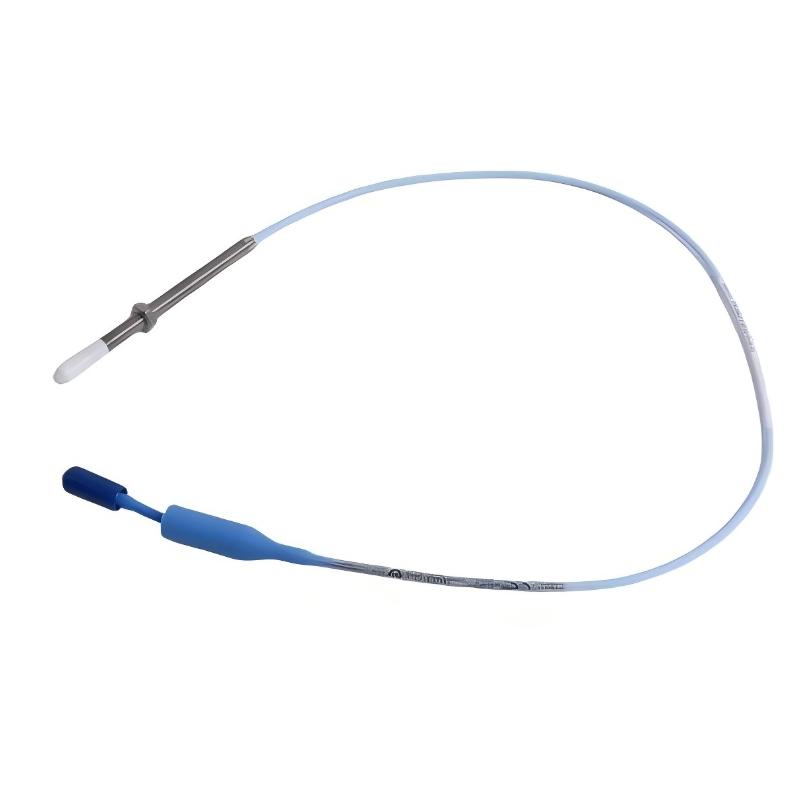
Advanced Diagnostics & Testing – Includes MPU validation, acceleration detection, and automatic overspeed test routines.
Modbus Connectivity – Facilitates integration with automation systems for monitoring and remote control.
Panel Mount & Hot Replacement – Backplane design allows module replacement without system downtime.
Technical FAQs
1. What is the primary role of the 8237‑1600?
It continuously monitors turbine speed and issues a shutdown command when overspeed or over‑acceleration events are detected.
2. What types of power inputs does this device support?
It supports high‑voltage AC/DC and low‑voltage DC inputs, offering installation flexibility.
3. What is the voting architecture used?
A 2‑out‑of‑3 voting logic with triple modules ensures high reliability before issuing trip commands.
4. Does it interface with other control systems?
Yes—Modbus RTU provides communication with PLCs and SCADA systems for integration.
5. What is the approximate size of this controller?
Its panel mount enclosure measures about 330 × 445 × 159 mm.
6. How much does it weigh?
Approximately 10 kg (≈ 22 lbs).
7. What environmental protections does it have?
It features an IP56 rating for dust and water resistance when installed properly.
8. Can it be maintained without system shutdown?
The backplane and triple‑module design allow hot module replacement.
9. What safety standards does it support?
When configured correctly, it complies with turbine protection standards such as API, IEC, and SIL frameworks.
10. Where is this product typically used?
In power plants, oil & gas facilities, and heavy industrial applications requiring high‑reliability turbine safety controls.