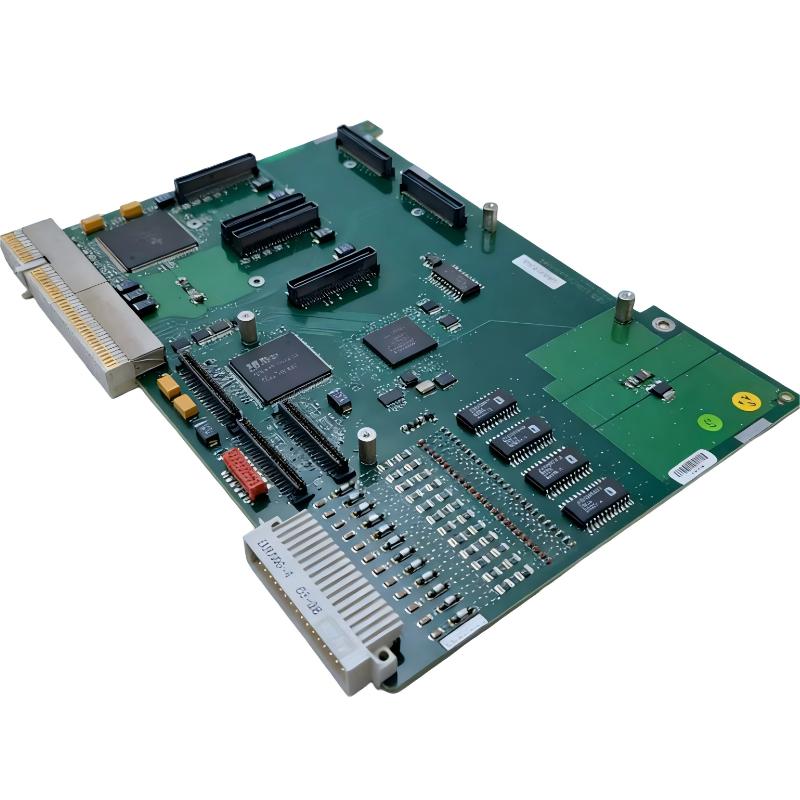
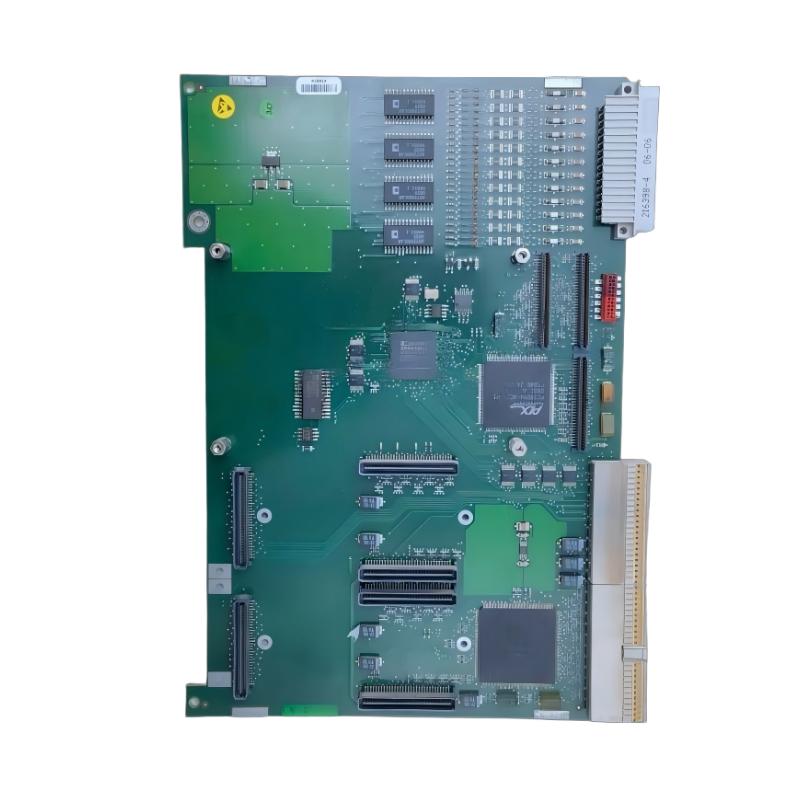
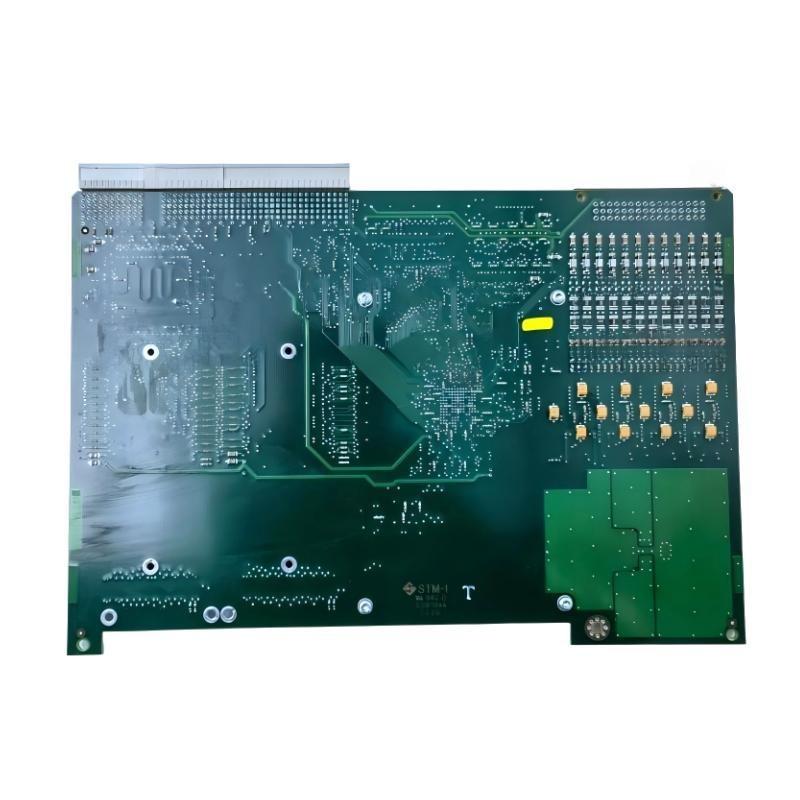
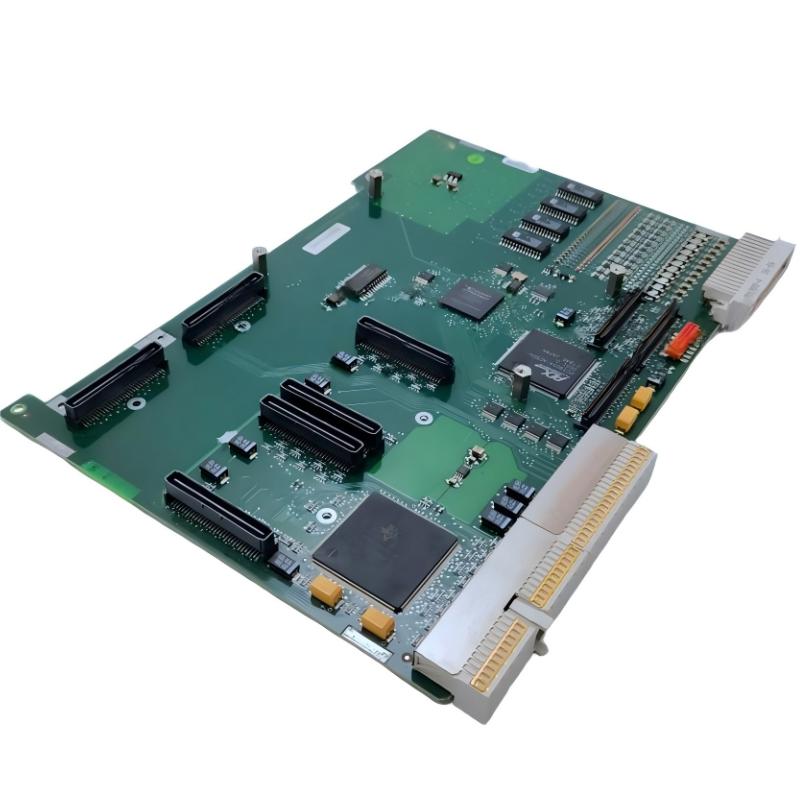
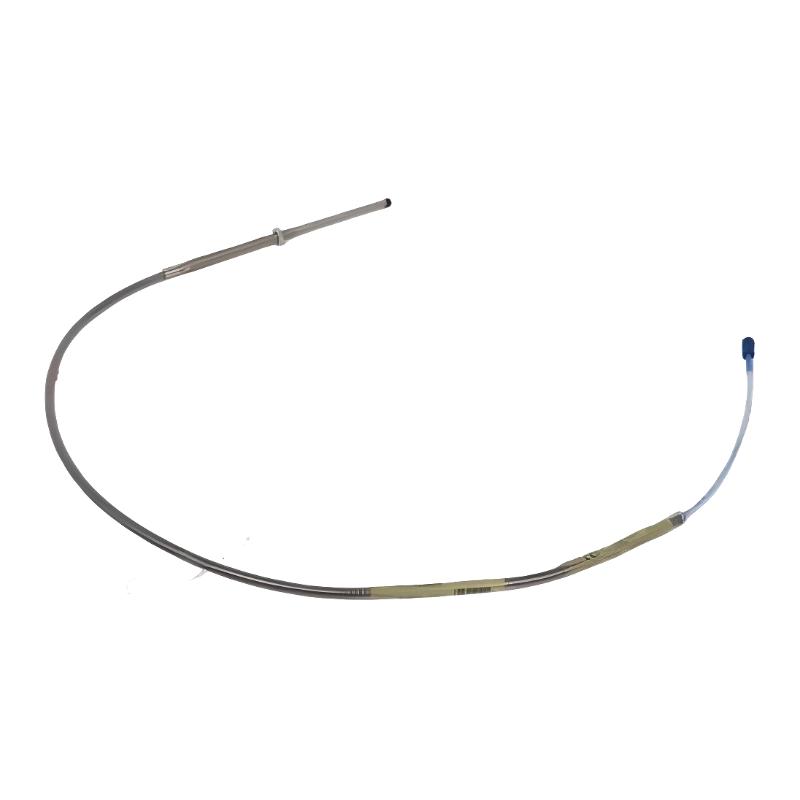
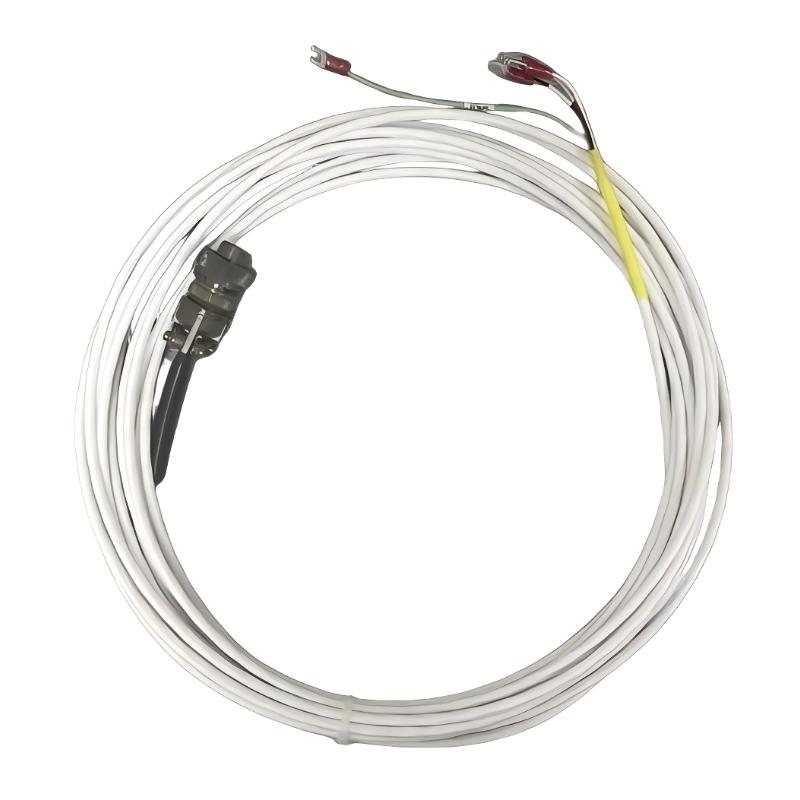
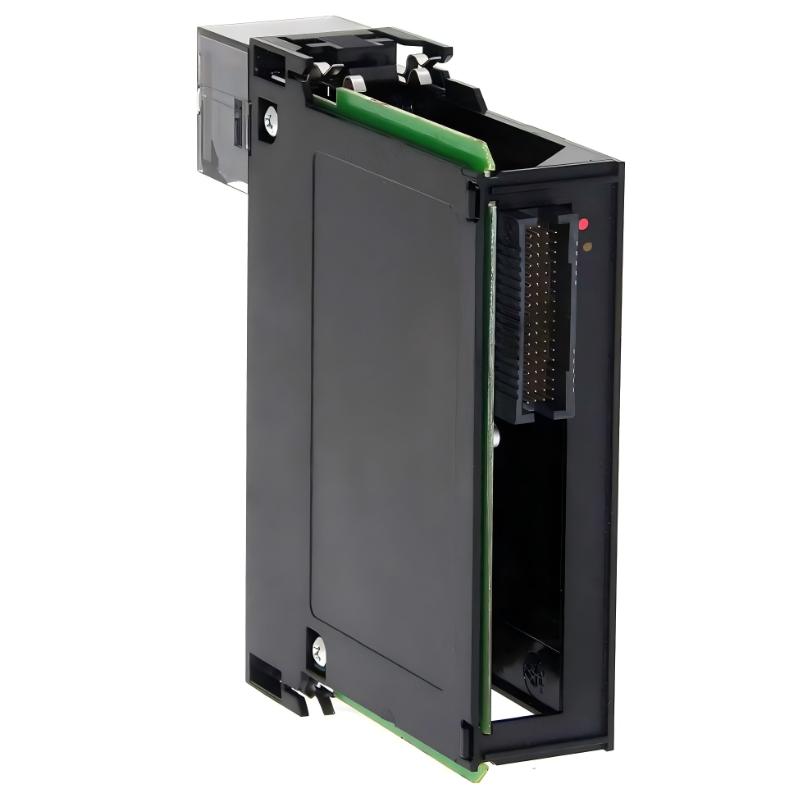
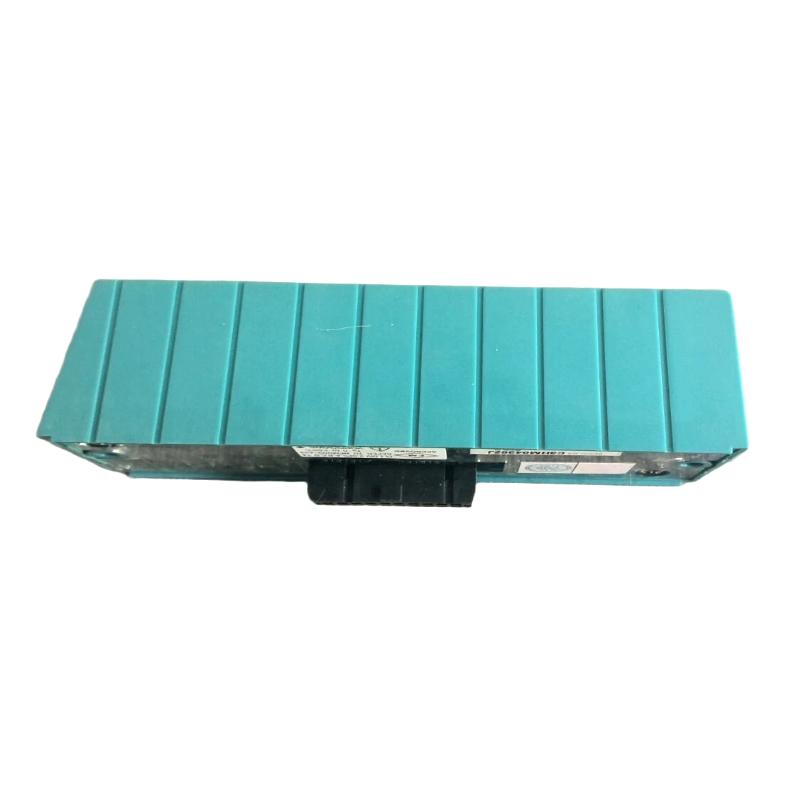
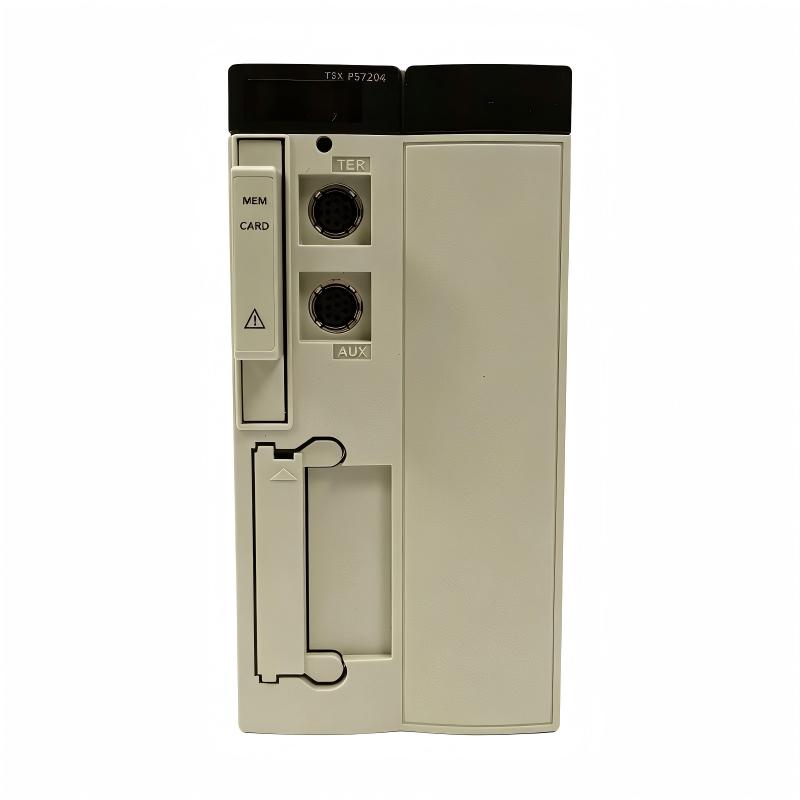
Brand:ABB PLC Item No.:1MRK002133-ABR02 Product Origin:Sweden (SE) Product Dimensions:183 x 130 x 35 mm Product Weight:0.4 kg Payment:T/T, Western Union, Credit Card Goods_stock:15 Shipping Port:Xiamen, China Lead Time:1-3 Days Condition:Brand New And Original Warranty:1 Year Certificate:COO
The ABB 1MRK002133-ABR02 Binary Input/Output Module is a high-performance solution for digital signal management in industrial automation. Designed for reliability and durability, it ensures accurate signal handling, seamless integration with PLCs and DCS systems, and long-term operational stability. Ideal for both new installations and upgrades of existing control systems.
• ABB 1MRK002136-ABR04 I/O Signal Interface Module
• ABB 1MRK002138-ABR04 PLC Expansion I/O Module
Applications
• Industrial automation systems for binary signal acquisition and control
• Integration with PLC and DCS systems to manage digital inputs and outputs
• Control panels requiring reliable switching and monitoring of on/off signals
• Expansion or retrofit projects in manufacturing lines and process automation
Key Advantages
• Reliable Signal Handling: Ensures accurate detection and transmission of binary signals
• High Compatibility: Works seamlessly with ABB PLCs and standard industrial automation systems
• Robust Protection: Built-in safeguards against short-circuit and overvoltage conditions
• Durable Design: Industrial-grade components provide long-term operational stability
• Flexible Application: Suitable for both new installations and retrofits of existing control panels
• Ease of Integration: Supports fast installation and configuration with minimal downtime
Technical FAQs
1. What type of signals does this module handle?
It manages binary (on/off) input and output signals for digital control applications.
2. Can it be used in harsh industrial environments?
Yes, it is designed to operate reliably under typical industrial temperature and electrical conditions.
3. How is it connected to PLC or DCS systems?
It interfaces directly with standard I/O slots and supports common industrial communication protocols.
4. Does it require additional drivers or software?
No additional drivers are required; configuration is handled via the system controller.
5. Is the module hot-swappable?
No, it should be powered down before installation or removal to ensure safe operation.
6. What protection features are included?
Built-in short-circuit and overvoltage protection safeguards critical I/O lines.
7. Can it be used for both new installations and system upgrades?
Yes, it is designed for both new projects and retrofitting existing panels.
8. How many channels does it support?
The module supports multiple binary I/O channels; refer to ABB documentation for exact specifications.
9. What maintenance is recommended?
Routine inspection for dust, loose connections, and corrosion is advised.
10. Is it compatible with other ABB I/O modules?
Yes, it integrates smoothly with ABB’s I/O module family and related automation equipment.