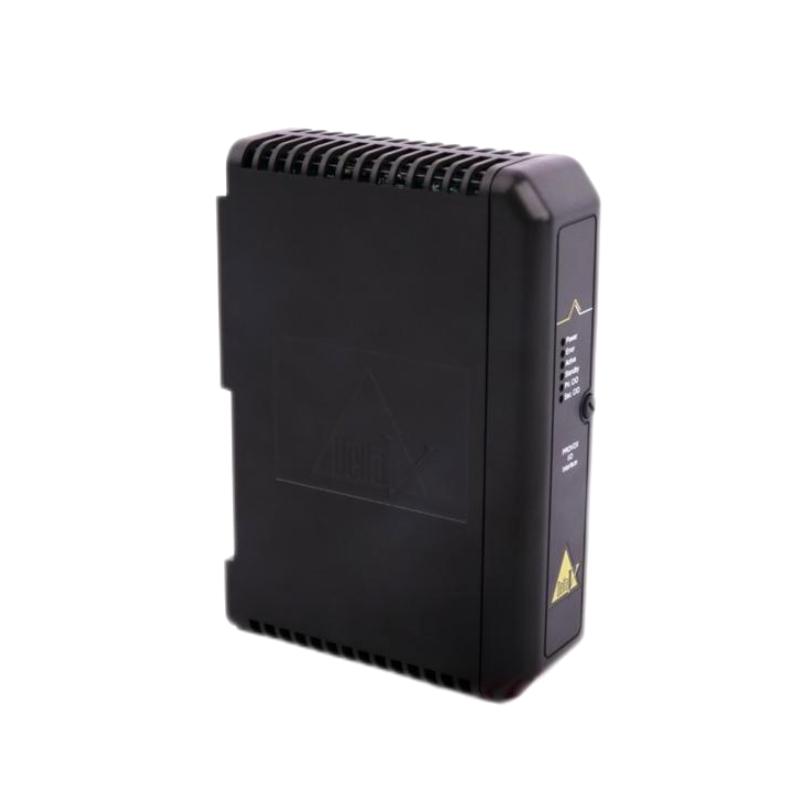
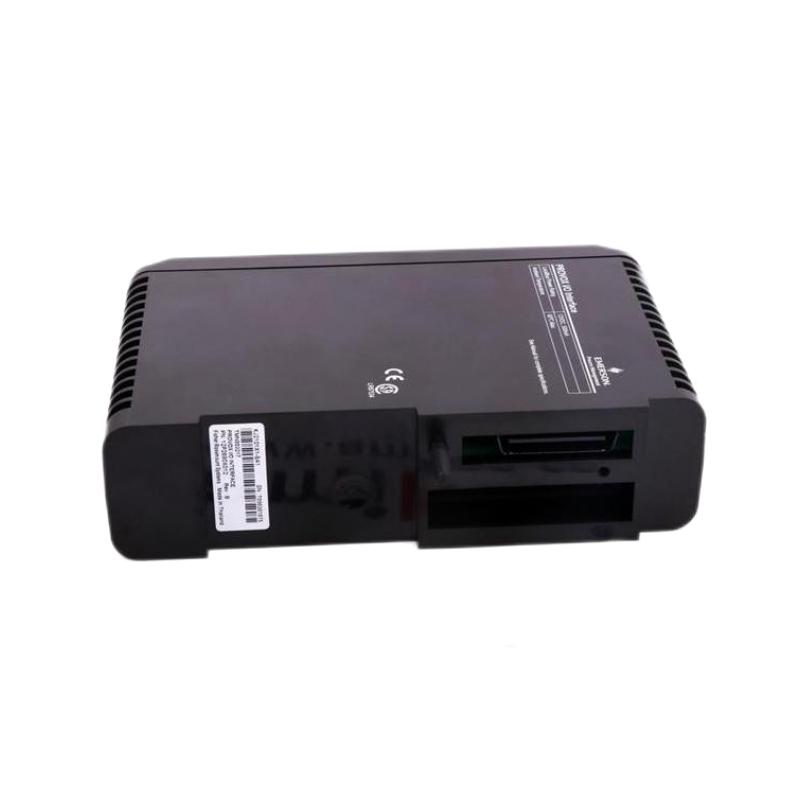
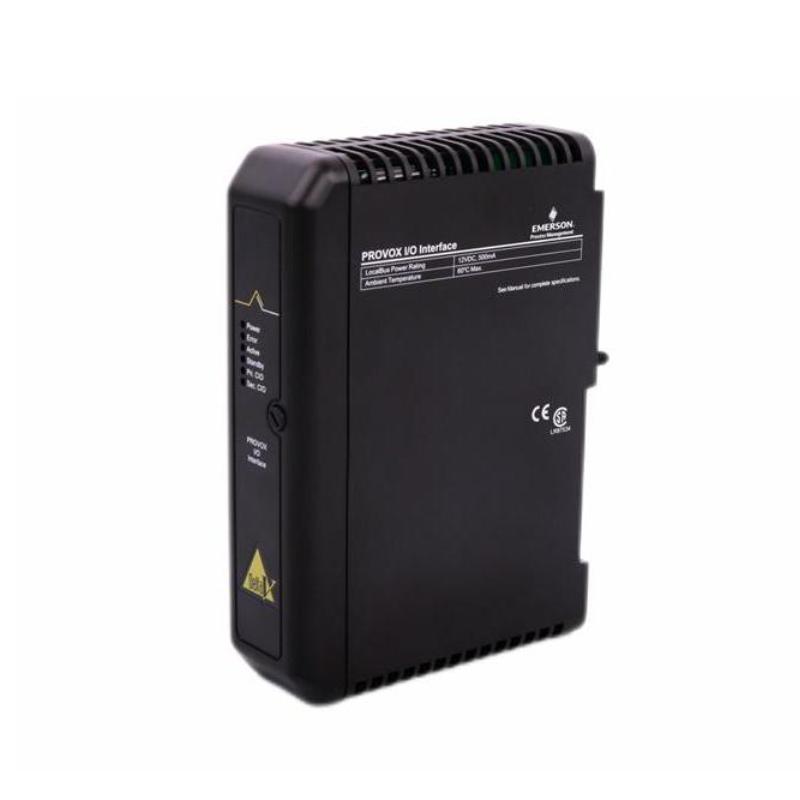
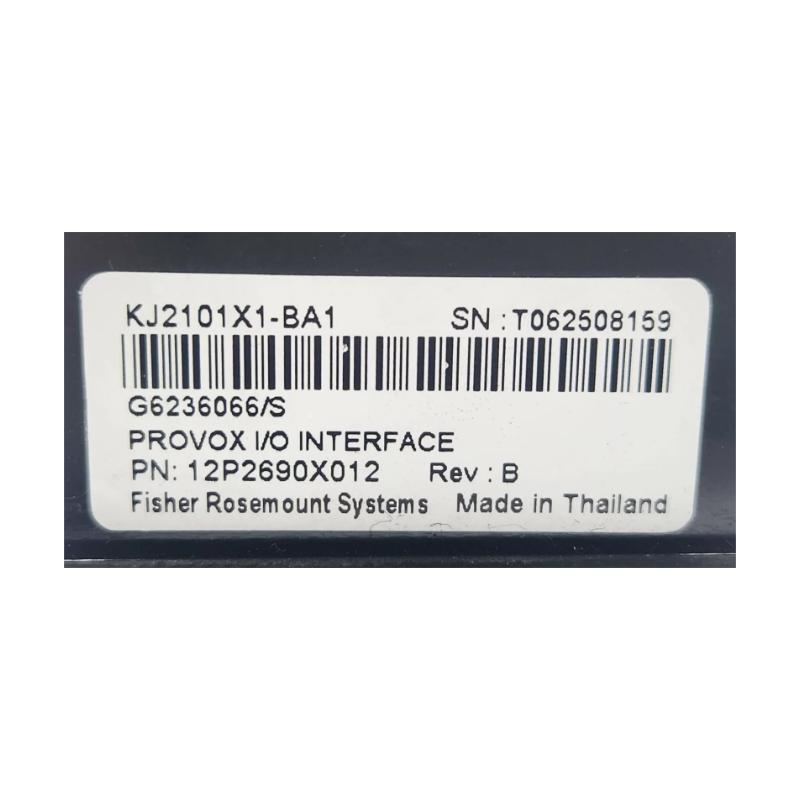
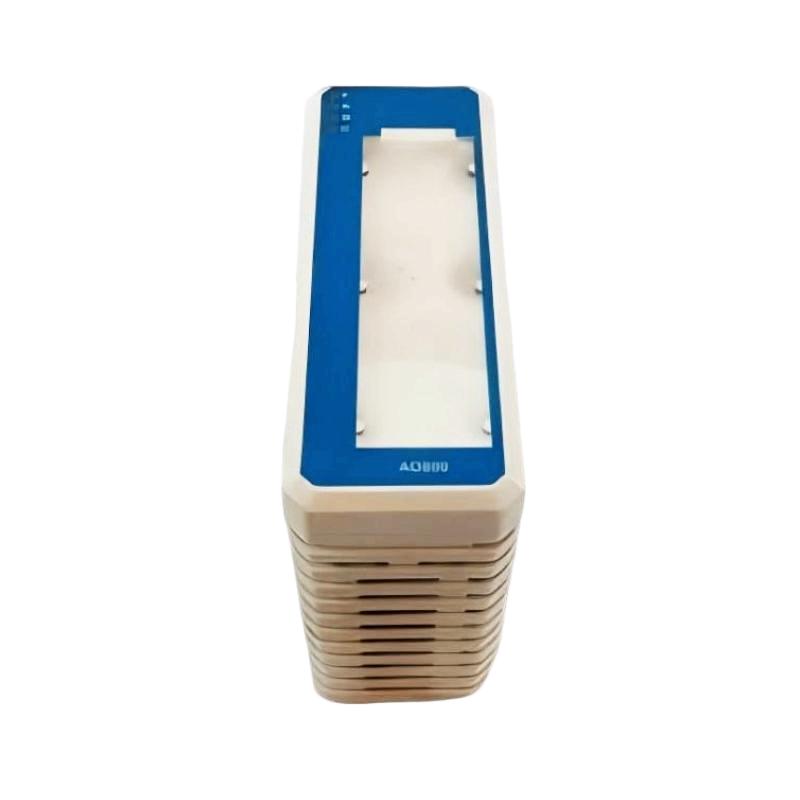
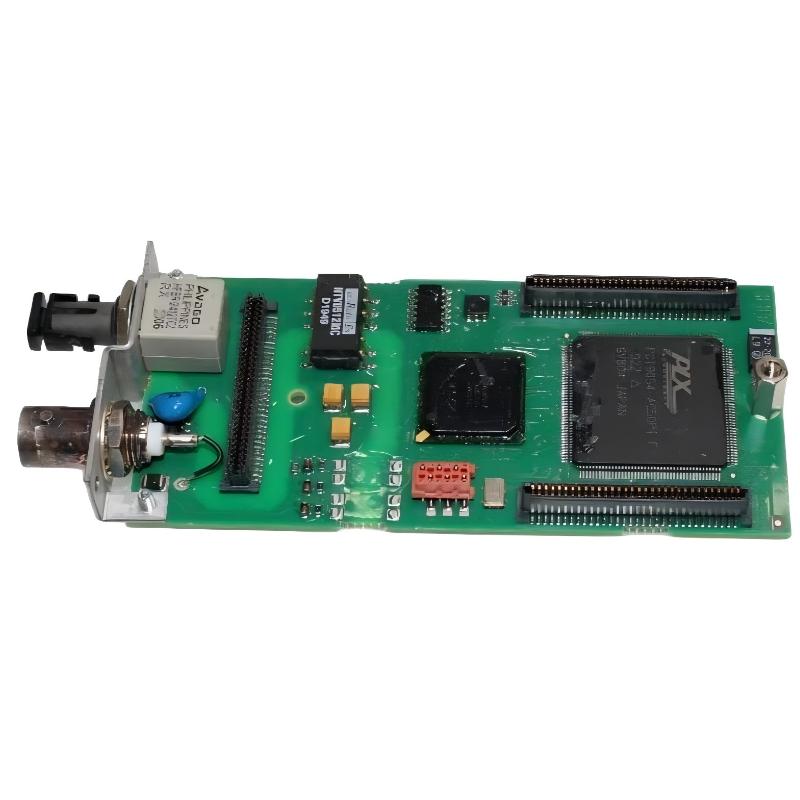
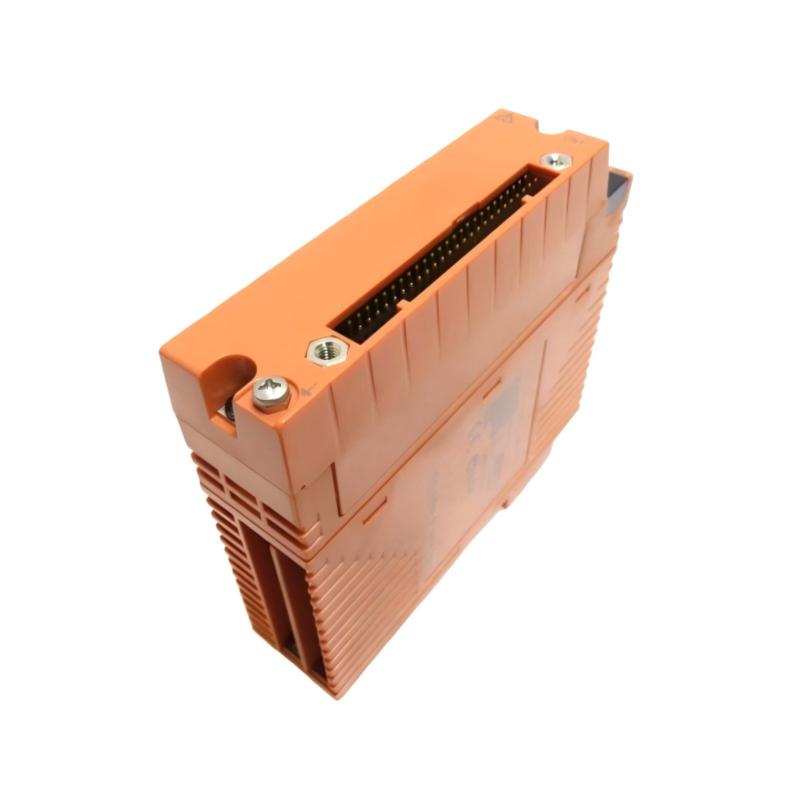
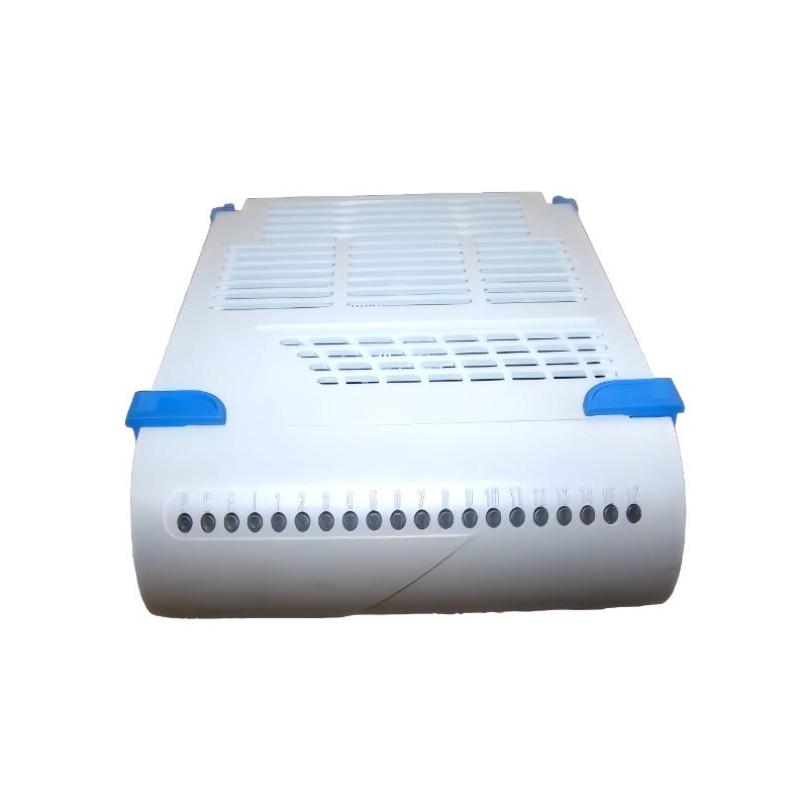
Brand:Emerson Module Item No.:Emerson KJ2101X1-BA1 Product Origin:USA Product Dimensions:43 × 126 × 160 mm Product Weight:0.55 kg Payment:T/T, Western Union, Credit Card Goods_stock:15 Shipping Port:Xiamen, China Lead Time:1-3 Days Condition:Brand New And Original Warranty:1 Year Certificate:COO
The Emerson KJ2101X1-BA1 is a specialized I/O interface module designed to bridge Provox legacy control systems with modern DeltaV distributed control systems (DCS). It plays a critical role in system migration and hybrid architectures by enabling real-time data exchange between different generations of control platforms.
Rather than replacing existing infrastructure, this module allows plants to preserve legacy I/O investments while upgrading control intelligence, making it highly valuable in industries such as oil & gas, petrochemical, and power generation where system continuity is essential.
Technical Specifications (Industrial Interface Module for System Integration)
Parameter
Details
Model
KJ2101X1-BA1
Brand
Emerson
Product Type
I/O Interface Module
System Platform
DeltaV / Provox
Function
System integration / signal interface / communication bridge
Signal Support
Analog + Digital I/O
Operating Voltage
24 V DC
Local Bus Power
3.3 VDC / 5 VDC (internal bus)
Communication Role
Data exchange between control systems
Redundancy Support
Supported (system dependent)
Physical Dimensions & Weight
Item
Specification
Dimensions (W × H × D)
43 × 126 × 160 mm
Weight
~0.25 – 0.55 kg
Values vary slightly by revision and supplier configuration.
Recommended Related Models (System Migration & Expansion)
Emerson KJ3002X1-BF1 – Analog output module (DeltaV)
Emerson KJ3008X1-BA1 – Analog input module
Emerson VE4003S6B1 – Terminal block assembly
Emerson DeltaV M-series I/O modules
Emerson Provox I/O interface modules
Popular Emerson Models (DeltaV Ecosystem)
Emerson DeltaV Controller Modules
Emerson KJ4001 Power Supply Modules
Emerson VE4003 Analog I/O Cards
Emerson CHARMs I/O Modules
Emerson DeltaV Operator Workstations
Applications (Modernization and Hybrid Control Architectures)
The KJ2101X1-BA1 is widely used in:
Provox-to-DeltaV migration projects
Hybrid control systems with legacy and modern equipment
Oil & gas refinery automation upgrades
Petrochemical plant modernization
Power generation system retrofits
SCADA and DCS integration environments
It is especially valuable in scenarios where system upgrade must be achieved without full shutdown or hardware replacement.
Advantages (Legacy Protection Meets Modern Control Capability)
Enables seamless integration between Provox and DeltaV systems
Preserves existing field wiring and instrumentation investment
Supports both analog and digital signal interfaces
Reduces migration risk and downtime during upgrades
Compact design for easy cabinet integration
Improves system scalability and modernization flexibility
Proven reliability in harsh industrial environments
Supports phased upgrade strategies instead of full replacement
Technical FAQs
1. What is the KJ2101X1-BA1 used for?
It connects Provox systems with DeltaV systems for data exchange.
2. Is it a control module?
No, it is an interface module, not a CPU or control processor.
3. What systems does it support?
Emerson Provox and DeltaV DCS platforms.
4. Can it handle both analog and digital signals?
Yes, it supports mixed signal types.
5. What is its main advantage?
It enables system upgrades without replacing legacy I/O.
6. What is the weight of the module?
Approximately 0.25–0.55 kg.
7. What industries use it?
Oil & gas, petrochemical, power generation, and process industries.
8. Does it support redundancy?
Yes, depending on system configuration.
9. Is it used in new systems?
Primarily in upgrade and hybrid system projects.
10. Why is it important in modernization projects?
Because it allows gradual system upgrades while maintaining continuous operation.