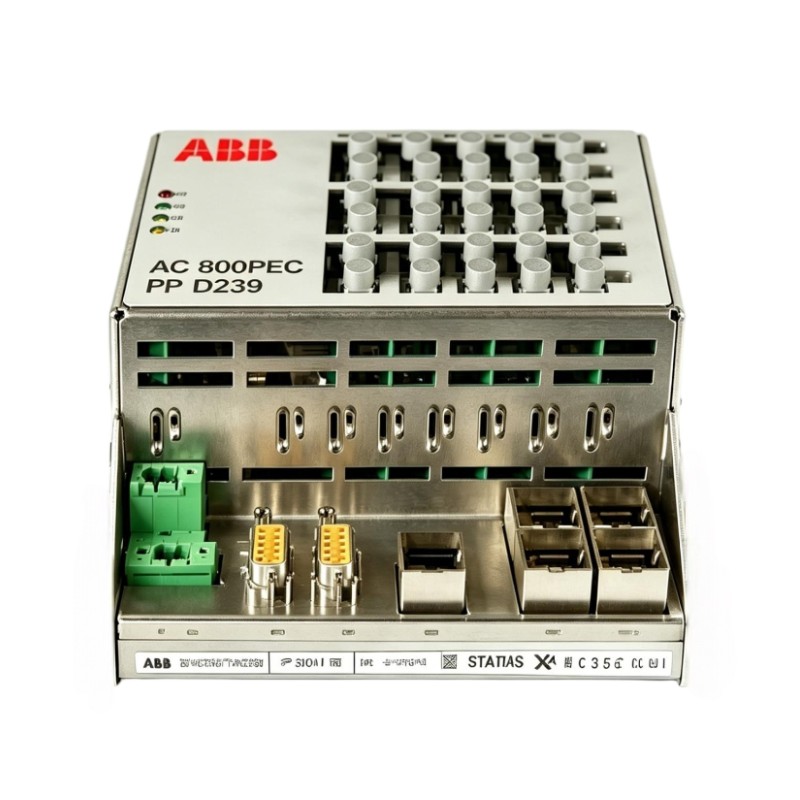
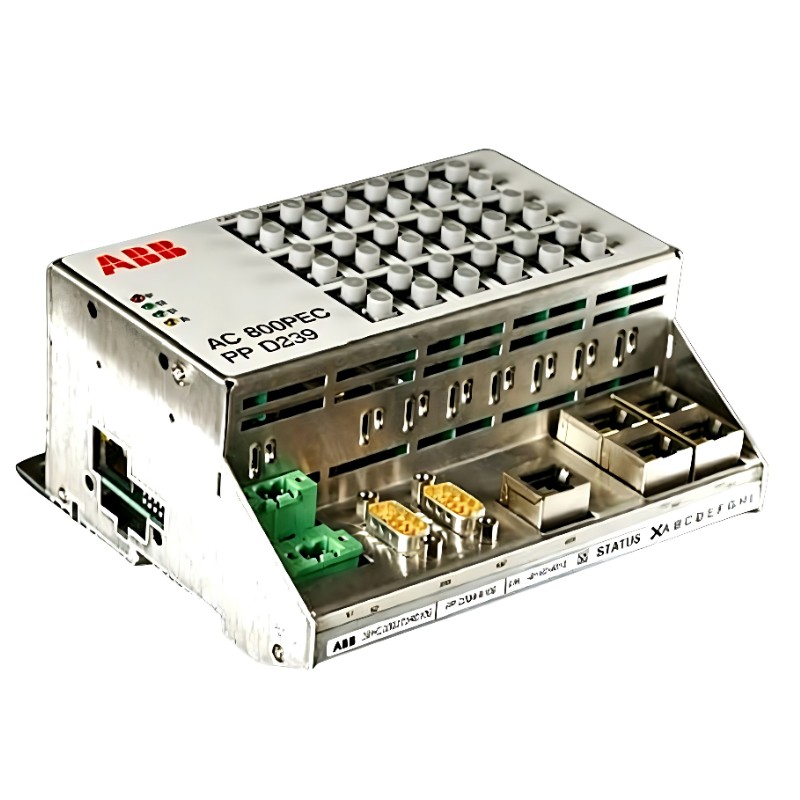
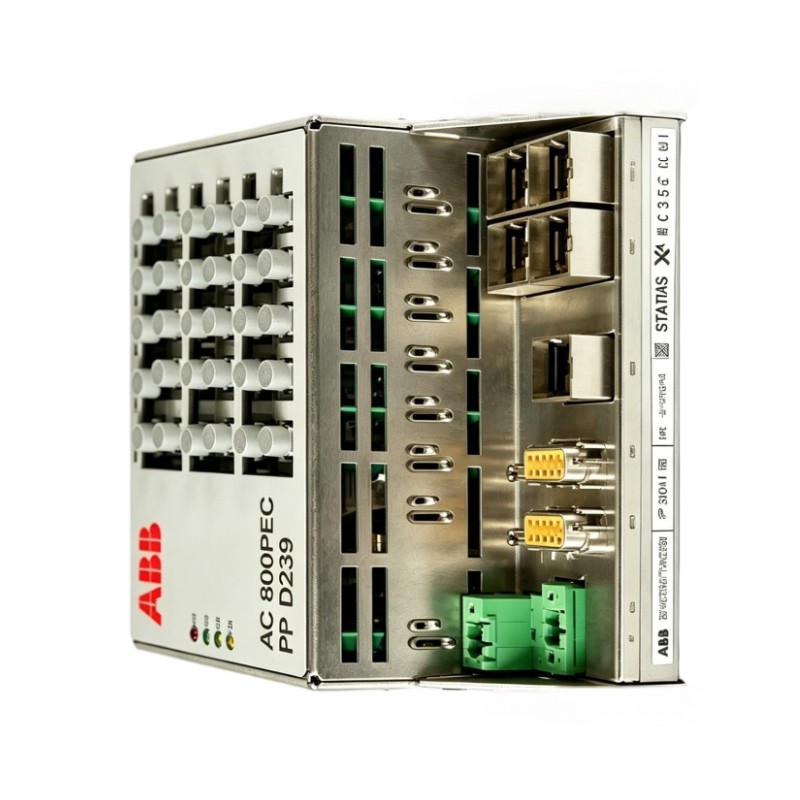
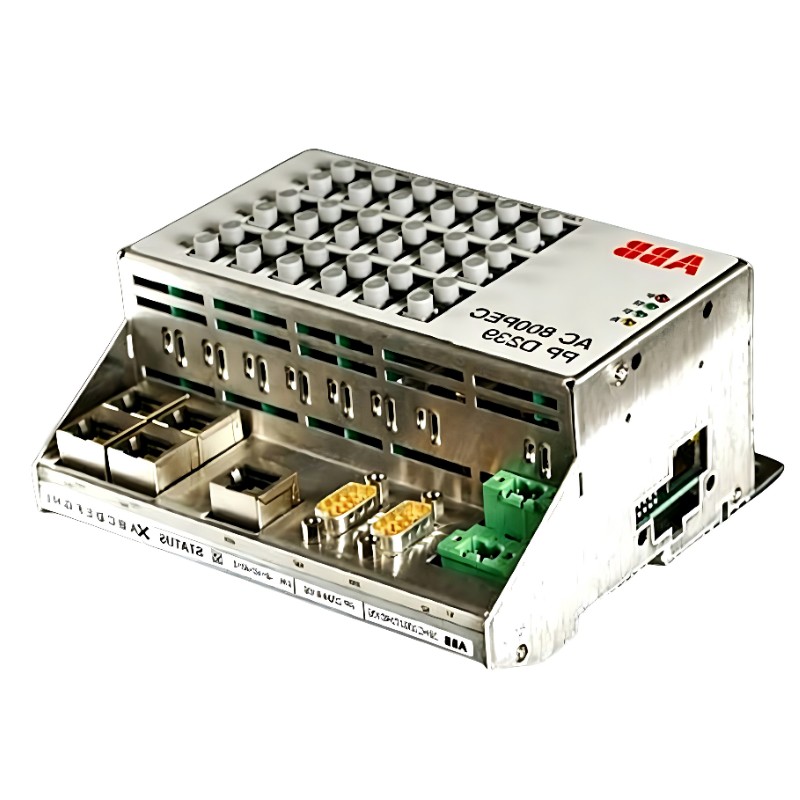
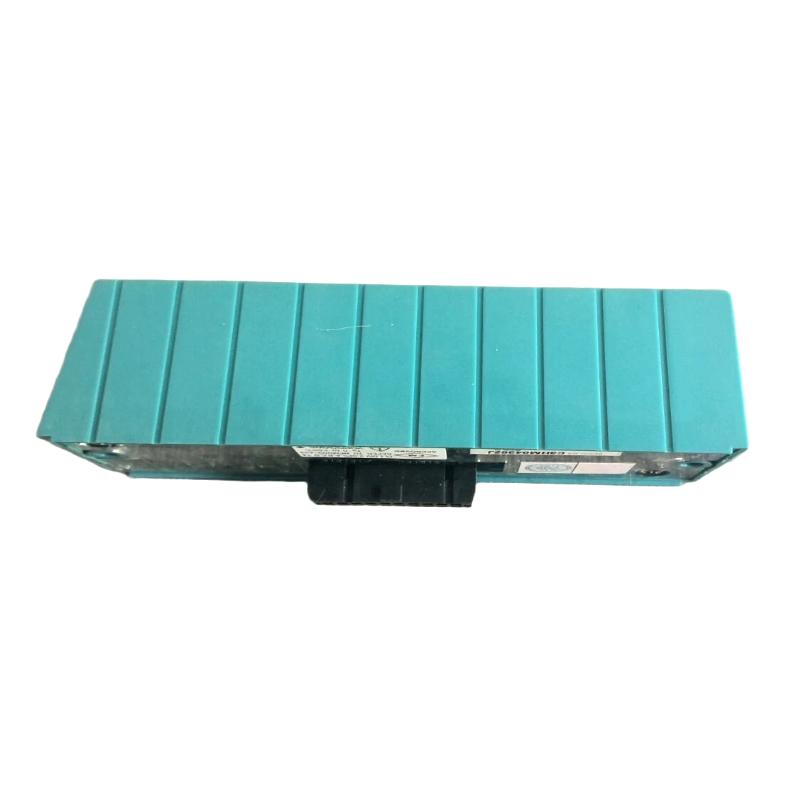
ABB PP D239 A1102 3BHE029594R1102 Power Electronic Controller
ABB PP D239 A1102 3BHE029594R1102 Power Electronic Controller
0.0
Points
Brand:ABB PLC Item No.:PP D239 A1102 Product Origin:Sweden (SE) Product Dimensions:147 x 73 x 141.5 mm Product Weight:0.98 kg Payment:T/T, Western Union, Credit Card Goods_stock:15 Shipping Port:Xiamen, China Lead Time:1-3 Days Condition:Brand New And Original Warranty:1 Year Certificate:COO
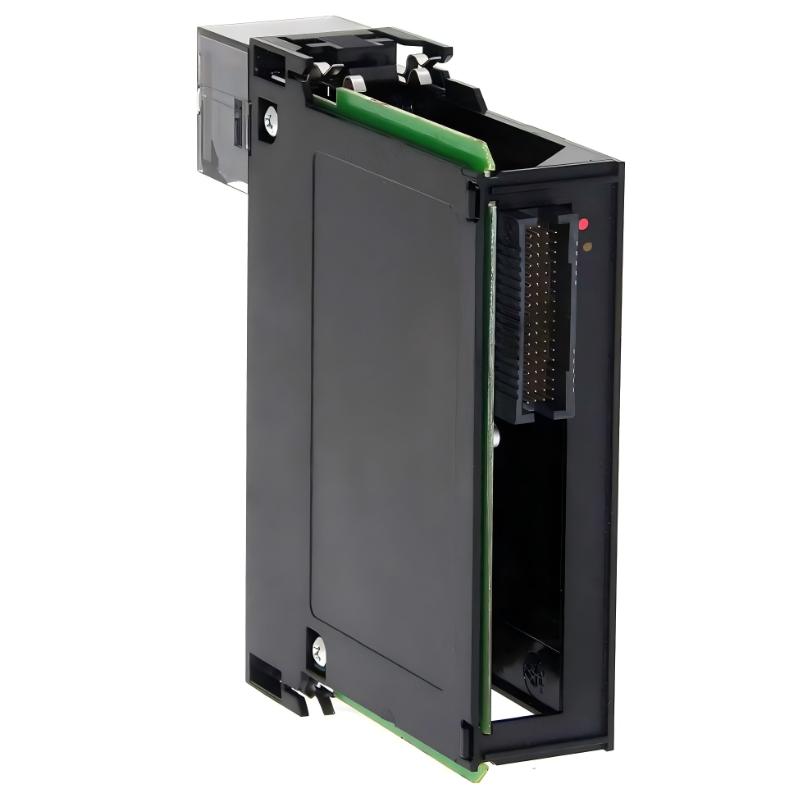
The ABB PP D239 A1102 (3BHE029594R1102) Power Electronic Controller is a high-performance industrial control module designed for precise regulation of power electronic systems. It plays a critical role in drive control and automation applications, ensuring stable operation, accurate control response, and reliable performance in demanding industrial environments.
Technical Specifications
Feature
Specification
Model
PP D239 A1102
Part Number
3BHE029594R1102
Type
Power Electronic Controller
Dimensions
147 × 73 × 141.5 mm
Weight
0.98 kg
Function
Power electronic control system
Application
Drive and motor control systems
Mounting
Panel / rack mount
Operating Environment
Industrial grade
Recommended Related Models
Model
Product Name
ABB PP D241 A1202
Advanced Power Electronic Controller
ABB PP D230 A1101
Industrial Control Power Module
ABB PP D245 A1302
High-Performance Drive Controller
ABB PP D250 A1402
Enhanced Power Regulation Controller
Popular Related Models
Model
Product Name
ABB PP D235 A1101
Standard Power Electronic Controller
ABB PP D237 A1102
Compact Drive Control Module
ABB PP D240 A1201
Industrial Automation Controller
ABB PP D248 A1502
Advanced ABB Power Control Unit
Applications
• Controls and regulates power electronic systems in industrial drive and automation environments.
• Used in motor control applications for precise speed, torque, and performance regulation.
• Supports integration within ABB drive systems for process industries such as power generation, metals, and oil & gas.
• Enables stable operation of converters and inverter-based control architectures.
• Provides reliable electronic control for high-demand industrial energy management systems.
Key Advantages
• High Control Precision: Ensures accurate regulation of power electronic switching and output behavior.
• Industrial-Grade Reliability: Designed for continuous operation in harsh and demanding environments.
• Seamless System Integration: Compatible with ABB drive and automation control platforms.
• Stable Performance: Maintains consistent control response under variable load conditions.
• Advanced Electronic Protection: Helps safeguard system components against operational stress and faults.
Technical FAQs
Q: What is the main function of the PP D239 A1102 controller?
It is used to control and manage power electronic processes in industrial drive and automation systems.
Q: Can this controller be used in motor drive systems?
Yes, it is commonly used for motor control applications requiring precise speed and torque regulation.
Q: Is it compatible with ABB drive systems?
Yes, it is designed for integration within compatible ABB drive and control architectures.
Q: Does the module support continuous industrial operation?
Yes, it is built for 24/7 operation in demanding industrial environments.
Q: How does it improve system stability?
It ensures precise control of power electronics, reducing fluctuations and improving operational stability.
Q: Does it include protection features?
Yes, it incorporates electronic protection mechanisms to safeguard system performance.
Q: Can it handle variable load conditions?
Yes, it is designed to maintain stable control under dynamic and changing loads.
Q: Is it suitable for harsh environments?
Yes, it is engineered for industrial environments with electrical noise, vibration, and temperature variations.
Q: Does it require regular firmware updates?
No, it functions as a dedicated control hardware module and does not require routine firmware updates.
Q: How does it contribute to energy efficiency?
It optimizes power electronic control, improving system efficiency and reducing energy losses.