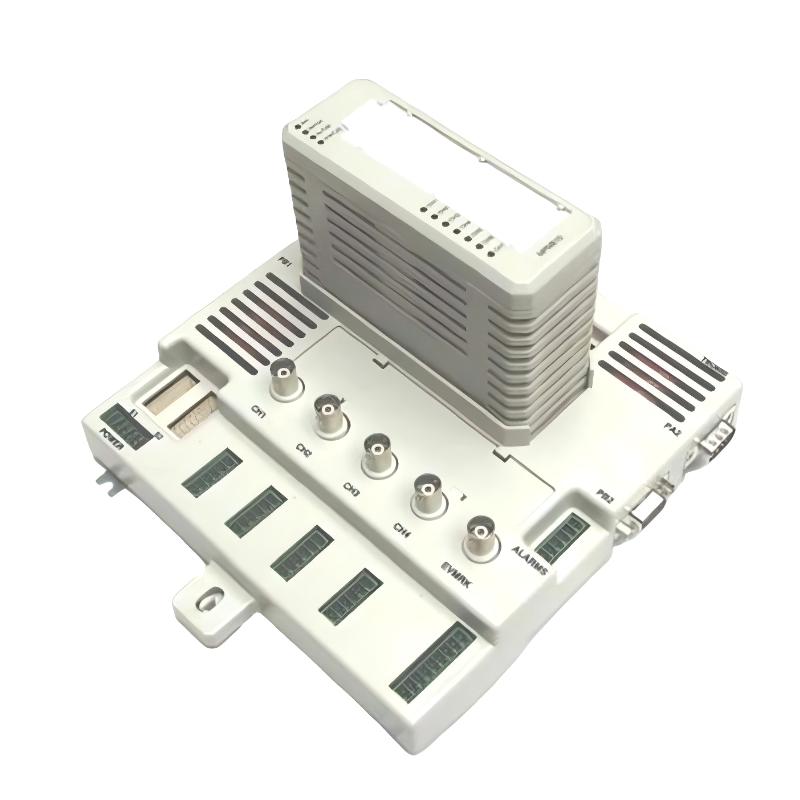
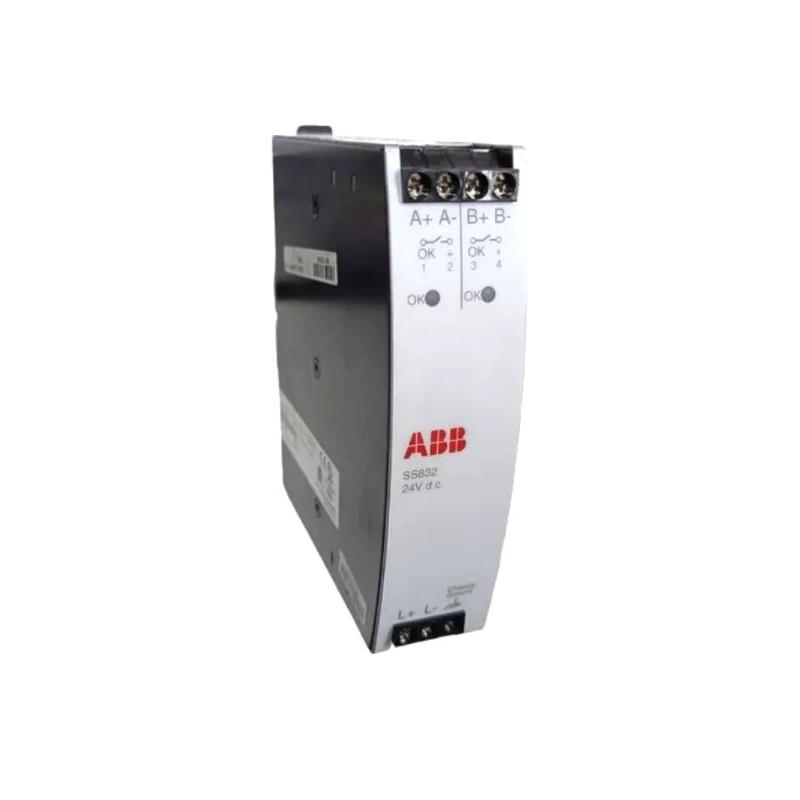
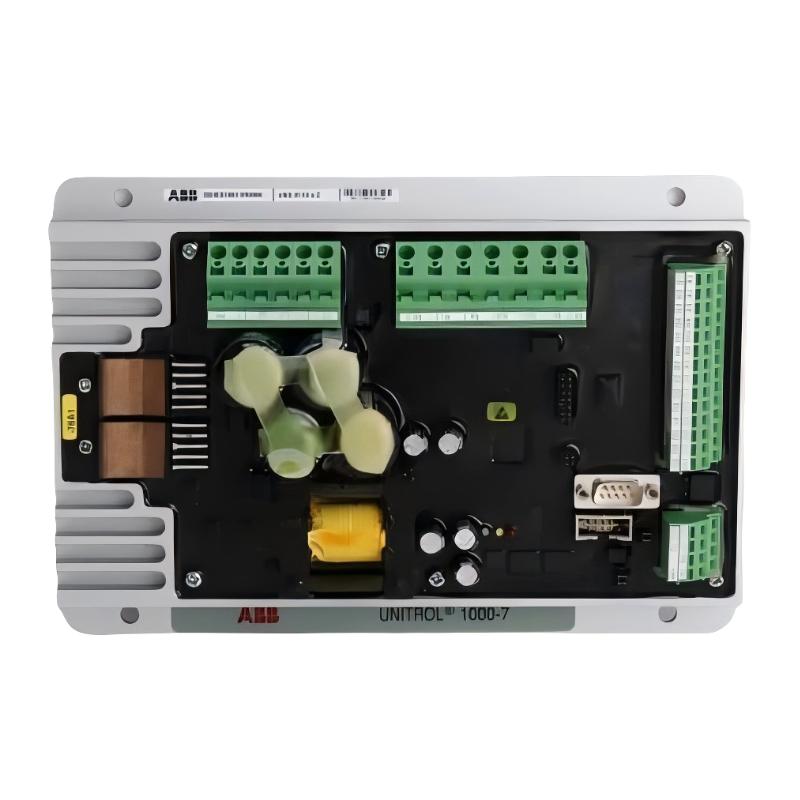
Brand:ABB PLC Item No.:1MRK002133-ABr01 Product Origin:Sweden (SE) Product Dimensions:120 x 85 x 55 mm Product Weight:0.35 kg Payment:T/T, Western Union, Credit Card Goods_stock:15 Shipping Port:Xiamen, China Lead Time:1-3 Days Condition:Brand New And Original Warranty:1 Year Certificate:COO
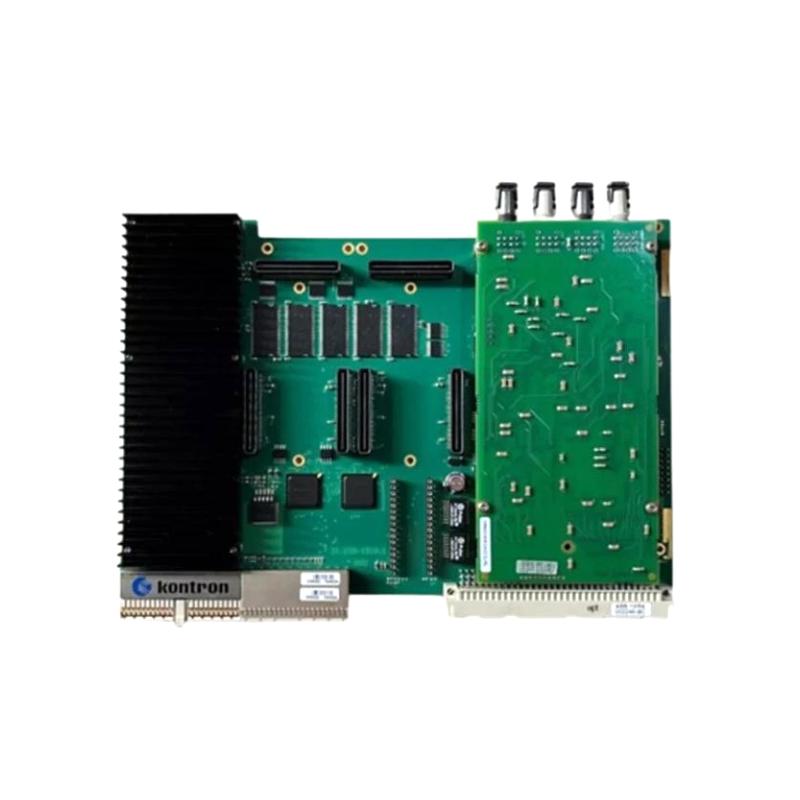
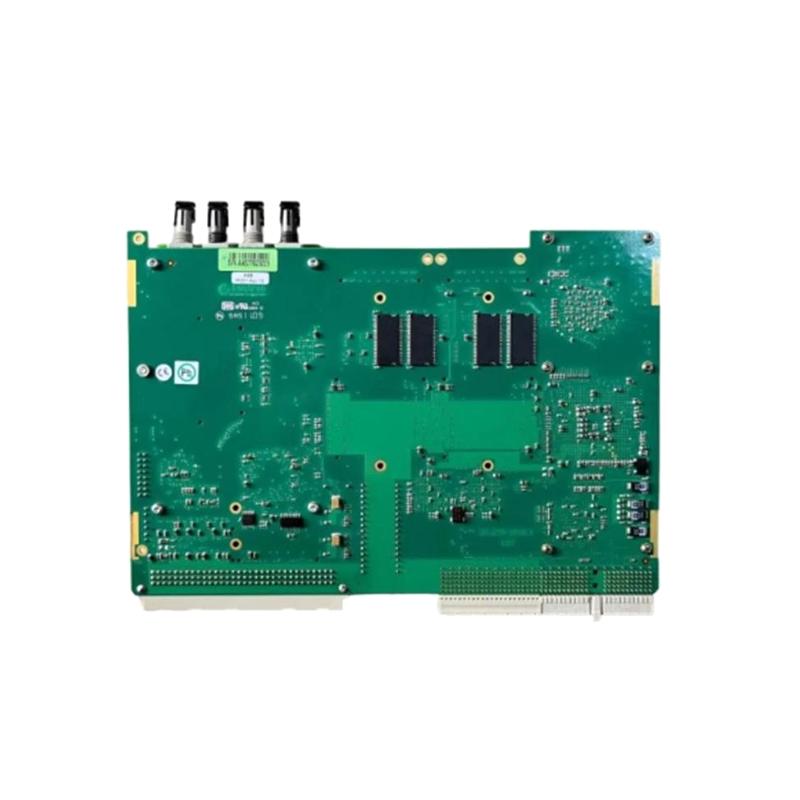
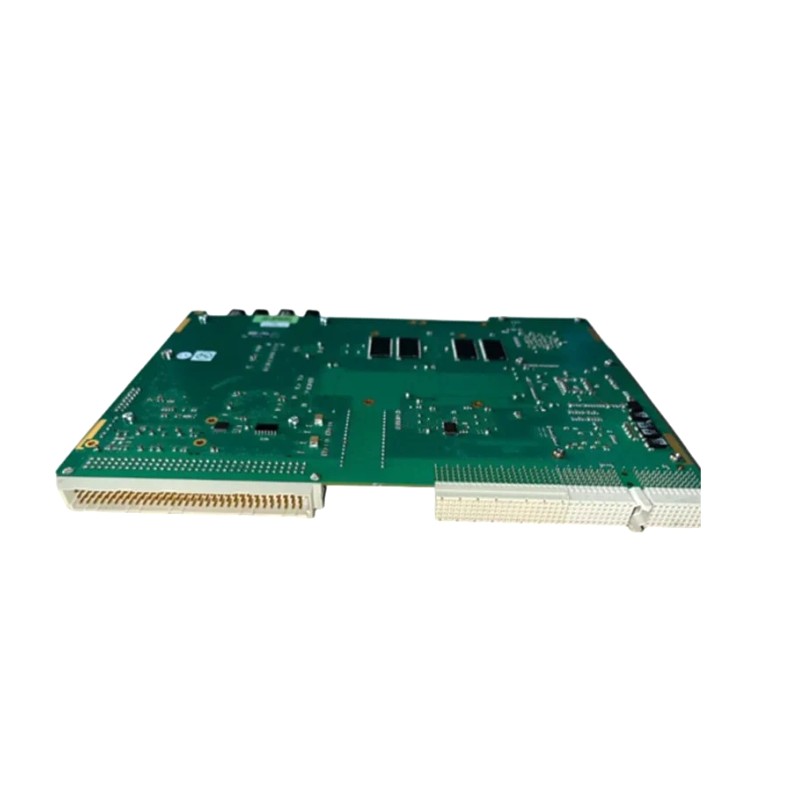
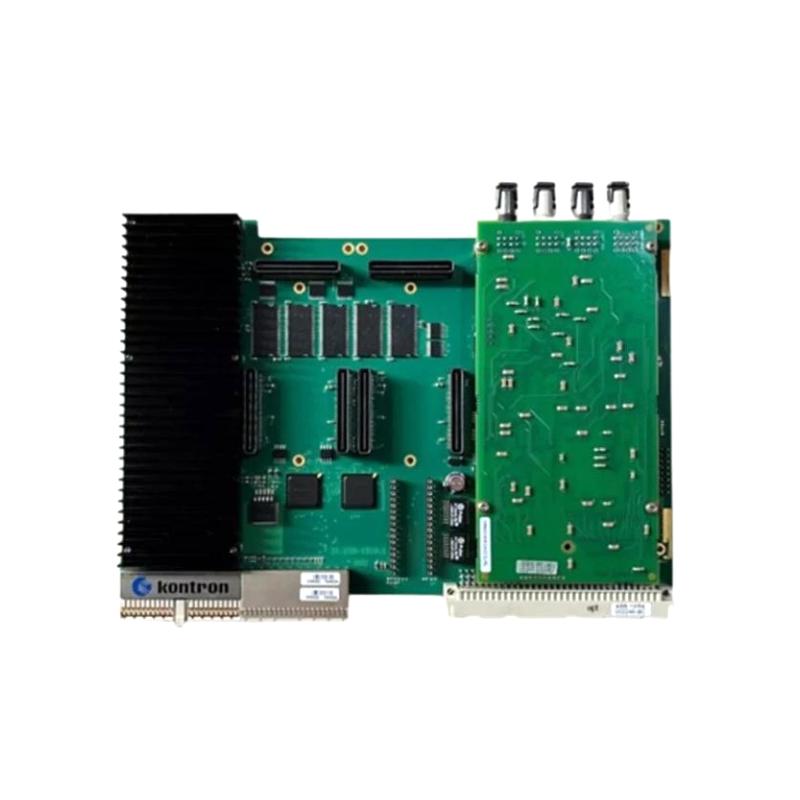
The ABB 1MRK002133-ABR01 Binary Input/Output Module is an essential component for managing binary-controlled devices in industrial automation systems. This module provides both input and output control in one compact and robust unit, reducing system complexity and saving valuable panel space. Whether in manufacturing automation, process control, or safety circuits, the ABB Binary Input/Output Module ensures reliable, efficient, and low-maintenance operation. Its energy-efficient design, coupled with broad compatibility with PLCs and SCADA systems, makes it an ideal solution for a variety of industrial applications.
Technical Specifications
Feature
Specification
Type
Binary Input/Output Module
Model
1MRK002133-ABR01
Dimensions
120 mm x 85 mm x 55 mm
Weight
0.35 kg (0.77 lb)
Input Type
Binary (On/Off)
Output Type
Binary (On/Off)
Power Supply
24V DC (typical)
Applications
Process automation, safety circuits, manufacturing automation, HVAC
Mounting
DIN Rail
Compatibility
PLCs, SCADA, DCS systems
Environmental Resistance
Resistant to electrical noise and mechanical stress
Power Consumption
Low power consumption for energy efficiency
Temperature Range
Industrial temperature range
Maintenance
Low maintenance requirements for long-term reliability
Applications
The ABB 1MRK002133-ABR01 Binary Input/Output Module is designed to provide essential binary signal control within industrial automation systems. This module allows seamless interaction between control systems and binary devices such as sensors, switches, actuators, relays, and solenoids. It is commonly used in applications where precise on/off control is required, such as process automation, safety-critical circuits, HVAC systems, and manufacturing automation. By handling both binary input and output functions, it simplifies system design and provides a space-efficient solution for managing industrial control devices.
Advantages
Dual Input and Output Control: This module combines both binary input and output functions in a single unit, saving space and reducing wiring complexity in control systems.
Compact and Lightweight: With dimensions of 120 x 85 x 55 mm and a weight of 0.35 kg (0.77 lb), the module is compact, making it ideal for use in control panels with limited space.
Reliable Performance: The module is engineered to provide stable and reliable on/off control, ensuring smooth operation of devices such as relays, solenoids, and actuators.
Robust Industrial Design: Built to withstand harsh industrial environments, the ABB 1MRK002133-ABR01 module offers high resistance to electrical noise, temperature fluctuations, and mechanical stress.
Broad Compatibility: Fully compatible with various control systems like PLCs, SCADA, and DCS, this module can be easily integrated into existing automation networks.
Energy Efficient: The module operates with minimal power consumption, helping to reduce overall energy usage and lower operational costs.
Easy to Install: Designed for DIN rail mounting, the module simplifies installation, reducing setup time and ensuring a secure and stable connection.
Low Maintenance: The ABB Binary Input/Output Module is built for longevity and requires minimal maintenance, reducing downtime and extending the service life of the control system.
Cost-Effective: By combining both input and output control in a single module, this unit provides an affordable solution for managing binary devices in automation applications.
Versatile Usage: Suitable for a wide variety of industrial sectors, including energy management, safety systems, and factory automation, providing flexibility in diverse applications.
Technical FAQs
What is the primary function of the ABB 1MRK002133-ABR01 Binary Input/Output Module?
This module combines both binary input and output control, enabling the monitoring and switching of devices such as sensors, switches, relays, and actuators.
Where can the ABB 1MRK002133-ABR01 Binary Input/Output Module be used?
It is used in process automation, manufacturing automation, HVAC systems, and safety-critical circuits, wherever binary on/off control is required for industrial devices.
What devices can be connected to the ABB Binary Input/Output Module?
The module can connect to a wide range of binary devices, including sensors, switches (input), relays, solenoids, and actuators (output).
What is the weight of the ABB 1MRK002133-ABR01 Binary Input/Output Module?
The module weighs 0.35 kg (0.77 lb), making it lightweight and space-efficient, suitable for integration into industrial control systems.
How does the ABB 1MRK002133-ABR01 improve system efficiency?
By combining binary input and output control in a single unit, this module simplifies system design and reduces wiring complexity, improving the overall efficiency of the automation system.
How does the module perform in noisy industrial environments?
The ABB 1MRK002133-ABR01 is designed to function reliably even in environments with electrical noise, ensuring accurate signal processing and stable communication.
Can the module be integrated into existing PLC or SCADA systems?
Yes, the module is fully compatible with PLCs, SCADA, and DCS systems, allowing for easy integration into existing automation networks.
What is the expected lifespan of the ABB 1MRK002133-ABR01?
The module is designed for durability and long-term use, with a typical lifespan of 5-10 years depending on operating conditions and environmental factors.
How does the ABB Binary Input/Output Module ensure system safety?
The module ensures reliable operation in safety-critical applications by providing precise control over binary devices, which helps prevent faults and ensures system integrity.
What is the installation process for the ABB 1MRK002133-ABR01?
The module can be easily mounted on DIN rails, making installation straightforward and minimizing setup time for integration into control systems.
 Introduction