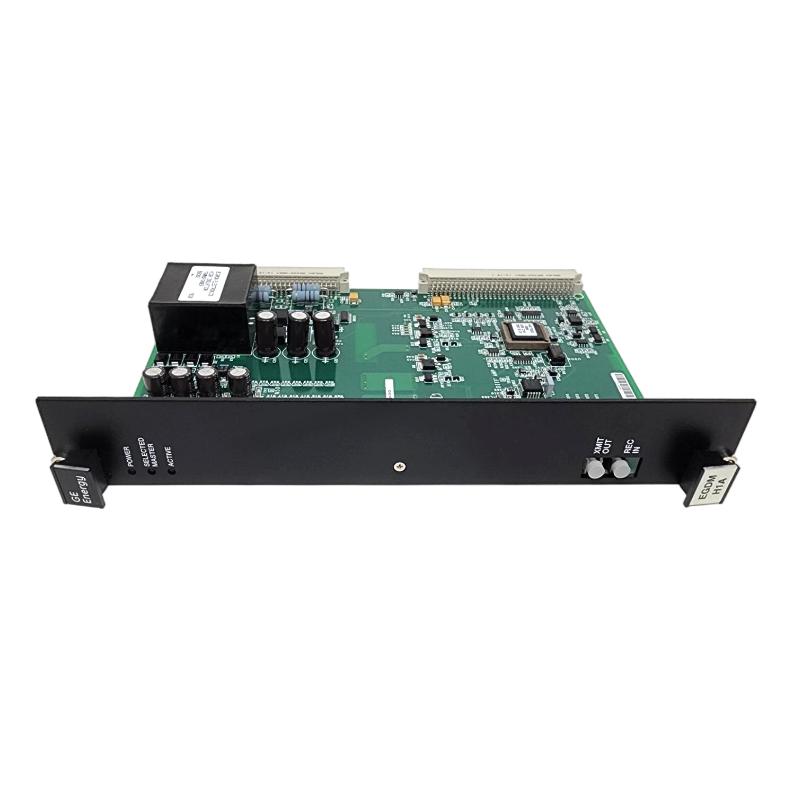
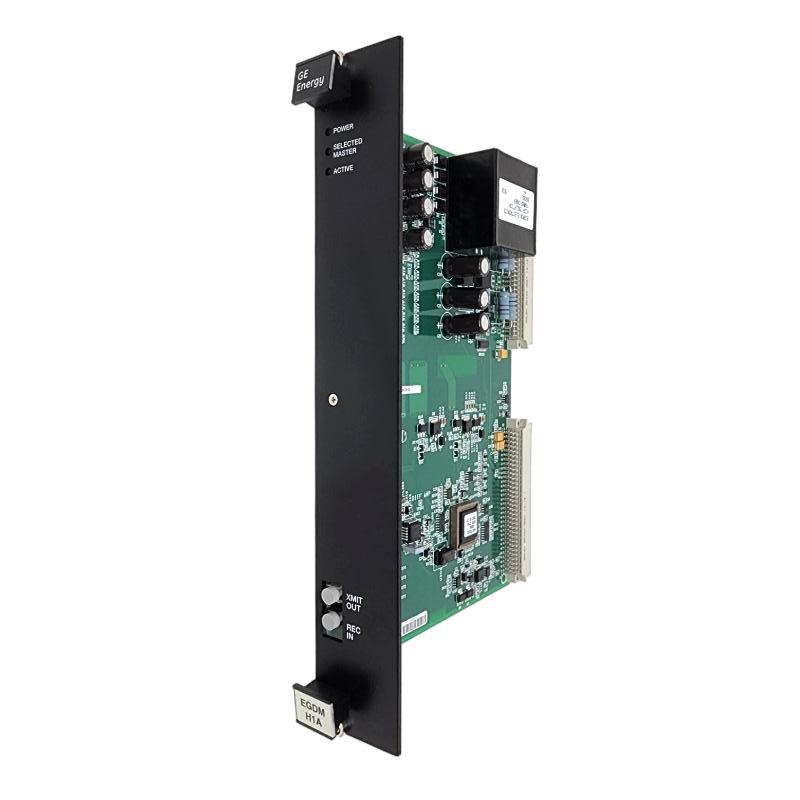
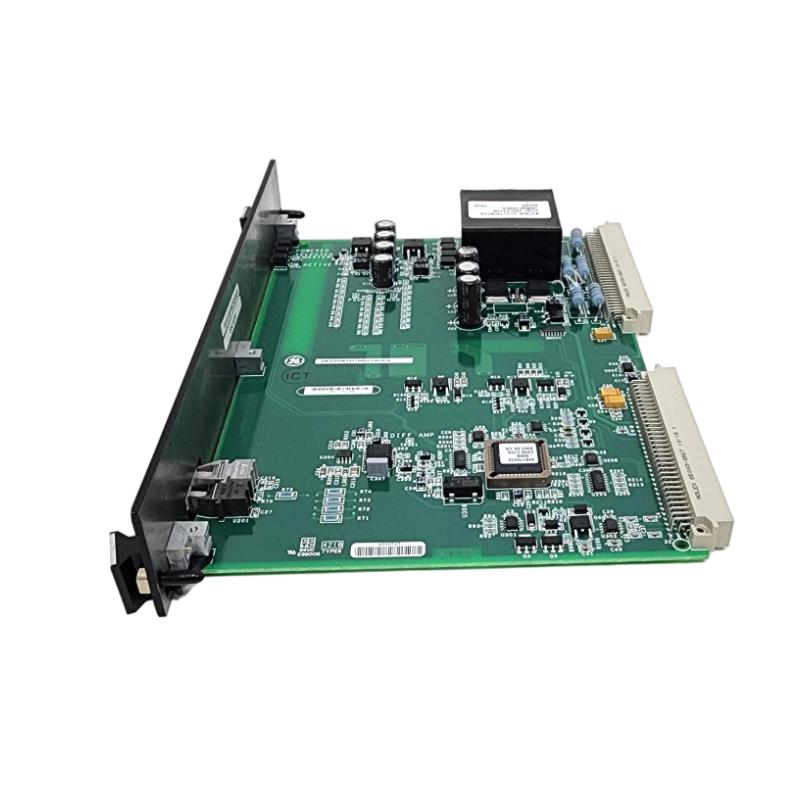
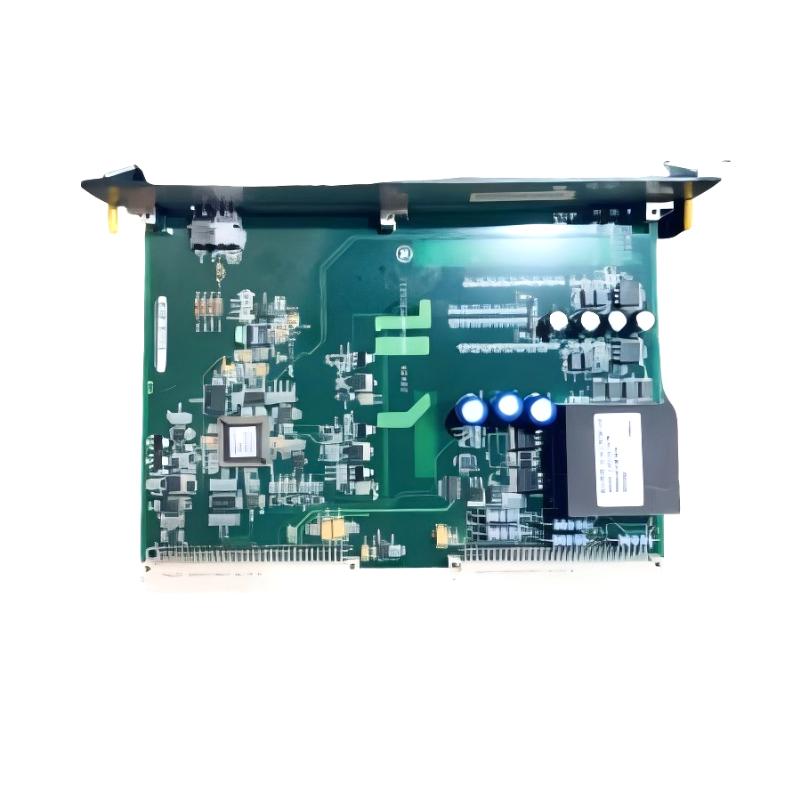
The GE IS200EGDMH1AGG is an Exciter Ground Detection Module (EGDM) used in the GE EX2100 excitation system, commonly paired with Mark VI turbine control systems.
Its primary function is to detect ground faults (insulation leakage) in the generator field circuit, providing early warning and protection for turbine generators. This helps prevent serious damage caused by insulation breakdown or unintended current paths to ground.
It is part of GE’s generator protection and excitation monitoring subsystem, not a control processor.
Technical Specifications
| Parameter | Specification |
|---|---|
| Module Type | Exciter Ground Detection Module (EGDM) |
| Series | GE EX2100 |
| Function | Field ground fault detection |
| System Role | Generator protection / monitoring |
| Input Type | Field circuit leakage sensing |
| Detection Method | Injected test signal + leakage measurement |
| Signal Processing | Analog conditioning + A/D conversion |
| Communication | Fiber-optic link to EXAM / control system |
| Installation | Exciter Power Backplane (EPBP) |
| Redundancy | 1 module (simplex) or 3 modules (TMR system) |
| PCB Protection | Conformal coating |
| Operating Temperature | -30°C to +65°C typical |
| Form Factor | Double-height, double-slot module |
Physical Characteristics
| Item | Value |
|---|---|
| Approx. Dimensions | ~18 × 12 × 6 cm |
| Weight | ~0.3–0.5 kg |
| Board Type | Industrial multilayer PCB |
System Role
The IS200EGDMH1AGG is a safety-critical monitoring module in excitation systems:
- Detects ground leakage in generator field windings
- Works with EXAM board for signal interpretation
- Sends fault data to DSP/control system via fiber optics
- Supports redundant protection architecture (TMR systems use multiple modules)
- Helps prevent generator insulation failure and trip events
How It Works (Simplified)
- A controlled test signal is injected into the generator field circuit
- The module measures leakage current to ground
- Signal conditioning circuits analyze the response
- Data is converted and sent via fiber optic link
- If leakage exceeds threshold → alarm or trip is triggered