GE Fanuc PLC

  1. Home
  2. Products
  3. GE Fanuc PLC
  4. GE IS200TBAIH1CCC Analog Input Terminal Board
GE IS200TBAIH1CCC Analog Input Terminal Board

GE IS200TBAIH1CCC Analog Input Terminal Board

0.0
Points

Brand:GE Fanuc PLC
Item No.:GE IS200TBAIH1CCC
Product Origin:USA
Product Dimensions:263 × 138 × 88 mm
Product Weight:2.35 kg
Payment:T/T, Western Union, Credit Card
Goods_stock:15
Shipping Port:Xiamen, China
Lead Time:1-3 Days
Condition:Brand New And Original
Warranty:1 Year
Certificate:COO

Add to cart

IS200TBAIH1CCC-4IS200TBAIH1CCC-5IS200TBAIH1CCC-3IS200TBAIH1CCC-5

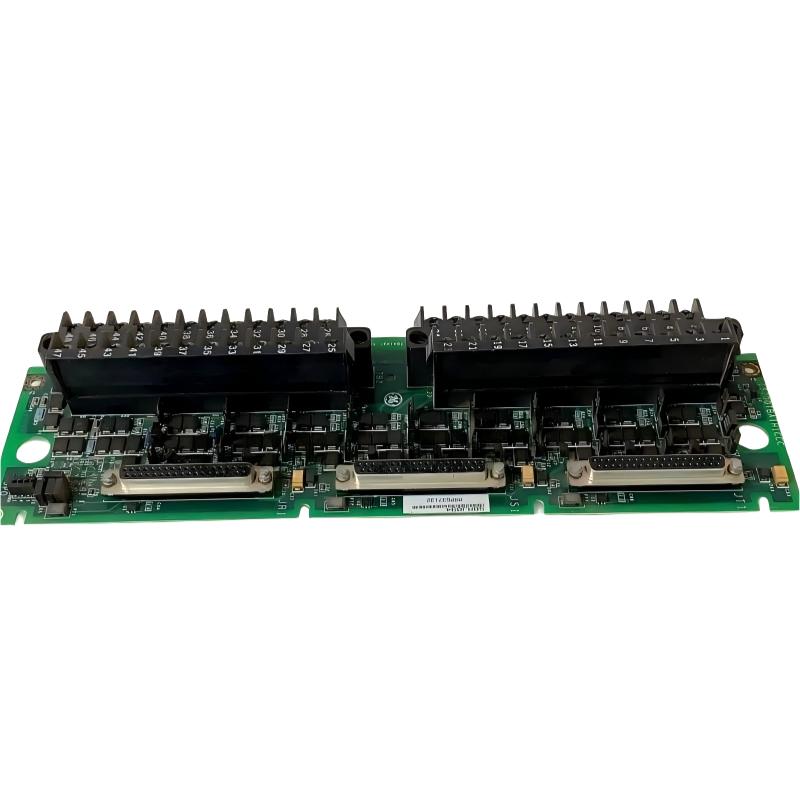
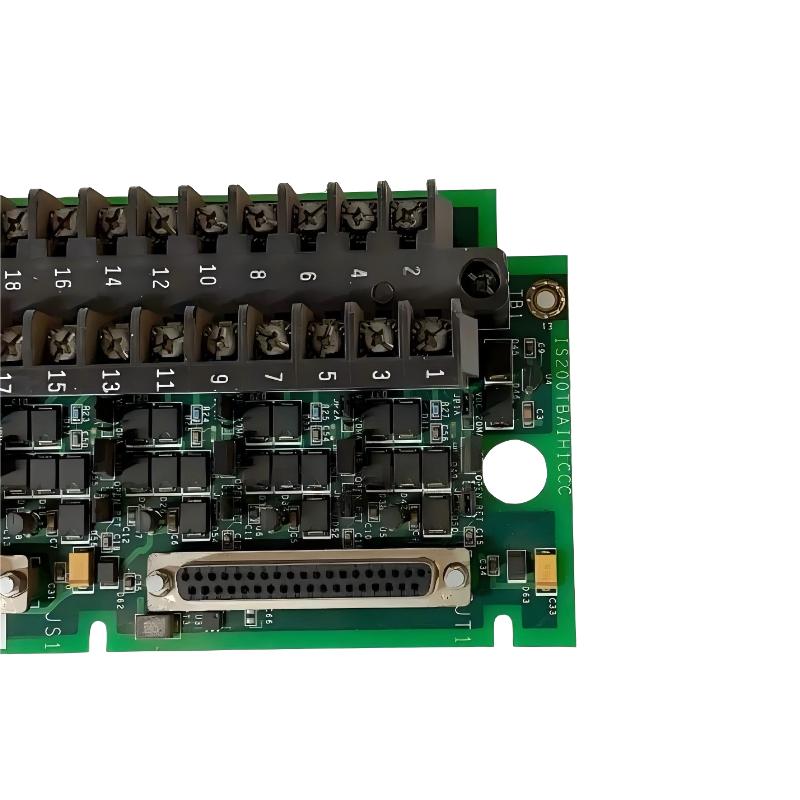
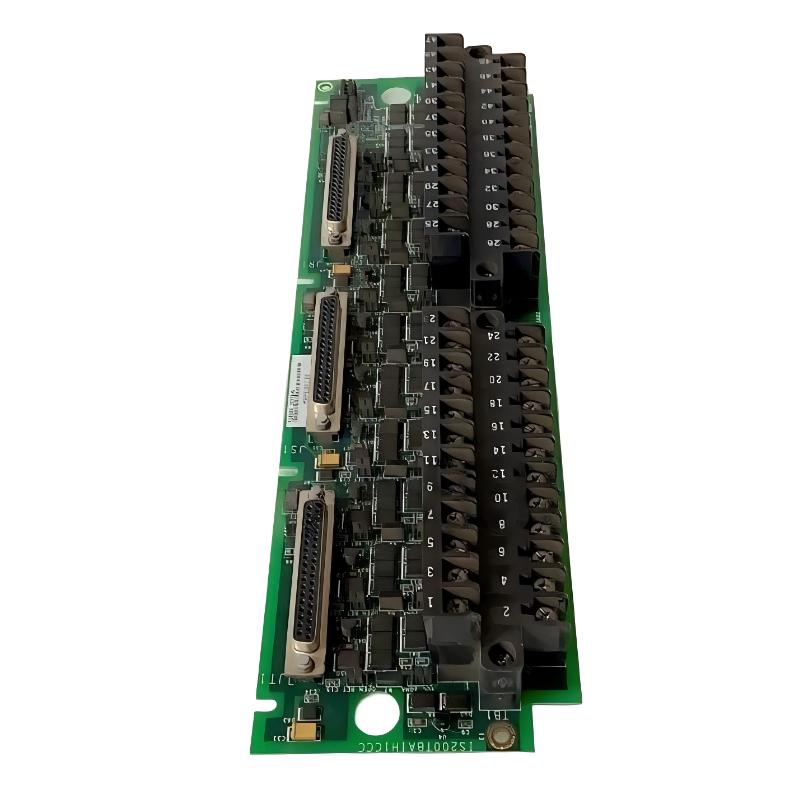
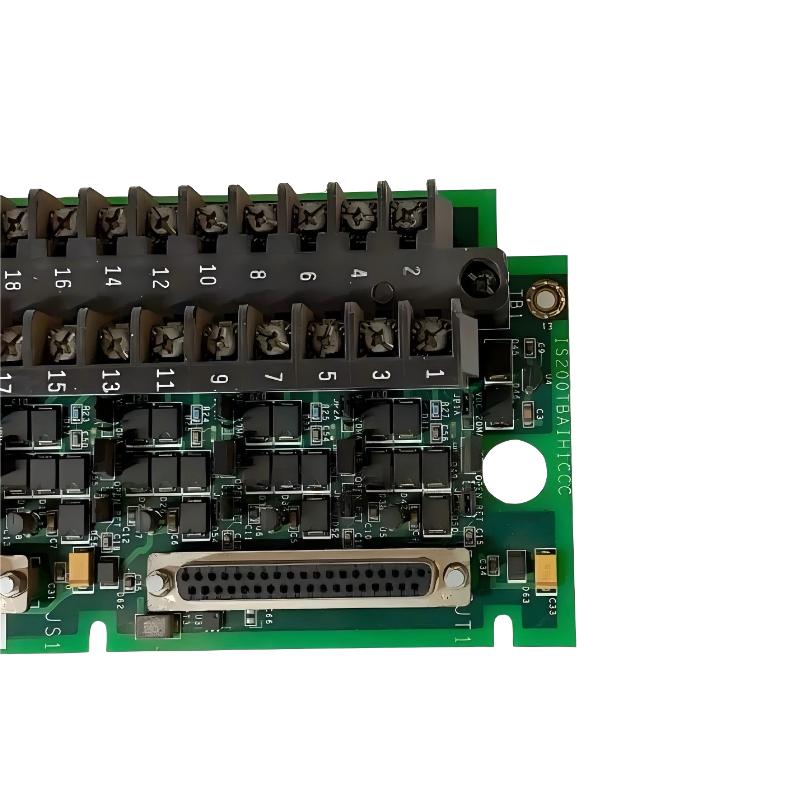
The GE IS200TBAIH1CCC Analog Input Terminal Board is a precision-engineered interface module designed for the Mark VIe control system. It plays a critical role in converting and transmitting analog field signals into the control architecture, ensuring accurate data acquisition and stable system performance.

Built for demanding industrial environments such as turbine control and process automation, this module delivers reliable signal conditioning with strong noise immunity. Its flexible configuration options and compatibility with multiple transmitter types make it a trusted choice for engineers seeking both performance and adaptability.


Technical Specifications

ParameterDetails
ManufacturerGE (General Electric)
ModelIS200TBAIH1CCC
SeriesMark VI / Mark VIe
Module TypeAnalog Input Terminal Board
Analog Inputs10 Channels
Analog Outputs2 Channels
Input Signal Range±5V to ±10V DC / 4–20 mA
Output Signal0–20 mA / 0–200 mA
Power Consumption< 31 W
Connectors3 × DC-37 Pin
Wiring CapacityUp to #12 AWG
Operating Temperature30°C to 65°C
DimensionsApprox. 263 × 138 × 88 mm
WeightApprox. 0.5 – 2.35 kg (varies by packaging)
MountingPanel / Terminal Block Installation

Suggested Complementary Modules

To achieve optimal system functionality, the following modules are frequently used alongside the IS200TBAIH1CCC:

  • IS200VAICH1C Analog Input Board
  • IS200TBCIH1C Contact Input Terminal Board
  • IS200TBAOH1C Analog Output Terminal Board
  • IS200VTURH1C Turbine Control Module

These modules enhance system scalability and enable seamless signal processing across complex control architectures.


Commonly Deployed GE Models

Engineers working with Mark VIe systems often consider these related models:

  • IS200VAICH1D Analog Input Board
  • IS200TBCIH2C Discrete Input Module
  • IS200TTURH1C Turbine Controller
  • DS200TBCAG1A Terminal Board
  • IS215UCVEM06A Controller Module

Each model serves a specialized function, allowing tailored system configurations for different industrial requirements.
Industrial Applications

The IS200TBAIH1CCC is widely implemented in:

  • Gas and steam turbine control systems
  • Power generation plants
  • Oil & gas processing facilities
  • Heavy industrial automation
  • Distributed control systems (DCS)
  • Energy and utility monitoring systems

Its precise analog signal handling ensures reliable feedback for critical control loops.


Key Benefits & Value Proposition

  • High-accuracy analog signal acquisition
  • Flexible configuration for voltage and current inputs
  • Strong resistance to electrical noise and interference
  • Compatible with simplex and TMR redundancy systems
  • Durable construction for harsh industrial environments
  • Simplified wiring and maintenance design

This module helps reduce operational risks while improving system responsiveness and efficiency.


Technical FAQs

1. What is the primary function of IS200TBAIH1CCC?
It interfaces analog field signals with the Mark VIe control system.

2. How many input channels are available?
The module supports 10 analog input channels.

3. Can it handle both voltage and current signals?
Yes, it supports voltage (±5V/±10V) and current (4–20 mA) inputs.

4. Is this module suitable for turbine control systems?
Yes, it is commonly used in gas turbine and power generation applications.

5. What types of transmitters are compatible?
It supports two-wire, three-wire, and four-wire transmitters.

6. Does it support redundancy configurations?
Yes, it is compatible with simplex and TMR systems.

7. What connectors are used?
It uses DC-37 pin connectors for reliable signal transmission.

8. What is the typical installation method?
It is installed via terminal blocks within a control cabinet.

9. How does it handle signal noise?
It includes built-in suppression features to reduce interference.

10. What is the expected durability?
Designed for industrial environments, it offers long-term reliability with minimal maintenance.


Look forward to your comments!Comment
Latest comments
Tags:
Need Assistance? Chat with Us on WhatsApp!
Need Assistance? Click to Inquire
Back to top