GE Fanuc PLC

  1. Home
  2. Products
  3. GE Fanuc PLC
  4. GE IS200TAMBH1ACB Acoustic Monitoring Terminal Board
GE IS200TAMBH1ACB Acoustic Monitoring Terminal Board

GE IS200TAMBH1ACB Acoustic Monitoring Terminal Board

0.0
Points

Brand:GE Fanuc PLC
Item No.:GE IS200TAMBH1ACB
Product Origin:USA
Product Dimensions:38 × 32 × 4 cm
Product Weight:1.0 kg
Payment:T/T, Western Union, Credit Card
Goods_stock:15
Shipping Port:Xiamen, China
Lead Time:1-3 Days
Condition:Brand New And Original
Warranty:1 Year
Certificate:COO

Add to cart

IS200TAMBH1ACB-7IS200TAMBH1ACB-6IS200TAMBH1ACB-8IS200TAMBH1ACB-5

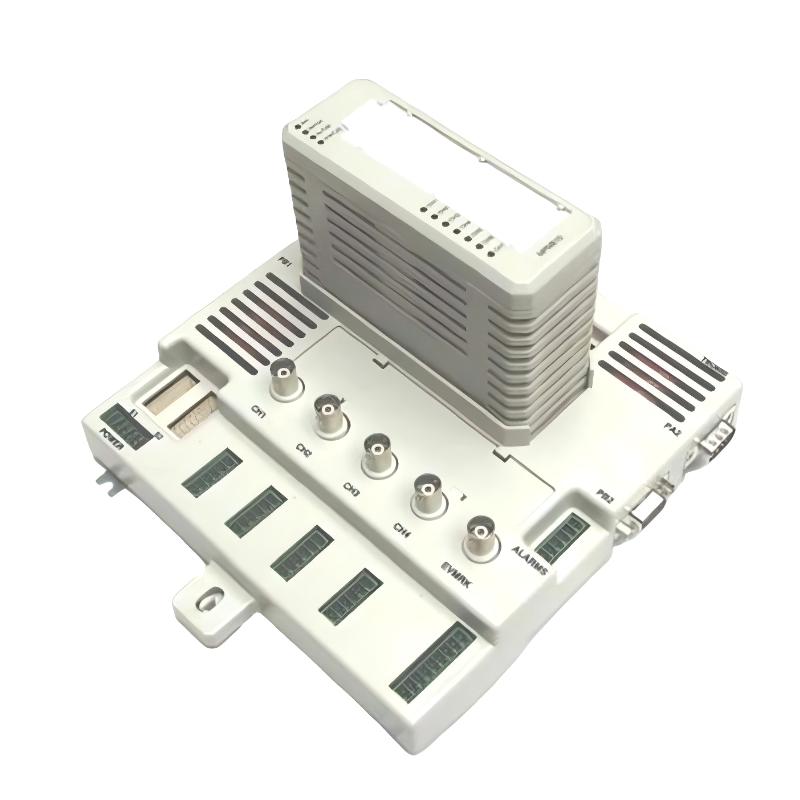
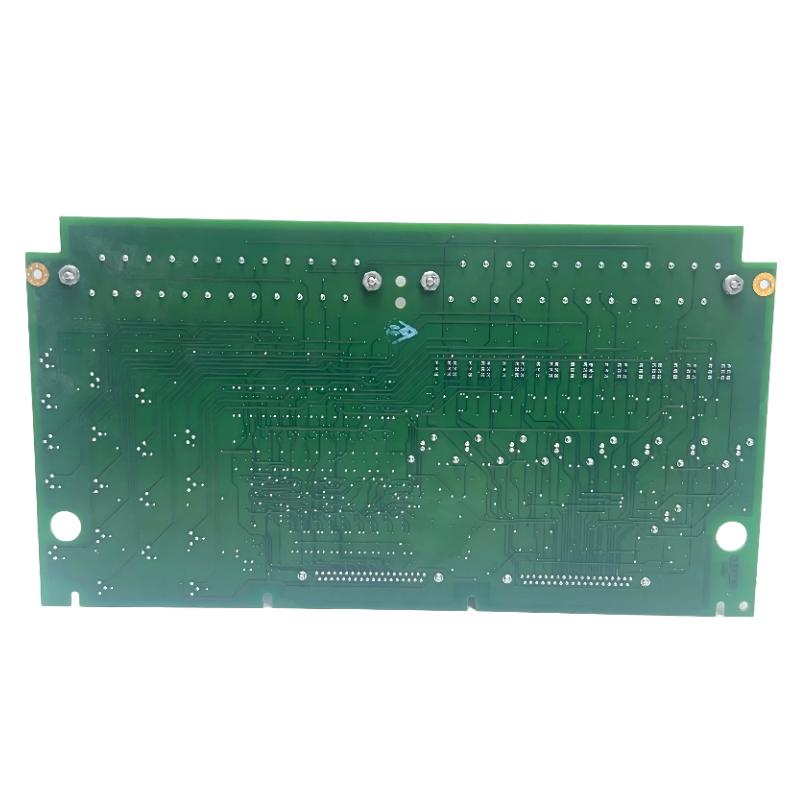
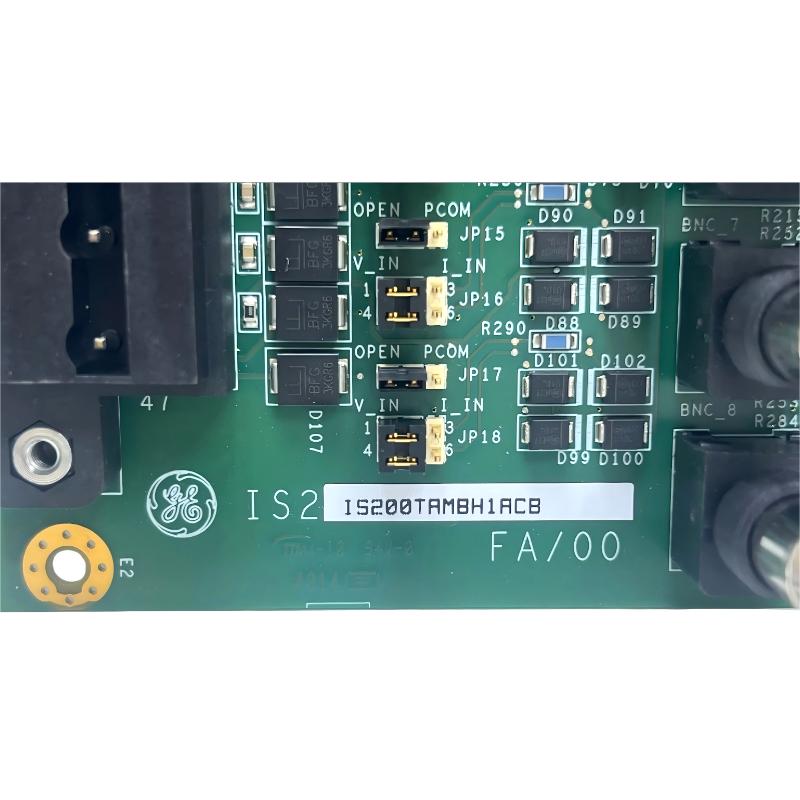
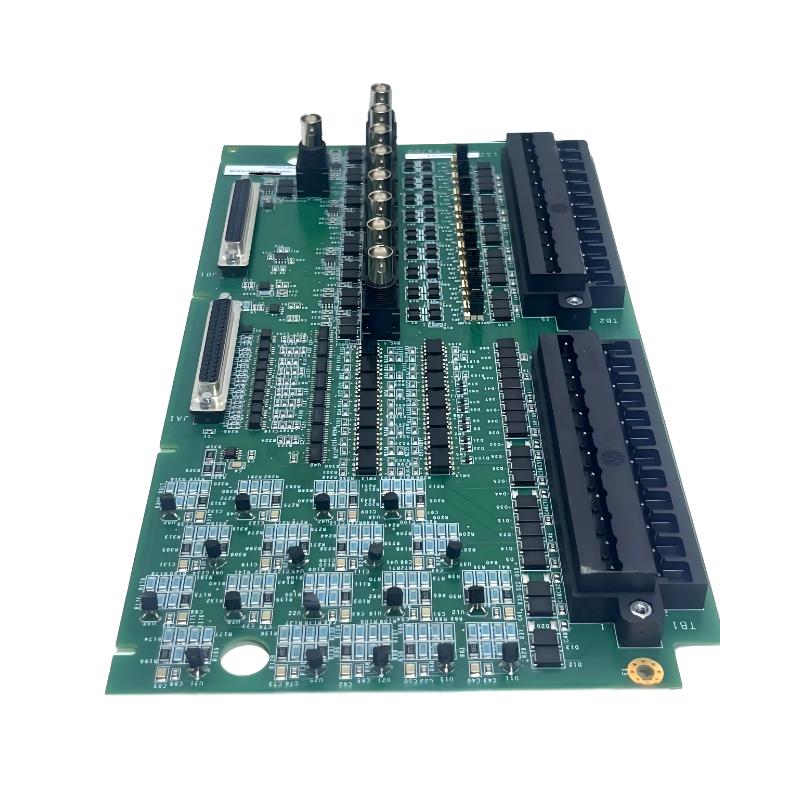
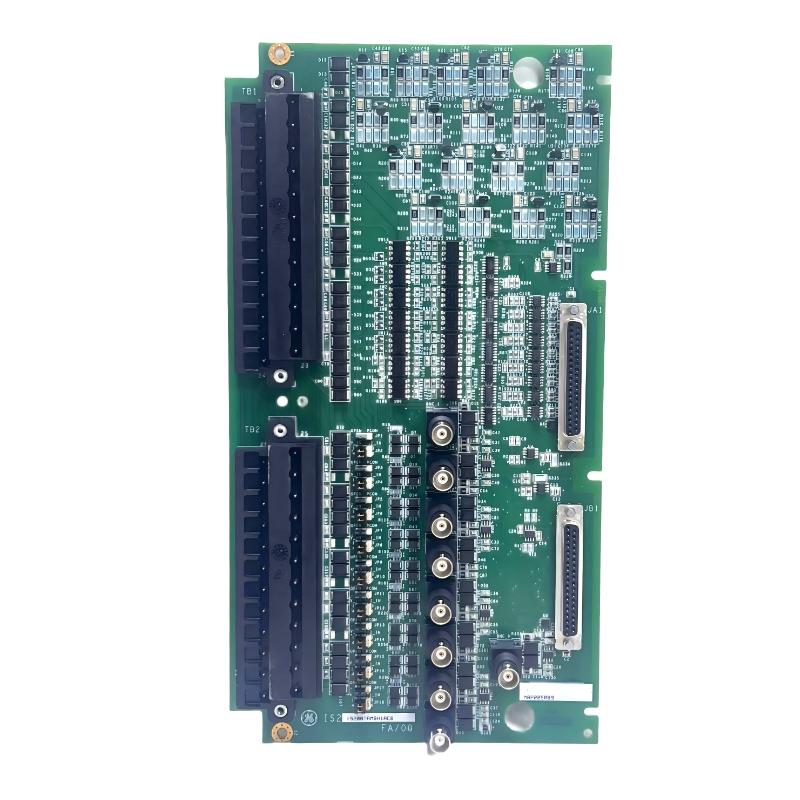
The GE IS200TAMBH1ACB is an Acoustic Monitoring Terminal Board used within the Mark VI Speedtronic control system, designed to capture, process, and manage acoustic and vibration-related signals from critical industrial machinery. It plays a vital role in condition monitoring by transforming raw acoustic inputs into actionable diagnostic data for turbines, compressors, and other rotating equipment.

Engineered for predictive maintenance environments, this module helps operators detect early-stage mechanical issues such as imbalance, cavitation, and structural resonance—long before they escalate into system failures.


Technical Specifications

ParameterDetails
ManufacturerGeneral Electric (GE)
ModelIS200TAMBH1ACB
SeriesMark VI Speedtronic
Module TypeAcoustic Monitoring Terminal Board
FunctionAcoustic/vibration signal acquisition
Monitoring ChannelsUp to 9 independent channels
Input Signal TypesAcoustic sensors, vibration transducers
Signal ProcessingOn-board conditioning & channel management
Power SupplySystem backplane supplied
Operating TemperatureIndustrial grade (approx. -30°C to +65°C)
Communication InterfaceMark VI control system integration
DimensionsApprox. 38 × 32 × 4 cm (varies by revision)
WeightApprox. 0.6–1.0 kg
MountingControl cabinet / Mark VI rack installation

The board is designed to support multi-channel acoustic diagnostics with flexible configuration options for different sensor types and monitoring strategies.


Recommended Related Modules

For a complete turbine monitoring and protection architecture, IS200TAMBH1ACB is commonly used alongside:

  • IS200VAICH1C Analog Input Board
  • IS200TVIBH2B Vibration Monitoring Board
  • IS200TBCIH1C Discrete Input Terminal Board
  • IS200TSVOH1B Servo Terminal Board

These modules collectively support sensing, control, and actuation within GE Mark VI systems.


Popular GE Mark VI System Modules

In similar industrial setups, engineers frequently work with:

  • IS200EGDMH1ACB Ground Detector Module
  • IS200TRLYH1B Relay Output Board
  • IS200TTURH1B Turbine Protection Board
  • IS215UCVEM06A Control Processor Module
  • IS200DSPXH2 Digital Signal Processor Board

Each module contributes to a layered architecture for monitoring, protection, and control.


Industrial Applications

The IS200TAMBH1ACB is widely used in mission-critical industrial environments such as:

  • Gas turbine power generation plants
  • Steam turbine systems
  • Oil & gas pipeline monitoring
  • Petrochemical processing facilities
  • Heavy rotating machinery diagnostics

Its acoustic monitoring capability enables predictive maintenance strategies that significantly reduce downtime and improve operational safety.


Key Advantages

  • Multi-channel acoustic monitoring for complex machinery
  • Early detection of mechanical faults and anomalies
  • Strong integration with Mark VI control systems
  • Flexible configuration for different sensor types
  • Supports predictive maintenance strategies
  • Industrial-grade durability for harsh environments

This module enhances operational visibility, allowing maintenance teams to move from reactive repairs to proactive asset management.


Technical FAQs

1. What is the main function of IS200TAMBH1ACB?
It collects and processes acoustic and vibration signals for turbine and industrial monitoring systems.

2. How many channels does it support?
It supports up to 9 independent monitoring channels.

3. What type of signals does it handle?
It processes acoustic sensor signals and vibration-related inputs.

4. Where is it typically used?
In GE Mark VI turbine control systems for power plants and industrial facilities.

5. What is its primary benefit?
Early detection of mechanical faults through acoustic pattern analysis.

6. Does it support predictive maintenance?
Yes, it is designed specifically for condition-based monitoring strategies.

7. What industries use this module?
Power generation, oil & gas, and heavy industrial automation sectors.

8. Is it compatible with vibration modules?
Yes, it is commonly integrated with vibration monitoring boards like TVIB modules.

9. Is it suitable for harsh environments?
Yes, it is built for industrial-grade temperature and vibration conditions.

10. Why is acoustic monitoring important?
Because it detects early mechanical degradation signals that are not visible through standard electrical monitoring.


Look forward to your comments!Comment
Latest comments
Tags:
Need Assistance? Chat with Us on WhatsApp!
Need Assistance? Click to Inquire
Back to top