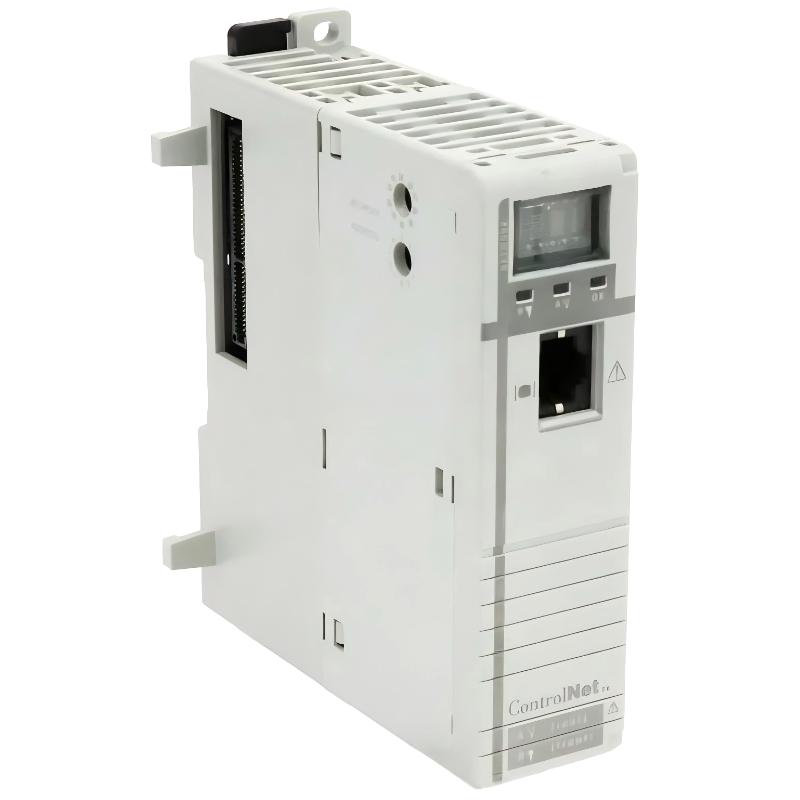
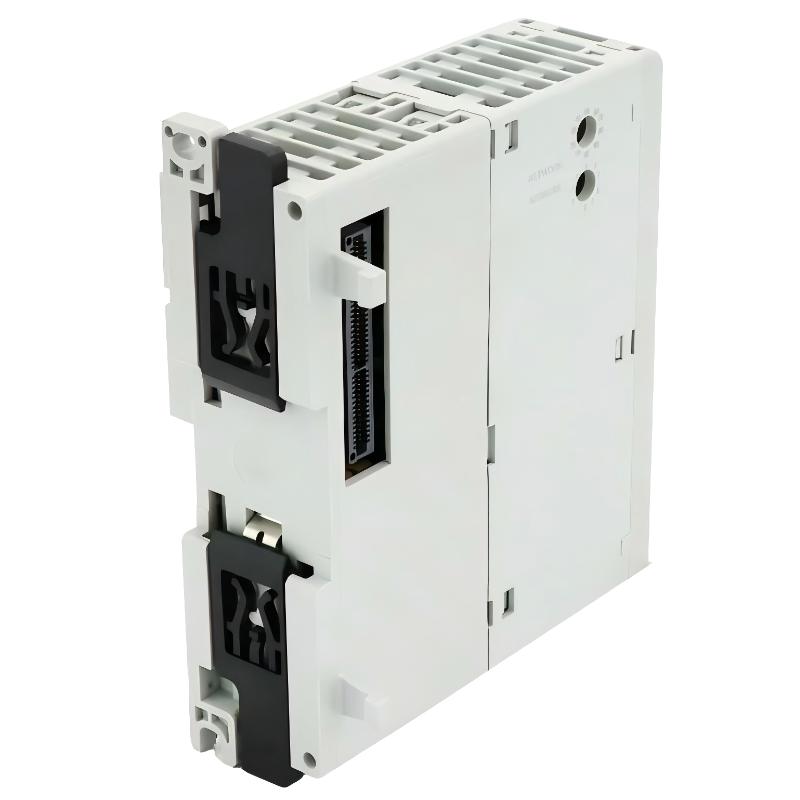
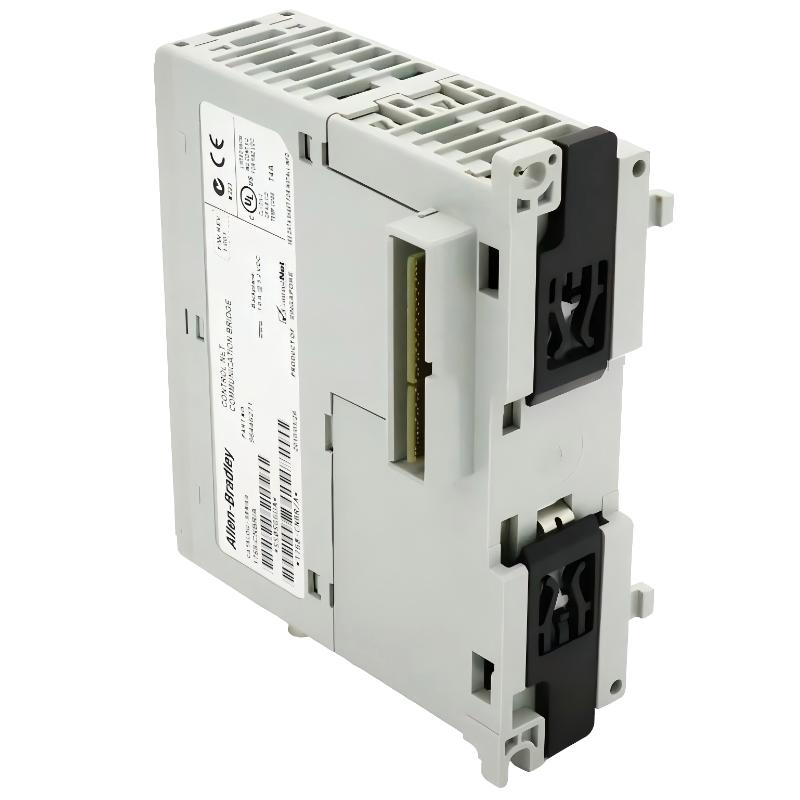
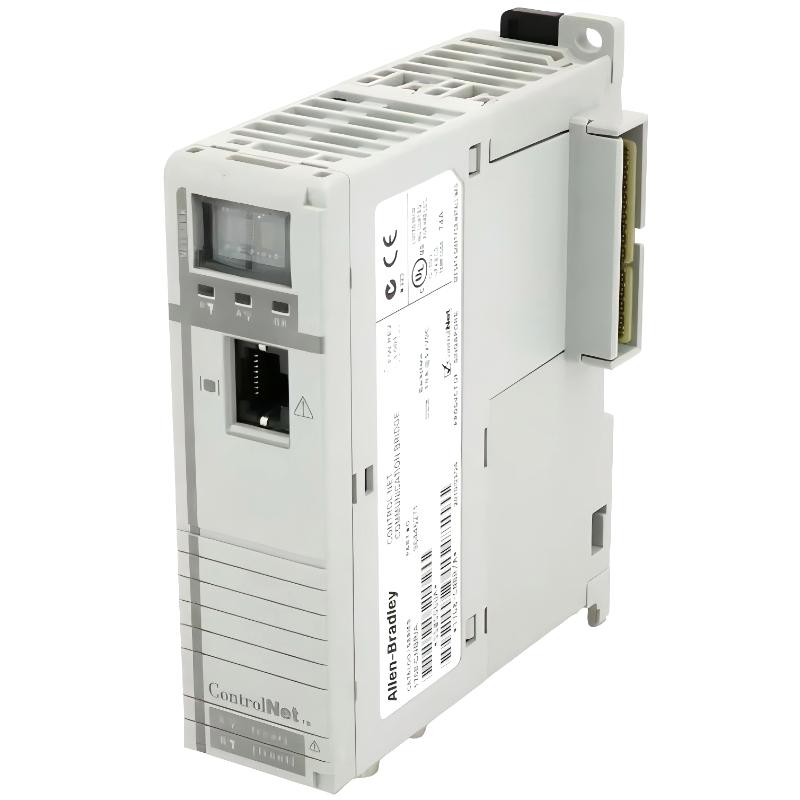
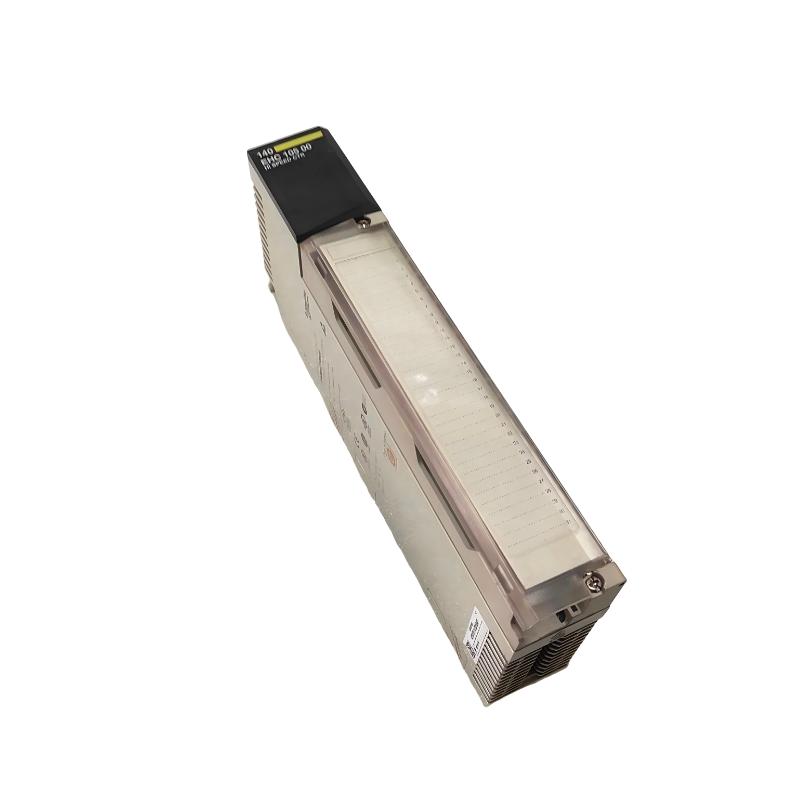
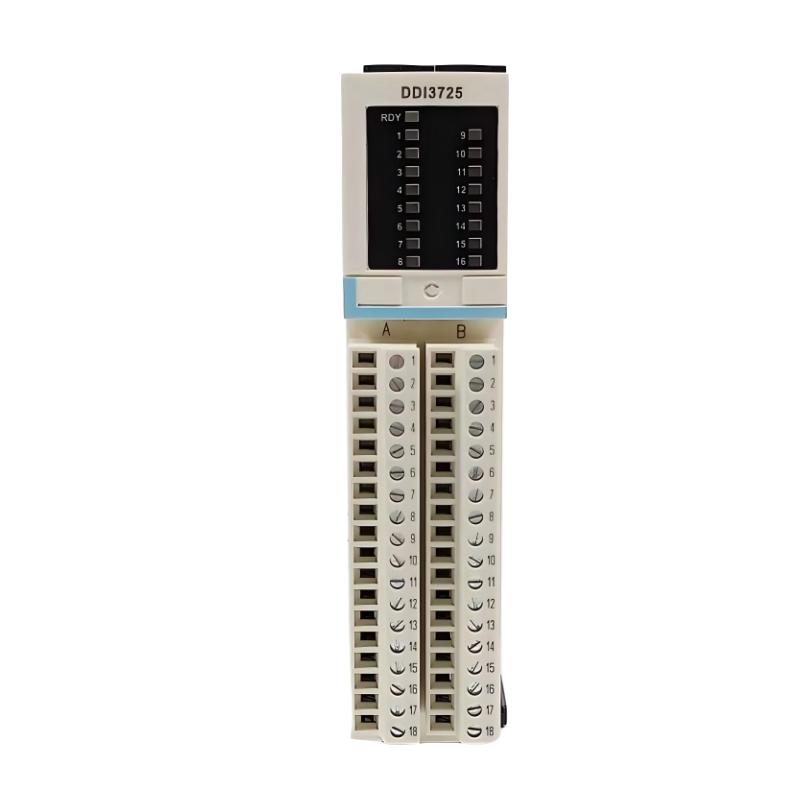
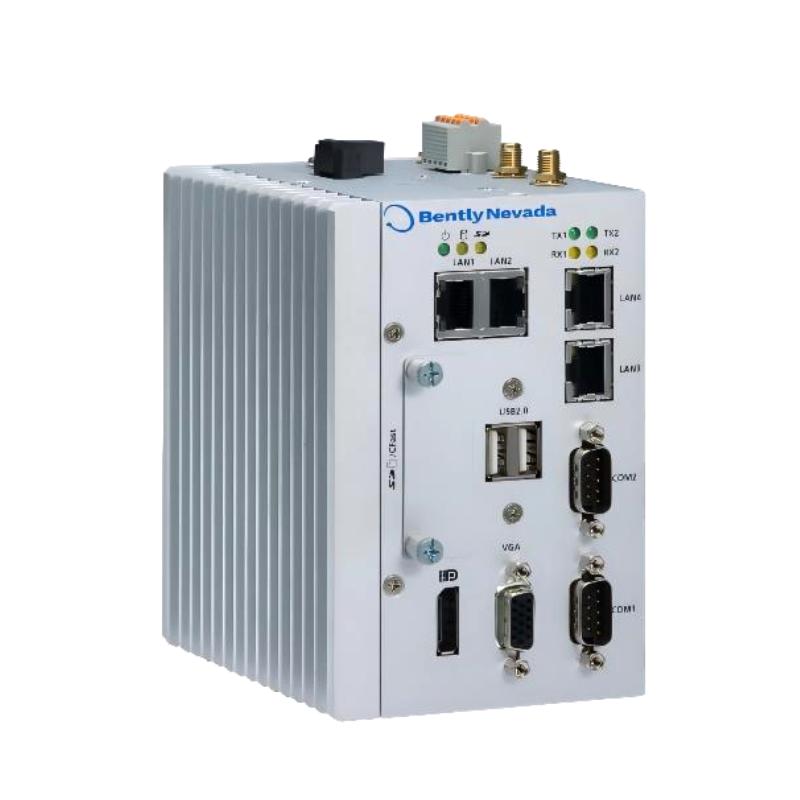
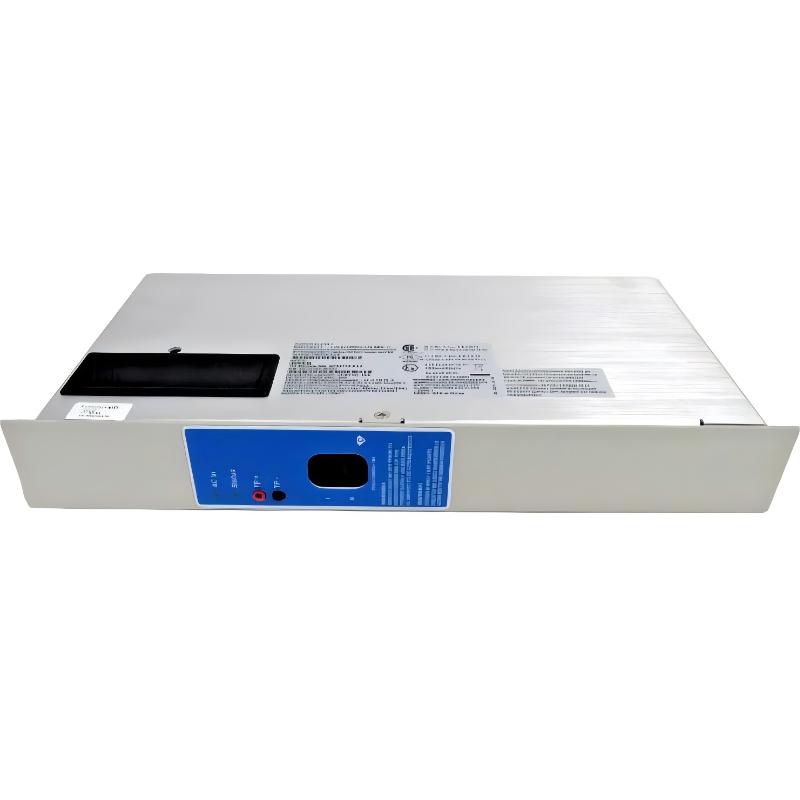
Allen Bradley 1768-CNBR ControlNet Redundant Communication Module
Allen Bradley 1768-CNBR ControlNet Redundant Communication Module
0.0
Points
Brand:Allen Bradley PLC Item No.:Allen Bradley 1768-CNBR Product Origin:USA Product Dimensions:132 × 56.7 × 105.1 mm Product Weight:0.29 kg Payment:T/T, Western Union, Credit Card Goods_stock:15 Shipping Port:Xiamen, China Lead Time:1-3 Days Condition:Brand New And Original Warranty:1 Year Certificate:COO
The Allen Bradley 1768-CNBR is a ControlNet redundant communication bridge module designed for CompactLogix L4X controller systems that require high availability, fault-tolerant networking, and deterministic real-time communication. It enables redundant ControlNet architecture, ensuring uninterrupted data exchange even in the event of a single network or module failure.
Built for mission-critical industrial automation environments, the 1768-CNBR is widely used in systems where downtime is unacceptable—such as continuous process manufacturing, high-speed production lines, and safety-sensitive distributed control systems.
Technical Specifications
Specification Item
Details
Manufacturer
Allen Bradley (Rockwell Automation)
Model Number
1768-CNBR
Product Type
ControlNet Redundant Bridge Module
Supported Platform
CompactLogix L4X Series
Network Type
ControlNet (Redundant Ring/Media Support)
Communication Speed
5 Mbps (deterministic scheduled traffic)
Redundancy Support
Yes (dual-channel redundancy architecture)
Network Interfaces
Dual ControlNet BNC ports + Network Access Port (NAP)
Popular Allen Bradley Networking & Control Products
Model
Category
1756-EN2T
Ethernet/IP communication module
1734-AENTR
POINT I/O Ethernet adapter
1769-SDN
DeviceNet scanner module
1783-US8T
Industrial Ethernet switch
1756-CN2R
ControlNet redundant bridge
5069-EN2TR
Compact 5000 Ethernet module
Industrial Applications
The 1768-CNBR is deployed in high-availability industrial systems where network redundancy and deterministic communication are critical to maintaining continuous production.
Its redundant architecture ensures that communication failures do not interrupt system operation.
Key Advantages
True Network Redundancy
Provides dual-path ControlNet communication, ensuring uninterrupted data flow even if one network segment fails.
Deterministic High-Speed Communication
Maintains scheduled, time-critical data exchange at 5 Mbps, ideal for synchronized industrial processes.
High System Availability
Designed for mission-critical environments where downtime must be minimized or eliminated.
Seamless CompactLogix Integration
Works natively with CompactLogix L4X platforms, simplifying configuration in redundant control architectures.
Industrial-Grade Reliability
Built for harsh environments with strong resistance to vibration, electrical noise, and temperature variation.
Technical FAQs
1. What is the 1768-CNBR used for?
It is used to enable redundant ControlNet communication in CompactLogix L4X industrial control systems.
2. What is the difference between CNB and CNBR?
The CNB is a standard ControlNet bridge, while the CNBR supports redundancy for higher system availability.
3. Does it improve system uptime?
Yes. It ensures communication continues even if one network path fails.
4. What communication speed does ControlNet support?
ControlNet operates at 5 Mbps with deterministic scheduled communication.
5. How many nodes can it support?
Up to 99 nodes per ControlNet network segment.
6. Is it compatible with Ethernet/IP?
No. It is specifically designed for ControlNet networks, not Ethernet/IP.
7. What systems use the 1768-CNBR?
It is used in CompactLogix L4X systems and redundant industrial control architectures.
8. Is the module still in production?
It is a mature legacy product but still widely used in existing industrial installations.
9. Why is redundancy important in ControlNet?
Because it prevents single points of failure in deterministic control networks, ensuring continuous operation.
10. Why is the 1768-CNBR still important today?
Because many industrial facilities still rely on redundant ControlNet architectures for high-availability automation systems where downtime is not acceptable.