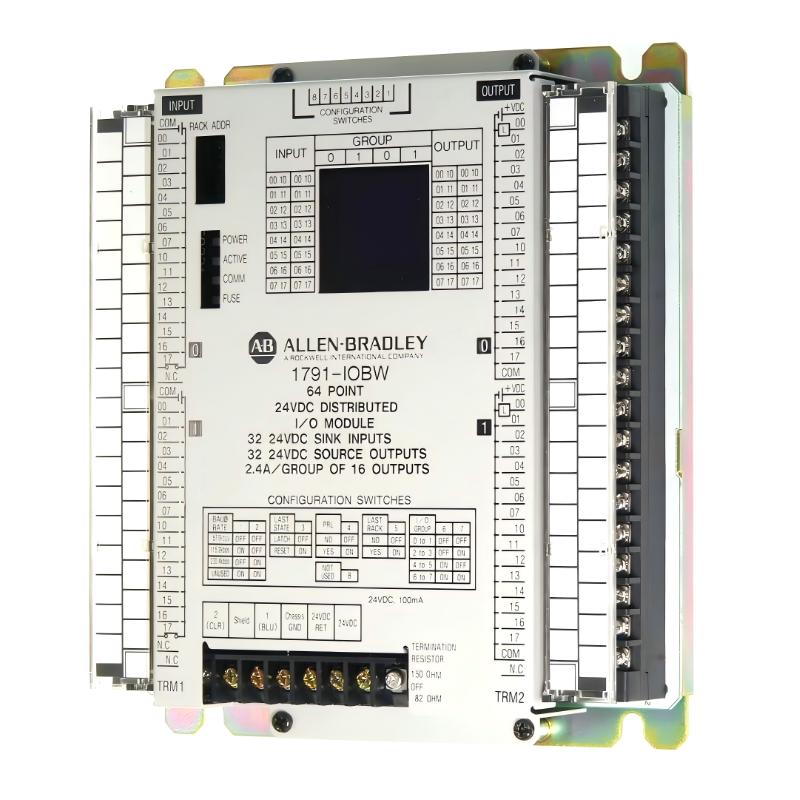
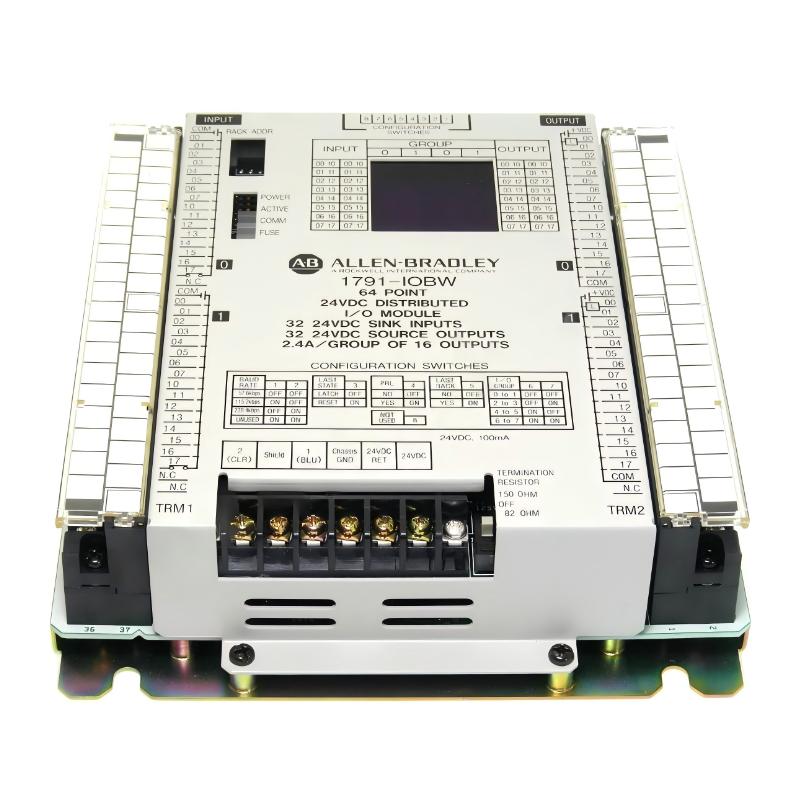
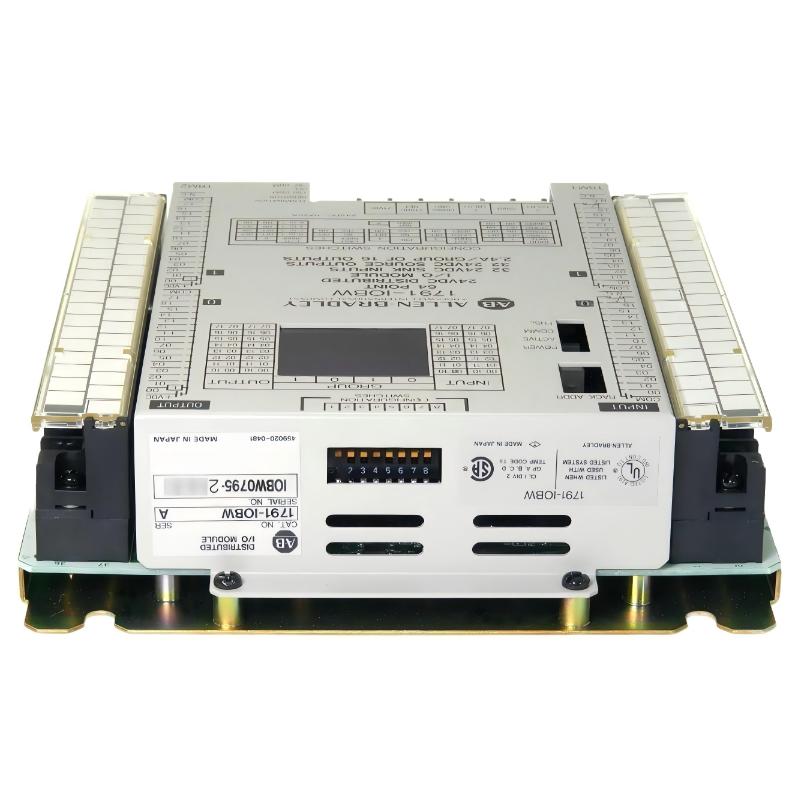
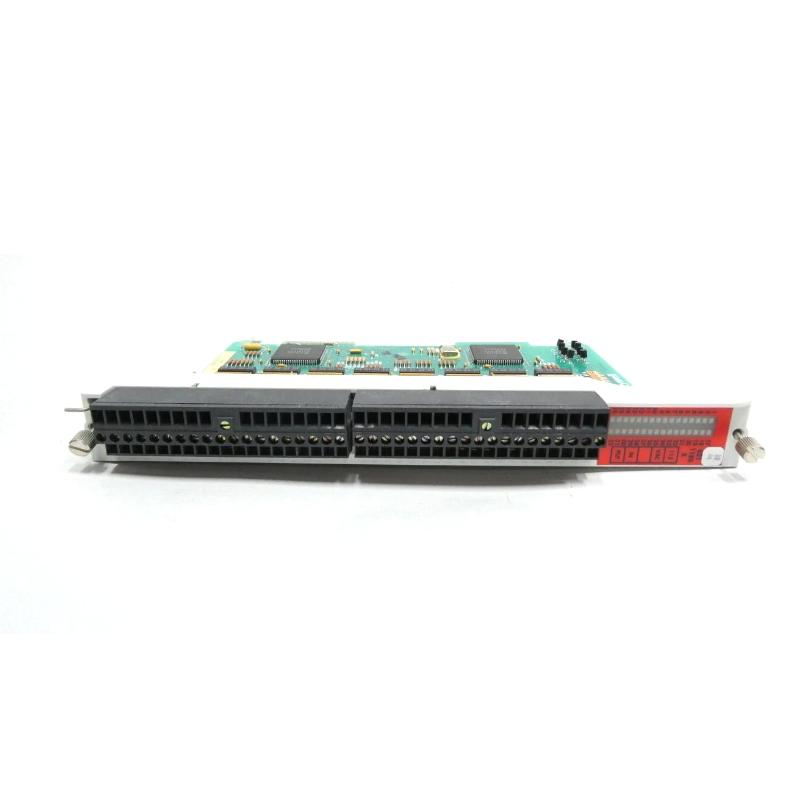
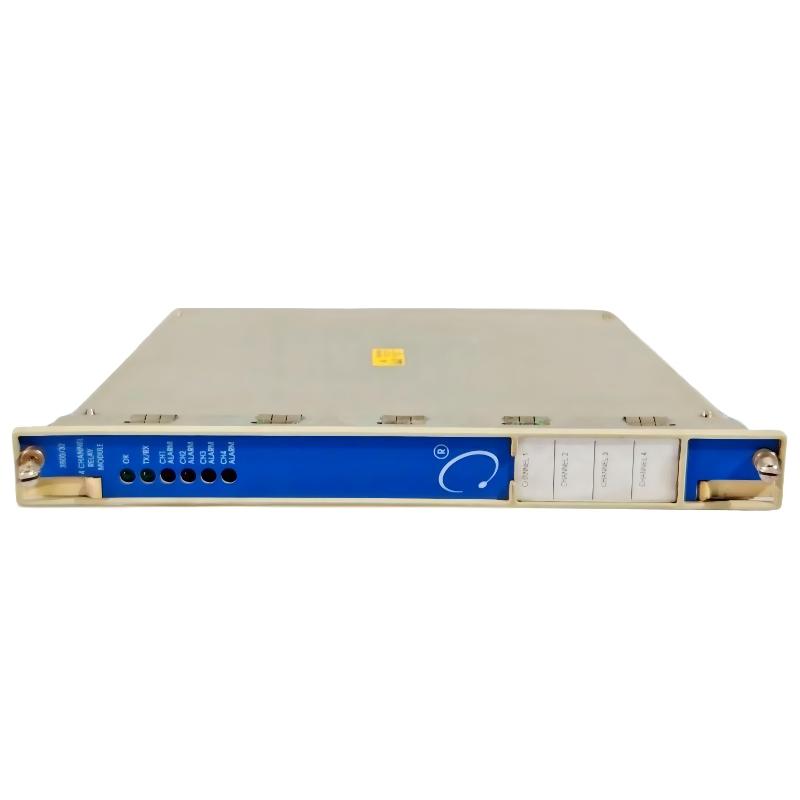
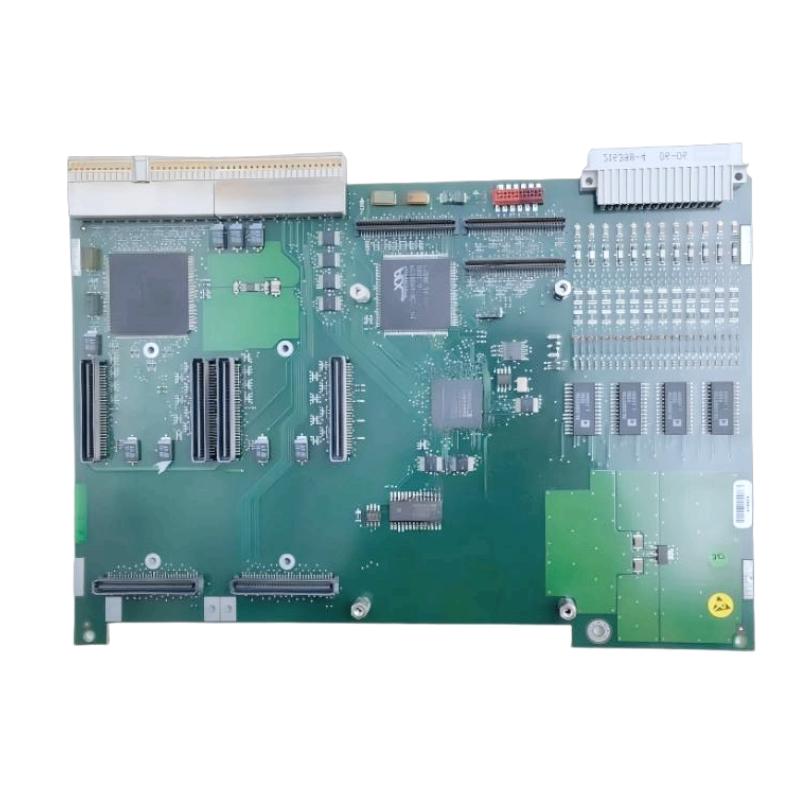
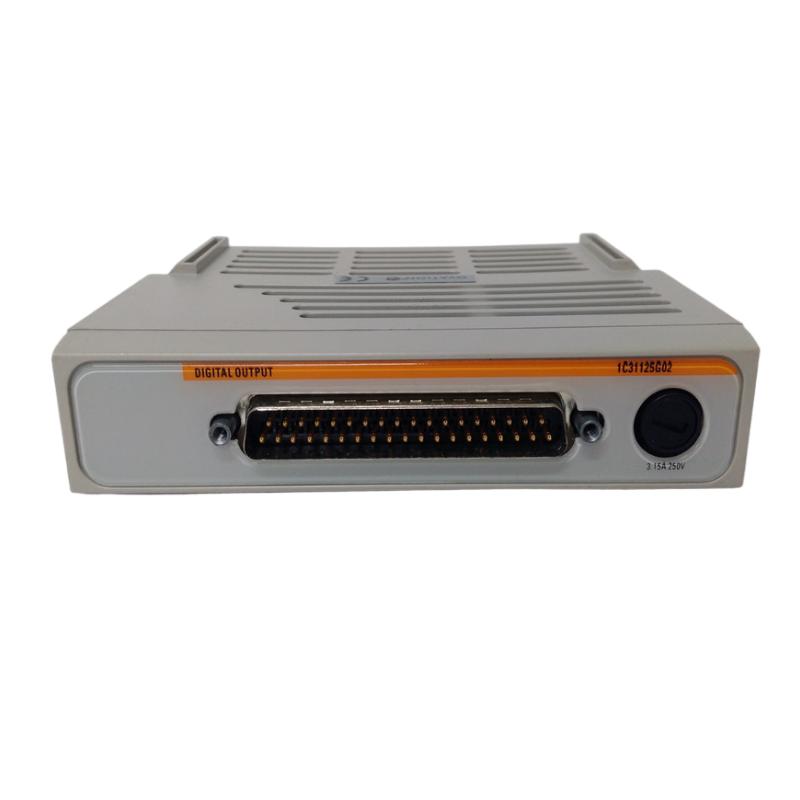
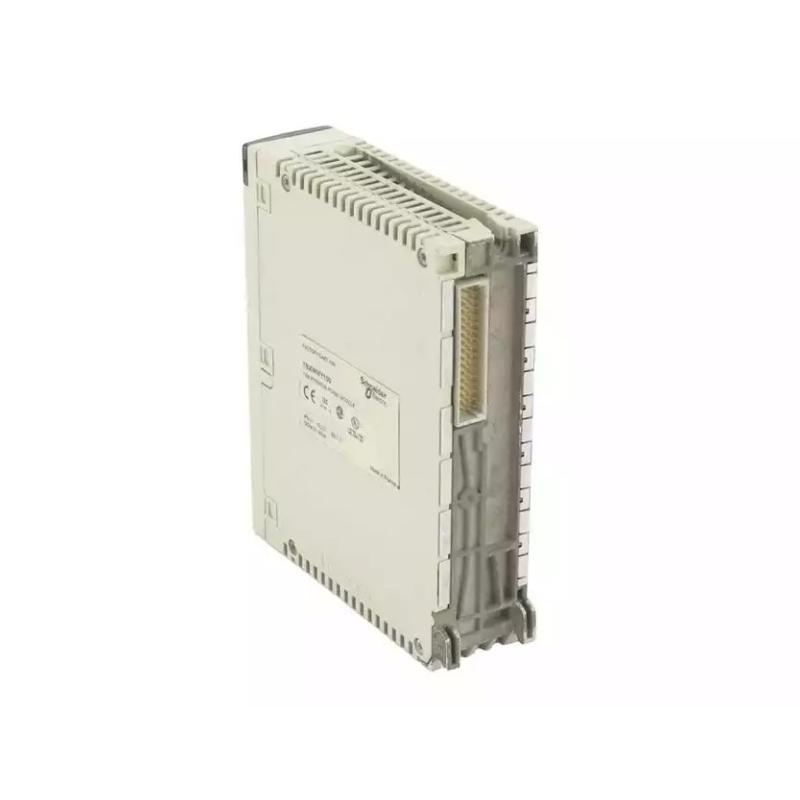
Brand:Allen Bradley PLC Item No.:1791-IOBW Product Origin:USA Product Dimensions:156.21 x 43.7 x 178 mm Product Weight:0.77 kg Payment:T/T, Western Union, Credit Card Goods_stock:15 Shipping Port:Xiamen, China Lead Time:1-3 Days Condition:Brand New And Original Warranty:1 Year Certificate:COO
The Allen-Bradley 1791-IOBW Block I/O Module is a distributed remote I/O solution designed for industrial automation systems that rely on Rockwell’s legacy PLC platforms. It functions as a compact interface between field devices and controllers, consolidating multiple digital signals into a single communication node.
Technical Specifications
Parameter
Description
Model
1791-IOBW
Type
Block I/O Module
I/O Capacity
32 Inputs / 32 Outputs
Communication
Remote I/O
Controller Compatibility
PLC-2 / PLC-3 / PLC-5 / SLC 500
Power Supply
18–26.4 V DC (external)
Operating Temperature
0–60 °C
Dimensions
156.21 × 43.7 × 178 mm
Weight
0.77 kg
Recommended Related Models
Model
Product Name
1791-IOBA
Allen-Bradley Block I/O Module 8 In / 8 Out
1791-IOBB
Allen-Bradley Block I/O Module 10 In / 6 Out
1794-IB32
Allen-Bradley FLEX I/O 32-Point Input Module
1794-OB32
Allen-Bradley FLEX I/O 32-Point Output Module
Popular Related Models
Model
Product Name
1791-IOBW
Allen-Bradley 32/32 Block I/O Module
1791-IOBB
Allen-Bradley Compact Block I/O Module
1794-IB32
Allen-Bradley FLEX Digital Input Module
1794-OB32
Allen-Bradley FLEX Digital Output Module
Applications
• Distributed remote I/O in legacy PLC systems
Widely used in PLC-2, PLC-3, PLC-5, and SLC 500 architectures to connect field devices through Remote I/O networks.
• Factory automation signal aggregation
Collects and manages multiple digital input/output signals from sensors, actuators, and machine devices in a single block.
• Industrial machine control and interlocking systems
Used in production lines where centralized I/O blocks simplify wiring and improve system organization.
• Process plant control and monitoring
Supports stable data exchange in continuous process industries such as chemicals, water treatment, and utilities.
• Retrofit and expansion of existing automation systems
Ideal for extending legacy systems without replacing entire control architectures.
Key Advantages
• High-density I/O integration in a compact block design
Combines multiple input and output channels in a single industrial module, reducing cabinet complexity.
• Built-in Remote I/O communication capability
Enables direct integration with Rockwell PLC systems via Remote I/O architecture.
• Strong compatibility with legacy Allen-Bradley controllers
Supports long lifecycle industrial systems where PLC-5 and SLC platforms are still in operation.
• Robust industrial-grade construction
Designed to operate reliably in harsh environments with electrical noise and temperature variation.
• Efficient wiring and reduced installation complexity
Block-level design minimizes point-to-point wiring compared to traditional I/O racks.
Technical FAQs
Q1: Which PLC systems support the 1791-IOBW?
It is compatible with PLC-2, PLC-3, PLC-5, and SLC 500 systems using Remote I/O.
Q2: How many input and output channels does it provide?
It typically provides 32 digital inputs and 32 digital outputs in a block configuration.
Q3: What communication method does it use?
It uses Allen-Bradley Remote I/O communication protocol.
Q4: Is it suitable for modern Ethernet-based systems?
No, it is designed for legacy Remote I/O networks.
Q5: Can it operate in harsh industrial environments?
Yes, it is built for industrial temperature ranges and noise resistance.
Q6: Does it require a separate power supply?
Yes, it operates on an external 24V DC power supply.
Q7: Can it be used for analog signals?
No, it is designed primarily for digital I/O applications.
Q8: Is it still widely used today?
It is mainly used in existing legacy installations rather than new systems.
Q9: Does it support redundancy features?
Redundancy depends on the overall system architecture, not the module itself.
Q10: Can it be hot-swapped?
No, installation/removal should follow controlled shutdown procedures.