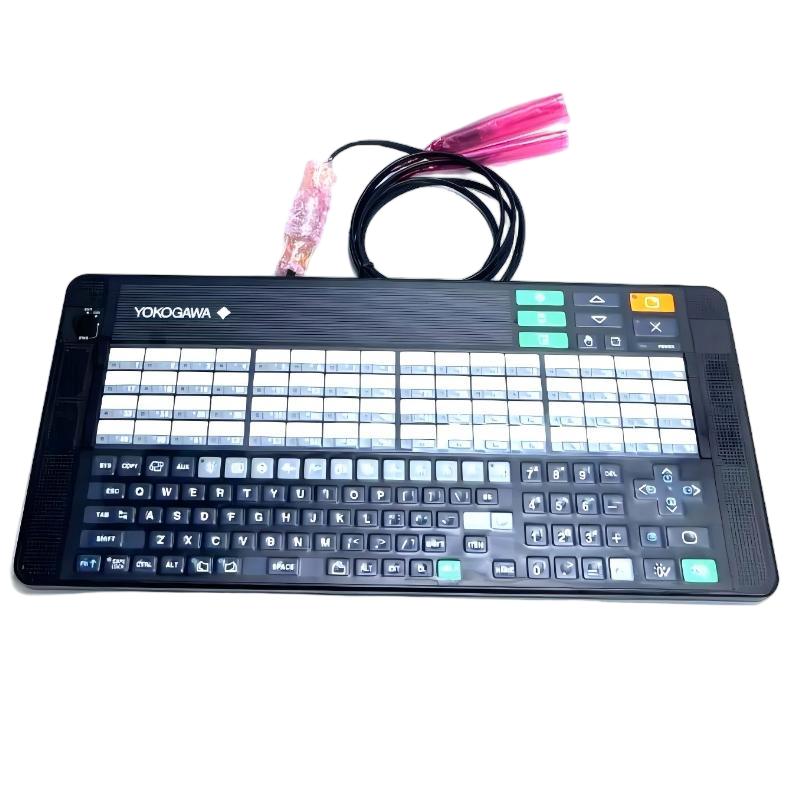
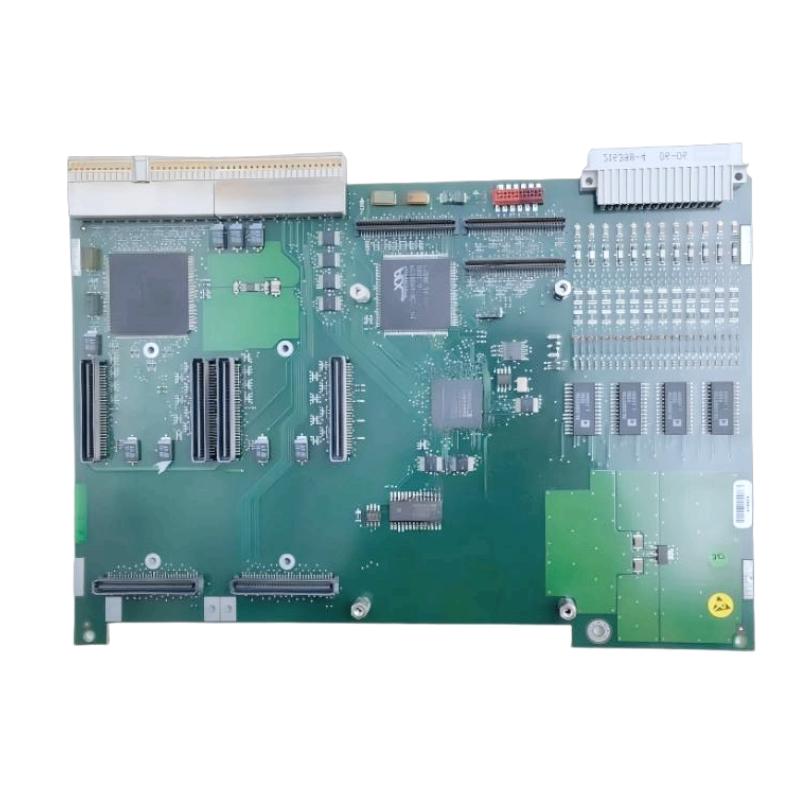
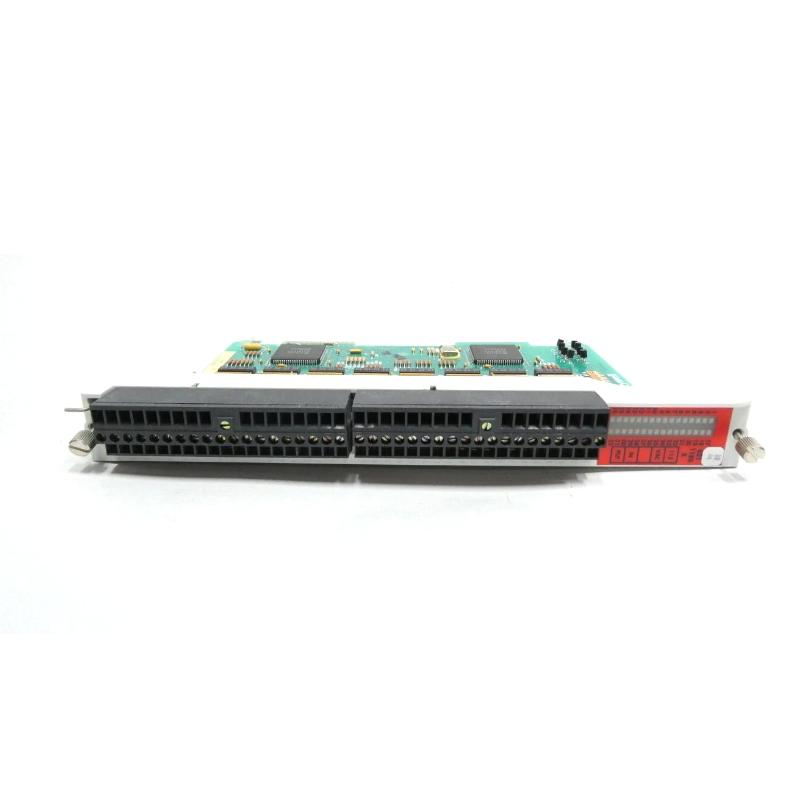
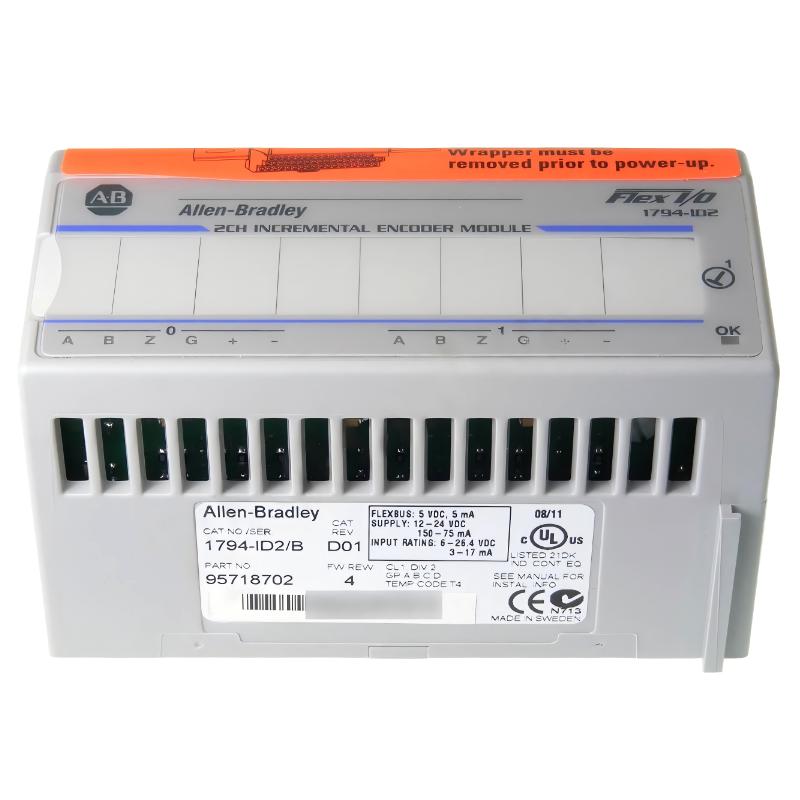
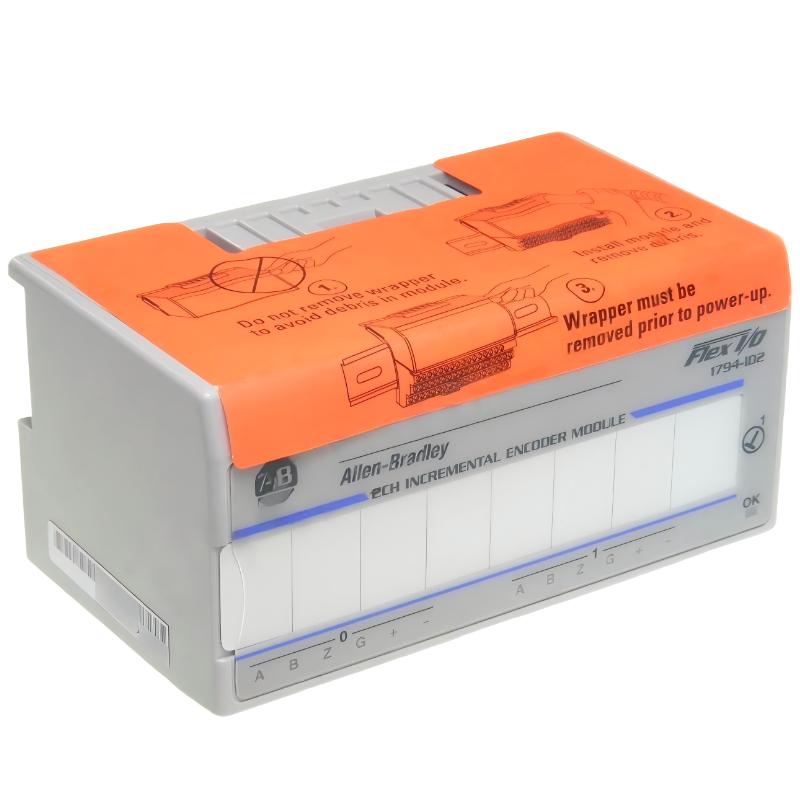
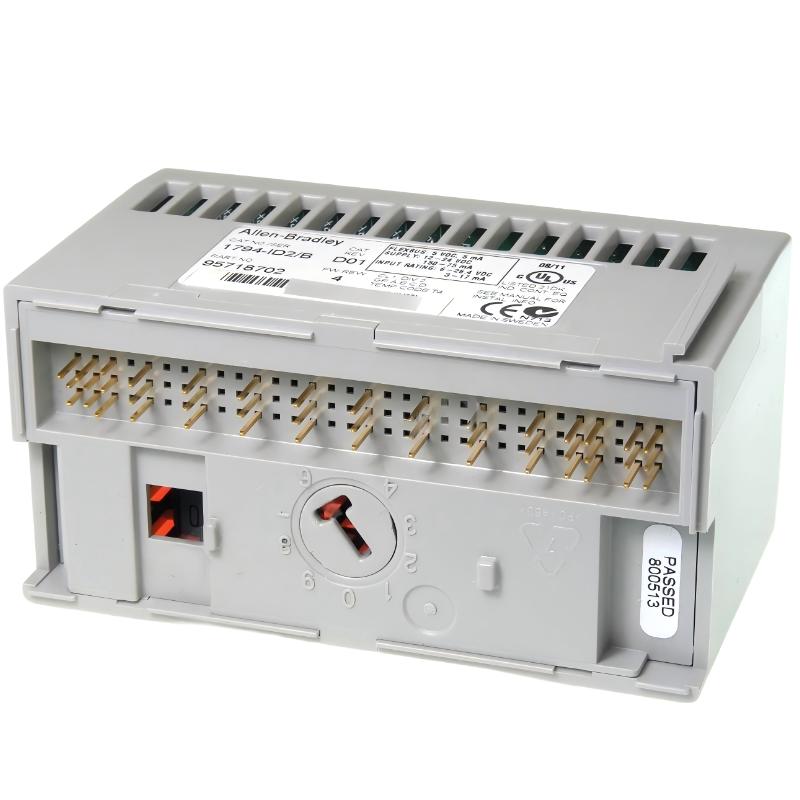
Allen Bradley 1794-ID2/B Flex I/O 2-channel Incremental Encoder Module
Allen Bradley 1794-ID2/B Flex I/O 2-channel Incremental Encoder Module
0.0
Points
Brand:Allen Bradley PLC Item No.:1794-ID2/B Product Origin:USA Product Dimensions:94 x 46 x 53 mm Product Weight:0.1 kg Payment:T/T, Western Union, Credit Card Goods_stock:15 Shipping Port:Xiamen, China Lead Time:1-3 Days Condition:Brand New And Original Warranty:1 Year Certificate:COO
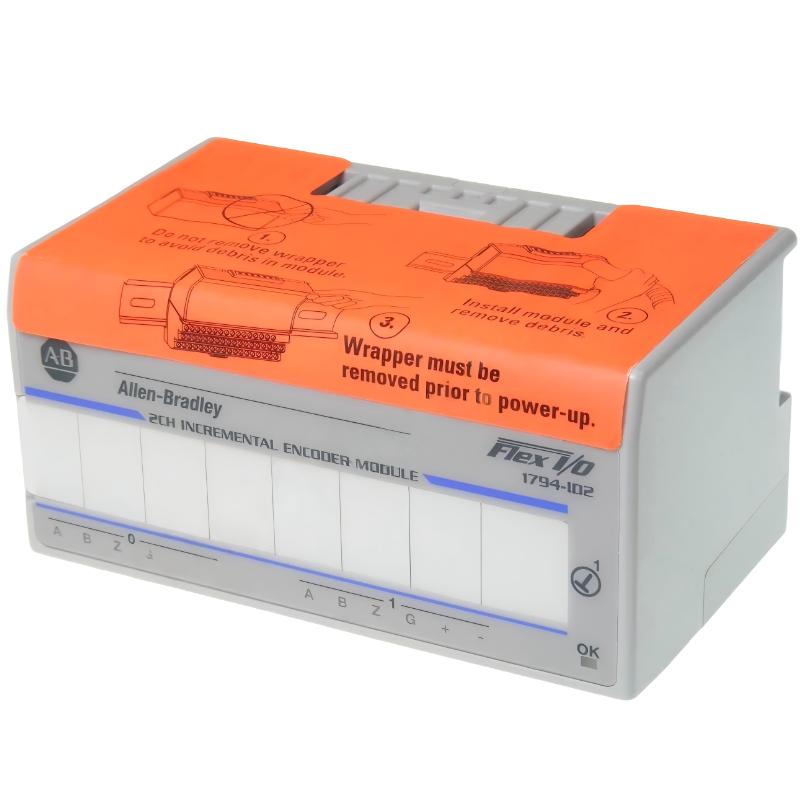
The Allen-Bradley 1794-ID2/B Flex I/O 2-channel Incremental Encoder Module is designed for high-speed pulse processing in distributed industrial automation systems. It plays a critical role in converting encoder-generated pulse signals into usable motion and position data for PLC-based control systems.
Technical Specifications
Parameter
Description
Model
1794-ID2/B
Type
Incremental Encoder Input Module
Channels
2
Signal Type
Incremental encoder / pulse input
Counting Modes
x1 / x2 / x4 edge detection
Input Frequency
High-speed industrial pulse input
System Compatibility
Allen-Bradley Flex I/O
Power Supply
24 V DC (system powered)
Operating Temperature
Industrial-grade range
Dimensions
94 × 46 × 53 mm
Weight
0.1 kg
Recommended Related Models
Model
Product Name
1794-IJ2
Flex I/O Frequency Input Module (2-channel)
1794-VHSC
Flex I/O Very High-Speed Counter Module
1794-IR8
Flex I/O RTD Input Module
1794-IT8
Flex I/O Thermocouple Input Module
Popular Related Models
Model
Product Name
1794-ID2/B
Flex I/O 2-channel Incremental Encoder Module
1794-VHSC
Flex I/O High-Speed Counter Module
1794-IJ2
Flex I/O Frequency Input Module
1794-AENTR
Flex I/O Ethernet/IP Adapter Module
Applications
• High-speed incremental encoder signal acquisition
Used in motion control systems to capture pulse signals from rotary encoders for speed and position feedback.
• Industrial automation positioning systems
Common in conveyor tracking, packaging machinery, and multi-axis synchronization systems requiring precise movement control.
• Production counting and throughput measurement
Provides real-time pulse counting for output monitoring, cycle analysis, and productivity control.
• Machine retrofit and legacy Flex I/O expansion
Ideal for extending existing Allen-Bradley Flex I/O architectures without redesigning the full control system.
• High-speed process monitoring in manufacturing lines
Supports continuous signal acquisition in fast-moving production environments.
Key Advantages
• Dual-channel high-speed encoder processing
Enables simultaneous handling of two independent incremental encoder signals.
• Flexible edge counting configuration
Supports multiple resolution modes for different motion accuracy requirements.
• Strong integration with Flex I/O architecture
Works seamlessly with Flex adapters and Rockwell PLC systems for distributed control.
• Reliable operation in industrial environments
Designed to maintain signal stability under electrical noise and vibration conditions.
• Efficient motion data acquisition
Provides fast and accurate pulse interpretation for real-time automation control.
Technical FAQs
Q1: What type of signals does this module process?
It processes incremental encoder pulse signals for motion and position feedback.
Q2: How many channels are available?
It supports two independent encoder channels.
Q3: Can it be used for speed measurement?
Yes, it is commonly used for speed and frequency-based calculations.
Q4: Does it support absolute encoders?
No, it is designed only for incremental encoder inputs.
Q5: Is configuration required in PLC software?
Yes, parameter setup is required through Rockwell programming tools.
Q6: Can it be used in high-speed applications?
Yes, it is designed for high-frequency pulse input environments.
Q7: Is it compatible with all Flex I/O systems?
It works within standard Flex I/O architectures using compatible adapters.
Q8: Does it support multiple counting modes?
Yes, it supports selectable edge detection modes for resolution control.
Q9: Can it operate in harsh industrial environments?
Yes, it is built for noise-resistant industrial conditions.
Q10: Is standalone operation possible?
No, it must be used as part of a Flex I/O system.
 Product Introduction