Emerson Module

  1. Home
  2. Products
  3. Emerson Module
  4. Emerson VE4017 (KJ3245X1-BA1 + 12P4082X022)
Emerson VE4017 (KJ3245X1-BA1 + 12P4082X022)

Emerson VE4017 (KJ3245X1-BA1 + 12P4082X022)

0.0
Points

Brand:Emerson Module
Item No.:Emerson VE4017
Product Origin:USA
Product Dimensions:100 × 67 × 110 mm
Product Weight:0.37 kg
Payment:T/T, Western Union, Credit Card
Goods_stock:15
Shipping Port:Xiamen, China
Lead Time:1-3 Days
Condition:Brand New And Original
Warranty:1 Year
Certificate:COO

Add to cart

VE4017P0 4VE4017P0 3VE4017P0 2VE4017P0 1

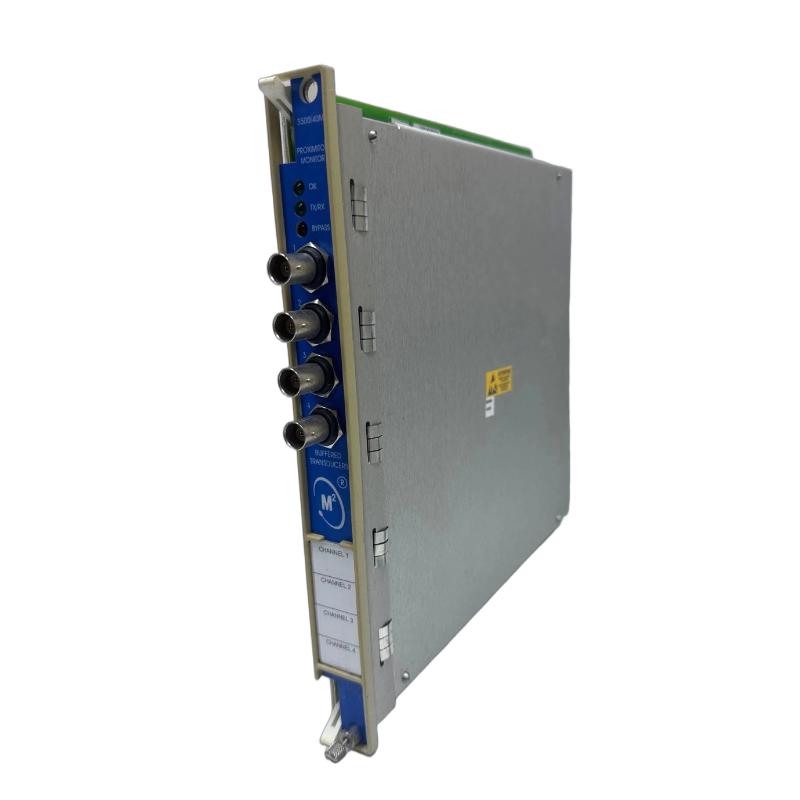
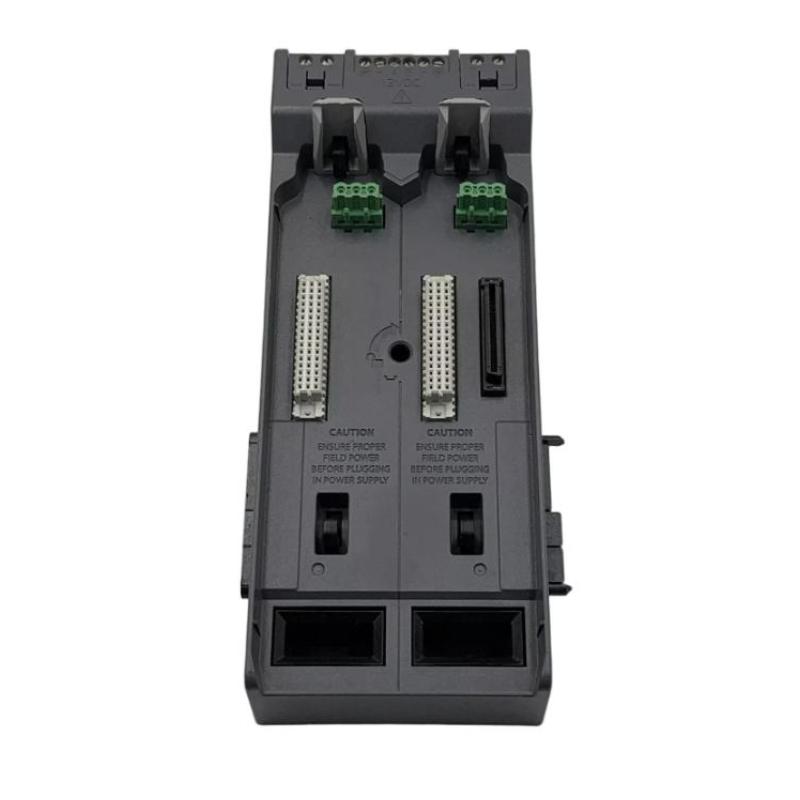
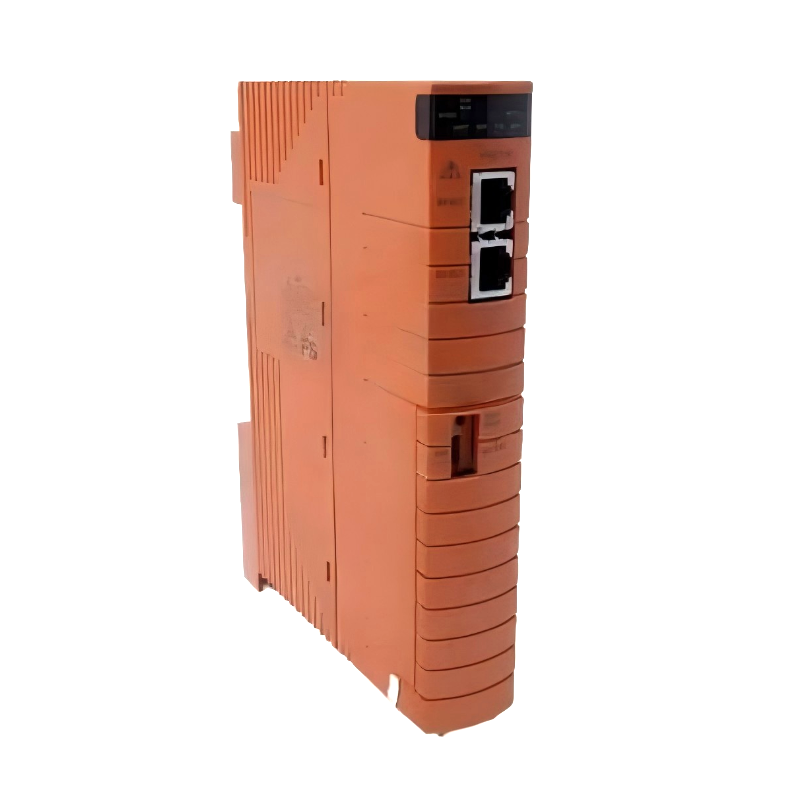
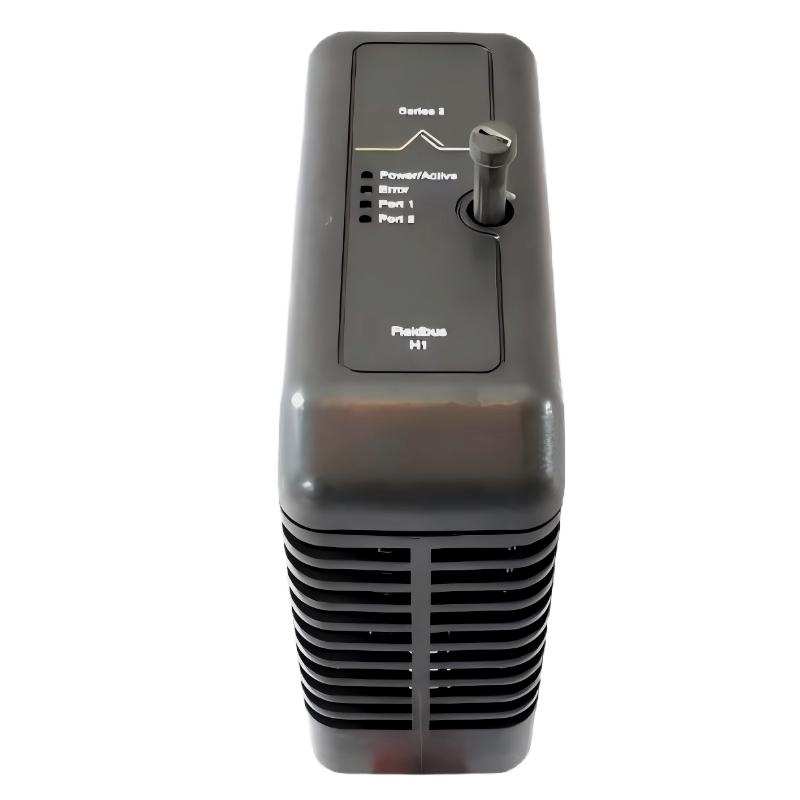
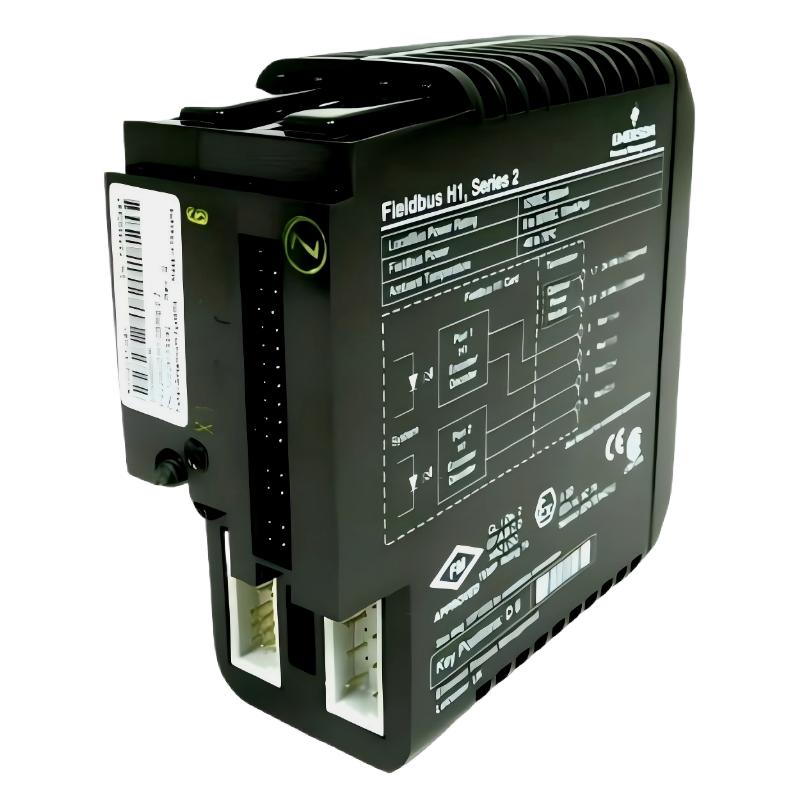
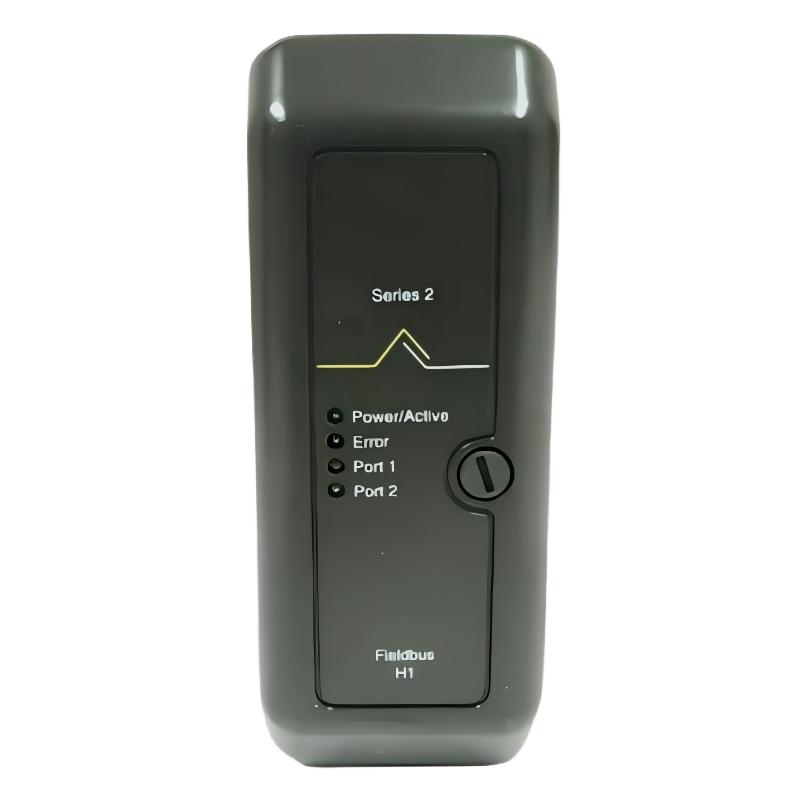
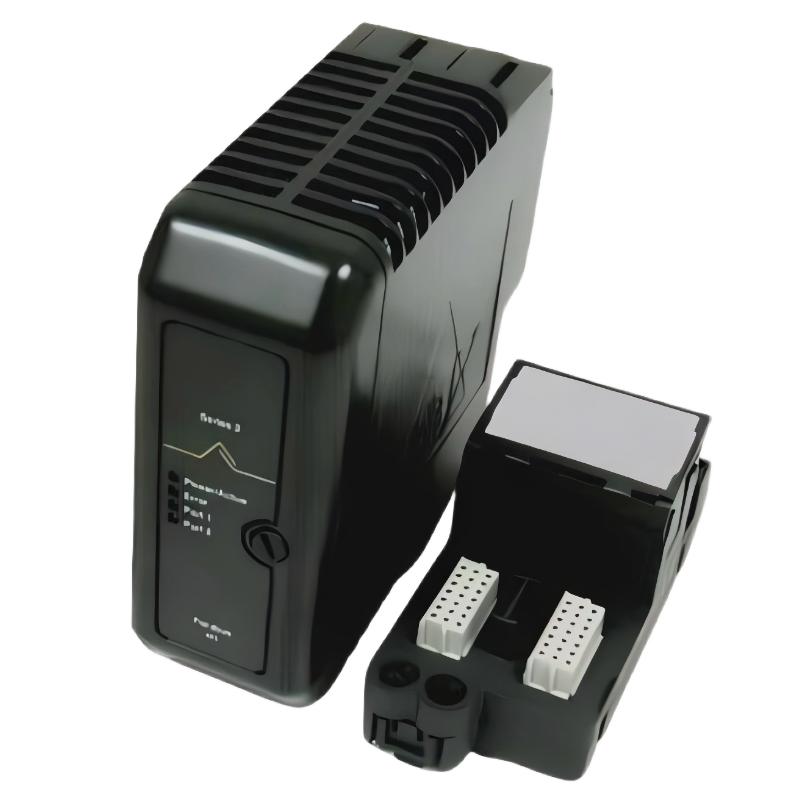
The Emerson VE4017 is a DeltaV M-Series communication interface module used for integrating FOUNDATION Fieldbus H1 networks into the DeltaV Distributed Control System (DCS). It enables bidirectional digital communication between DeltaV controllers and smart field devices such as transmitters, positioners, analyzers, and valve controllers.

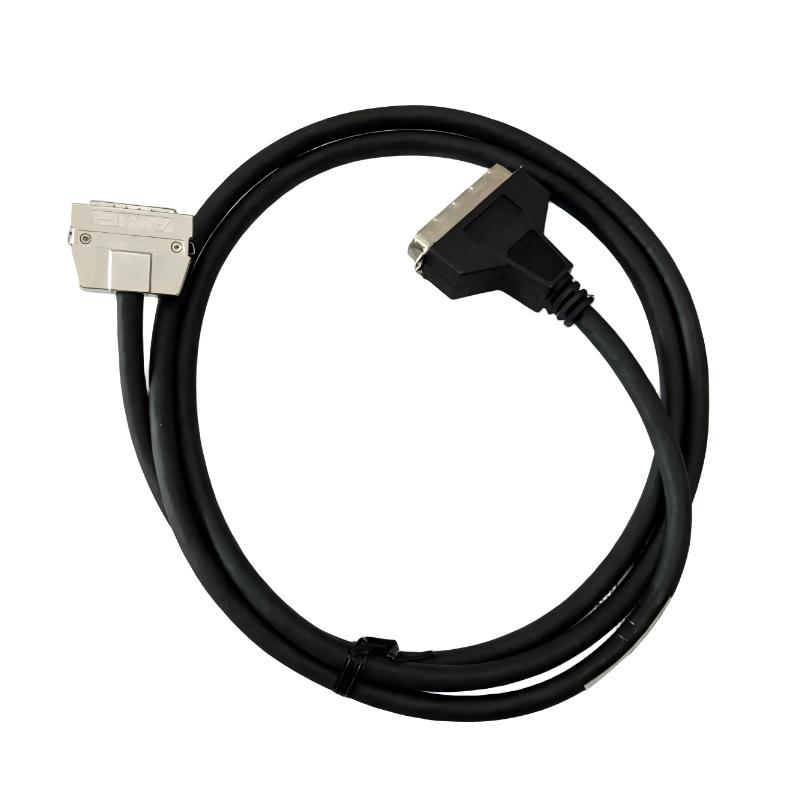
This module typically includes the KJ3245X1-BA1 interface card and 12P4082X022 assembly, and is designed to manage Fieldbus H1 segments in industrial automation systems.


Technical Specifications

ParameterSpecification
ManufacturerEmerson
ModelVE4017
I/O CardKJ3245X1-BA1
Assembly Number12P4082X022
Product TypeFOUNDATION Fieldbus H1 Interface Module
System PlatformDeltaV M-Series
Communication ProtocolFOUNDATION Fieldbus H1
Data Rate31.25 kbps
Segment CapacityUp to ~16 field devices per segment
FunctionFieldbus communication gateway
DiagnosticsDevice status, segment health, fault detection
Redundancy SupportYes (system-dependent configuration)
LocalBus Power12 VDC (system supplied)
Field PowerExternal Fieldbus power supply required
Mounting TypeDeltaV carrier-mounted
IsolationIndustrial-grade signal isolation
Operating Temperature-40°C to +70°C
Humidity Range5–95% RH, non-condensing
Protection RatingIP20

Physical Dimensions & Weight

ParameterSpecification
Dimensions (L × W × H)100 × 67 × 110 mm
WeightApprox. 0.37 kg

Key Features

  • FOUNDATION Fieldbus H1 master interface for DeltaV systems
  • Supports multiple smart field devices on a single segment
  • Reduces traditional hardwired I/O requirements
  • Built-in diagnostics for field device and network health
  • Supports integration of third-party Fieldbus devices
  • Designed for hot-swappable modular architecture
  • Reliable operation in harsh industrial environments
  • Seamless integration with DeltaV engineering tools

Applications

Process Automation

Integration of smart transmitters and control valves using Fieldbus H1 networks.

Oil & Gas

Wellhead monitoring, flow measurement, and intelligent valve control.

Chemical & Petrochemical

Distributed control of reactors, pumps, and instrumentation systems.

Power Generation

Boiler systems, turbine auxiliaries, and plant-wide instrumentation networks.

Water & Wastewater

Remote monitoring of pumps, flowmeters, and treatment systems.


Advantages

  • Reduces wiring complexity through digital field networking
  • Enables advanced diagnostics and predictive maintenance
  • Supports multi-device communication on a single segment
  • Improves system scalability and flexibility
  • Full DeltaV system integration
  • Reliable industrial communication performance
  • Lower installation and lifecycle cost 


Technical FAQs

1. What is VE4017 used for?

It is used to connect DeltaV systems to FOUNDATION Fieldbus H1 networks.

2. Is VE4017 an analog or digital I/O module?

No. It is a communication interface module, not analog or discrete I/O.

3. What protocol does it support?

FOUNDATION Fieldbus H1 (31.25 kbps).

4. How many devices can be connected?

Typically up to 16 field devices per segment (depends on network design).

5. Does it require external power?

Yes, Fieldbus segments require an external Fieldbus power supply.

6. What is the operating temperature range?

-40°C to +70°C.

7. What is the weight?

Approximately 0.37 kg.

8. What is the main function?

To act as a Fieldbus H1 communication interface between DeltaV and smart field devices.

9. Which DeltaV platform uses it?

DeltaV M-Series systems.

10. Why is it used?

Because it enables smart device integration with reduced wiring and enhanced diagnostics compared to traditional I/O systems.


Look forward to your comments!Comment
Latest comments
Tags:
Need Assistance? Chat with Us on WhatsApp!
Need Assistance? Click to Inquire
Back to top