US Reportedly Plans New Tiered Import Tariffs Targeting 60+ Countries, Raising Pressure on Industrial Supply Chains
Recent industry reports indicate that the United States is preparing a revised import tariff framework that may affect goods originating from approximately 60 countries, including China.
Under the proposed structure, around 44 countries could face a 12.5% import tariff, while another group of 16 countries may be subject to a 10% tariff rate. The policy is reportedly scheduled for review hearings beginning in July, though final implementation details remain subject to official confirmation.
While the U.S. government has not yet issued a final rule, the proposal is already drawing attention from global manufacturers and exporters, particularly in industrial and capital equipment sectors.
Potential Impact on Industrial Automation and Manufacturing Equipment
Industry analysts suggest that if implemented, the tariff adjustments could have a notable impact on several export-driven sectors, including:
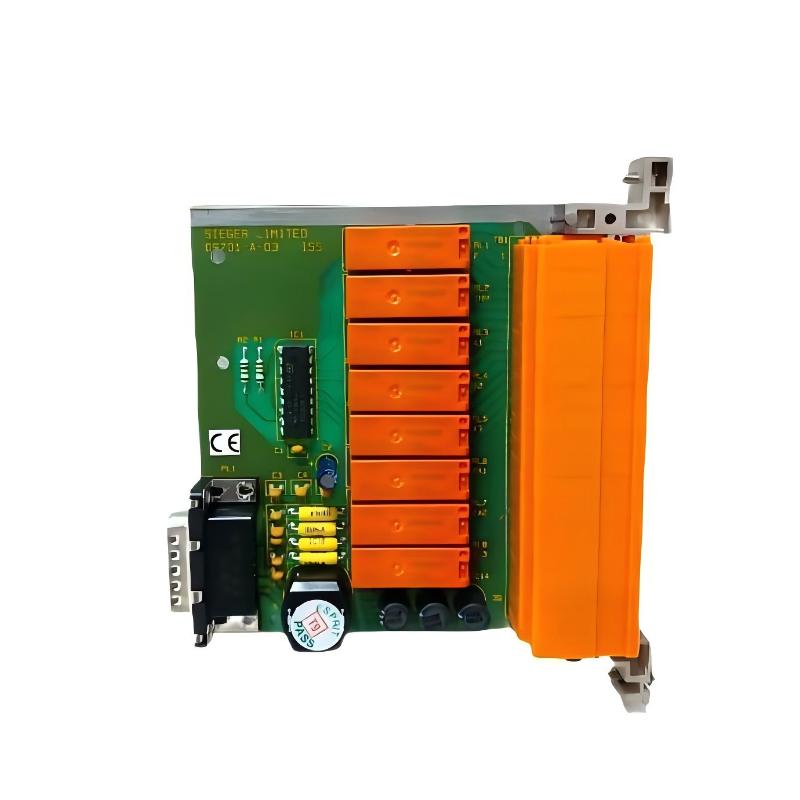
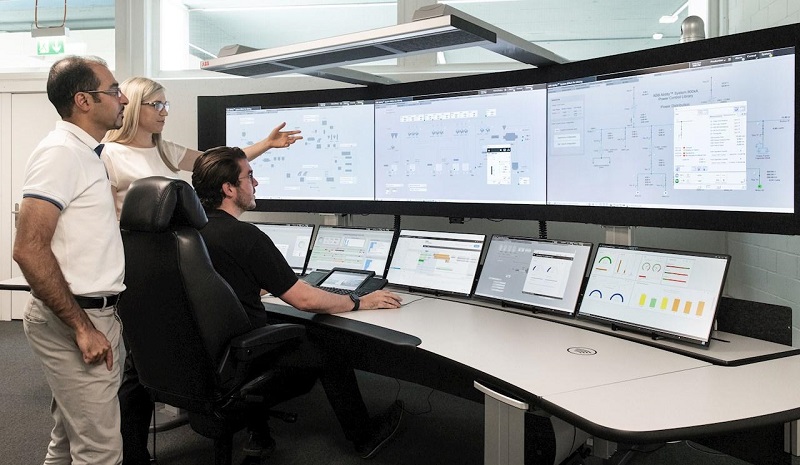
- Industrial automation systems (PLC, DCS, SCADA components)
- Electromechanical and electrical control equipment
- Industrial sensors and instrumentation
- Smart manufacturing and factory automation hardware
- Home appliance supply chains and sub-assemblies
- Light industrial manufacturing exports
For global suppliers, especially those based in Asia, the policy may increase landed costs in the U.S. market and influence procurement strategies among American distributors and system integrators.
Supply Chain Diversification Accelerates
In anticipation of potential tariff changes, many exporters in the industrial sector are expected to further accelerate their “China+1” or multi-regional supply chain strategies.
Key expected adjustments include:
- Expanding production capacity in Southeast Asia
- Increasing localization efforts in Mexico for USMCA advantages
- Strengthening distribution hubs in Europe and the Middle East
- Diversifying customer bases beyond the U.S. market
For industrial control equipment manufacturers, flexibility in supply chain design and compliance readiness is becoming increasingly critical.
Market Outlook for PLC and Industrial Control Exporters
The industrial automation sector has already been experiencing structural shifts driven by digitalization, reshoring trends, and geopolitical trade adjustments.
If the proposed tariff policy is enacted, exporters may need to:
- Re-evaluate pricing strategies for the U.S. market
- Optimize regional warehousing and after-sales support
- Strengthen partnerships with local system integrators
- Accelerate development of non-U.S. markets such as Latin America, the Middle East, and Eastern Europe
Despite short-term uncertainty, demand for industrial automation and smart manufacturing solutions remains strong globally, driven by ongoing Industry 4.0 investments.