RCEP Tariff Reduction Continues in 2026, Strengthening Southeast Asia’s Role in Global Industrial Supply Chains
The Regional Comprehensive Economic Partnership (RCEP) is continuing its scheduled implementation in 2026, with member economies further reducing tariffs across goods traded within the region.
The agreement includes major Asia-Pacific economies such as ASEAN countries, China, Japan, South Korea, Australia, and New Zealand, forming one of the largest free trade frameworks in the world.
As the tariff reduction schedule advances, import duties between member states continue to decline gradually, improving trade efficiency and lowering cross-border procurement costs.
Lower Trade Barriers Boost Industrial Equipment Exports
For industrial automation and electromechanical equipment exporters, the ongoing RCEP tariff cuts are creating a more favorable trade environment, particularly in Southeast Asia.
Key affected product categories include:
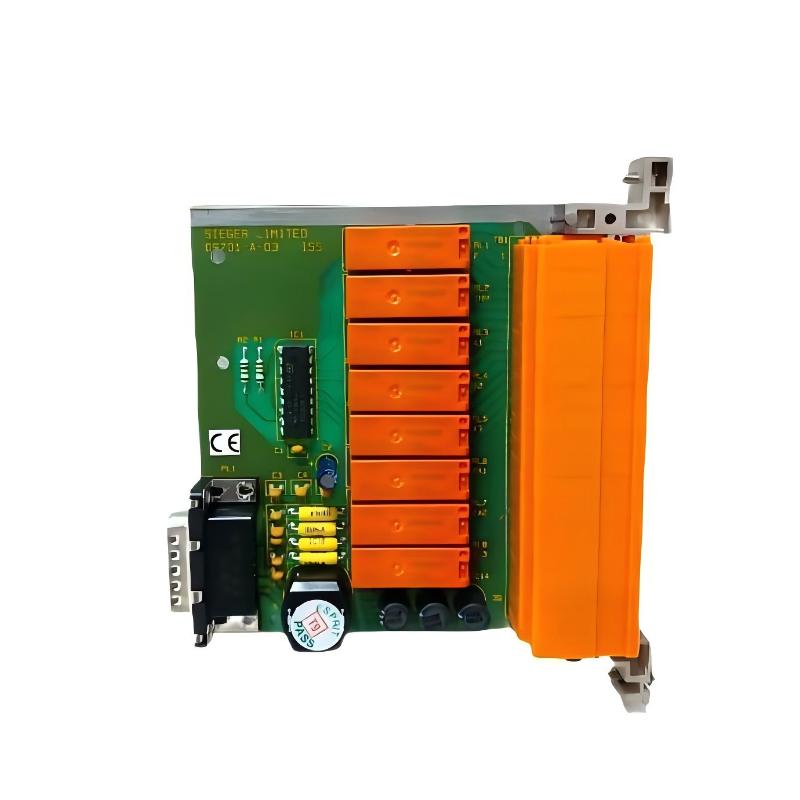
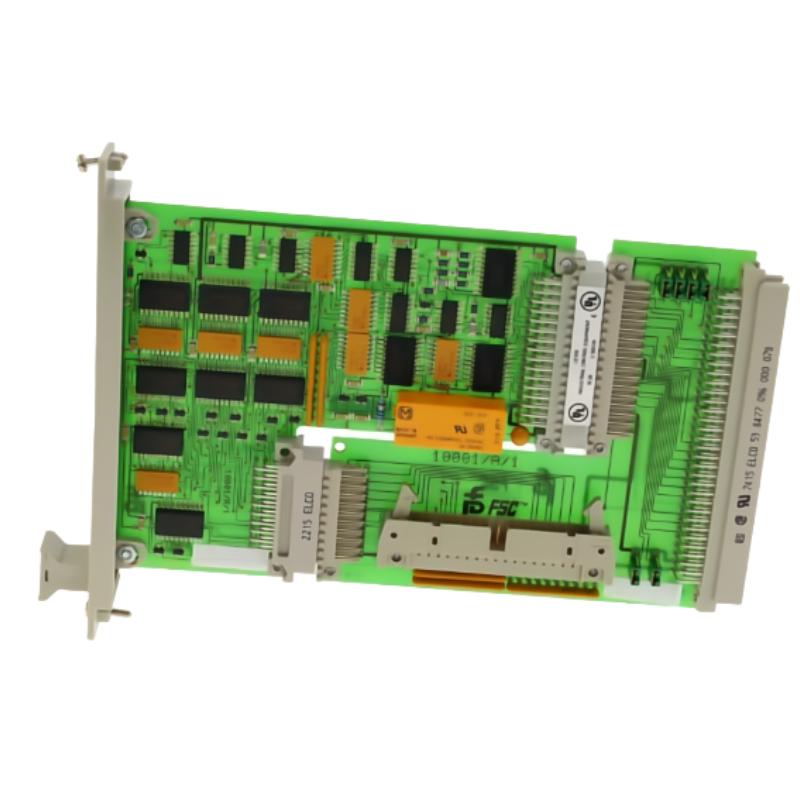
- PLC systems and industrial controllers
- DCS and SCADA automation solutions
- Industrial sensors and instrumentation
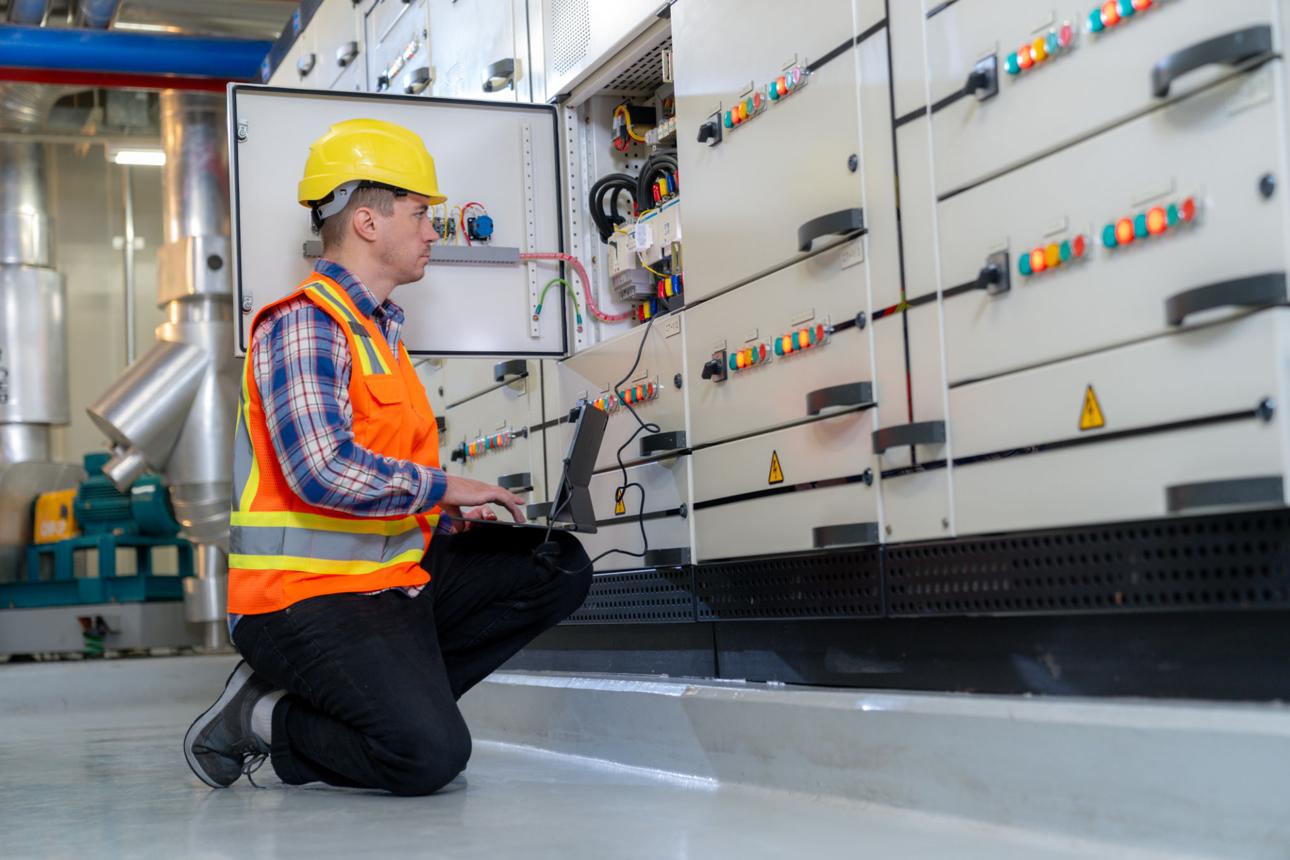
- Electrical components and control cabinets
- Smart manufacturing and factory automation systems
- Mechanical and electromechanical assemblies
Lower tariffs across ASEAN markets are reducing landed costs and increasing competitiveness for exporters targeting regional manufacturing hubs.
Southeast Asia Becomes a Strategic Manufacturing Hub
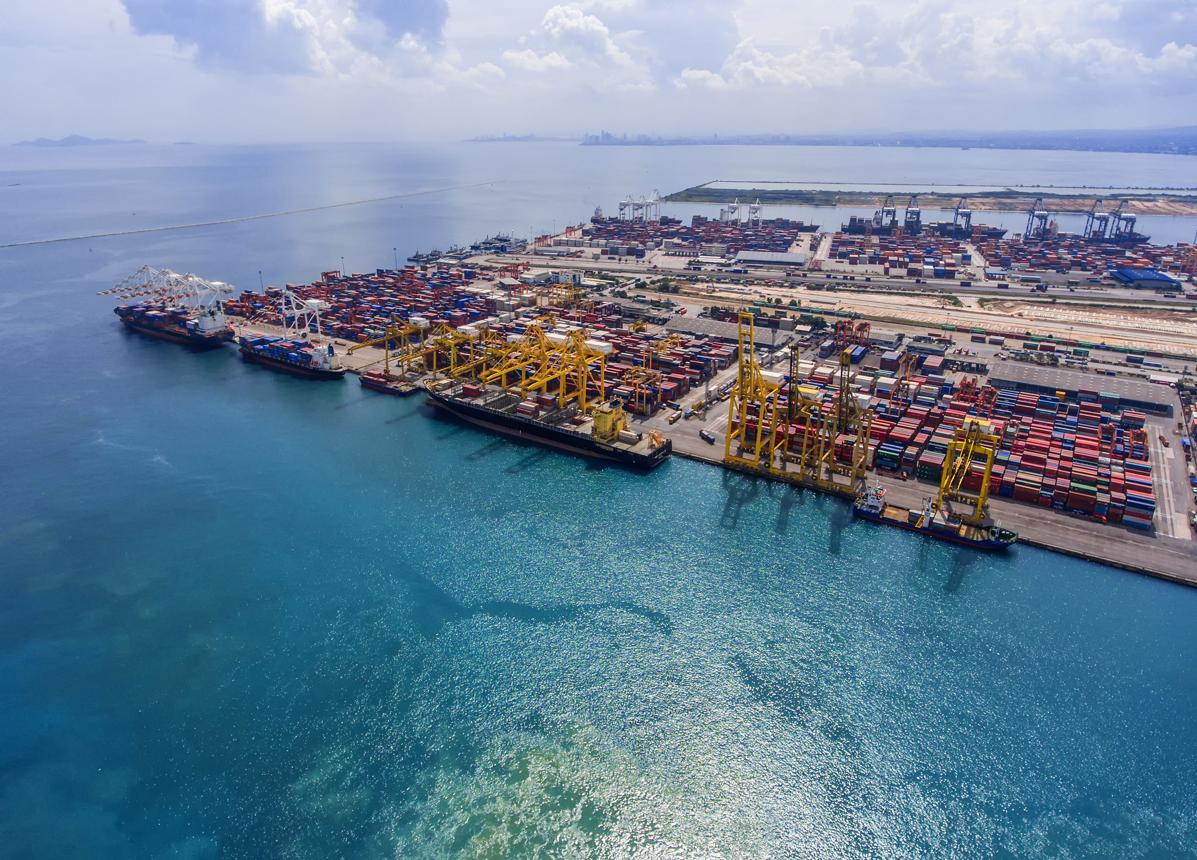
With continued tariff reductions, Southeast Asia is strengthening its position as a global manufacturing and export base.
Countries such as Vietnam, Thailand, Malaysia, and Indonesia are benefiting from:
- Lower intra-regional import costs
- Increased foreign direct investment (FDI)
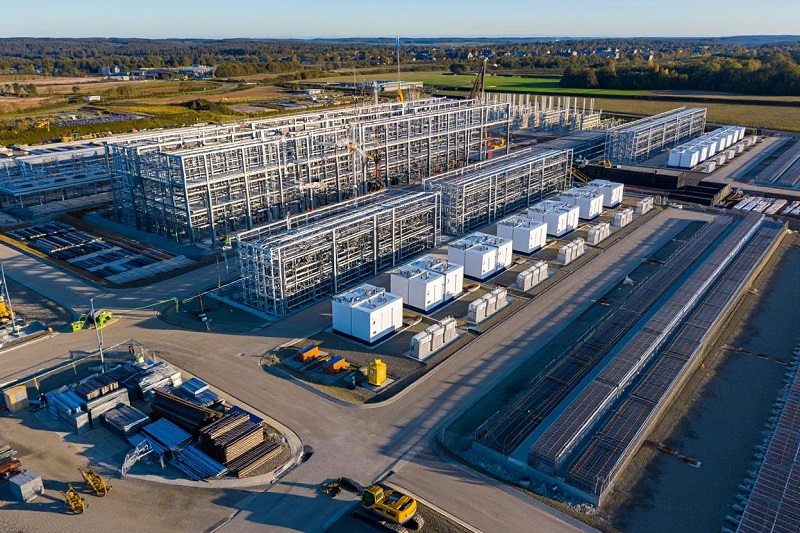
- Expansion of electronics and industrial manufacturing clusters
- Stronger integration into global supply chains
For industrial control equipment suppliers, this shift supports both direct exports and localized production strategies within the region.
Japan and South Korea Trade Liberalization Deepens Industrial Links
Beyond ASEAN, tariff reductions involving Japan and South Korea under RCEP are further improving industrial supply chain connectivity across East Asia.
This benefits high-value manufacturing sectors such as:
- Semiconductor equipment
- Factory automation systems
- Robotics and precision machinery
- Industrial electronics and control systems
The gradual reduction of trade friction supports smoother cross-border sourcing and technology collaboration.
Impact on Industrial Automation Export Strategy
For global suppliers in the PLC and industrial automation sector, the 2026 RCEP tariff phase-out strengthens several strategic trends:
- Increased focus on ASEAN as a primary growth market
- Expansion of regional warehouses and service centers
- Greater localization of technical support and distribution
- Improved price competitiveness versus non-RCEP exporters
Companies with established supply chains in Asia are expected to benefit most from the continued tariff normalization.
Long-Term Outlook: Cost Optimization and Regional Integration
While global trade uncertainty remains in other regions, RCEP continues to provide a stable framework for long-term industrial cooperation.
The gradual tariff reductions through 2026 are expected to:
- Reduce cross-border procurement costs
- Strengthen regional manufacturing resilience
- Encourage supply chain diversification into Southeast Asia
- Support sustained growth in industrial automation demand
For industrial equipment exporters, RCEP remains a key structural advantage in global trade strategy.