Global Economy in 2026: Moderate Growth but Clear Regional Divergence
According to recent United Nations economic projections, the global economy is expected to grow at approximately 2.7% in 2026. While this indicates stable expansion, the underlying structure of global demand is becoming increasingly uneven.
Developed economies, particularly Europe and the United States, are expected to experience relatively weaker consumer demand growth, driven by tighter monetary conditions, slower industrial expansion, and cautious household spending.
In contrast, emerging markets continue to demonstrate stronger resilience, supported by infrastructure investment, industrialization, and expanding manufacturing capacity.
This divergence is reshaping global trade flows and directly influencing demand patterns in the industrial automation sector.
Impact on Industrial Automation and Control Equipment Demand
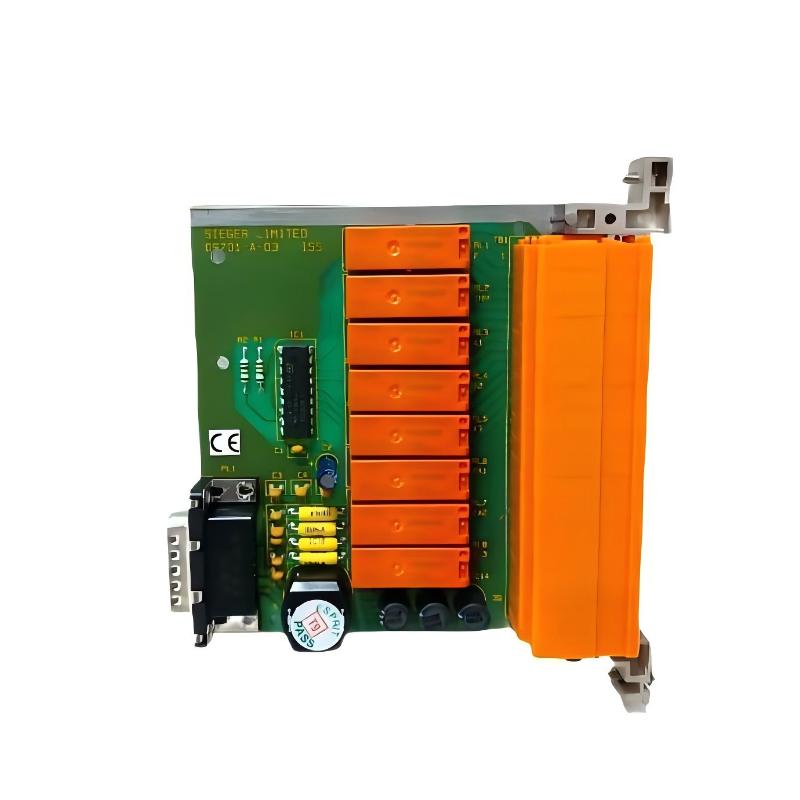
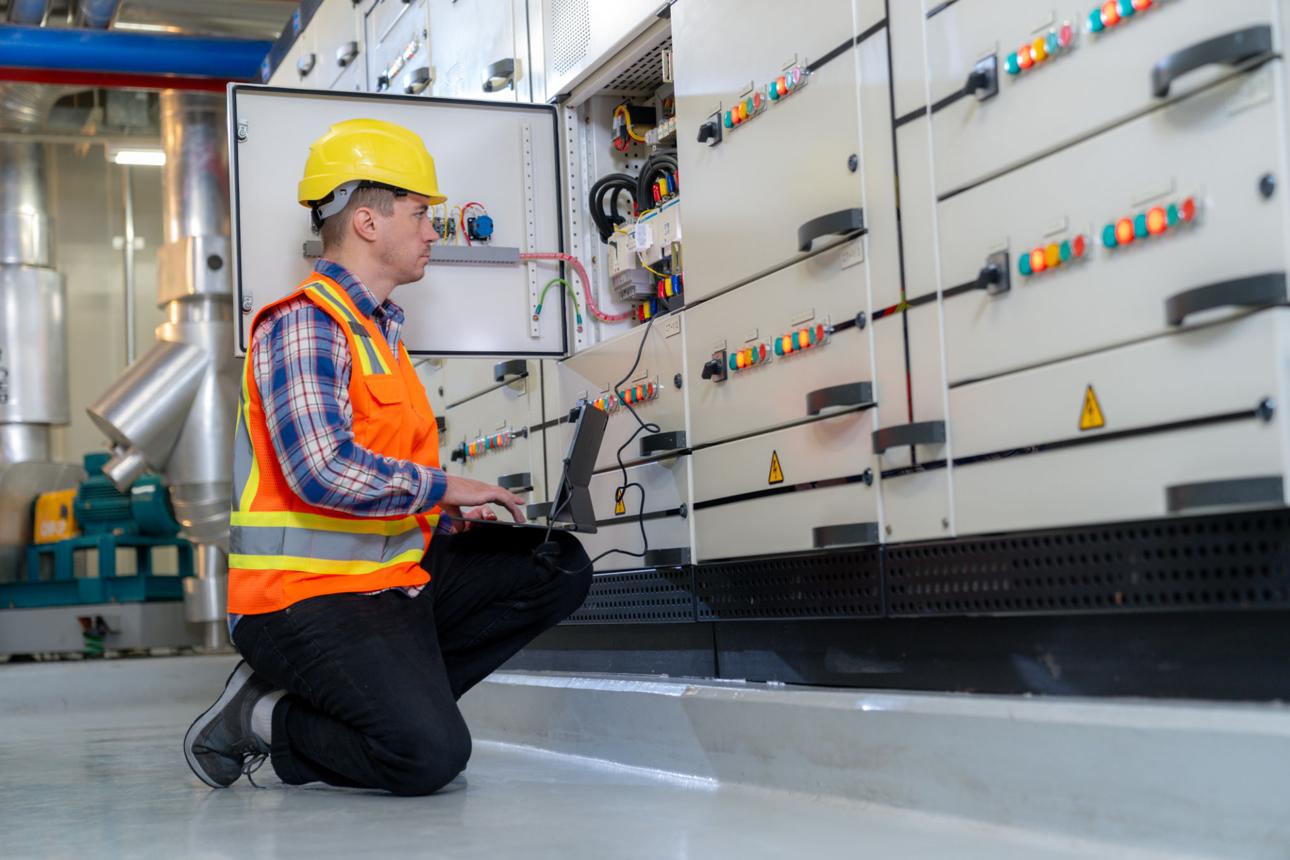
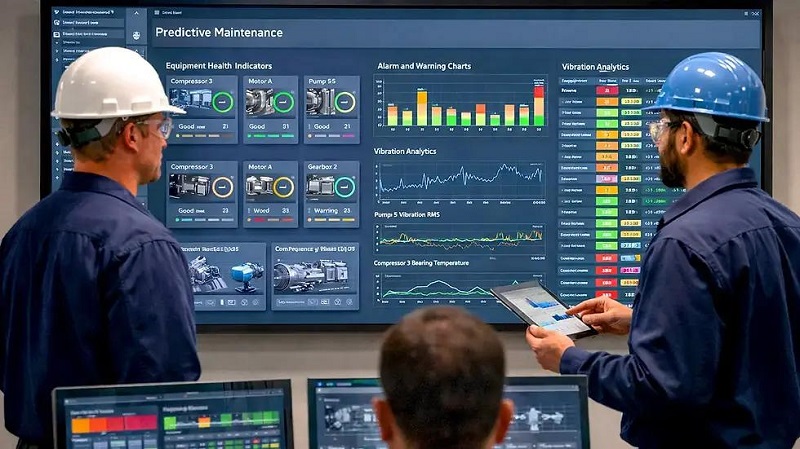
The industrial automation industry—including PLC systems, DCS platforms, sensors, industrial communication modules, and power control equipment—is highly sensitive to manufacturing investment cycles.
In 2026, global demand is expected to shift in the following ways:
-
Europe & North America:
Demand remains stable but growth is limited. Replacement-driven automation upgrades dominate over new large-scale factory expansions. -
Emerging Markets:
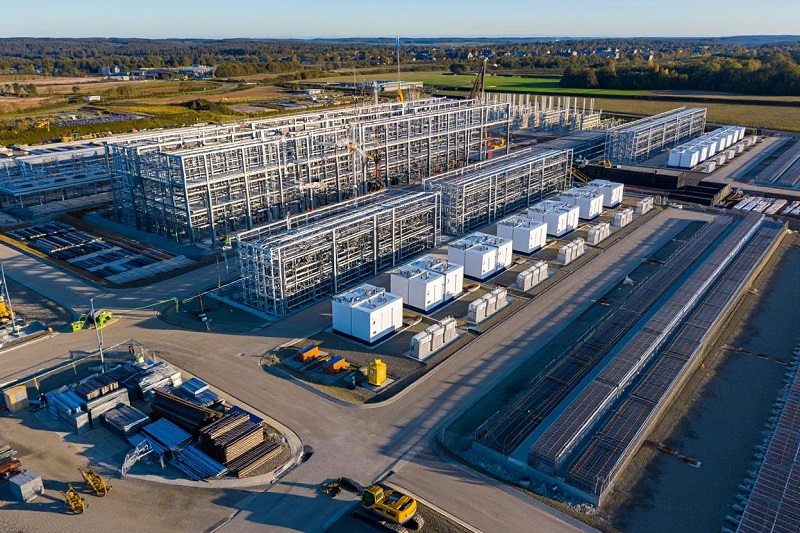
Stronger capital expenditure in manufacturing, infrastructure, energy, and mining sectors continues to support new installations of industrial control systems. -
Supply Chain Localization:
Many countries are accelerating domestic production capabilities, increasing demand for localized automation solutions and industrial control integration.
Key Growth Regions for Industrial Equipment Exporters
1. Southeast Asia: Manufacturing Expansion Continues
Countries such as Vietnam, Thailand, Indonesia, and Malaysia continue to attract manufacturing relocation from China and other regions.
Key demand drivers:
- Electronics and semiconductor assembly
- Automotive component production
- Industrial robotics and PLC integration
- Energy infrastructure expansion
For exporters of industrial automation equipment, Southeast Asia remains one of the most dynamic growth engines in 2026.
2. Middle East: Energy Diversification and Smart Industry Investment
The Middle East continues its transition toward diversified economies, with strong investments in:
- Oil & gas automation upgrades
- Renewable energy (solar and hydrogen projects)
- Smart city infrastructure (e.g., large-scale urban development projects)
- Industrial digitalization initiatives
Countries such as Saudi Arabia and the UAE are particularly active in deploying advanced industrial control systems and energy monitoring solutions.
3. Latin America: Mining and Energy Automation Demand
Latin America’s industrial demand is heavily driven by:
- Mining automation (copper, lithium, iron ore)
- Oil and gas extraction modernization
- Agricultural processing automation
- Industrial infrastructure upgrades
Countries like Brazil, Chile, and Peru are investing in efficiency-driven automation to improve production output and reduce operational costs.
4. Africa: Infrastructure Build-Out and Industrialization Acceleration
Africa continues to show long-term growth potential, particularly in:
- Power generation and grid automation
- Mining and natural resources
- Manufacturing base expansion
- Infrastructure and construction projects
Although starting from a lower base, automation penetration is expected to rise steadily as industrialization accelerates.
Strategic Implications for Industrial Automation Exporters
Given the 2026 global economic structure, industrial equipment manufacturers and exporters should consider the following strategic adjustments:
1. Market Diversification is Essential
Over-reliance on Europe and North America may limit growth. Expanding sales channels in emerging markets is becoming critical.
2. Focus on Cost-Effective and Modular Solutions
Emerging markets often prioritize:
- Scalable PLC systems
- Modular DCS architectures
- Flexible sensor networks
- Energy-efficient automation solutions
3. Localization and Technical Support Matter More
Technical documentation, after-sales service, and local integration capability are key competitive advantages in emerging regions.
4. Industry-Specific Targeting
High-growth verticals include:
- Energy & power systems
- Mining and metallurgy
- Food and beverage processing
- Water treatment and environmental systems