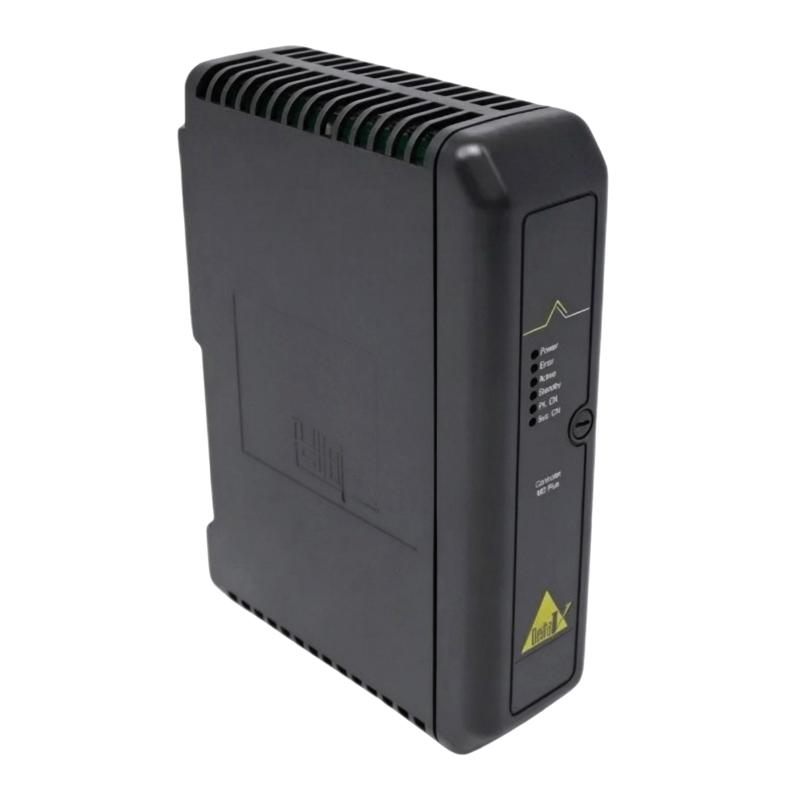
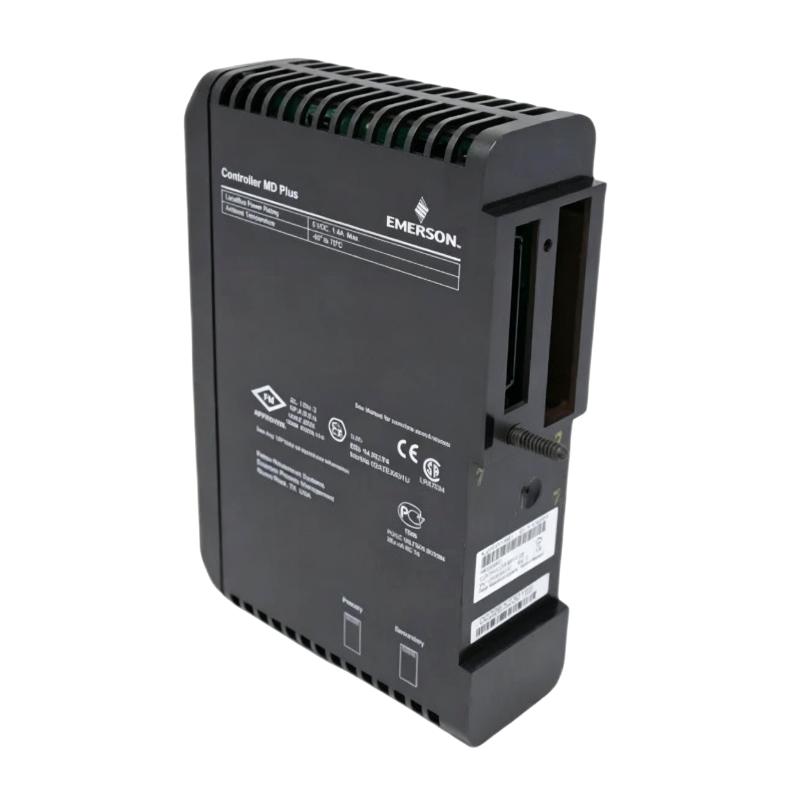
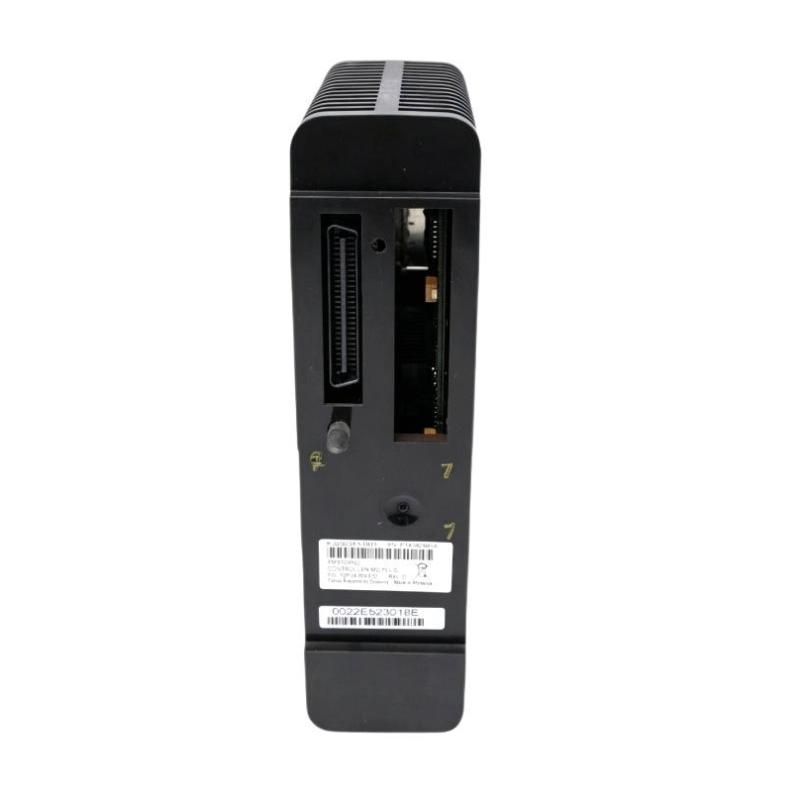
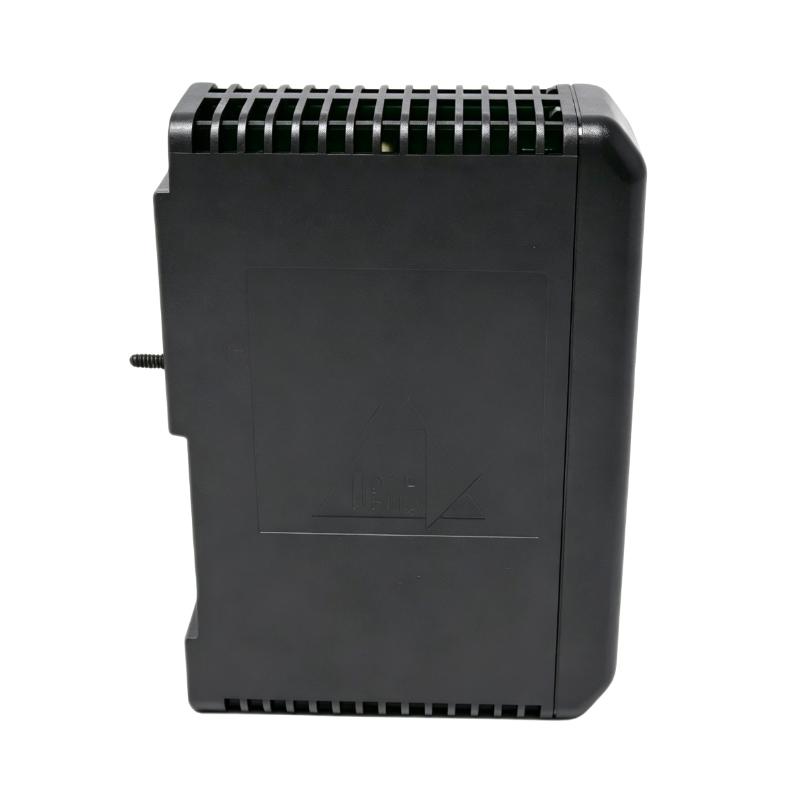
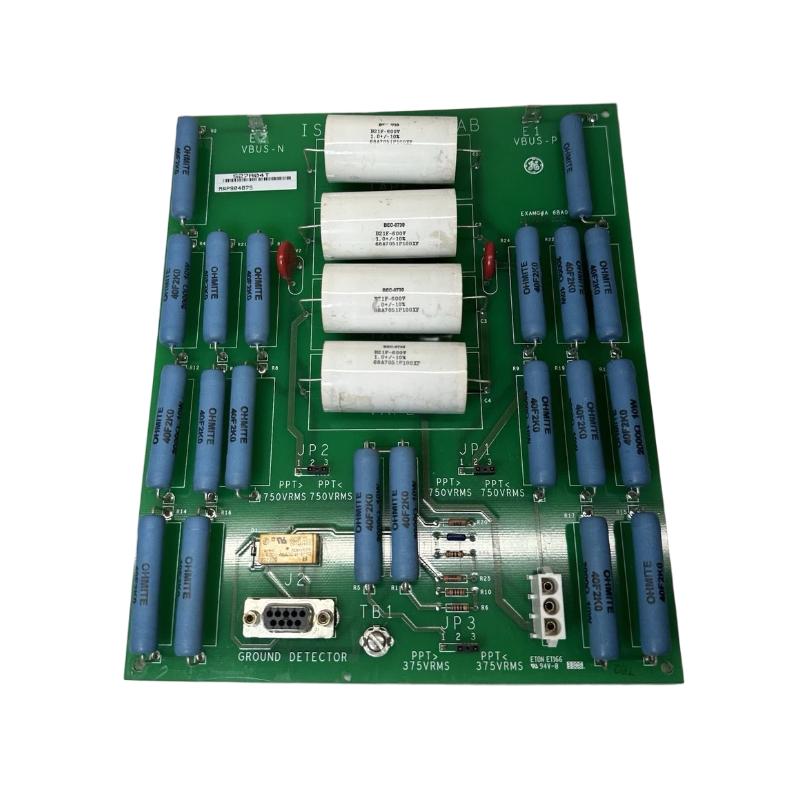
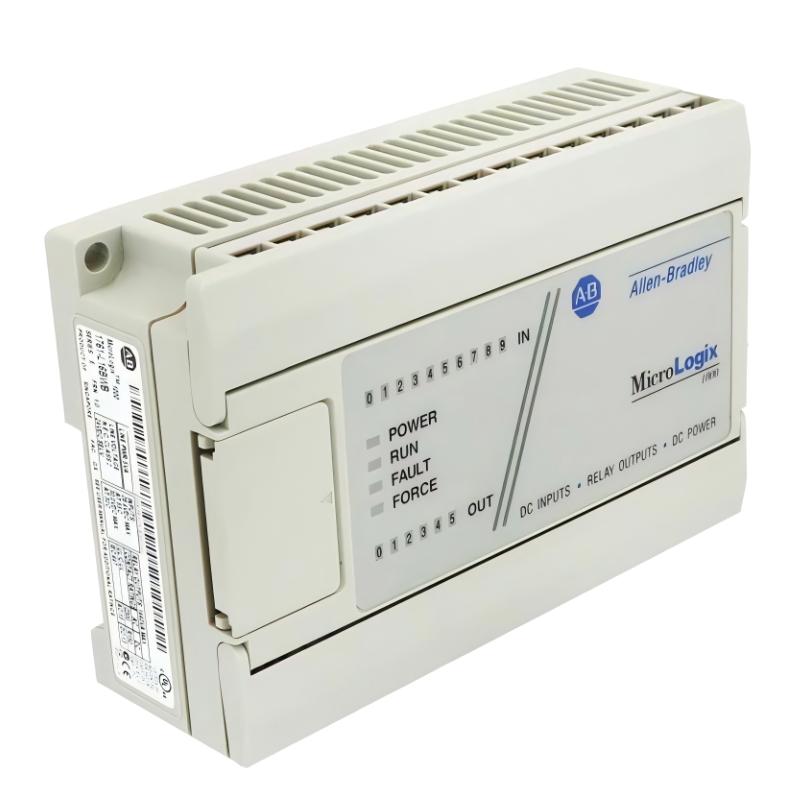
Brand:Emerson Module Item No.:VE4202 Product Origin:USA Product Dimensions:107 x 41 x 105 mm Product Weight:0.3 kg Payment:T/T, Western Union, Credit Card Goods_stock:15 Shipping Port:Xiamen, China Lead Time:1-3 Days Condition:Brand New And Original Warranty:1 Year Certificate:COO
The Emerson VE4202 Remote Interface Unit is an essential component in distributed automation systems, designed to extend control system communication to remote I/O structures. It ensures stable and reliable data exchange between field devices and central controllers, making it a key element in large-scale industrial automation networks where flexibility, scalability, and reliability are critical.
Technical Specifications
Parameter
Specification
Product Model
VE4202
Type
Remote Interface Unit
Function
Remote I/O communication gateway
System Compatibility
Emerson DeltaV / distributed I/O architecture
Communication
Backplane / system network integration
Installation
Rack / panel mounted
Operating Temperature
-20°C to +70°C
Humidity Range
5%–95% non-condensing
Protection
Industrial EMI and vibration resistance
Power Supply
System dependent (backplane powered)
Dimensions
107 × 41 × 105 mm
Weight
0.30 kg
Recommended Related Models
Model
Product Name
VE4021
Emerson Remote I/O Scanner Unit
VE4031
Emerson Remote Communication Interface Module
VE4050E1
Emerson 8-Wide I/O Interface Carrier
VE4060C1
Emerson 8-Wide Carrier Expansion Platform
Popular Related Models
Model
Product Name
VE4012S2
Emerson Analog Input Module
VE4032S1
Emerson Redundant I/O Termination Block
VE4052S1
Emerson Remote I/O Interface Module
VE4085S2B5
Emerson Redundant Analog Output Module
Applications
• Distributed Control System (DCS) remote I/O communication architecture
Acts as a communication gateway between field-mounted I/O subsystems and the main control network, enabling reliable remote signal exchange in large-scale automation systems.
• Oil & gas upstream and offshore control platforms
Used to extend control system reach into remote wellheads, compressor stations, and offshore production modules where direct controller access is limited.
• Power generation plant auxiliary and balance-of-plant systems
Supports remote monitoring and control of distributed equipment such as pumps, fans, and auxiliary skids.
• Petrochemical and refinery distributed automation networks
Enables structured communication between geographically separated process units and central control rooms.
• Large-scale industrial modular expansion systems
Facilitates scalable I/O architecture where multiple remote modules must be synchronized with a central control system.
Key Advantages
• Reliable remote communication bridge for I/O systems
Ensures stable data exchange between field devices and central controllers across long distances.
• Compact industrial-grade design
Built for tight cabinet spaces while maintaining robustness in harsh operating environments.
• High resistance to electromagnetic interference
Maintains signal integrity in electrically noisy industrial environments such as refineries and power plants.
• Supports distributed system scalability
Allows expansion of control systems without redesigning the central architecture.
• Stable performance under continuous operation
Designed for 24/7 industrial uptime with minimal signal interruption risk.
• Seamless integration with Emerson automation ecosystems
Ensures compatibility with DeltaV-based distributed control infrastructures.
Technical FAQs
Q1: What is the main function of VE4202?
A1: It acts as a remote interface unit connecting distributed I/O systems to the main control architecture.
Q2: Does it process control logic directly?
A2: No, it functions as a communication interface rather than a control processor.
Q3: Is it suitable for remote installations?
A3: Yes, it is specifically designed for distributed and remote I/O architectures.
Q4: Can it be used in hazardous environments?
A4: Yes, it is commonly used in industrial remote zones depending on system configuration.
Q5: Does it support redundancy?
A5: Yes, it can operate within redundant system architectures.
Q6: Is configuration required before use?
A6: Yes, system-level configuration within the Emerson control platform is required.
Q7: What industries commonly use this unit?
A7: Oil & gas, power generation, petrochemical, and large-scale process industries.
Q8: Does it support real-time communication?
A8: Yes, it is designed for deterministic industrial communication.
Q9: How does it improve system architecture?
A9: By enabling distributed I/O, it reduces wiring complexity and improves scalability.
Q10: Is it compatible with DeltaV systems?
A10: Yes, it is designed for integration with Emerson DeltaV distributed control systems.