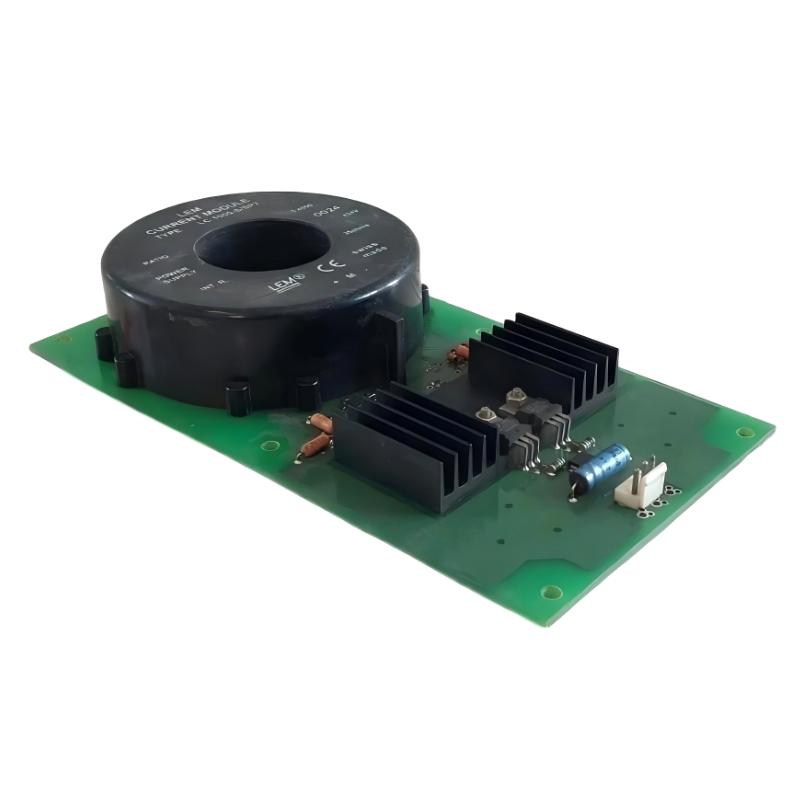
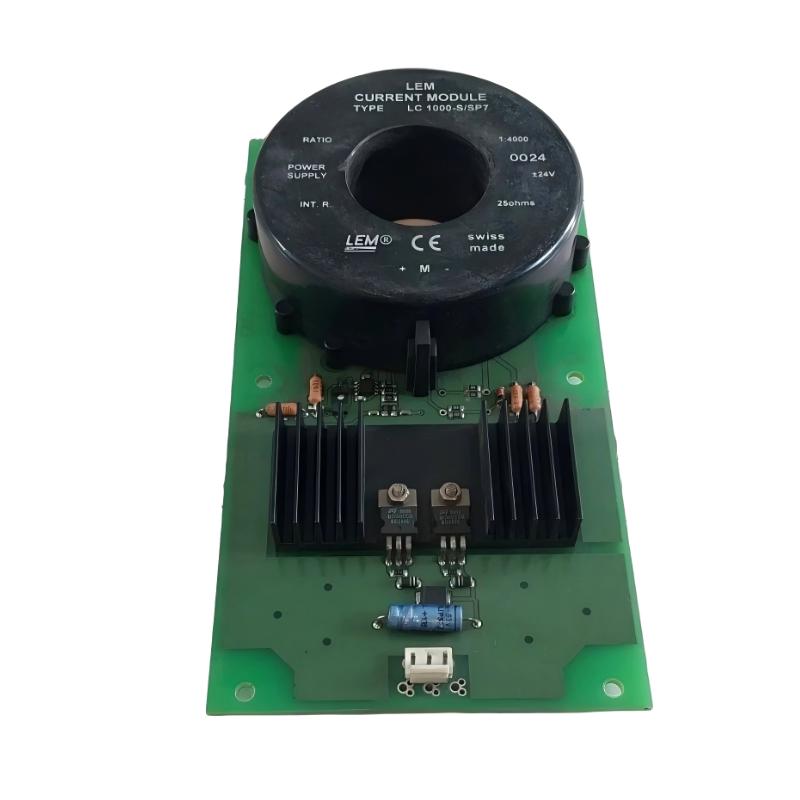
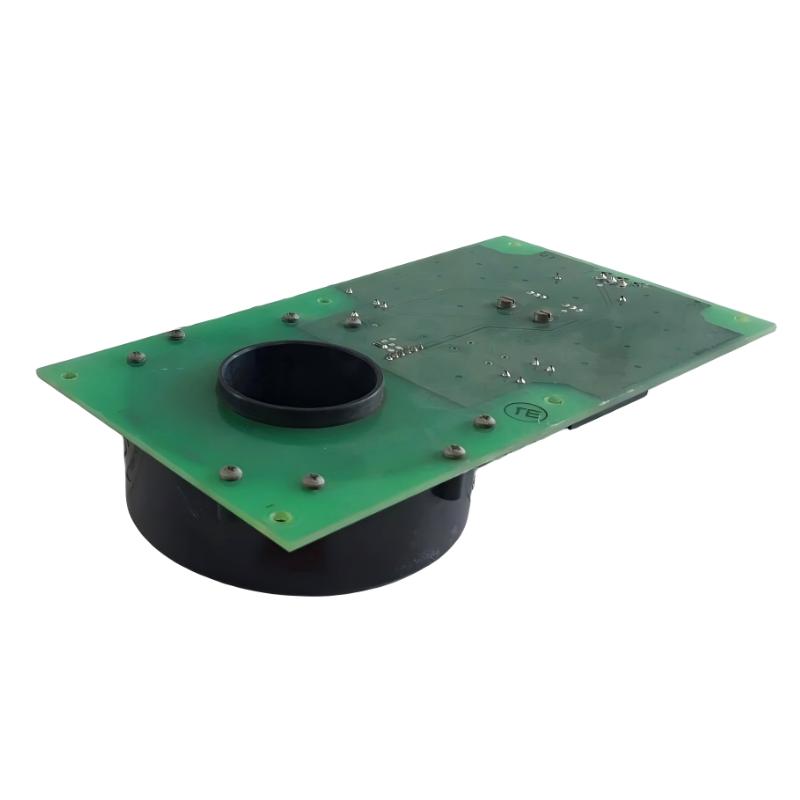
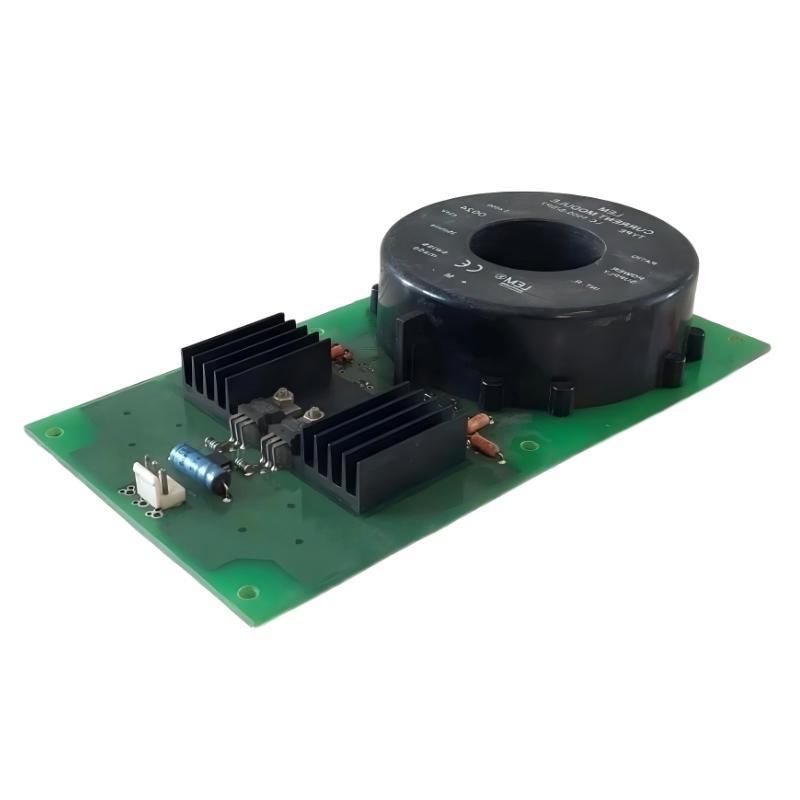
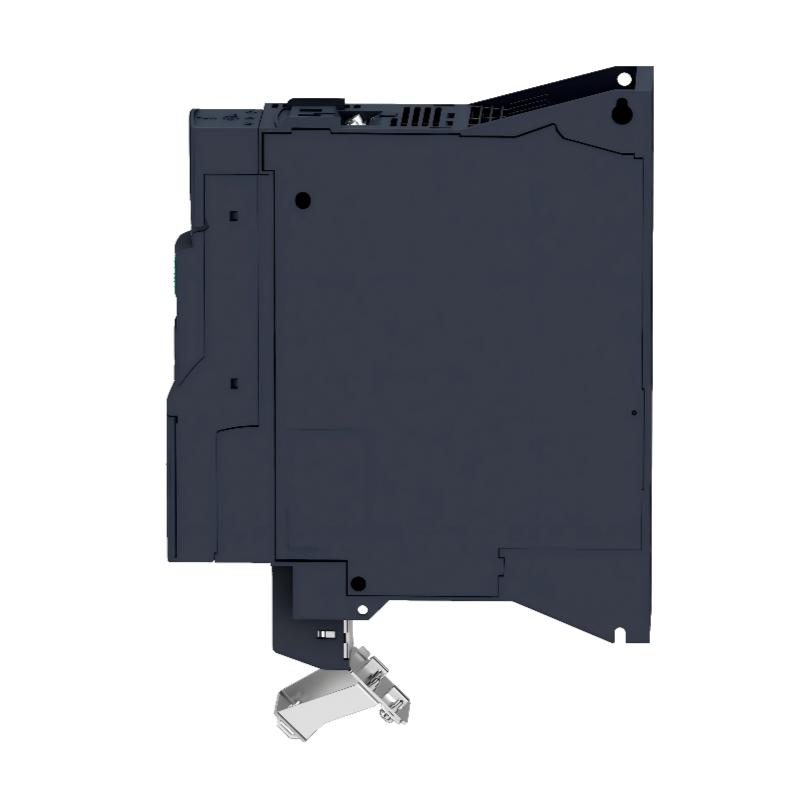
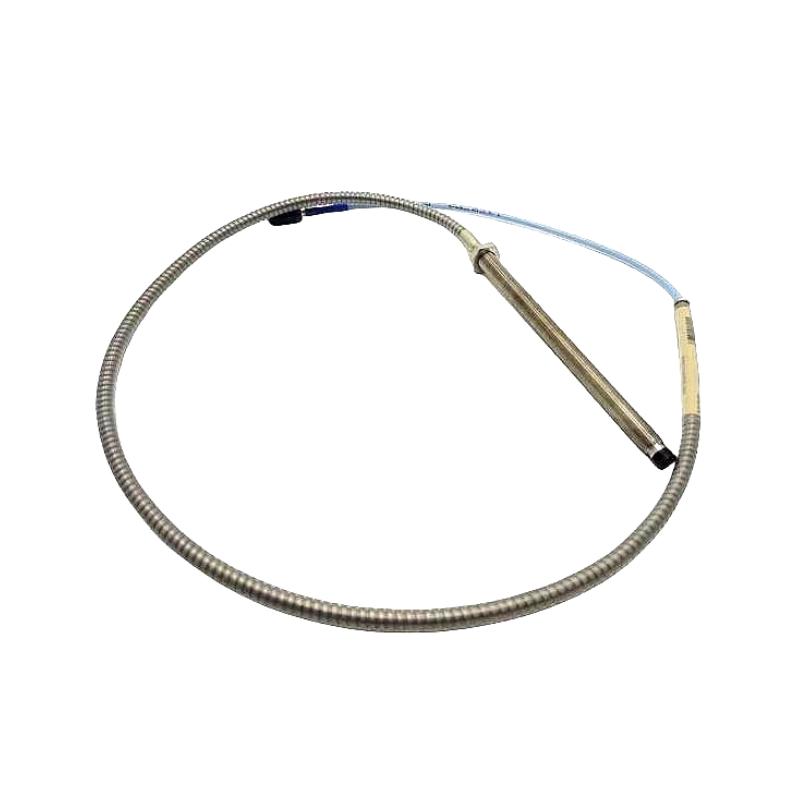
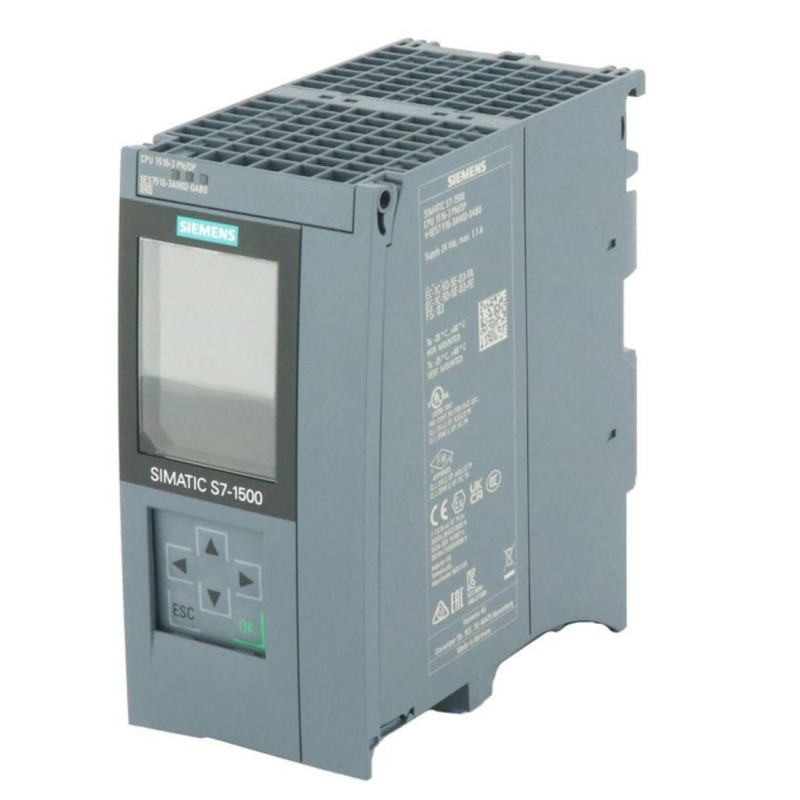
Brand:ABB PLC Item No.:LC1000-S/SP7 Product Origin:Sweden (SE) Product Dimensions:220 x 40 x 130 mm Product Weight:0.76 kg Payment:T/T, Western Union, Credit Card Goods_stock:15 Shipping Port:Xiamen, China Lead Time:1-3 Days Condition:Brand New And Original Warranty:1 Year Certificate:COO
The ABB LC1000-S/SP7 Current Sensor is a high-performance closed-loop current transducer designed for accurate measurement of AC, DC, and pulsed currents in industrial applications. Built on Hall effect technology with galvanic isolation, it delivers reliable and precise current feedback for demanding power electronics and automation systems. Its robust design makes it suitable for environments such as motor drives, power converters, UPS systems, and heavy industrial equipment where accurate current monitoring is critical for system stability and protection.
Technical Specifications
Parameter
Specification
Product Model
LC1000-S/SP7
Manufacturer
ABB
Product Type
Closed-loop Current Sensor
Measurement Type
AC / DC / Pulsed Current
Nominal Current
1000 A class
Measurement Range
Up to ±3000 A (typical range capability)
Technology
Hall effect, closed-loop compensated
Isolation
Galvanic isolation between primary and secondary
Supply Voltage
±24 V DC
Output Type
Analog current output
Response Time
< 1 µs (fast dynamic response)
Frequency Bandwidth
DC up to 100 kHz
Accuracy
High precision industrial grade
Operating Temperature
0 to +70 °C
Mounting Type
Panel / PCB mounting (industrial integration)
Dimensions
220 × 40 × 130 mm
Weight
0.76 kg
Recommended Related Models
Model
Product Name
LC600-S/SP7
ABB 600A Class Current Sensor
LC1000-S
ABB 1000A Standard Current Sensor
LEM LTC 1000-S
LEM Closed-loop Current Transducer 1000A
ABB ESM1000 Series
ABB Industrial Current Sensor Module
Popular Related Models
Model
Product Name
LC500-S/SP5
ABB 500A Current Sensor
LC600-T/SP10
ABB Traction Current Sensor
LC1000-SF/SP15
ABB High Accuracy Current Sensor
LC350-S
ABB Medium Range Current Sensor
Applications
• Industrial power monitoring systems
Used to measure high-current AC, DC, and pulsed currents in industrial electrical systems for monitoring and control purposes.
• Variable speed drive (VFD) systems
Applied in motor drive installations to provide real-time current feedback for stable torque and speed regulation.
• Power conversion and inverter systems
Supports current measurement in rectifiers, inverters, and DC power conversion equipment.
• Uninterruptible Power Supply (UPS) systems
Used to monitor charging and discharging currents to ensure stable backup power performance.
• Welding and industrial power supply equipment
Provides accurate current feedback in high-load electrical equipment and welding power systems.
• Battery and energy storage systems
Enables precise current sensing in charging/discharging circuits for energy management applications.
Key Advantages
• High accuracy current measurement
Designed to deliver precise current sensing with excellent linearity and low offset drift.
• Wide measurement range capability
Supports measurement of large currents up to industrial high-power levels (up to 1000 A nominal range class).
• Galvanic isolation design
Ensures electrical separation between primary and secondary circuits for safe operation.
• Fast dynamic response
Capable of accurately tracking rapid current changes in power electronics applications.
• Low insertion loss
Non-invasive measurement method avoids power loss in the primary conductor.
Technical FAQs
Q1: What is the main function of LC1000-S/SP7?
A1: It is a closed-loop current sensor used to measure AC, DC, and pulsed currents in industrial systems.
Q2: What is its rated current range?
A2: It belongs to the 1000A nominal current sensor class, suitable for high-power applications.
Q3: Does it support both AC and DC measurement?
A3: Yes, it can measure AC, DC, and pulsed currents.
Q4: What principle does it use?
A4: It uses a closed-loop Hall effect sensing principle.
Q5: Is electrical isolation provided?
A5: Yes, galvanic isolation exists between primary and secondary circuits.
Q6: Where is it commonly installed?
A6: In power electronics cabinets, inverter systems, and industrial drive panels.
Q7: Does it require direct electrical contact with the conductor?
A7: No, it measures current non-invasively via a primary conductor passing through the sensor.
Q8: Is it suitable for high-frequency applications?
A8: Yes, it supports wide bandwidth current measurement suitable for dynamic loads.
Q9: What industries commonly use it?
A9: Automation, energy, power conversion, welding, and heavy industry sectors.
Q10: What is its main advantage over shunt resistors?
A10: It provides isolated, loss-free measurement with higher safety and better dynamic response.