Allen Bradley PLC

  1. Home
  2. Products
  3. Allen Bradley PLC
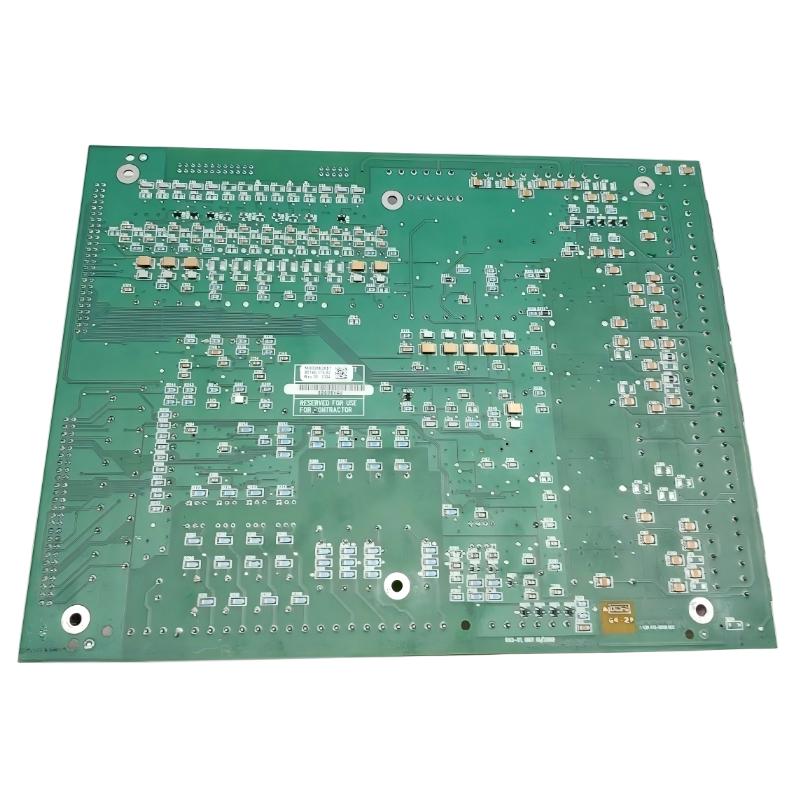
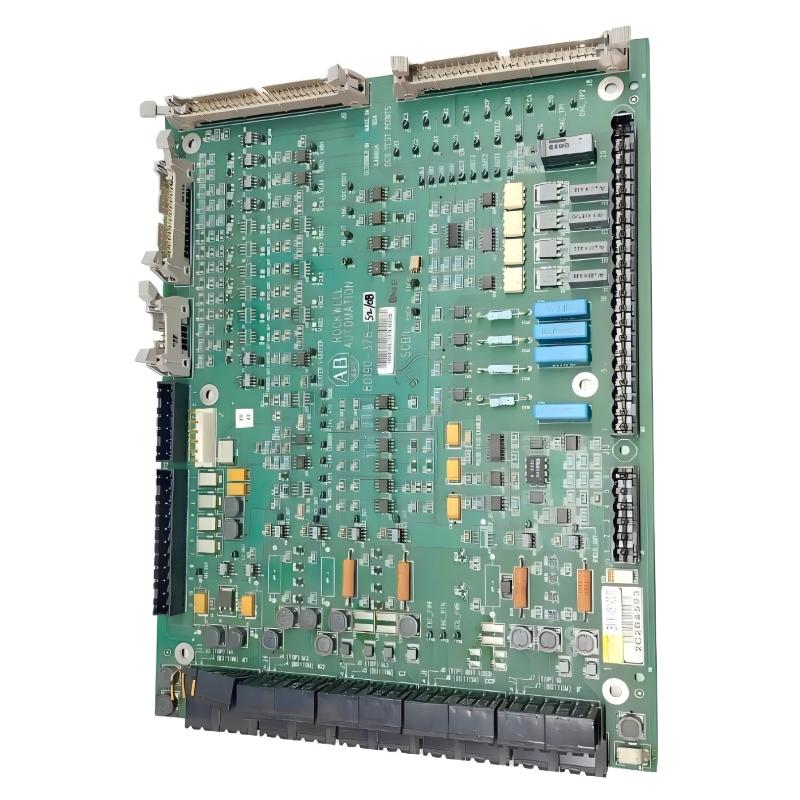
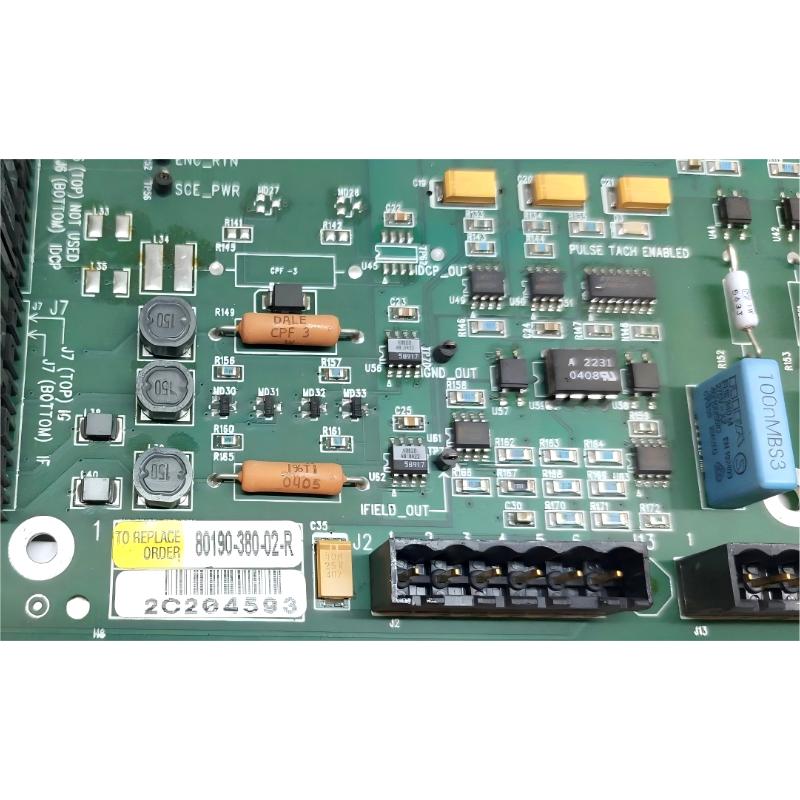
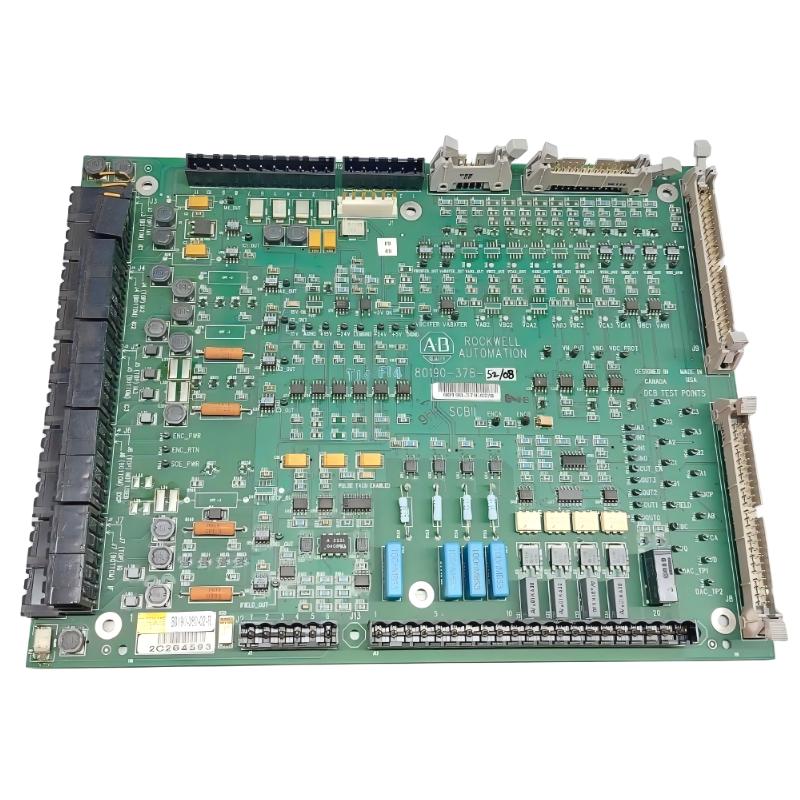
  4. Allen Bradley 80190-380-02-R Signal Conditioning Board
Allen Bradley 80190-380-02-R Signal Conditioning Board

Allen Bradley 80190-380-02-R Signal Conditioning Board

0.0
Points

Brand:Allen Bradley PLC
Item No.:80190-380-02-R
Product Origin:USA
Product Dimensions:180 x 25 x 150 mm
Product Weight:0.3 kg
Payment:T/T, Western Union, Credit Card
Goods_stock:15
Shipping Port:Xiamen, China
Lead Time:1-3 Days
Condition:Brand New And Original
Warranty:1 Year
Certificate:COO

Add to cart


Introduction

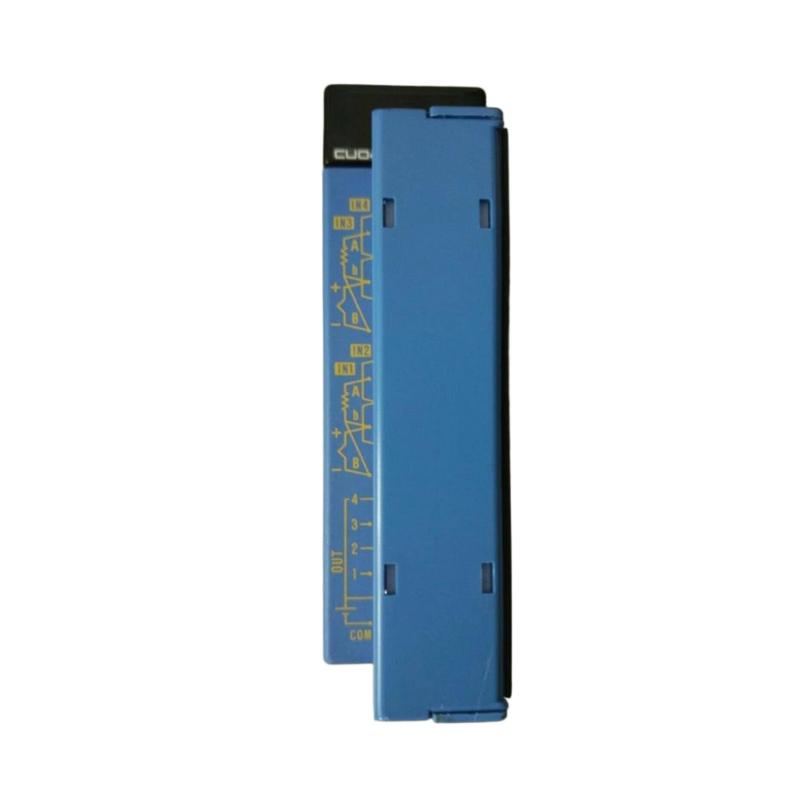
The Allen Bradley 80190-380-02-R Signal Conditioning Board is a high-quality industrial component developed to enhance signal performance within automated control systems. Designed for applications where precision and reliability are essential, this board helps ensure that critical signals are properly conditioned before reaching controllers, drives, or monitoring equipment.

Its rugged construction and dependable operation make it suitable for a wide range of manufacturing, processing, and automation environments. Whether used in system upgrades or replacement projects, the 80190-380-02-R offers a practical solution for maintaining consistent control performance and operational efficiency.


Technical Specifications

SpecificationDetails
Product TypeSignal Conditioning Board
ManufacturerAllen Bradley
Model Number80190-380-02-R
Dimensions180 x 25 x 150 mm
Weight0.30 kg (0.66 lb)
FunctionSignal Conditioning and Processing
InstallationIndustrial Control Systems
Application EnvironmentFactory Automation and Process Control
Signal SupportAnalog and Control Signal Conditioning
ConstructionIndustrial-Grade Electronic Assembly


Applications

The Allen Bradley 80190-380-02-R Signal Conditioning Board is designed to optimize and stabilize signal transmission within industrial automation systems. It plays a critical role in applications where signal accuracy directly impacts operational efficiency and control performance.

  • Industrial process monitoring and control systems
  • PLC-based automation networks
  • Analog signal conversion and conditioning applications
  • Motion control and drive systems
  • Manufacturing equipment requiring precise sensor integration
  • Distributed control systems (DCS) and supervisory control environments

By enhancing signal quality before processing, this board helps maintain dependable communication between field devices and control equipment.


Advantages

  • Improves signal integrity for enhanced system accuracy
  • Reduces the effects of electrical noise and signal distortion
  • Supports stable operation in demanding industrial environments
  • Compact design simplifies integration into existing assemblies
  • Helps extend the service life of connected control components
  • Reliable performance for continuous-duty applications
  • Designed to support efficient troubleshooting and maintenance procedures

The 80190-380-02-R provides a dependable solution for facilities seeking greater control precision and improved operational consistency.


Technical FAQs

1. What is the primary function of a signal conditioning board?

A signal conditioning board modifies, filters, isolates, or amplifies incoming signals to ensure accurate processing by control systems.

2. Can this board help reduce electrical interference?

Yes. It is designed to improve signal quality and minimize the effects of industrial electrical noise.

3. Is the module suitable for analog sensor applications?

Yes. It can be used with various analog input devices that require stable and conditioned signals.

4. Does the board support signal isolation?

The board is designed to provide signal management capabilities that help improve reliability and reduce interference between circuits.

5. Can it be integrated into existing automation systems?

Yes. It is commonly installed as part of both new installations and retrofit projects.

6. How does signal conditioning improve control accuracy?

By reducing noise, stabilizing voltage levels, and enhancing signal consistency before processing.

7. Is the board appropriate for continuous industrial operation?

Yes. It is engineered for long-term operation in industrial automation environments.

8. Can it improve communication between sensors and controllers?

Yes. Proper signal conditioning helps ensure that transmitted data remains accurate and reliable.

9. What types of industrial systems commonly use signal conditioning boards?

Process control systems, manufacturing equipment, motor control systems, and automation networks frequently utilize signal conditioning technology.

10. Does signal conditioning contribute to system reliability?

Yes. Clean and stable signals reduce errors, improve response accuracy, and support overall system performance.


Look forward to your comments!Comment
Latest comments
Tags:
Need Assistance? Chat with Us on WhatsApp!
Need Assistance? Click to Inquire
Back to top