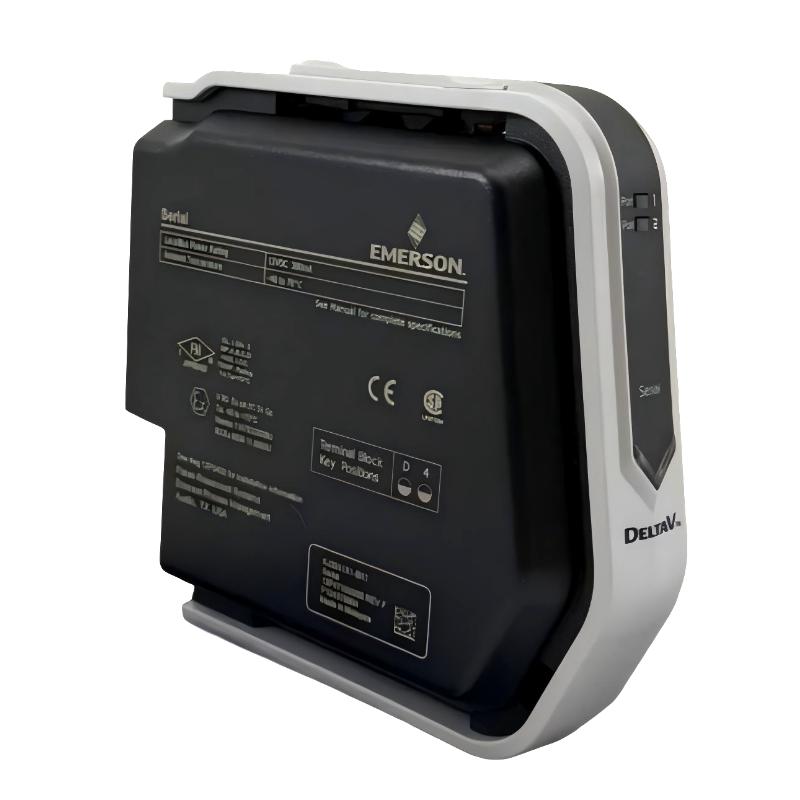
Brand:Bently Nevada PLC Item No.:990-08-50-01-00 Product Origin:USA Product Dimensions:100.1 x 73.9 x 53.3 mm Product Weight:0.43 kg Payment:T/T, Western Union, Credit Card Goods_stock:15 Shipping Port:Xiamen, China Lead Time:1-3 Days Condition:Brand New And Original Warranty:1 Year Certificate:COO
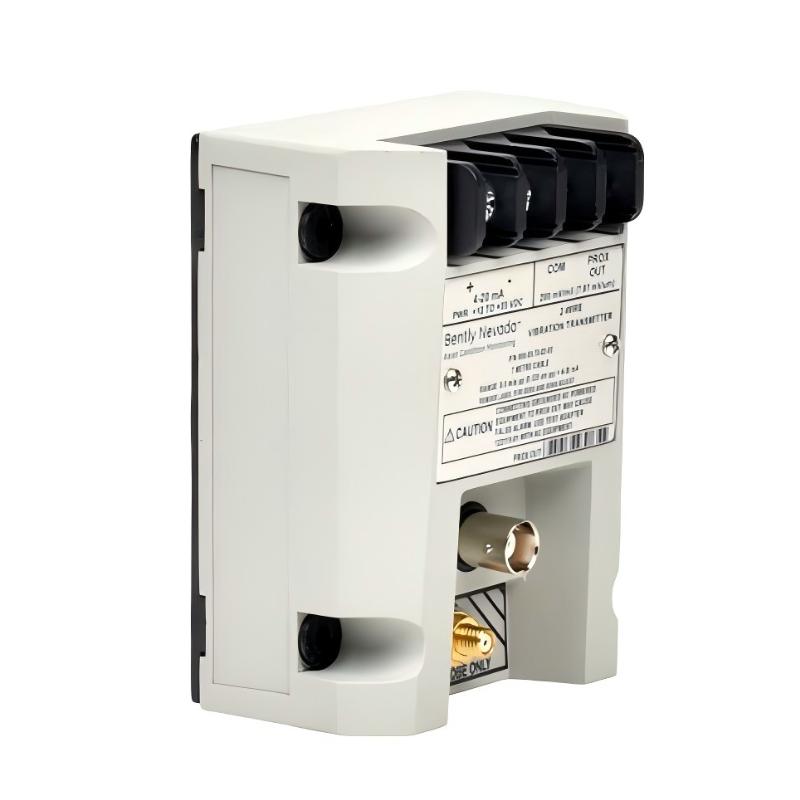
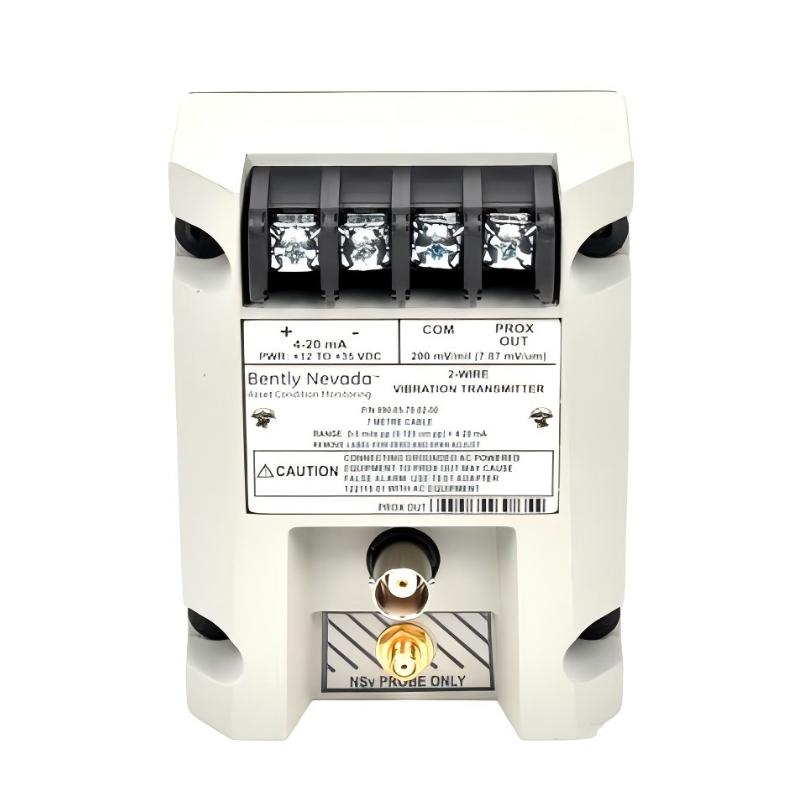
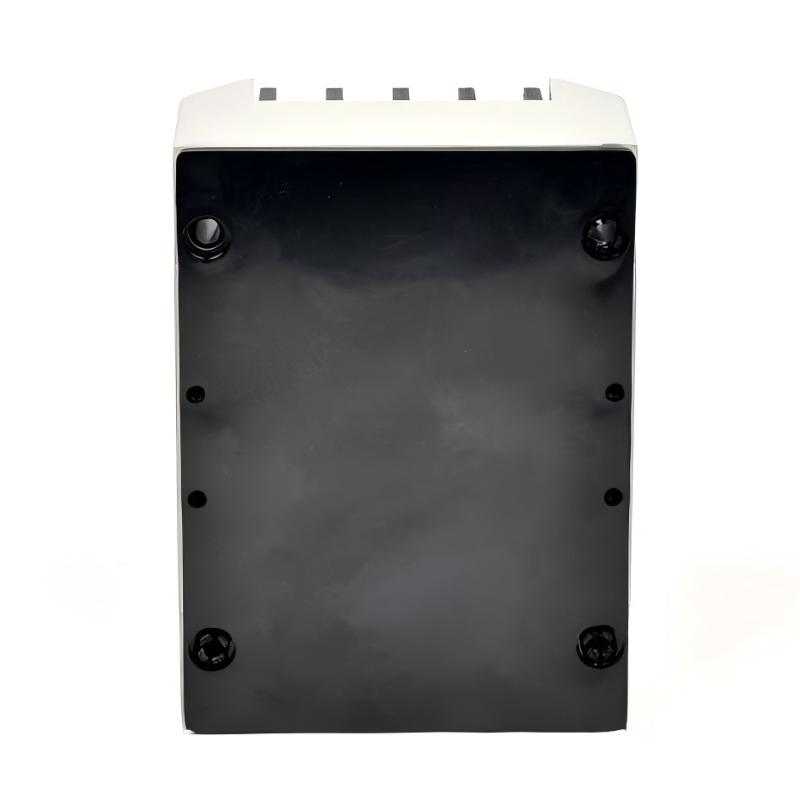
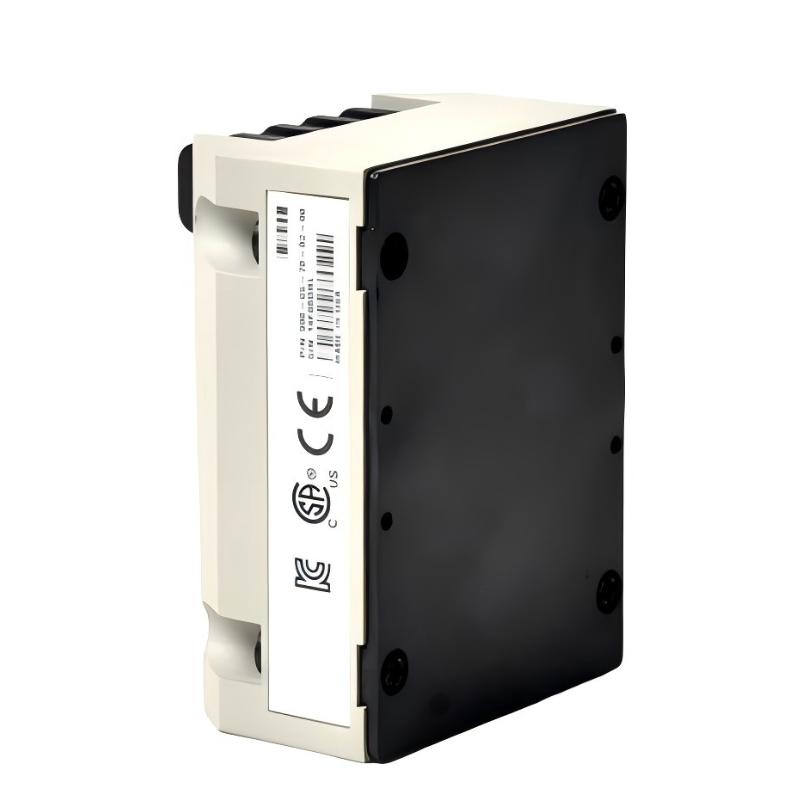
The Bently Nevada 990-08-50-01-00 990 Vibration Transmitter is a compact machinery-monitoring solution developed for applications that need reliable vibration information without the complexity of a large rack-based monitoring system.
The 990 platform is particularly useful in rotating equipment packages where the vibration measurement must ultimately become a control-system signal. Instead of sending a complex raw sensor signal directly to a PLC or DCS, the transmitter conditions the proximity-probe signal and provides a practical 4–20 mA output representing vibration amplitude.
The “08” configuration identifies the 0–8 mils peak-to-peak full-scale range, while “50” specifies the 5-meter system length. The “01” mounting designation provides DIN-rail mounting, making this version convenient for control cabinets and packaged machinery systems.
The 990-08-50-01-00 is a particularly practical choice for OEM machinery builders, maintenance teams, system integrators, and industrial users looking to add vibration monitoring to pumps, compressors, motors, or fans without installing a more elaborate monitoring platform.
Its compact design, conventional analog output, and compatibility with the 3300 NSv proximity measurement system make it a useful component for both new equipment and replacement projects.
Technical Specifications
Specification
Details
Brand
Bently Nevada
Model
990-08-50-01-00
Product Type
990 Vibration Transmitter
Full-Scale Range
0–8 mils pp (0–200 μm pp)
Measurement Input
3300 NSv Proximity Probe
Output Signal
4–20 mA DC
Configuration
Two-wire, loop-powered
Supply Voltage
+12 to +35 VDC
System Length
5.0 m
Mounting
35 mm DIN Rail
Frequency Response
5 Hz to 6,000 Hz
Loop Accuracy
±1.5% over specified full-scale range
Maximum Loop Resistance
1,000 Ω at 35 VDC
Probe Gap
0.5–1.75 mm
Operating Temperature
-35°C to +85°C
Relative Humidity
Up to 100% condensing, non-submerged
Transmitter Case
Industrial potted construction
Dimensions
100.1 × 73.9 × 53.3 mm
Weight
0.43 kg (0.95 lb)
Primary Application
Rotating Machinery Vibration Monitoring
The 0–8 mils peak-to-peak configuration is suitable for applications where the expected vibration range requires greater measurement span than the lower-range 990 configurations. The 5-meter system length provides a practical installation option for many compact machinery packages.
Recommended Related Models
Model
Product Type
Relationship
330901
3300 NSv Proximity Probe
Compatible proximity probe option
330902
3300 NSv Proximity Probe
Armored probe option
330903
3300 NSv Proximity Probe
Metric M8 × 1 version
330904
3300 NSv Proximity Probe
Metric armored version
330905
3300 NSv Proximity Probe
Metric M10 × 1 version
330910
3300 NSv Proximity Probe
Metric M10 × 1 armored version
330930
Extension Cable
3300 NSv extension cable family
122115-01
990/991 Test Adapter
Diagnostic and signal-isolation accessory
Popular Related Models
For customers comparing different configurations within the same transmitter family, the following models are useful alternatives to consider:
Model
Product Type
Typical Use
990-04-50-01-00
990 Vibration Transmitter
0–4 mils pp, 5 m, DIN rail
990-05-50-01-00
990 Vibration Transmitter
0–5 mils pp, 5 m, DIN rail
990-08-50-02-00
990 Vibration Transmitter
0–8 mils pp, 5 m, bulkhead mounting
990-10-50-01-00
990 Vibration Transmitter
0–10 mils pp, 5 m, DIN rail
990-08-70-01-00
990 Vibration Transmitter
0–8 mils pp, 7 m, DIN rail
991-08-50-01-00
991 Thrust Transmitter
Related transmitter platform for thrust applications
177230
Seismic Transmitter
General-purpose machinery vibration monitoring
Applications
The Bently Nevada 990-08-50-01-00 990 Vibration Transmitter is designed for machinery applications where a dependable vibration signal needs to be delivered directly to a plant control system. This configuration combines the 990 transmitter platform with an 0–8 mils peak-to-peak full-scale range, a 5-meter system length, DIN-rail mounting, and a configuration without additional agency approval requirements.
The transmitter is particularly well suited to centrifugal air compressors, small pumps, motors, and fans where operators need a straightforward vibration measurement for machine protection and condition trending. It works with the Bently Nevada 3300 NSv proximity probe system and converts the measured vibration into a standard 4–20 mA signal for connection to PLC, DCS, or other machinery control equipment.
For OEM packages, compact machinery skids, and retrofit projects, the 990-08-50-01-00 offers a practical alternative to installing a larger continuous vibration monitoring rack. Its compact construction also makes it useful where cabinet space or mounting clearance is limited.
Typical applications include:
Centrifugal compressor vibration monitoring
Small pump condition monitoring
Motor vibration protection
Industrial fan monitoring
OEM rotating machinery packages
PLC-based machinery protection
DCS vibration signal input
General vibration trending
Machinery retrofit projects
Compact condition-monitoring installations
The 990 transmitter is especially attractive when the primary requirement is a proportional vibration signal rather than a full dynamic vibration analysis system.
Advantages
The Bently Nevada 990-08-50-01-00 combines the functionality of a proximity signal conditioner and vibration transmitter in a compact industrial package. Its integrated Proximitor functionality reduces the need for a separate external proximity interface, helping simplify the overall measurement architecture.
A major advantage is its standard 4–20 mA output. This allows vibration information to be incorporated into conventional control architectures without requiring a dedicated vibration monitoring rack. For many small and medium rotating-machine applications, this makes system integration straightforward and cost-effective.
The transmitter also provides a PROX OUT diagnostic signal, allowing technicians to access the transducer signal for troubleshooting and measurement verification. A built-in Not OK/Signal Defeat function helps prevent an abnormal sensor or connection condition from being interpreted as an unnecessarily high vibration output.
Additional engineering benefits include:
Integrated proximity signal conditioning
Standard 4–20 mA process output
Two-wire loop-powered operation
0–8 mils peak-to-peak configured measurement range
5-meter 3300 NSv system configuration
DIN-rail mounting capability
External zero and span adjustment
Diagnostic PROX OUT connection
Compact installation footprint
Suitable for OEM and retrofit applications
For buyers looking for a compact Bently Nevada vibration transmitter for direct integration into an existing automation system, the 990-08-50-01-00 provides a strong balance between machinery protection functionality, installation simplicity, and maintenance accessibility.
Technical FAQs
1. What type of vibration measurement does the 990-08-50-01-00 provide?
The transmitter provides a proportional vibration output based on the signal from a compatible 3300 NSv proximity probe. The 990-08-50-01-00 configuration has a full-scale range of 0–8 mils peak-to-peak, equivalent to 0–200 μm peak-to-peak.
2. What output signal does the 990-08-50-01-00 use?
The primary machinery-control output is a standard 4–20 mA DC signal in a two-wire loop-powered configuration. This makes the transmitter suitable for connection to conventional PLC and DCS analog input channels.
3. Which proximity probe system is compatible with this transmitter?
The 990 transmitter is designed for use with the Bently Nevada 3300 NSv proximity probe and compatible extension cable. The probe and extension cable should be selected according to the required mechanical installation and system configuration.
4. What supply voltage is required?
The transmitter requires a DC supply of approximately +12 to +35 VDC at the transmitter terminals. The available loop resistance must also be considered when selecting the supply voltage.
5. How should the proximity probe gap be adjusted?
For the specified measurement range, the probe should normally be positioned within the appropriate operating gap relative to the target. The nominal usable gap range is approximately 0.5 to 1.75 mm, depending on the application and target conditions.
6. What happens when the transmitter detects a Not OK condition?
The Not OK/Signal Defeat function drives the signal output below approximately 3.6 mA when an applicable sensor or connection fault occurs. This helps the control system distinguish an abnormal transmitter condition from a genuine high-vibration condition.
7. Can the PROX OUT signal be used for vibration diagnostics?
Yes. The PROX OUT connection provides access to the dynamic transducer signal for diagnostic purposes. When connecting grounded AC-powered test equipment, appropriate signal isolation should be used to protect the measurement circuit.
8. Can this transmitter replace a complete vibration monitoring rack?
Not in applications requiring advanced dynamic vibration analysis. The 990 is intended primarily to provide a proportional vibration signal for machinery control, protection, and trending. More advanced applications requiring detailed waveform, spectrum, phase, or orbit analysis normally require a dedicated monitoring system.
9. What mounting method is specified for the 990-08-50-01-00?
The “01” mounting option corresponds to 35 mm DIN-rail clips. This allows the transmitter to be installed conveniently inside an industrial control cabinet or equipment enclosure.
10. What should be checked when commissioning a 990 transmitter?
Commissioning should include verification of the DC supply, loop wiring, probe connection, probe gap, target material, 4–20 mA loop response, and Not OK behavior. The zero and span settings should also be checked against the machinery's required vibration measurement range.