Schneider ATV610 Drive Testing Guide: Avoid Common Mistakes and Improve Commissioning Efficiency
Meta Description (SEO):
A practical guide for Schneider Electric ATV610 variable frequency drive testing, highlighting common pitfalls and best practices to improve commissioning efficiency and system reliability in industrial applications.
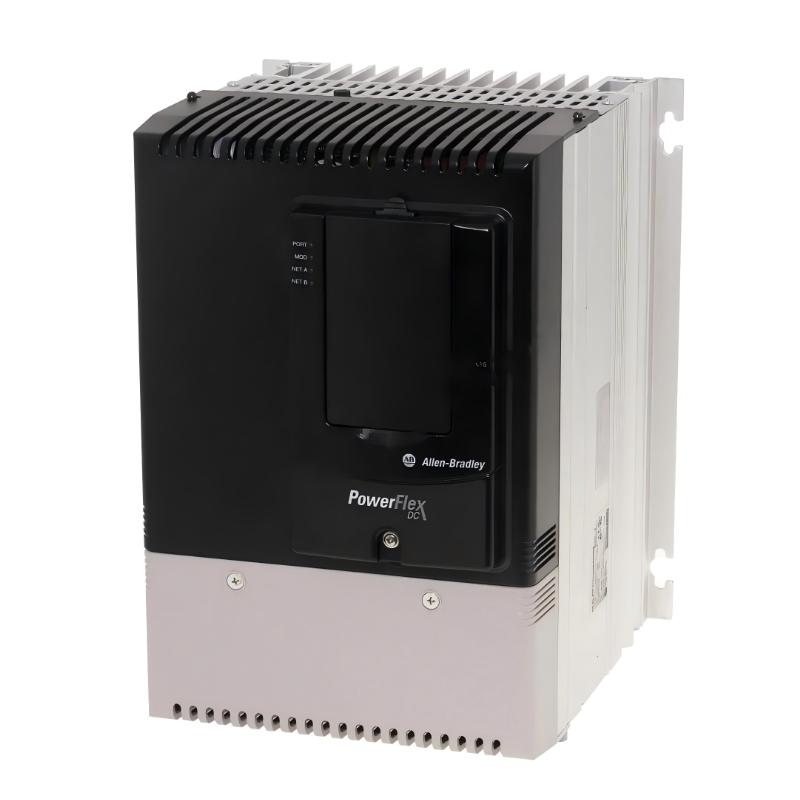
Understanding the Schneider ATV610 Variable Frequency Drive
The Schneider Electric ATV610 is widely used in industrial HVAC, water treatment, and pump applications, offering reliable motor control and energy-efficient operation.
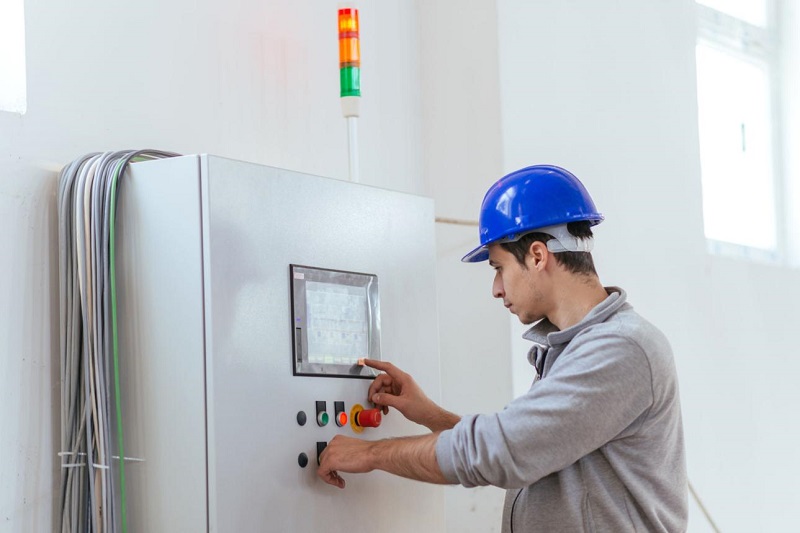
As adoption of variable frequency drives (VFDs) increases, proper testing and commissioning procedures are critical to ensure stable system performance and avoid operational failures.
Common Misconceptions in ATV610 Testing
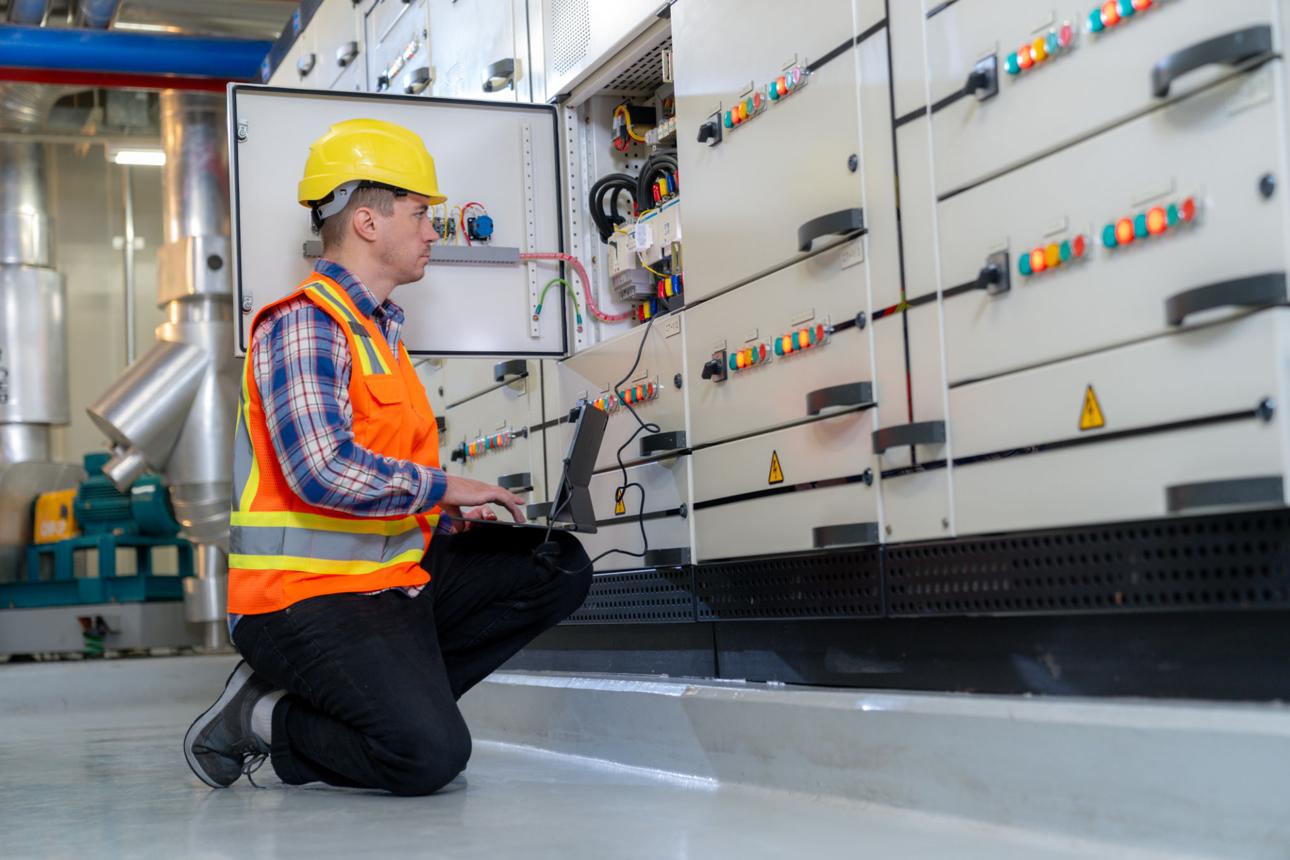
During field commissioning and maintenance, several common errors are frequently observed:
1. Skipping Load Simulation Tests
Operators sometimes test the drive without realistic load conditions, which can lead to unidentified performance issues during actual operation.
2. Incorrect Motor Parameter Configuration
Incorrect motor nameplate settings may result in overcurrent alarms, reduced efficiency, or unstable speed control.
3. Ignoring Communication Setup
Improper configuration of communication protocols (Modbus, fieldbus systems) can affect system integration with PLC and SCADA platforms.
4. Overlooking Ramp and Deceleration Settings
Incorrect acceleration/deceleration parameters may cause mechanical stress or process instability.
Best Practices for Efficient ATV610 Testing
To improve commissioning efficiency and reliability, the following practices are recommended:
- Perform full load simulation testing before final startup
- Accurately configure motor nameplate parameters
- Verify all communication interfaces with control systems
- Optimize acceleration and deceleration curves based on application requirements
- Conduct thermal and overload condition checks during commissioning
These steps help ensure the drive operates within its optimal performance range while minimizing downtime risks.
Enhancing Industrial Efficiency Through Proper Commissioning
Proper testing of ATV610 drives contributes to:
- Improved energy efficiency in motor-driven systems
- Reduced risk of unplanned downtime
- Extended equipment lifespan
- Stable operation in HVAC, pump, and fan applications
- Better integration with industrial automation systems
In modern industrial environments, accurate commissioning is a key factor in achieving reliable and efficient automation performance.
Industry Outlook: Growing Demand for Smart Drive Commissioning
As industrial automation expands, VFDs like the ATV610 are increasingly deployed in:
- Smart building HVAC systems
- Water and wastewater treatment plants
- Industrial pumping stations
- Energy-efficient manufacturing facilities
This trend increases the importance of standardized testing and commissioning procedures to ensure system reliability and performance consistency.