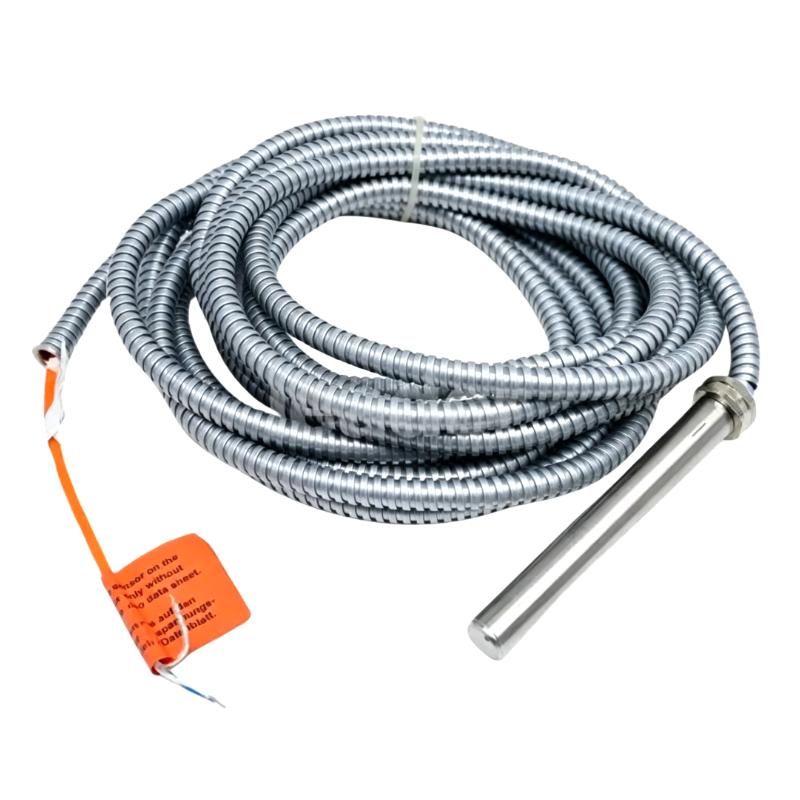
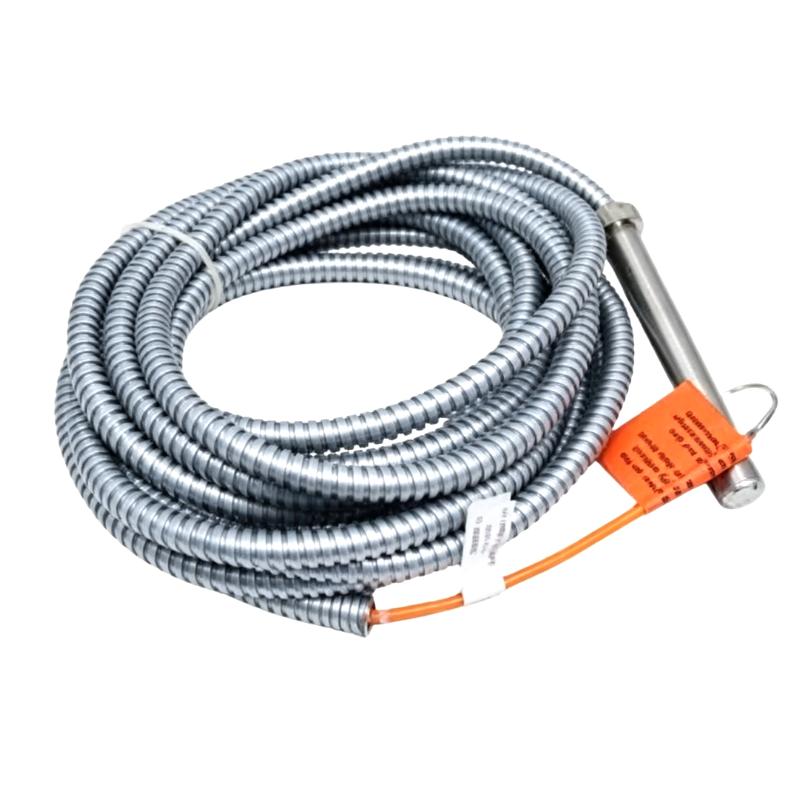
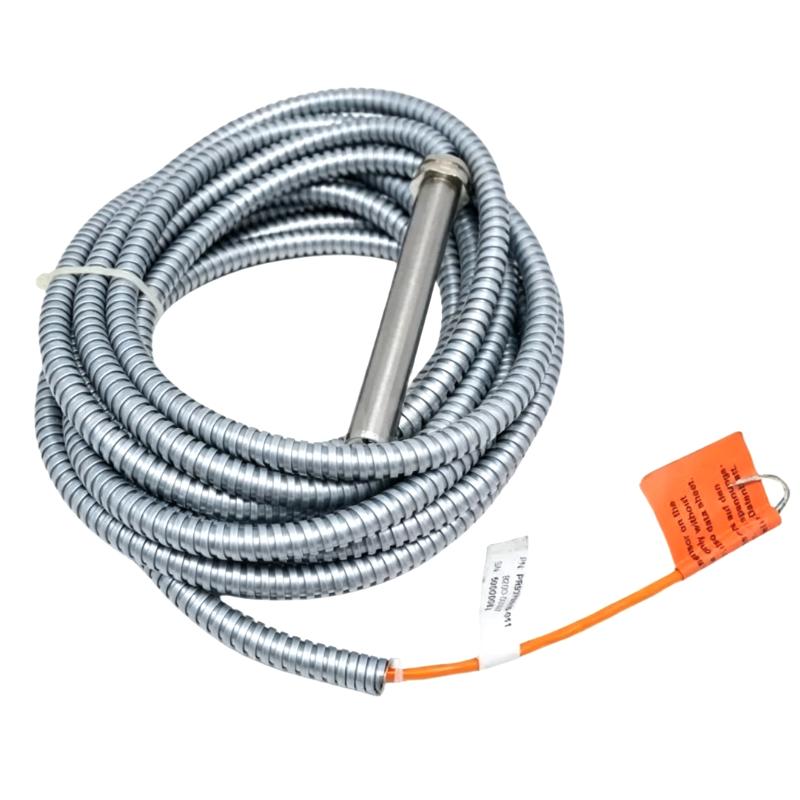
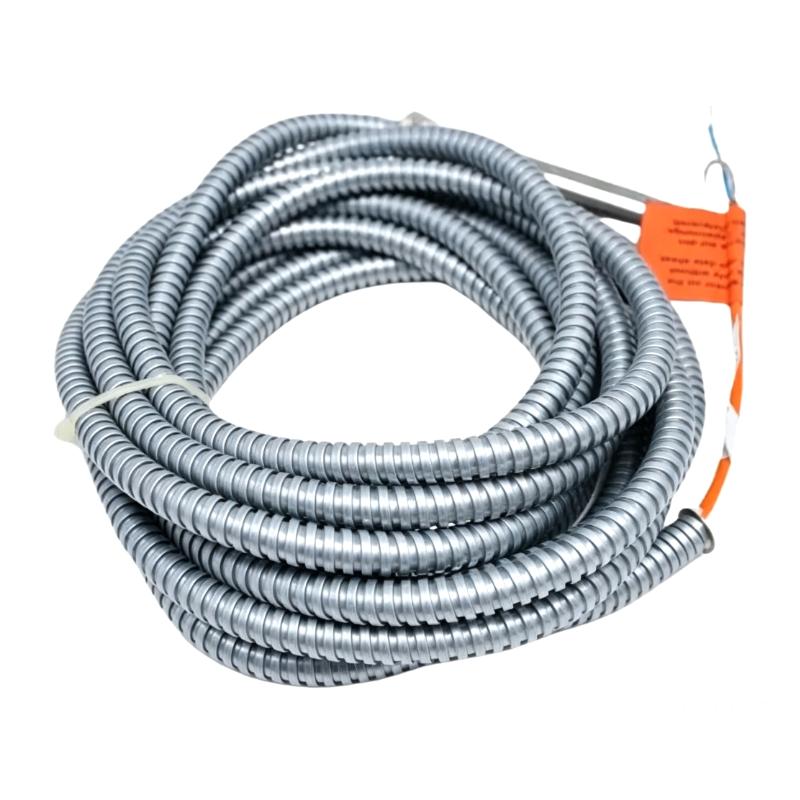
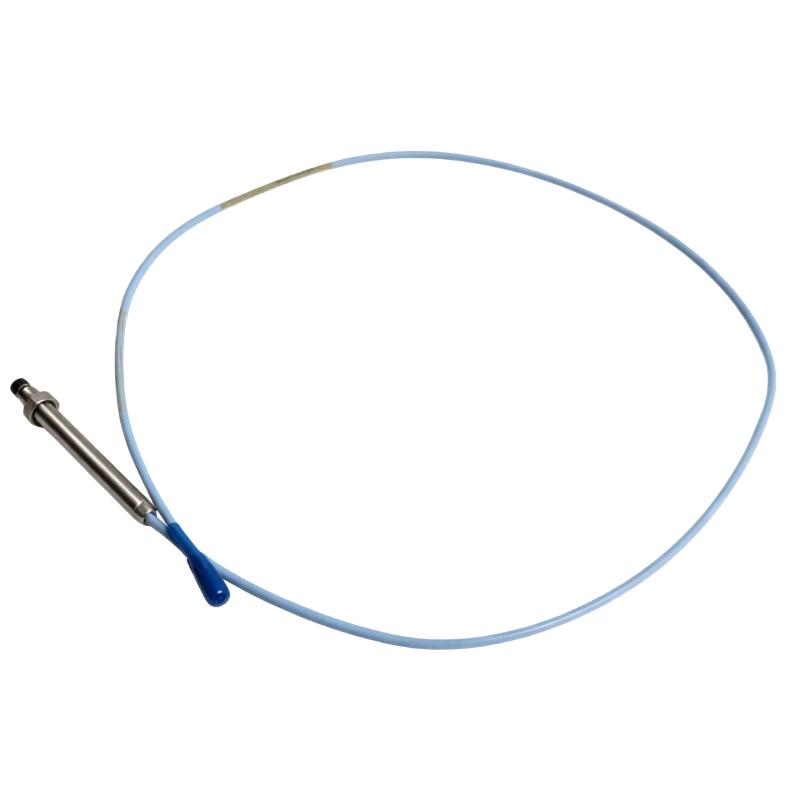
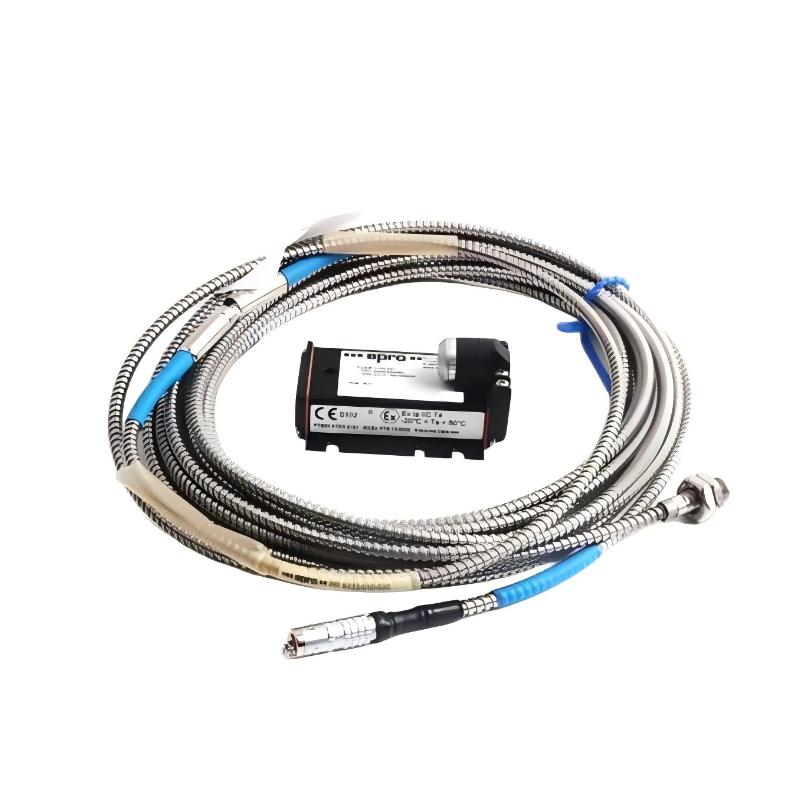
Brand:Epro PLC Item No.:PR9376/010-001 Product Origin:Germany Product Dimensions:Diameter: 14 mm Product Weight:0.21 kg Payment:T/T, Western Union, Credit Card Goods_stock:15 Shipping Port:Xiamen, China Lead Time:1-3 Days Condition:Brand New And Original Warranty:1 Year Certificate:COO
The Epro PR9376/010-001 is a 14 mm Hall Effect speed and proximity sensor designed for accurate non-contact measurement of rotational speed in critical industrial machinery. It provides reliable pulse output signals for monitoring and protection systems.
Technical Specifications
Parameter
Specification
Manufacturer
Epro (Emerson EPRO)
Product Type
Hall Effect Speed / Proximity Sensor
Model Number
PR9376/010-001
Sensor Diameter
14 mm
Measurement Type
Speed / proximity (rotational detection)
Output Signal
Digital pulse (1 cycle per tooth/revolution)
Supply Voltage
10–30 VDC
Current Consumption
≤ 25 mA
Air Gap
~1.0–1.5 mm
Max Frequency
Up to 12 kHz
Operating Temperature
-25°C to +100°C
Protection Class
IP67
Housing Material
Stainless steel
Weight
~0.21–0.8 kg (configuration dependent)
Recommended Related Models
Model Number
Product Name
Epro PR9268/017-100
Electrodynamic Velocity Sensor
Epro PR9268/301-100
Vibration Velocity Sensor
Epro PR6426/000-010
Eddy Current Displacement Sensor
Epro PR6425/010-130
16 mm Eddy Current Sensor
Popular Related Models
Model Number
Product Name
Epro PR6426/000-030 + CON021
Eddy Current Sensor System
Epro PR6424/010-130
Eddy Current Proximity Sensor
Epro PR6423/010-000
Vibration Probe
Epro PR6424/014-040
Sensor Assembly System
Applications
• Turbomachinery Speed Monitoring
Used for precise speed and proximity detection in turbines, compressors, and generators for control and protection systems.
• Gear Tooth Detection Systems
Measures rotational speed by detecting ferromagnetic gear teeth or notches on rotating shafts.
• Industrial Automation Equipment
Provides accurate pulse signals for PLCs and motion control systems in production lines.
• Condition Monitoring Systems
Supports vibration and speed-based diagnostics for predictive maintenance of rotating machinery.
• Oil & Gas Machinery Applications
Used in pumps, compressors, and critical rotating assets for safe operation monitoring.
• Power Generation Systems
Integrated into turbine control systems for real-time speed feedback.
• Process Industry Equipment Control
Ensures stable speed measurement in chemical, petrochemical, and refinery operations.
• Machine Safety and Protection Systems
Provides reliable input for overspeed protection and shutdown systems.
Key Advantages
• Hall Effect Non-Contact Detection
Provides wear-free measurement of speed and proximity without mechanical contact.
• High-Speed Response Capability
Fast switching behavior enables accurate detection at high rotational speeds.
• Strong Environmental Resistance
Designed for harsh industrial environments with vibration, oil, and temperature variations.
• Stable Digital Pulse Output
Delivers clean and consistent signals (one pulse per gear tooth or revolution).
• Wide Air Gap Tolerance
Allows flexible installation with reliable detection even under slight misalignment.
• Robust Stainless Steel Construction
Ensures durability in heavy-duty industrial applications.
• Compact 14 mm Sensor Design
Suitable for tight installation spaces in machinery housings.
• Compatible with API 670 Systems
Commonly used in standardized machinery protection architectures.
Technical FAQs
1. What is the main function of PR9376/010-001?
It is a Hall Effect speed and proximity sensor used to detect rotational speed via gear teeth or magnetic targets.
2. What does it measure?
It measures rotational speed and proximity (position of rotating elements).
3. Does it require external power?
Yes. It typically operates on 10–30 VDC supply.
4. What type of output does it provide?
It provides a digital pulse signal (high/low switching output).
5. What is the sensing principle?
It uses Hall Effect technology for non-contact magnetic detection.
6. Where is it commonly used?
In turbines, compressors, pumps, and industrial rotating machinery.
7. Can it operate in harsh environments?
Yes. It is designed for high-temperature and industrial conditions.
8. What materials can it detect?
It detects ferromagnetic materials such as carbon steel gear teeth.
9. Is it suitable for high-speed applications?
Yes. It supports high-frequency operation up to industrial standards.
10. Is it used in safety systems?
Yes. It is often part of overspeed protection and machine safety systems.