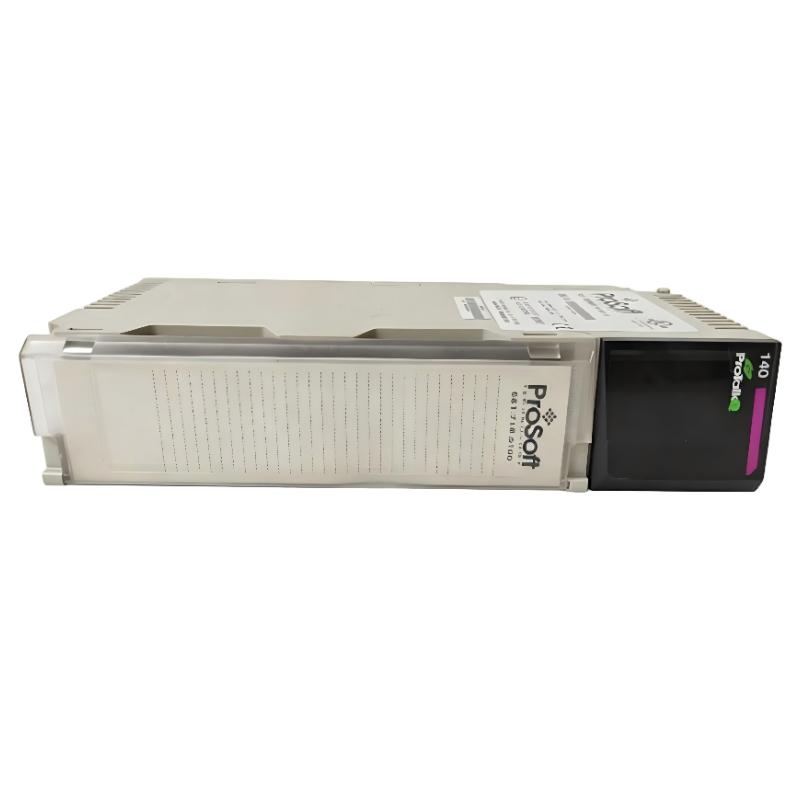
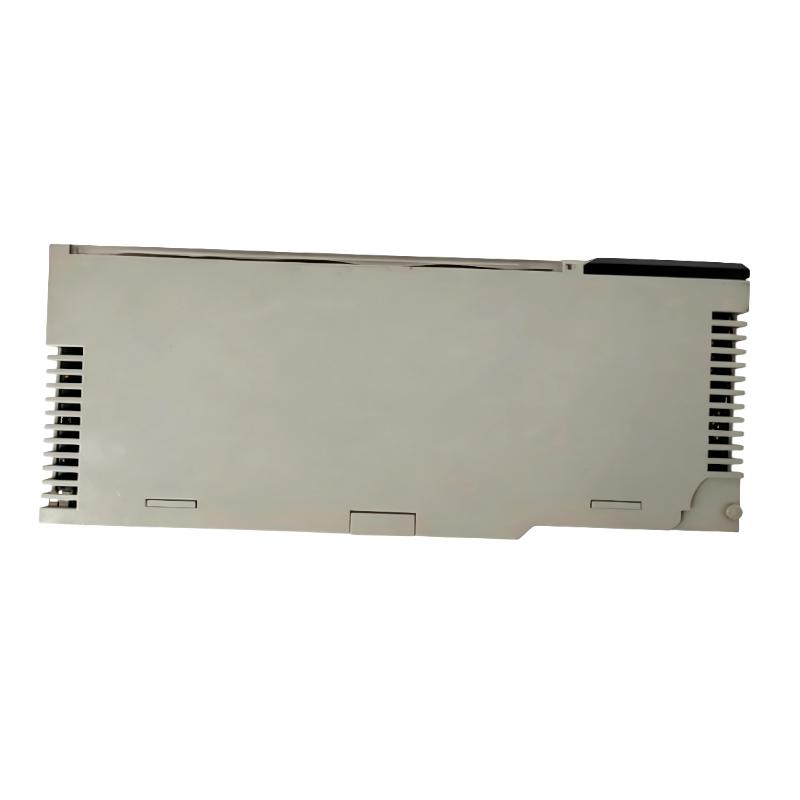
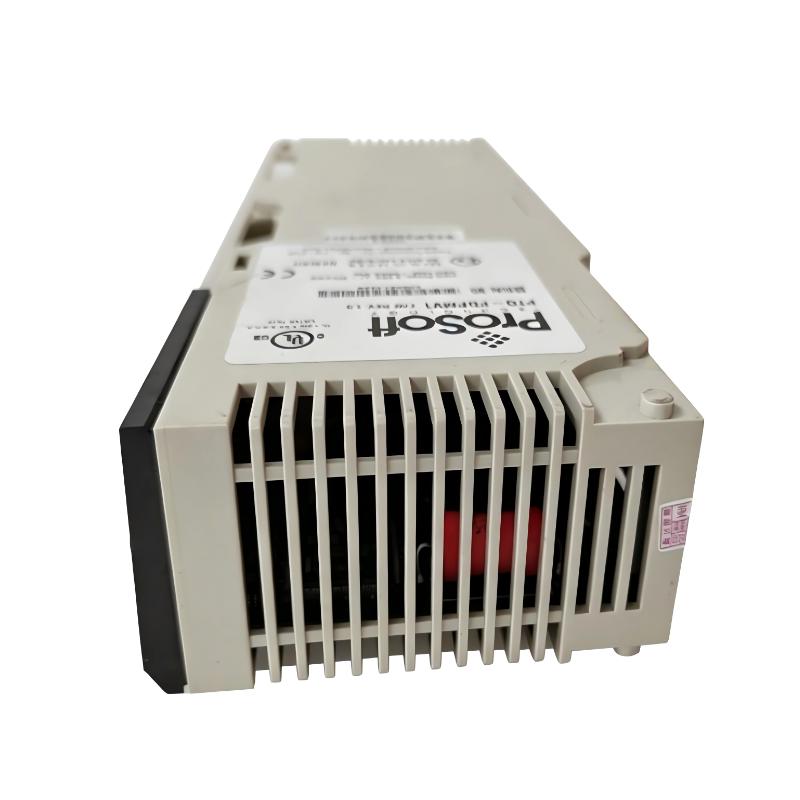
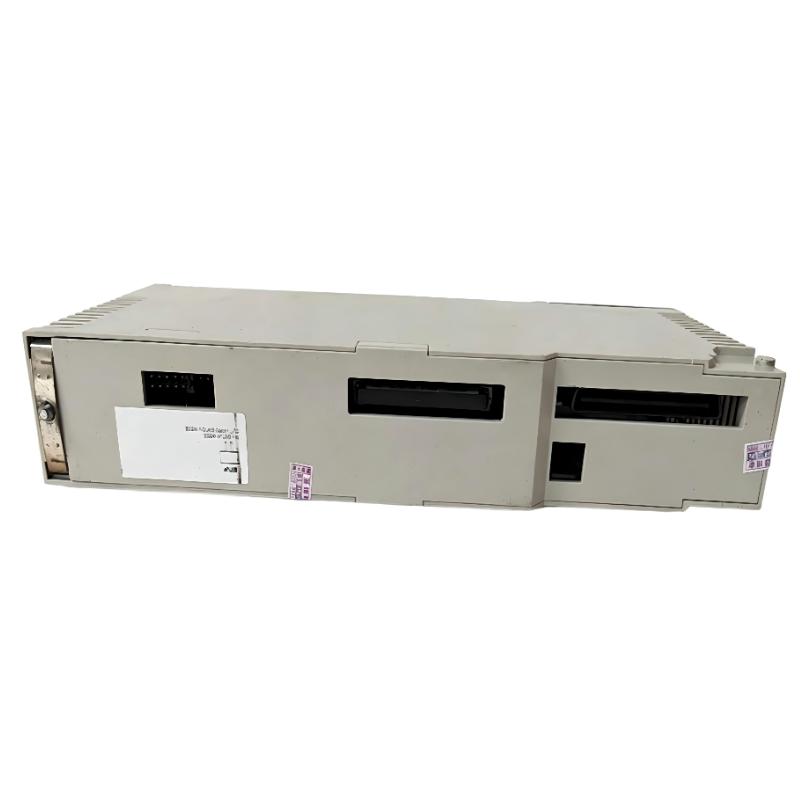
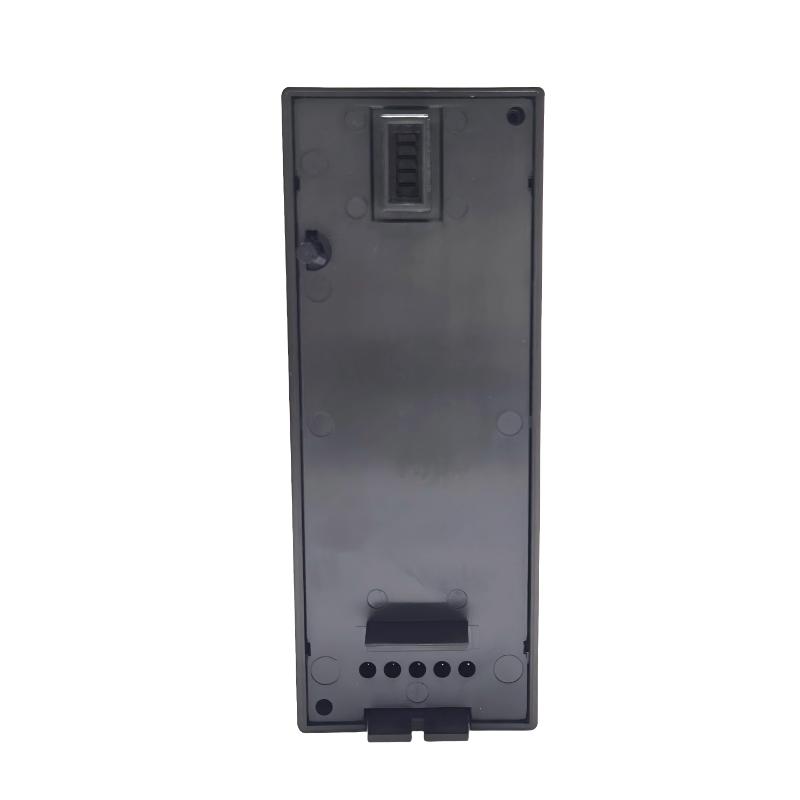
Schneider PTQ-PDPMV1 PROFIBUS Master DPV1 Communication Module
Schneider PTQ-PDPMV1 PROFIBUS Master DPV1 Communication Module
0.0
Points
Brand:Schneider PLC Item No.:PTQ-PDPMV1 Product Origin:France Product Dimensions:250 x 40.34 x 103.85 mm Product Weight:0.19 kg Payment:T/T, Western Union, Credit Card Goods_stock:15 Shipping Port:Xiamen, China Lead Time:1-3 Days Condition:Brand New And Original Warranty:1 Year Certificate:COO
The Schneider PTQ-PDPMV1 PROFIBUS Master DPV1 Communication Module is a high-performance industrial communication interface designed to enable PLC systems to operate as a PROFIBUS network master.
It provides reliable cyclic and acyclic communication between PLC processors and field devices, supporting advanced diagnostics and parameterization through DPV1 functionality. Engineered for demanding industrial automation environments, it is widely used in process industries, manufacturing systems, and large-scale distributed control architectures where stable and deterministic fieldbus communication is essential.
• PROFIBUS DP/DPV1 network master control in PLC systems
Acts as a central communication gateway, enabling PLC processors to manage and exchange data with multiple PROFIBUS slave devices across industrial networks.
• Distributed I/O system integration in factory automation
Connects remote I/O stations, sensors, and actuators into a unified control architecture for large-scale automation plants.
• Process automation in oil, gas, and chemical industries
Supports reliable high-speed cyclic and acyclic communication for field instrumentation and control devices in continuous processes.
• Power generation plant control and monitoring systems
Enables communication between control systems and field devices for turbine, boiler, and auxiliary equipment management.
• Water and wastewater treatment automation systems
Facilitates stable communication with distributed field devices such as pumps, valves, and monitoring sensors.
• Machine automation and production line control systems
Provides deterministic communication for synchronized operation of industrial machines and subsystems.
Key Advantages
• DPV1 extended communication support for advanced diagnostics
Enables acyclic data exchange for parameterization, alarms, and detailed device diagnostics beyond standard DP communication.
• High-speed PROFIBUS master functionality
Supports fast and deterministic cyclic communication with multiple slave devices across industrial networks.
• Designed for PLC backplane integration
Provides seamless connection between the PROFIBUS network and Schneider PLC processor architectures.
• Supports large-scale device networks
Capable of managing extensive PROFIBUS slave configurations in complex automation systems.
• Enhanced interoperability with industrial field devices
Ensures compatibility with a wide range of PROFIBUS DP/DPV1 compliant equipment.
• Reliable industrial-grade communication stability
Maintains consistent performance in harsh electrical noise and high-demand process environments.
Technical FAQs
Q1: What is the main function of this module?
A: It acts as a PROFIBUS DP/DPV1 master interface for PLC systems, managing communication with field devices.
Q2: What protocol does it support?
A: It supports PROFIBUS DP and DPV1 communication standards.
Q3: What does DPV1 add compared to standard DP?
A: DPV1 enables acyclic communication for diagnostics, parameterization, and advanced device management.
Q4: Which type of systems is it used with?
A: It is typically used with Schneider PLC platforms such as Quantum-based architectures.
Q5: Can it handle multiple slave devices?
A: Yes, it can manage multiple PROFIBUS slave devices on the same network.
Q6: Is it suitable for real-time control?
A: Yes, it supports deterministic cyclic communication for industrial control applications.
Q7: Does it support diagnostics?
A: Yes, DPV1 functionality provides enhanced diagnostic and monitoring capabilities.
Q8: Can it be used in process industries?
A: Yes, it is widely used in oil, gas, chemical, and power applications.
Q9: Is it suitable for distributed I/O systems?
A: Yes, it is commonly used in distributed automation architectures.
Q10: Does it require special configuration tools?
A: Yes, configuration is typically done through Schneider-compatible PLC engineering software.