Westinghouse Expands Nuclear Automation Strategy as U.S. Launches Major AP1000 Investment Program
Westinghouse Enters a New Era of Nuclear Automation
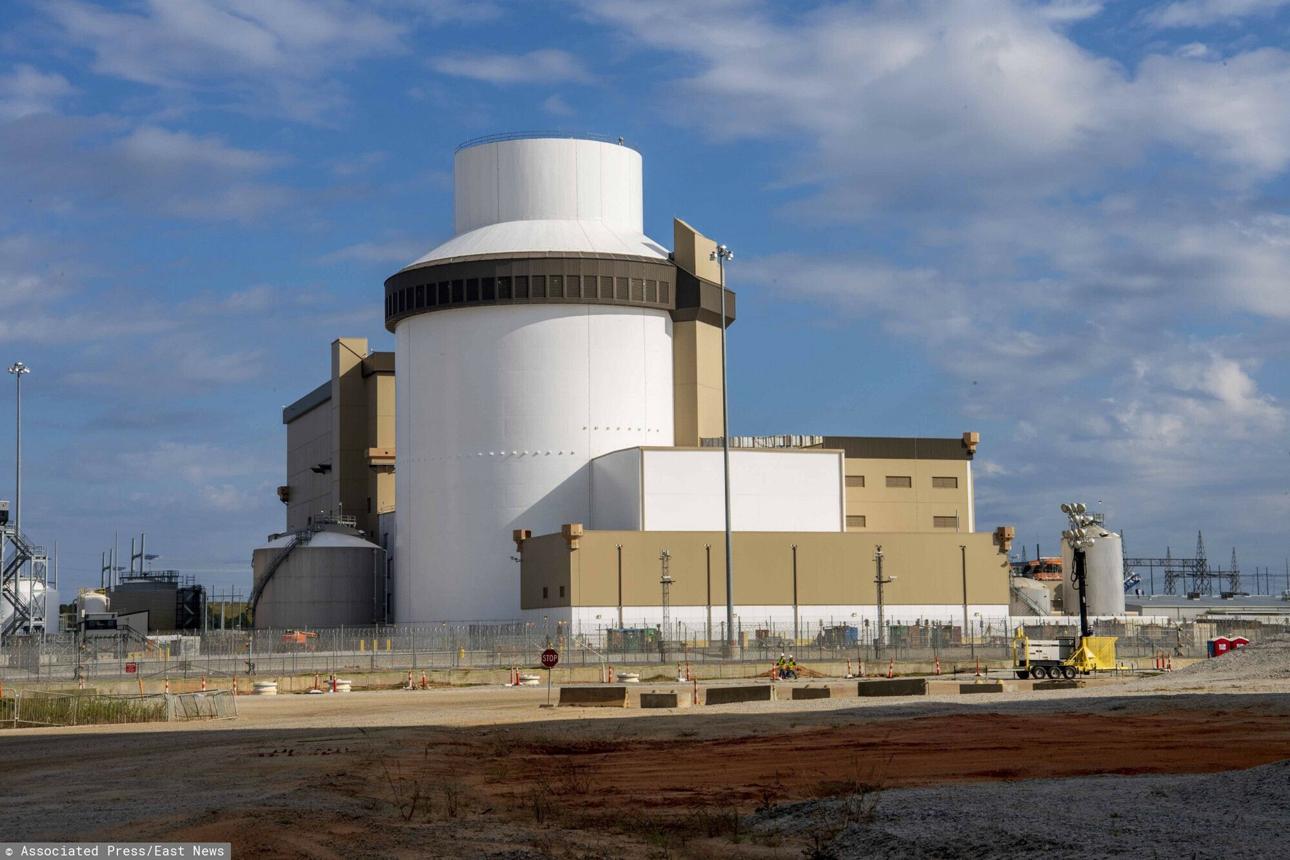
Westinghouse Electric Company has taken another major step toward expanding its global nuclear technology business following the announcement of a large-scale investment program designed to accelerate the deployment of AP1000 nuclear reactors across the United States.
The initiative is expected to support the construction of multiple new nuclear units while strengthening the domestic nuclear manufacturing supply chain. Beyond reactor construction itself, the program also creates significant opportunities for industrial automation, digital instrumentation, intelligent control systems, and advanced plant operation technologies.
As electricity demand continues to grow because of artificial intelligence, hyperscale data centers, electric vehicles, and industrial electrification, utilities are increasingly seeking reliable baseload power sources. Nuclear energy has once again become a strategic investment priority, placing Westinghouse at the center of one of the industry's largest expansion plans in decades.
Growing Demand Creates New Opportunities for Automation
Although AP1000 reactors are widely recognized for their passive safety systems, modern nuclear facilities depend just as heavily on sophisticated automation platforms.
Today's nuclear power plants integrate thousands of sensors, intelligent transmitters, distributed control systems (DCS), programmable logic controllers (PLC), safety instrumented systems, and industrial communication networks.
Every operational process—from reactor cooling and turbine control to water chemistry and electrical distribution—relies on highly reliable automation technologies.
As additional AP1000 projects move forward, demand for automation hardware, digital control platforms, industrial networking equipment, and plant monitoring software is expected to increase significantly.
For suppliers operating within industrial automation markets, these projects represent long-term opportunities extending far beyond reactor construction.
Digital Instrumentation and Control Become Core Technologies
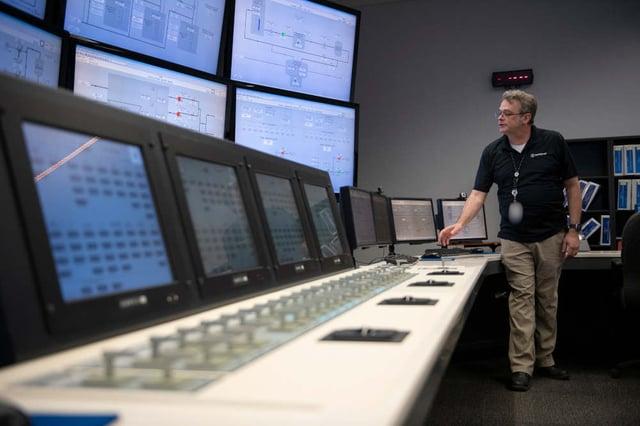
One of the most significant developments in modern nuclear engineering is the transition from conventional analog systems to fully digital Instrumentation and Control (I&C) platforms.
Westinghouse has continued investing in digital technologies that improve operational accuracy, simplify maintenance, and enhance plant availability.
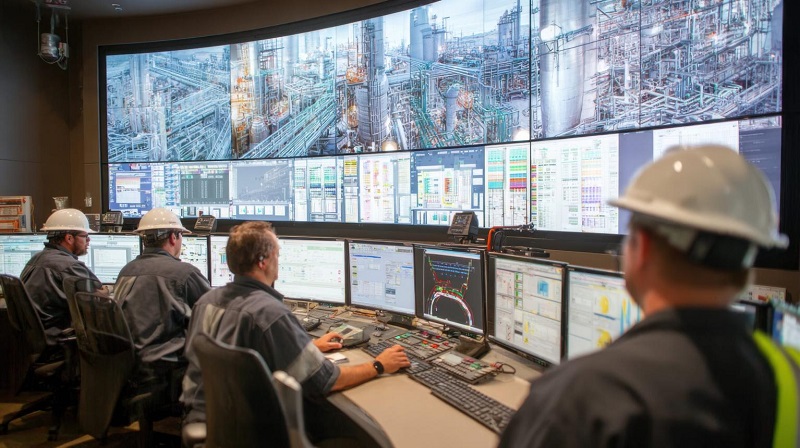
Digital control systems provide operators with comprehensive real-time information covering reactor performance, cooling systems, electrical generation, turbine operation, safety equipment, environmental monitoring, and auxiliary systems.
Compared with older analog architectures, modern digital platforms deliver:
- Higher operational reliability
- Faster diagnostics
- Improved cybersecurity
- Greater system redundancy
- Enhanced predictive maintenance
- Better operator visualization
These capabilities help improve both plant safety and long-term operating efficiency.
Automation Supports Safer Nuclear Operations
Safety remains the highest priority within nuclear power generation.
Automation technologies play an essential role in continuously monitoring thousands of operating parameters every second.
Advanced software automatically analyzes pressure, temperature, vibration, coolant flow, electrical performance, and numerous other variables.
When abnormal operating conditions are detected, automated protection systems can respond immediately, often within milliseconds.
Human operators continue supervising plant activities, but intelligent automation provides additional layers of protection by identifying developing issues before they become critical.
This combination of human expertise and intelligent control technology has become the standard approach for modern nuclear facilities.
Artificial Intelligence Is Entering Nuclear Operations
Artificial intelligence is gradually becoming part of next-generation nuclear power management.
Although nuclear plants continue operating under strict regulatory oversight, AI technologies are increasingly being evaluated for applications such as:
- Predictive maintenance
- Equipment health monitoring
- Alarm prioritization
- Asset performance analysis
- Operational optimization
- Workforce scheduling
- Inspection planning
Instead of replacing experienced engineers, AI serves as a decision-support tool capable of processing millions of operational data points far more quickly than traditional software.
As digital transformation accelerates across the energy sector, AI is expected to become an increasingly valuable component of nuclear automation strategies.
Strengthening the Domestic Nuclear Supply Chain
Another important aspect of the new investment program is the expansion of America's nuclear manufacturing capability.
Large reactor projects require extensive production of pressure vessels, steam generators, pumps, valves, instrumentation, electrical systems, and automation equipment.
Increasing domestic manufacturing capacity helps reduce supply chain risks while improving project schedules.
For industrial automation manufacturers, this expansion creates opportunities across numerous product categories, including:
- PLC Systems
- Distributed Control Systems
- Human Machine Interfaces
- Industrial Ethernet
- Process Instrumentation
- Condition Monitoring
- Industrial Cybersecurity
- Remote Diagnostics
- Safety Controllers
- Power Distribution Equipment
Many suppliers serving conventional industrial markets may also benefit from future nuclear modernization projects.
Long-Term Benefits for the Industrial Automation Industry
The renewed investment in nuclear infrastructure extends well beyond electricity generation.
Engineering contractors, EPC companies, automation system integrators, control cabinet manufacturers, sensor suppliers, and software developers are expected to participate throughout various stages of project execution.
Construction alone requires sophisticated project management systems, while plant commissioning depends on extensive testing of automation hardware and software.
Once commercial operation begins, facilities require decades of maintenance, modernization, software updates, spare parts, cybersecurity improvements, and operational support.
This lifecycle creates sustained demand for industrial automation technologies over many years.
Supporting Energy Security and Industrial Growth
Reliable electricity has become increasingly important for manufacturing industries worldwide.
Factories, semiconductor facilities, chemical plants, steel mills, and AI data centers all require stable power supplies capable of operating continuously.
Nuclear energy offers one solution for meeting these growing requirements while reducing dependence on fossil fuels.
Westinghouse's latest expansion strategy therefore supports not only electricity generation but also broader industrial development.
As more countries seek diversified energy portfolios, advanced nuclear technologies are expected to play a larger role alongside renewable energy sources.
Industry Outlook
Global investment in nuclear energy is entering a period of renewed momentum driven by increasing electricity demand, decarbonization goals, and rapid digitalization.
For the automation industry, this trend represents more than growth in reactor construction.
Every new nuclear facility depends on advanced control systems, intelligent instrumentation, industrial communication networks, cybersecurity solutions, and software platforms capable of supporting decades of safe operation.
Companies specializing in PLC, DCS, process control, industrial networking, and digital asset management are therefore well positioned to benefit from the next generation of nuclear infrastructure projects.