Industrial Robotics and PLC Control Integration Creates Flexible Manufacturing Systems in 2026
Advanced Robot Automation, Motion Control, and Intelligent PLC Solutions Transform Modern Production Lines
The global manufacturing industry is entering a new stage of automation development in 2026 as industrial robotics, advanced PLC control systems, motion technology, and intelligent manufacturing solutions become increasingly integrated.
Manufacturers worldwide are facing growing pressure to improve production efficiency, maintain consistent product quality, reduce operating costs, and respond quickly to changing market demands.
To achieve these goals, companies are expanding the use of robotic automation systems combined with powerful PLC controllers and intelligent industrial networks.
The integration between robotics and PLC technology is creating highly flexible production environments capable of performing complex tasks with greater speed, accuracy, and reliability.
Unlike traditional automation systems designed for fixed production processes, modern robotic automation allows factories to quickly adapt to new products, changing production volumes, and customized manufacturing requirements.
The Evolution of Industrial Robotics in Smart Manufacturing
Industrial robots have been used in manufacturing for decades, especially in industries such as automotive production, electronics assembly, and metal processing.
Traditional robotic applications focused mainly on:
- Welding operations
- Painting processes
- Material handling
- Assembly tasks
- Packaging applications
However, modern industrial robots are becoming more intelligent and flexible.
New-generation robotic systems are increasingly integrated with:
- PLC controllers
- Machine vision systems
- Artificial intelligence
- Industrial communication networks
- Advanced motion control systems
This integration allows robots to perform more complex tasks and operate more efficiently within smart factory environments.
Why PLC Systems Are Critical for Robotic Automation
PLC controllers remain one of the most important technologies supporting industrial robotics.
Although industrial robots often have their own dedicated controllers, PLC systems are responsible for coordinating the entire production process.
A PLC system can manage:
- Robot operation sequences
- Safety systems
- Conveyor systems
- Sensors
- Production equipment
- Communication between machines
The PLC acts as the central coordination system that connects different automation components.
For example, in an automated assembly line:
A PLC can control when a robot starts operation, receive feedback from sensors, communicate with inspection systems, and coordinate multiple machines working together.
This creates a synchronized production environment.
Motion Control Technology Improves Robot Performance
Motion control is a critical technology in modern industrial automation.
High-performance motion systems allow machines and robots to achieve:
- Higher positioning accuracy
- Faster operation speed
- Smoother movement
- Better energy efficiency
Modern PLC platforms increasingly include advanced motion control functions.
Applications include:
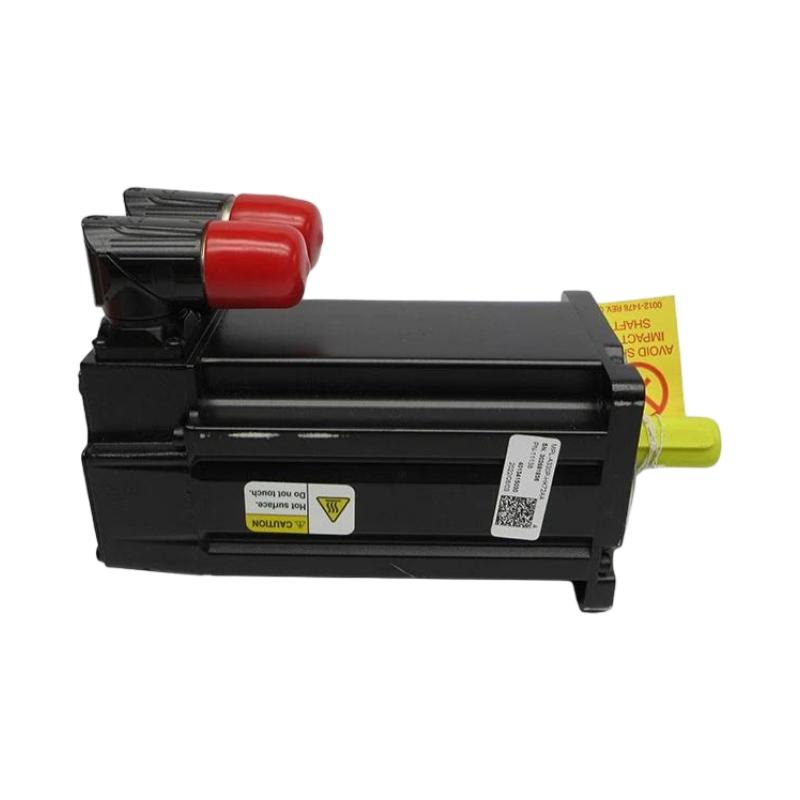
- Servo motor control
- Robotic positioning
- Automated material handling
- Precision manufacturing equipment
The combination of PLC technology and motion control allows manufacturers to build highly accurate automation systems.
The Growth of Collaborative Robots in Manufacturing
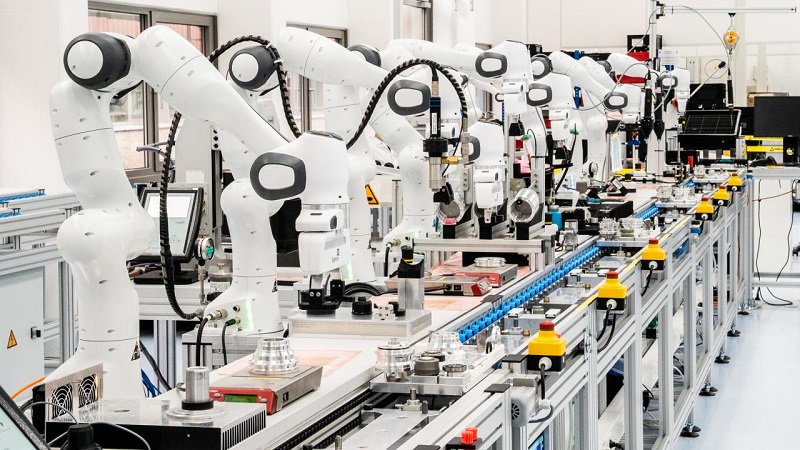
Collaborative robots, also known as cobots, are becoming increasingly popular in industrial environments.
Unlike traditional industrial robots that usually require dedicated safety areas, collaborative robots are designed to work closer to human operators.
Cobots are used for:
- Assembly assistance
- Quality inspection
- Packaging
- Machine tending
- Small-part handling
Their advantages include:
- Easy deployment
- Flexible operation
- Lower installation costs
- Better cooperation between humans and machines
PLC systems play an important role in integrating collaborative robots into existing factory automation environments.
Artificial Intelligence Improves Robotic Automation
Artificial intelligence is bringing new capabilities to industrial robots.
Traditional robots usually perform programmed movements.
AI-enabled robots can analyze information and adapt to changing conditions.
Important AI applications include:
Machine Vision
AI-powered vision systems allow robots to identify:
- Product defects
- Object locations
- Component positions
- Quality issues
This improves manufacturing accuracy.
Intelligent Decision-Making
AI allows robotic systems to adjust operations based on real-time information.
Examples include:
- Adjusting robot movement
- Optimizing production sequences
- Detecting abnormal conditions
Learning-Based Automation
Future robotic systems will increasingly use machine learning technologies to improve performance over time.
This will make automation systems more flexible and adaptive.
PLC, Robot, and SCADA Integration Creates Complete Automation Solutions
Modern factories require communication between multiple automation layers.
A complete robotic automation system may include:
Robot Systems
Performing physical production tasks.
PLC Controllers
Managing machine coordination and logic control.
SCADA Systems
Providing monitoring and operational information.
MES Platforms
Managing production data and manufacturing processes.
Integration between these systems creates complete visibility across the production environment.
Manufacturers can monitor:
- Robot performance
- Production output
- Equipment conditions
- Quality information
This improves overall factory management.
Industrial Networking Supports Multi-Robot Production Systems
Modern factories often use multiple robots working together.
Reliable communication networks are required to coordinate these systems.
Industrial communication technologies support:
- Robot-to-PLC communication
- Machine-to-machine communication
- Real-time data exchange
- Production monitoring
Important industrial networking technologies include:
- Industrial Ethernet
- PROFINET
- EtherNet/IP
- OPC UA
These communication systems allow complex automation environments to operate efficiently.
Safety Automation Becomes More Important in Robotic Systems
As robotic automation expands, industrial safety becomes a major consideration.
Modern automation systems include advanced safety technologies such as:
- Safety PLC systems
- Emergency shutdown functions
- Safety sensors
- Protective monitoring systems
Safety automation ensures that humans and machines can operate together securely.
For manufacturers, safety is not only a regulatory requirement but also an important factor affecting productivity and operational reliability.
The Role of Automation Engineers in Robotic Integration
The growth of robotic automation is changing the skills required from automation professionals.
Modern engineers need knowledge of:
Traditional automation:
- PLC programming
- Electrical control systems
- HMI configuration
- Industrial commissioning
Advanced automation:
- Robot programming
- Motion control
- Industrial networking
- Machine vision
- Artificial intelligence
- Safety systems
The future automation engineer will need to understand the complete production system rather than only individual components.
Benefits of Robotic and PLC Integration for Manufacturers
Companies integrating robotics with PLC automation can achieve significant advantages.
Higher Production Efficiency
Robots can operate continuously with consistent performance.
Improved Product Quality
Automated systems reduce human errors and improve manufacturing accuracy.
Greater Production Flexibility
Robotic systems can be reconfigured for different products.
Reduced Operational Costs
Automation reduces repetitive manual tasks.
Improved Workplace Safety
Robots can handle dangerous or physically demanding operations.
Future Trends in Robotic Automation
The future of industrial robotics will focus on:
- Artificial intelligence integration
- More flexible robot systems
- Better human-machine cooperation
- Advanced vision technology
- Cloud-connected robotics
- Autonomous manufacturing systems
The combination of robotics, PLC control, and intelligent software will continue transforming global manufacturing.
Conclusion: Robotics and PLC Integration Defines the Future of Flexible Manufacturing
Industrial robotics and PLC automation are becoming increasingly connected technologies.
Robots provide advanced physical automation capabilities, while PLC systems provide reliable coordination and control.
Together, they create flexible manufacturing systems capable of adapting to modern industrial requirements.
As manufacturers continue moving toward smart factories, the integration of robotics, PLC systems, AI, and industrial communication technologies will become a key factor in achieving higher productivity and competitiveness.
The future factory will not simply use automated machines. It will operate as an intelligent, connected, and flexible production ecosystem.