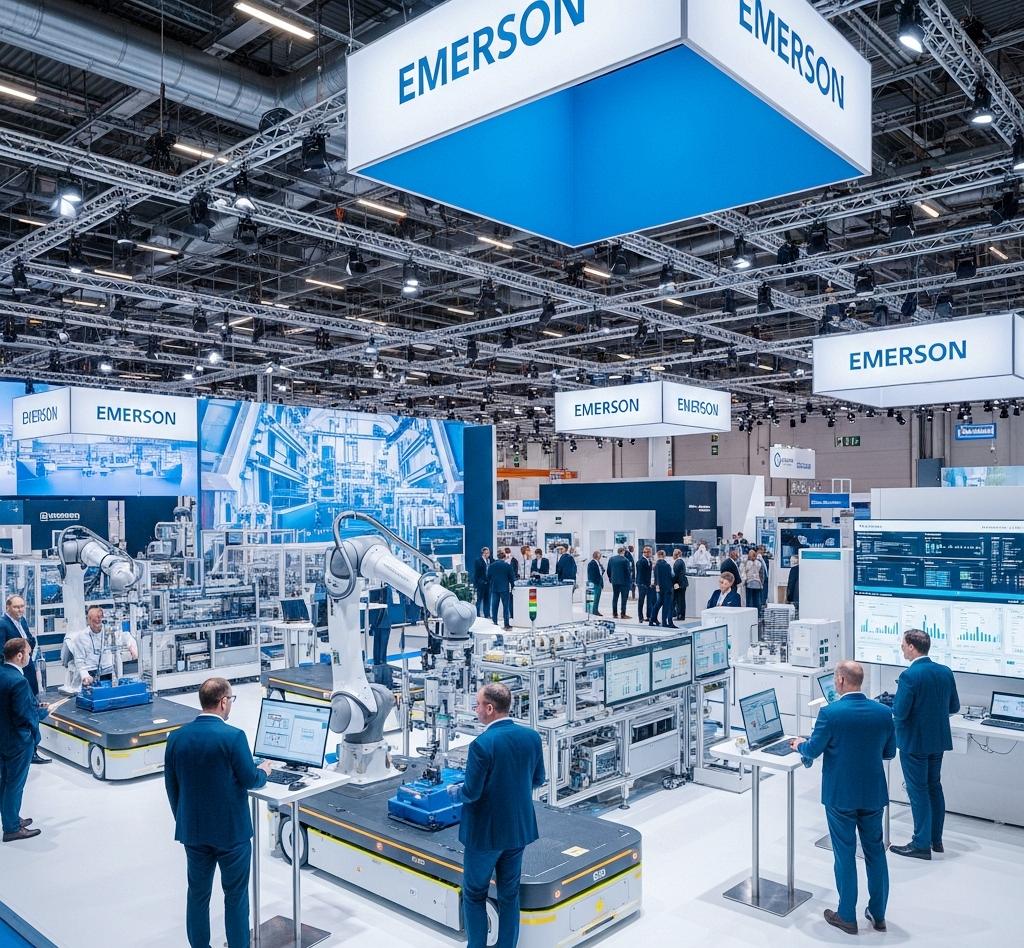
Emerson Unveils Next-Generation Motion Control and Pneumatic Automation Solutions at Automate 2026
Emerson Advances Smart Manufacturing with Integrated Automation Technologies
The manufacturing industry is entering a new phase of intelligent automation, where productivity, flexibility, and digital connectivity have become essential competitive advantages. At Automate 2026, Emerson presented a comprehensive portfolio of automation technologies designed to help original equipment manufacturers (OEMs), system integrators, and industrial manufacturers build faster, smarter, and more efficient production systems.
Rather than focusing on a single product launch, Emerson demonstrated how integrated automation can improve every stage of machine operation—from design and commissioning to daily production and long-term maintenance. The company's latest technologies combine motion control, pneumatic automation, industrial networking, intelligent sensing, and digital engineering into a unified ecosystem capable of meeting the evolving needs of modern manufacturing.
As global manufacturers continue to modernize their facilities, Emerson's strategy reflects an industry-wide movement toward highly connected, software-enabled automation platforms that support greater operational flexibility and sustainable production.
Integrated Motion Control Improves Machine Performance
One of the primary themes of Emerson's latest automation strategy is the integration of electric motion control with advanced pneumatic technologies.
In many manufacturing applications, engineers have traditionally selected either electric actuators or pneumatic systems depending on operational requirements. However, today's production equipment often demands a combination of both technologies to achieve the highest levels of efficiency.
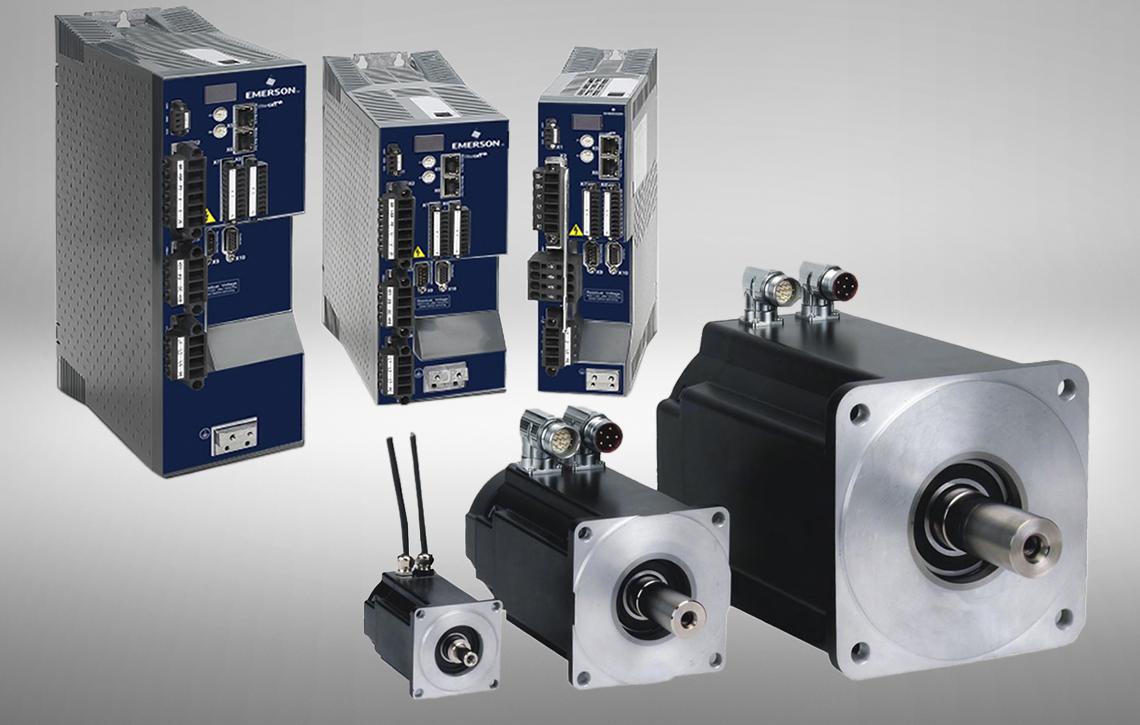
Electric motion systems provide exceptional positioning accuracy, programmable movement, repeatability, and smooth speed control. Pneumatic technologies, meanwhile, continue to deliver high force, rapid response, simple installation, and reliable performance in demanding industrial environments.
By combining these technologies into a single automation architecture, manufacturers can optimize machine performance while reducing engineering complexity. This hybrid approach allows different motion technologies to work together seamlessly, enabling higher productivity across a wide variety of industrial applications.
Smarter Pneumatic Automation for Modern Production Lines
Pneumatic systems remain one of the most widely used automation technologies across global manufacturing industries.
At Automate 2026, Emerson highlighted several new developments designed to make pneumatic automation more intelligent, flexible, and energy efficient.
Modern valve systems now support modular configurations that allow machine builders to customize pneumatic assemblies according to specific application requirements. This modular approach reduces design time while simplifying future machine upgrades and maintenance.
Improved airflow management also contributes to higher operating efficiency. By minimizing pressure loss and optimizing air consumption, manufacturers can reduce overall energy costs without compromising machine performance.
The latest pneumatic solutions are suitable for applications including packaging machinery, assembly automation, material handling systems, food processing equipment, pharmaceutical production, and automotive manufacturing.
Digital Connectivity Becomes Standard
Industrial automation is no longer limited to controlling machine movement. Today's production equipment must also generate valuable operational data that supports continuous improvement.
Emerson's latest automation technologies provide enhanced digital connectivity, enabling machines to communicate with factory networks through standard industrial communication protocols.
Real-time operational data can be collected from actuators, valves, sensors, servo systems, and controllers throughout the production process.
This information allows engineers to monitor equipment performance continuously while identifying opportunities to improve efficiency, reduce downtime, and optimize maintenance schedules.
Connected machines also support remote diagnostics, allowing technical teams to identify potential issues more quickly and reduce service response times.
Simplifying Machine Engineering
Machine builders face increasing pressure to deliver more complex equipment within shorter development schedules.
To address these challenges, Emerson continues expanding its portfolio of integrated automation solutions that simplify engineering workflows.
Standardized hardware platforms, modular software architecture, and unified control systems allow engineers to develop machines more efficiently while maintaining high levels of reliability.
Integrated design also reduces wiring requirements, simplifies commissioning, and minimizes compatibility issues between different automation components.
For OEM manufacturers, these advantages help shorten project timelines while reducing engineering costs and improving overall product quality.
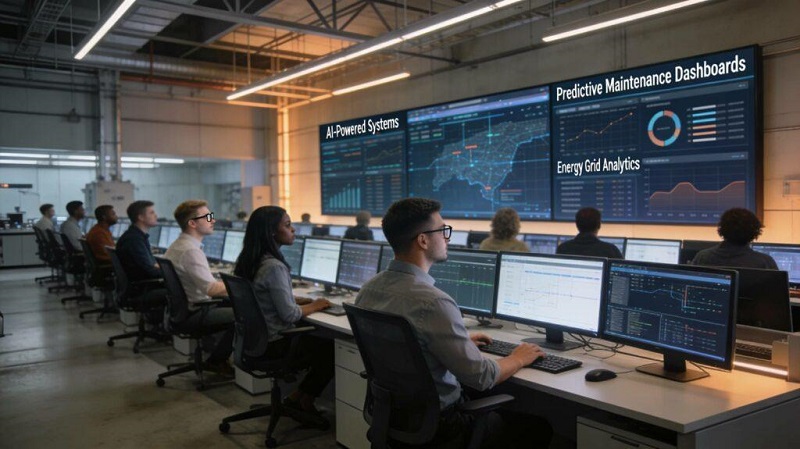
Supporting Predictive Maintenance
Unexpected equipment failures remain one of the largest sources of production loss across manufacturing industries.
Emerson's latest automation technologies support predictive maintenance by continuously monitoring machine operating conditions.
Sensors collect information such as:
- Temperature
- Pressure
- Air consumption
- Vibration
- Cycle counts
- Motion accuracy
- Operating speed
Advanced monitoring software analyzes these operating parameters to identify abnormal trends before equipment failures occur.
Maintenance teams can then schedule repairs during planned shutdowns instead of responding to unexpected production interruptions.
This proactive maintenance strategy improves equipment availability while reducing long-term operating costs.
Flexible Automation for Multiple Industries
The solutions introduced by Emerson have been developed to support a broad range of industrial applications.
Major industries expected to benefit include:
- Automotive Manufacturing
- Electric Vehicle Battery Production
- Semiconductor Fabrication
- Electronics Assembly
- Food and Beverage Processing
- Pharmaceutical Manufacturing
- Logistics Automation
- Warehouse Distribution
- Consumer Goods Production
- Packaging Machinery
- Robotics Integration
- Material Handling Systems
Each of these industries requires increasingly flexible automation capable of adapting quickly to changing production demands.
Integrated motion control and intelligent pneumatic technologies provide manufacturers with scalable solutions that can evolve alongside future production requirements.
Energy Efficiency Remains a Key Priority
Industrial facilities worldwide continue searching for opportunities to reduce energy consumption while maintaining high production capacity.
Compressed air systems account for a significant portion of electricity usage in many manufacturing plants.
Emerson's latest pneumatic innovations emphasize improved airflow efficiency, reduced leakage, optimized valve performance, and intelligent pressure management.
Combined with advanced motion control technologies, these improvements help manufacturers lower operating costs while supporting sustainability initiatives and environmental objectives.
Energy-efficient automation has become an increasingly important investment priority as manufacturers seek both economic and environmental benefits.
Automation and Digital Manufacturing Continue to Converge
Manufacturing is rapidly evolving from isolated automation systems toward fully connected digital production environments.
Machines are expected not only to perform manufacturing tasks but also to communicate operational information, support predictive analytics, and integrate with factory-wide management systems.
Emerson's latest automation strategy reflects this broader transformation by combining hardware, software, industrial communication, and digital engineering into a unified automation ecosystem.
This integrated approach allows manufacturers to improve production visibility, accelerate decision-making, and support continuous operational improvement throughout the entire equipment lifecycle.
Future Outlook
As smart manufacturing technologies continue advancing, integrated automation platforms will become increasingly important across nearly every industrial sector.
Future production systems are expected to incorporate artificial intelligence, edge computing, machine learning, digital twins, and advanced industrial networking alongside traditional motion control and pneumatic automation.
Manufacturers investing in flexible automation today will be better prepared to adapt to future production requirements while maintaining competitiveness in rapidly changing global markets.
Emerson's latest developments demonstrate how integrated automation technologies can help manufacturers improve productivity, simplify engineering, and accelerate digital transformation without sacrificing operational reliability.