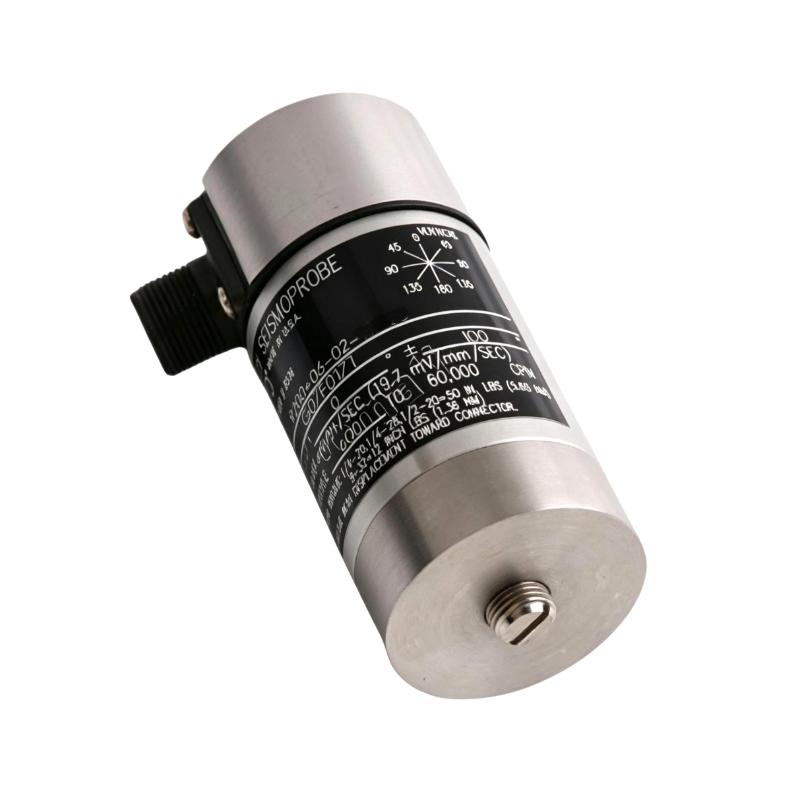
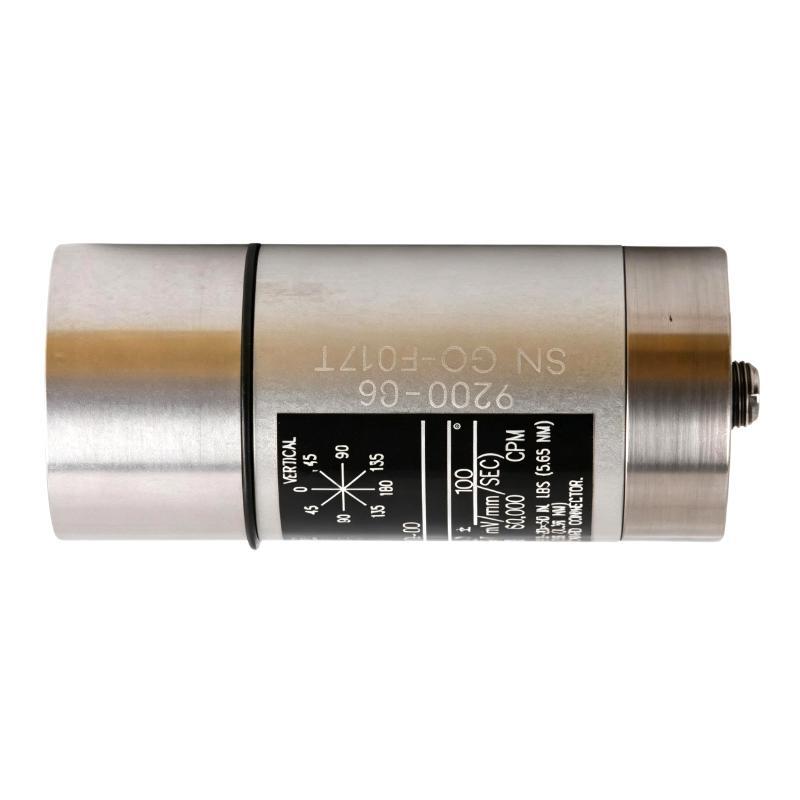
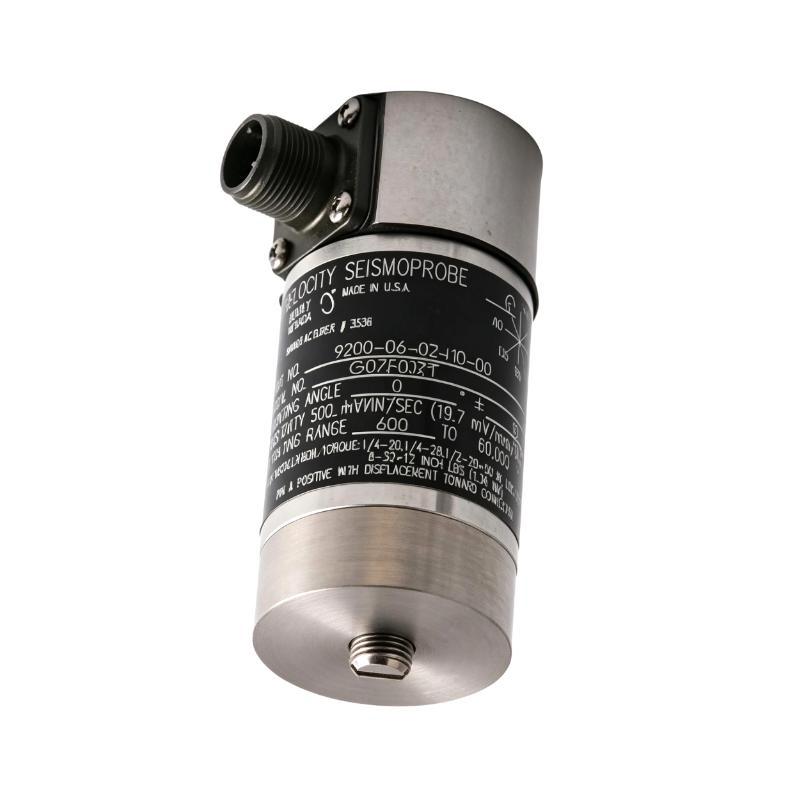
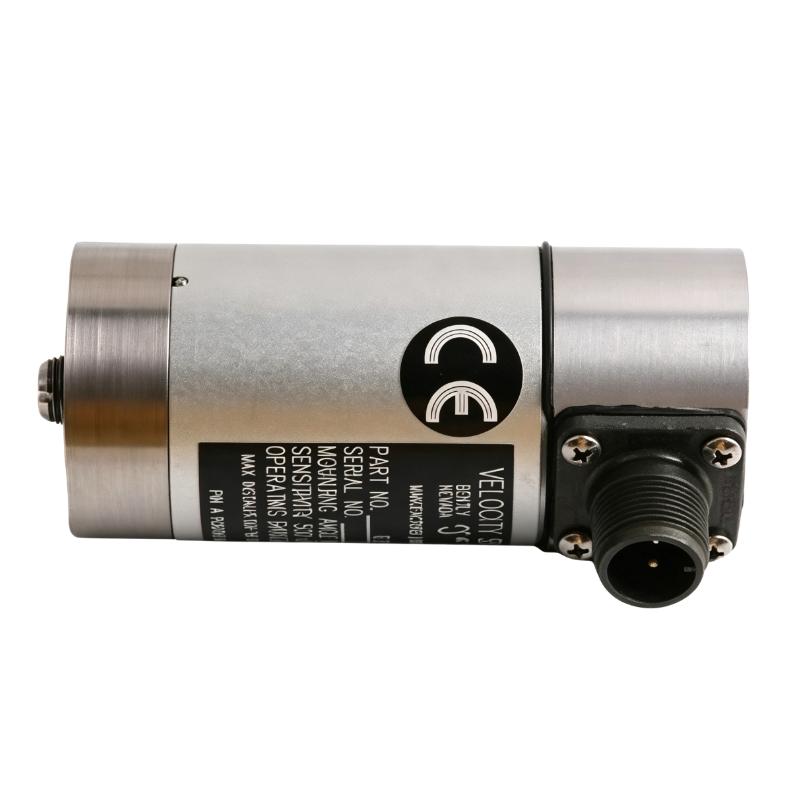
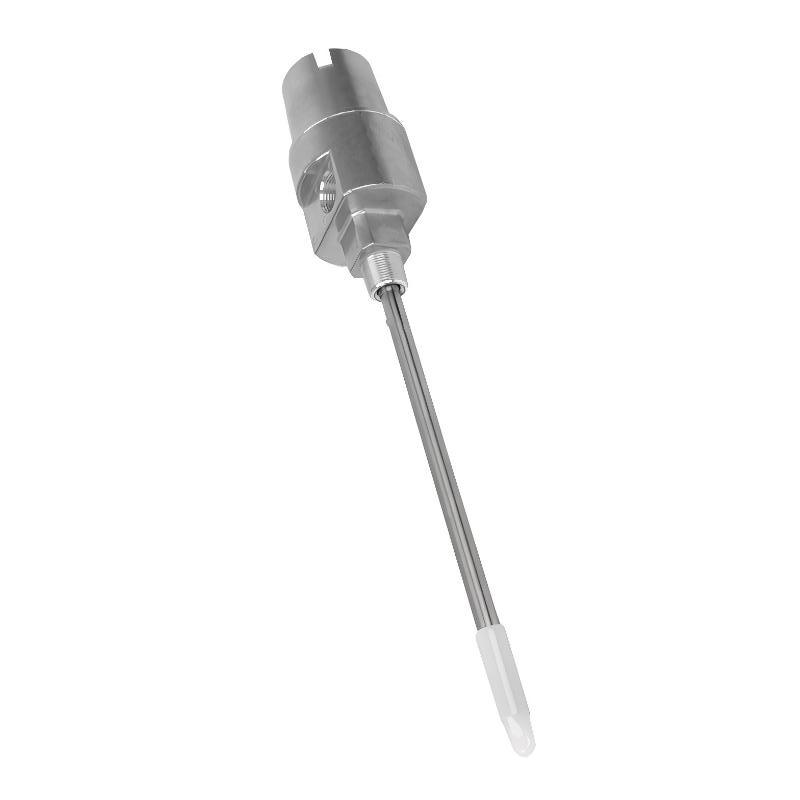
Bently Nevada 9200-06-01-10-00 Dual Linear Velocity Seismic Sensor
Bently Nevada 9200-06-01-10-00 Dual Linear Velocity Seismic Sensor
0.0
Points
Brand:Bently Nevada PLC Item No.:9200-06-01-10-00 Product Origin:USA Product Dimensions:Sensor Diameter: 41.4 mm Product Weight:0.3 kg Payment:T/T, Western Union, Credit Card Goods_stock:15 Shipping Port:Xiamen, China Lead Time:1-3 Days Condition:Brand New And Original Warranty:1 Year Certificate:COO
The Bently Nevada 9200-06-01-10-00 is a dual linear velocity seismic sensor designed for measuring casing vibration in industrial machinery. It is used in applications where monitoring the structural behavior of equipment is more effective than measuring shaft displacement. Common installations include turbines, compressors, pumps, and large motors in power generation and process industries. The sensor provides stable vibration data that supports condition monitoring and maintenance planning.
Technical Specifications
Specification
Details
Product Model
9200-06-01-10-00
Product Type
Dual Linear Velocity Seismic Sensor
Measurement Type
Casing / structural vibration
Sensor Diameter
41.4 mm
Weight
0.3 kg
Output Type
Velocity vibration signal
Installation Location
Machine housing
Application
Industrial vibration monitoring
Operating Environment
Heavy industrial machinery
Recommended Related Models
Model
Product Name
Bently Nevada 9200-03-02-10-00
Velocity Seismic Sensor
Bently Nevada 330400-02-BR
Accelerometer
Bently Nevada 3500/42-01-00-00
Vibration Monitor Module
Bently Nevada 330500-02-01-00
Vibration Transmitter
Popular Related Models
Model
Product Name
Bently Nevada 3500/40-01-00
Preamplifier Monitor Module
Bently Nevada 3500/15-02-05-00
Power Module
Bently Nevada 330180-X1-00
Proximitor Sensor
Bently Nevada 3500/61-01-00
RTD/TC Module
Applications
• Monitoring vibration on turbine and generator housings in power plants
• Large industrial motors used in continuous-duty production environments
• Pumps and compressors in oil & gas and petrochemical facilities
• Gearbox housings where structural vibration trends are critical
• Industrial fan systems in heavy ventilation and process air handling
• Auxiliary rotating equipment where casing vibration is the primary indicator
• Condition monitoring systems focused on machine body vibration behavior
• Heavy machinery where long-term vibration trend analysis is required
Key Advantages
• Measures vibration directly from machine housing rather than shaft signals
• Dual linear sensing improves stability of vibration readings
• Suitable for large rotating machinery with strong structural vibration levels
• Consistent output for long-term condition monitoring applications
• Compact design allows straightforward mounting on machine casing
• Performs reliably in industrial environments with electrical and mechanical noise
• Helps identify mechanical looseness, imbalance, and resonance issues
• Designed for continuous operation in monitoring and protection systems
Technical FAQs
Q1. What is this sensor used for?
A1. It is used to measure vibration on machine housings and structural components.
Q2. Where is it installed?
A2. On the casing of turbines, motors, pumps, compressors, and similar equipment.
Q3. Does it measure shaft vibration?
A3. No, it measures casing (structural) vibration.
Q4. What is the advantage of seismic measurement?
A4. It provides a general overview of machine condition through housing vibration.
Q5. Can it operate continuously?
A5. Yes, it is designed for continuous industrial monitoring.
Q6. What type of output does it provide?
A6. It provides a velocity-based vibration signal.
Q7. Which industries use it?
A7. Power generation, oil & gas, petrochemical, and heavy industry.
Q8. What issues can it help detect?
A8. Imbalance, mechanical looseness, and structural resonance.
Q9. Does it require direct shaft access?
A9. No, it mounts directly on the machine housing.
Q10. Why use dual linear sensing?
A10. It improves measurement stability and consistency in vibration readings.