FANUC Accelerates Physical AI Robotics Expansion with Major U.S. Manufacturing Investment
FANUC Strengthens Its Position in Global Industrial Robotics
FANUC continues to reinforce its leadership in industrial robotics and factory automation through a major expansion strategy focused on Physical AI, intelligent motion control, and large-scale manufacturing capacity growth. The company is increasing its production footprint in North America to meet rising global demand for automation solutions across automotive, electronics, logistics, and general manufacturing industries.
This expansion reflects a broader industrial trend where robotics is no longer limited to repetitive tasks but is evolving into intelligent systems capable of perception, adaptation, and decision-making within dynamic production environments.
Manufacturers worldwide are accelerating investments in automation due to labor shortages, rising production costs, and increasing demand for high-mix, low-volume manufacturing. FANUC’s latest initiatives directly address these challenges by improving accessibility, scalability, and intelligence in industrial robotics systems.
Major Manufacturing Expansion to Support Robot Demand
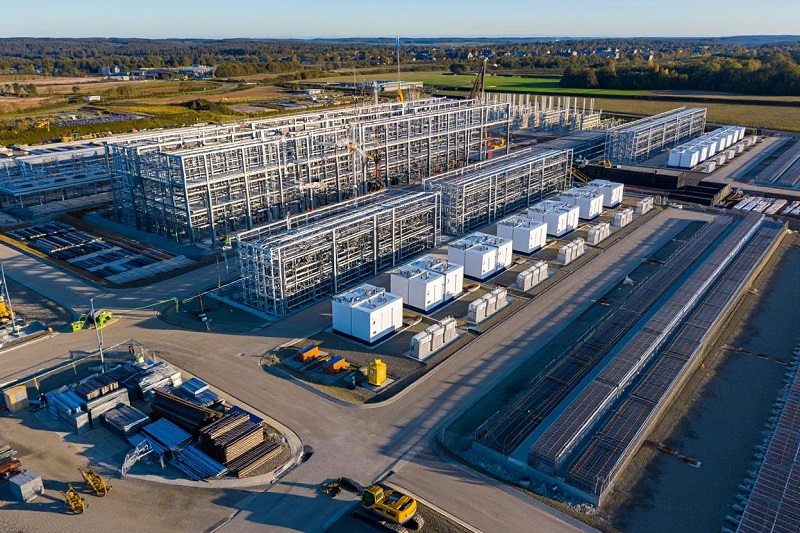
FANUC has launched a significant investment program to expand its production capabilities in the United States. The new facility will increase manufacturing capacity for industrial robots, supporting industries that rely on high-performance automation systems.
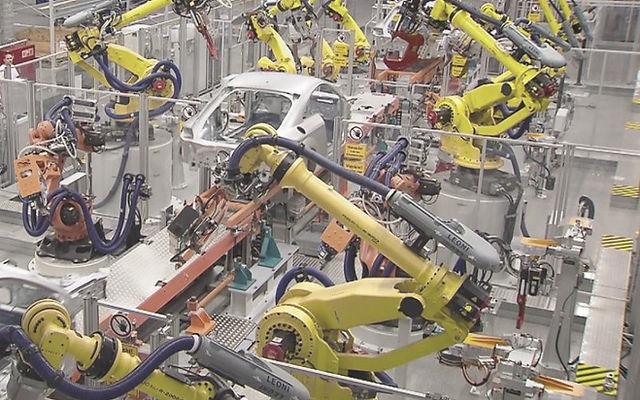
The expansion includes advanced production lines designed for next-generation robotic systems, including collaborative robots, high-payload industrial robots, and intelligent motion platforms.
This development is expected to strengthen supply chain resilience while reducing delivery lead times for customers across North America. It also reflects a strategic shift toward localized manufacturing, enabling faster response to regional market demands.
As global automation adoption continues to accelerate, such capacity expansions are becoming essential for maintaining competitiveness in the industrial robotics sector.
Physical AI Becomes the Core of Next-Generation Robotics
One of the most important developments in FANUC’s strategy is the advancement of Physical AI.
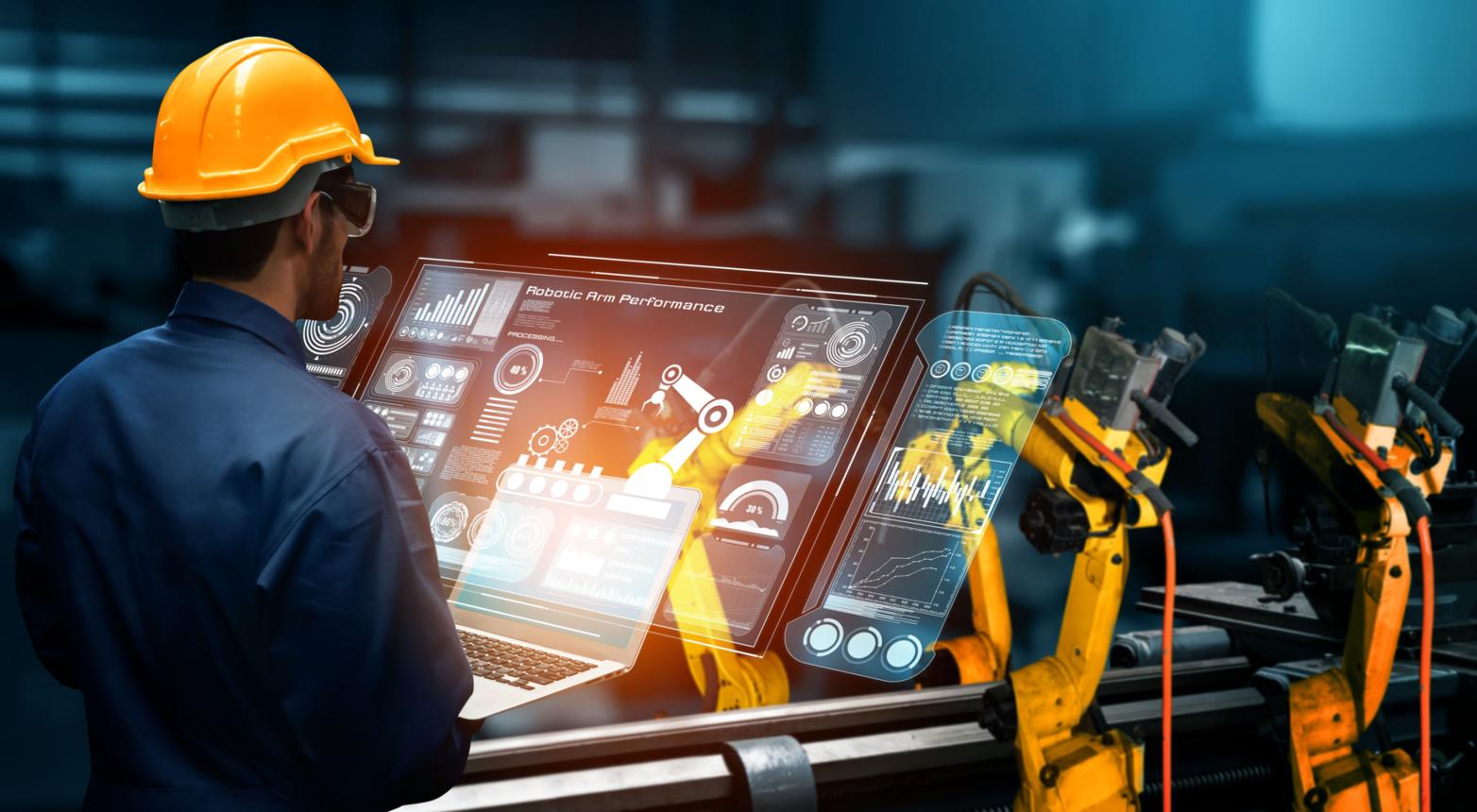
Physical AI refers to robotics systems that combine machine learning, computer vision, and real-time control algorithms to interact intelligently with the physical environment.
Instead of relying solely on pre-programmed instructions, modern industrial robots are increasingly capable of:
- Real-time environment perception
- Adaptive motion control
- Object recognition and classification
- Dynamic path optimization
- Human-robot collaboration
These capabilities significantly enhance production flexibility, especially in environments where product variation is high.
FANUC is integrating advanced AI computing platforms into its robotics systems, enabling machines to process visual and sensor data directly at the edge. This reduces latency and improves responsiveness in fast-paced manufacturing environments.
Smart Factory Integration and Digital Manufacturing
Modern factories require seamless integration between robotics, PLC systems, and higher-level manufacturing execution systems.
FANUC’s robotics ecosystem is designed to connect with industrial networks, enabling real-time data exchange between machines, controllers, and enterprise systems.
This connectivity supports:
- Predictive maintenance
- Production optimization
- Energy efficiency improvements
- Quality control automation
- Remote diagnostics
Digital twin technologies are also being used to simulate robotic operations before deployment, reducing commissioning time and improving system reliability.
These innovations are helping manufacturers transition toward fully digitalized production environments where automation systems continuously optimize themselves based on real-time operational data.
Industrial Applications Expanding Rapidly
FANUC robotics systems are widely used across multiple industries:
- Automotive manufacturing
- Electric vehicle production
- Semiconductor and electronics
- Food and beverage processing
- Warehousing and logistics
- Heavy industry and metal fabrication
Each of these sectors is experiencing increased demand for flexible automation capable of supporting rapid production changes and higher efficiency targets.
Collaborative robots (cobots) are also gaining popularity due to their ability to safely operate alongside human workers, improving productivity in mixed-work environments.
Outlook for Industrial Robotics Growth
The global robotics industry continues to grow rapidly as manufacturers adopt automation to improve productivity and reduce operational risks.
Key growth drivers include:
- Reshoring of manufacturing
- Labor shortages in developed economies
- AI integration in industrial systems
- Expansion of e-commerce logistics
- Demand for high-precision production
FANUC’s continued investment in physical AI and production capacity positions the company strongly within the next phase of industrial automation evolution.