Siemens Advances Industrial Automation with AI-Driven PLC Systems and Digital Factory Solutions in 2026
New Generation PLC Technology Combines Artificial Intelligence, Industrial Edge Computing, and Smart Manufacturing Capabilities
The global industrial automation industry is experiencing rapid transformation in 2026 as manufacturers continue to invest in intelligent production systems, advanced PLC technology, digital factories, and industrial artificial intelligence.
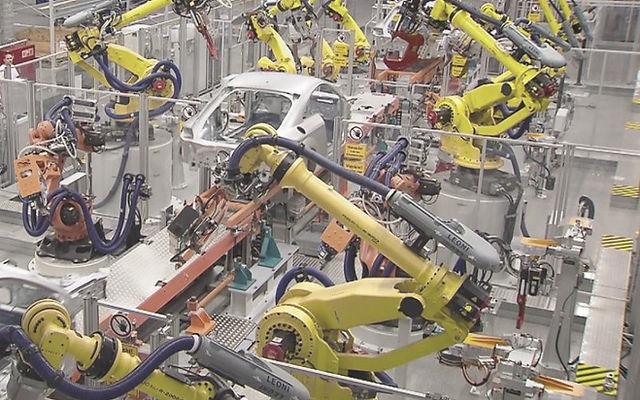
Programmable Logic Controllers (PLC) have been the backbone of industrial automation for decades. From automotive production lines to packaging machines and process equipment, PLC systems have provided reliable, real-time control for industrial operations.
However, the role of PLC technology is changing significantly. Modern PLC systems are no longer only used for executing control programs. They are becoming intelligent automation platforms capable of collecting data, communicating with enterprise systems, supporting artificial intelligence applications, and enabling advanced manufacturing strategies.
The latest generation of industrial automation focuses on combining PLC control with digital technologies such as Industrial Edge computing, cloud connectivity, machine learning, and advanced analytics.
This development is creating a new generation of smart factories where production equipment can communicate, analyze information, and optimize operations automatically.
The Evolution of PLC Technology in Smart Manufacturing
Traditional PLC systems were designed mainly for reliable machine control.
A conventional PLC system performs tasks such as:
- Reading sensor signals
- Controlling motors and actuators
- Managing production sequences
- Executing automation logic
- Communicating with HMI systems
These functions remain essential today, but modern manufacturing requires more advanced capabilities.
Factories now need automation systems that can:
- Analyze production data in real time
- Predict equipment problems
- Improve energy efficiency
- Support remote maintenance
- Connect with digital platforms
- Adapt quickly to production changes
As a result, PLC technology is evolving from a simple controller into an intelligent industrial computing platform.
Artificial Intelligence Brings New Possibilities to PLC Automation
Artificial intelligence is becoming one of the most influential technologies in industrial automation.
AI integration allows automation systems to move beyond traditional programmed responses and provide more intelligent decision-making capabilities.
Modern AI-based automation can support:
Predictive Maintenance
One of the most valuable applications of AI in industrial environments is predictive maintenance.
Traditional maintenance strategies often rely on:
- Fixed maintenance schedules
- Manual inspections
- Operator experience
AI-based systems analyze operational data from:
- Motors
- Pumps
- Drives
- Sensors
- Production equipment
By identifying unusual patterns, AI can help predict possible equipment failures before they occur.
This reduces:
- Unexpected production stops
- Maintenance expenses
- Equipment damage
- Production losses
Intelligent Quality Control
Manufacturers are also using AI technology to improve product quality.
AI-powered inspection systems can analyze:
- Product appearance
- Manufacturing defects
- Assembly accuracy
- Production consistency
Combined with PLC control systems, AI inspection technology can automatically trigger corrective actions during production.
This creates a more efficient and reliable manufacturing process.
Industrial Edge Computing Improves Automation Performance
Edge computing is becoming increasingly important in industrial automation.
Traditional industrial systems often send large amounts of data to centralized servers or cloud platforms.
However, many automation applications require extremely fast response times.
Industrial Edge technology processes data closer to the production equipment.
Advantages include:
- Faster response speed
- Reduced network traffic
- Improved data security
- Real-time decision making
For example, robotic systems, machine vision applications, and high-speed manufacturing equipment require immediate data processing.
Edge computing allows PLC systems and industrial computers to work together more efficiently.
The Integration Between PLC, SCADA, MES, and ERP Systems
Modern factories require seamless communication between different automation levels.
A typical smart manufacturing structure includes:
Field Level
Sensors, motors, valves, drives, and machines.
Control Level
PLC and DCS systems responsible for automation control.
Supervisory Level
SCADA and HMI systems for monitoring and operation.
Management Level
MES and ERP systems for production planning and business management.
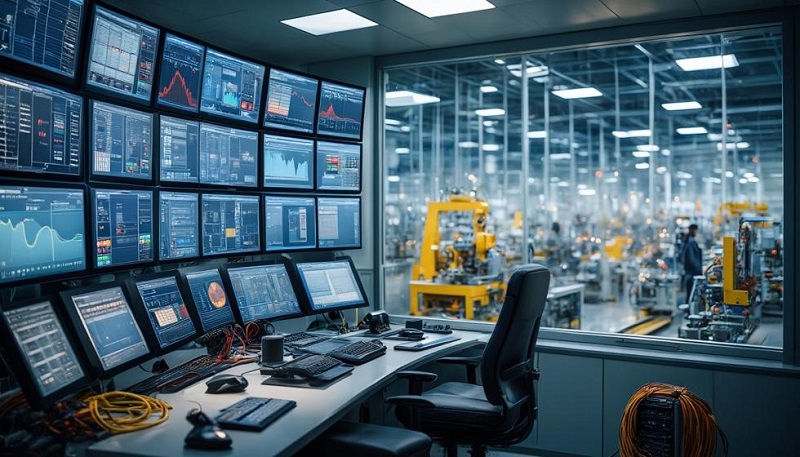
The integration between these systems creates complete visibility throughout the manufacturing process.
Companies can monitor:
- Production efficiency
- Equipment performance
- Product quality
- Energy consumption
- Material usage
This information helps managers make better operational decisions.
Open Automation Platforms Become More Important
The automation industry is moving toward more open and flexible architectures.
In the past, many automation systems were built around closed ecosystems.
Today, manufacturers increasingly require:
- Multi-vendor compatibility
- Standard communication protocols
- Flexible software integration
- Easier system expansion
Open automation allows companies to combine different technologies based on their specific requirements.
Important industrial communication technologies include:
- OPC UA
- Industrial Ethernet
- MQTT
- PROFINET
- EtherNet/IP
These technologies help create connected industrial environments.
Cybersecurity Challenges in Modern PLC Systems
As PLC systems become more connected, cybersecurity has become a major concern.
Modern industrial environments are connected to:
- Cloud platforms
- Remote monitoring systems
- Enterprise networks
- External maintenance services
This connectivity creates new security requirements.
Manufacturers are improving PLC security through:
- User authentication
- Secure communication
- Network protection
- Access management
- Continuous monitoring
Cybersecurity is now considered a fundamental part of automation system design.
Impact on Industrial Automation Engineers
The development of intelligent PLC technology is changing the role of automation professionals.
Traditional PLC engineers focused mainly on:
- Ladder logic programming
- Electrical control design
- Hardware installation
- Commissioning
Future automation engineers will need additional knowledge in:
- Industrial networking
- Cloud technology
- Artificial intelligence
- Data analysis
- Cybersecurity
- Digital transformation
The automation industry is moving toward multidisciplinary engineering.
Professionals who understand both traditional control systems and modern digital technologies will have greater opportunities.
Future Outlook of Intelligent PLC Automation
The future of PLC technology will be defined by intelligence, connectivity, and flexibility.
Industrial manufacturers will continue adopting:
- AI-enabled automation
- Smart PLC systems
- Industrial Edge solutions
- Digital twin technology
- Cloud-based monitoring
- Advanced analytics
The next generation of factories will not simply automate machines. They will create intelligent production environments capable of analyzing data, optimizing processes, and improving themselves.
PLC systems will continue to remain a critical foundation of industrial automation, but their role will expand from controllers to intelligent automation platforms.
As global manufacturing becomes more competitive, companies investing in advanced PLC technology will gain advantages in productivity, efficiency, and operational reliability.