Siemens Executive Yang Hailin: Balancing AI Innovation and Sustainability Through Low-Carbon Industrial Technologies
Siemens Highlights the Need for Sustainable AI Development in Industrial Transformation
As artificial intelligence rapidly becomes integrated into industrial manufacturing, enterprises are facing a new challenge: how to use AI technologies to accelerate sustainable development while reducing the environmental impact caused by increasing computing demand.
Yang Hailin from Siemens emphasized that AI should not only become a powerful tool for improving industrial efficiency and sustainability, but also require technological innovation to reduce the carbon footprint generated during AI deployment.
The discussion reflects a broader industry trend: the future of industrial digitalization depends on achieving a balance between intelligent automation, energy efficiency, and responsible technology development.
Siemens has been actively promoting the combination of industrial AI, digitalization, and sustainability strategies to help manufacturers improve operational efficiency while supporting global carbon reduction goals.
Industrial AI Becomes a Key Technology for Sustainable Manufacturing
Manufacturing industries are entering a new stage where artificial intelligence is becoming deeply connected with automation systems, industrial software, and production management.
Industrial AI can help companies optimize:
- Energy consumption
- Production processes
- Equipment maintenance
- Resource utilization
- Supply chain operations
Unlike traditional automation solutions, industrial AI can analyze large amounts of operational data and provide intelligent recommendations to improve factory performance.
Siemens believes that AI-driven optimization can help industries achieve higher productivity while reducing unnecessary energy consumption and material waste.
AI Brings New Sustainability Opportunities and Carbon Challenges
While AI provides significant value for industrial applications, its growing adoption also creates new challenges related to energy consumption and carbon emissions.
AI systems require:
- High-performance computing infrastructure
- Data processing capabilities
- Advanced hardware resources
- Continuous energy supply
As industrial companies expand AI applications, improving computing efficiency and reducing energy requirements have become important topics for sustainable technology development.
The industry is increasingly focusing on solutions such as energy-efficient algorithms, optimized computing architectures, and intelligent energy management systems.
Siemens Uses Digital Technologies to Reduce Industrial Carbon Footprints
Siemens is integrating digital technologies with industrial automation to support more sustainable production models.
Key technologies include:
Digital Twin Technology
Digital twins allow companies to simulate products, equipment, and production processes before physical implementation.
Benefits include:
- Reduced material waste
- Faster engineering processes
- Improved production planning
- Lower energy consumption
Industrial AI Optimization
AI-based analysis helps manufacturers identify inefficient operations and optimize production parameters.
Applications include:
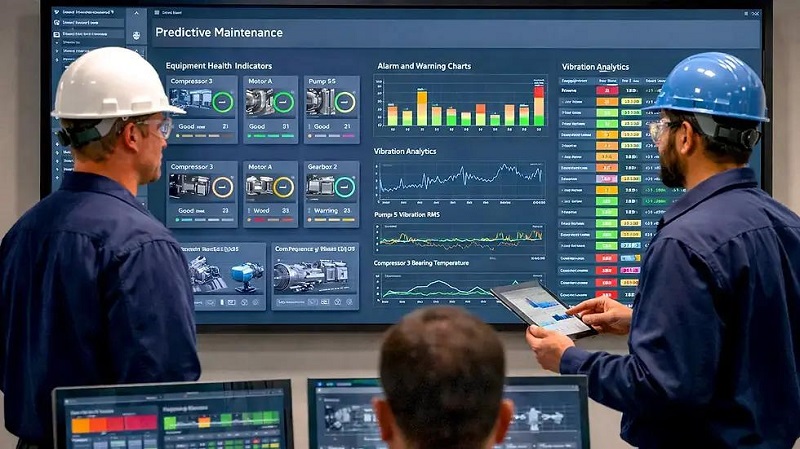
- Predictive maintenance
- Energy optimization
- Production scheduling
- Quality improvement
Intelligent Automation Systems
Modern automation platforms combining PLC systems, industrial networks, sensors, and software enable factories to operate more efficiently.
These technologies support the transition toward intelligent and sustainable manufacturing.
AI and Automation Integration Creates New Opportunities for Industry
For industrial automation companies and equipment suppliers, the development of sustainable AI creates new market opportunities.
Future industrial systems will increasingly require:
- High-performance PLC platforms
- Industrial communication solutions
- Intelligent sensors
- Energy monitoring equipment
- Digital factory software
- Automation lifecycle services
The integration of AI with industrial automation will allow factories to move from traditional equipment control toward more adaptive and efficient production environments.
Siemens Sustainability Strategy Supports Low-Carbon Industrial Development
Siemens has positioned sustainability as a major part of its long-term technology strategy, combining digitalization, electrification, and automation solutions to help customers improve efficiency and reduce environmental impact.
The company’s sustainability initiatives focus on areas including:
- Decarbonization
- Energy efficiency
- Resource optimization
- Circular economy development
Siemens reports that its technologies are designed to help customers achieve measurable sustainability improvements by connecting the real and digital worlds.
Future Direction: Building More Sustainable Industrial AI Ecosystems
The next phase of industrial AI development will require cooperation between automation manufacturers, software companies, energy providers, and industrial users.
Important development directions include:
- More energy-efficient AI models
- Smarter industrial computing
- AI-powered energy management
- Sustainable data infrastructure
- Green manufacturing processes
The goal is not only to increase AI capabilities but also to ensure that intelligent technologies contribute positively to long-term environmental goals.