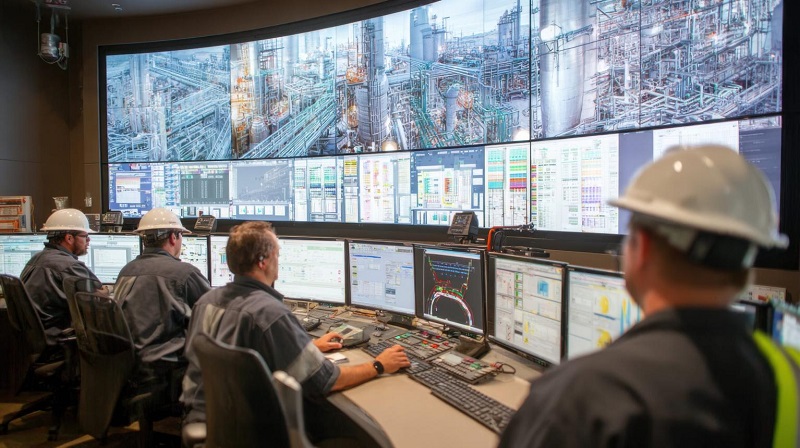
DCS Modernization and Industrial Digital Transformation Become Key Priorities for Global Process Industries in 2026
Advanced Distributed Control Systems Help Oil, Chemical, Energy, and Manufacturing Industries Build Smarter and More Efficient Operations
The global process automation industry is entering a new stage of development in 2026 as companies accelerate the modernization of Distributed Control Systems (DCS) and invest in digital transformation technologies.
For decades, DCS platforms have been the core automation solution for large-scale process industries, including oil and gas, chemical manufacturing, power generation, water treatment, mining, and pharmaceutical production.
These industries depend on highly reliable control systems to manage complex operations, maintain safety standards, and ensure continuous production.
However, many industrial facilities around the world are now facing a major challenge: aging automation infrastructure.
A large number of factories are operating DCS systems that were installed many years ago. While these systems remain stable and reliable, they often lack modern capabilities such as advanced analytics, cloud connectivity, artificial intelligence integration, and cybersecurity protection.
As a result, DCS modernization has become one of the most important investment priorities for global industrial companies.
Why DCS Modernization Is Becoming Essential
Industrial facilities cannot simply replace their entire automation infrastructure overnight.
Large process plants often operate continuously for many years, and unexpected downtime can create significant financial losses.
Therefore, companies are looking for modernization strategies that allow them to upgrade automation capabilities while maintaining production stability.
Modern DCS modernization projects typically focus on:
- Updating outdated control hardware
- Improving system performance
- Enhancing cybersecurity
- Integrating digital technologies
- Extending equipment lifecycle
- Improving operational efficiency
The goal is not only to replace old systems but to create smarter and more flexible industrial operations.
The Changing Role of Distributed Control Systems
Traditional DCS systems were mainly designed for process monitoring and control.
Their primary functions included:
- Controlling industrial processes
- Managing alarms
- Monitoring production conditions
- Maintaining operational safety
- Coordinating process equipment
Modern DCS platforms have expanded significantly.
Today’s advanced DCS solutions include:
- Real-time data analytics
- Asset performance management
- Remote operation capabilities
- Digital twin integration
- AI-based optimization
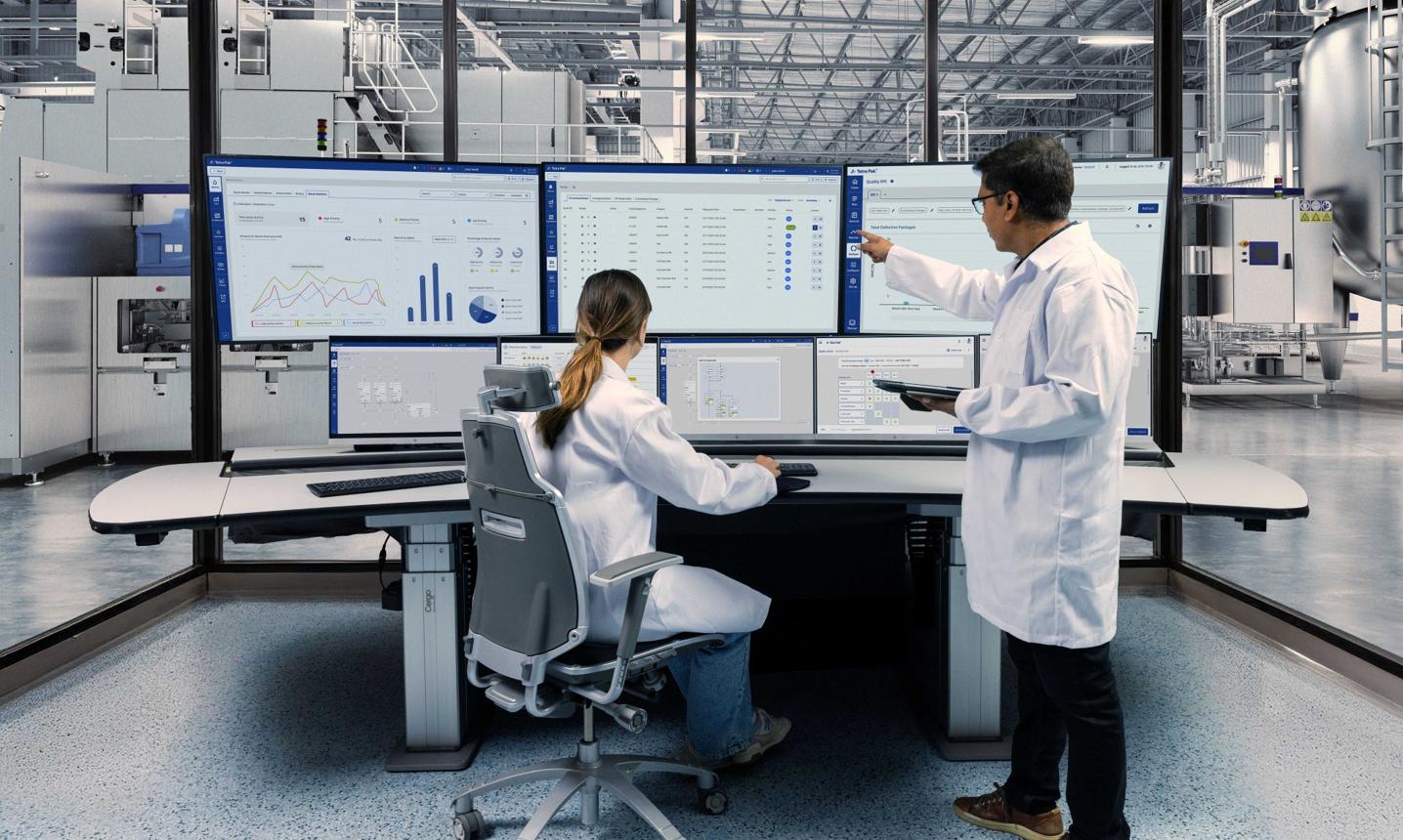
- Advanced visualization systems
The DCS system is becoming a central digital platform connecting field equipment, automation systems, and business intelligence tools.
Digital Transformation Drives New Automation Requirements
Industrial companies are under increasing pressure to improve efficiency and sustainability.
Several factors are driving digital transformation:
Higher Energy Costs
Energy-intensive industries are searching for ways to reduce consumption and improve efficiency.
Modern DCS systems can analyze energy usage and identify optimization opportunities.
Applications include:
- Power consumption monitoring
- Process efficiency improvement
- Energy waste reduction
- Production optimization
Increasing Production Complexity
Modern factories produce more customized products and operate more complex processes.
Companies need automation systems that can quickly adapt to changing production requirements.
Advanced DCS platforms provide:
- Flexible configuration
- Better process visibility
- Faster troubleshooting
- Improved operational control
Demand for Sustainable Manufacturing
Environmental requirements are becoming increasingly important.
Industrial companies are investing in automation technologies that help reduce:
- Carbon emissions
- Energy consumption
- Raw material waste
- Production inefficiencies
DCS systems provide valuable operational data that supports sustainability strategies.
Integration Between DCS, PLC, and Industrial Software
The future of automation is based on integration.
Modern industrial facilities are no longer using isolated automation systems.
Instead, they combine:
- DCS systems
- PLC controllers
- SCADA platforms
- Manufacturing Execution Systems (MES)
- Enterprise Resource Planning (ERP)
- Cloud analytics platforms
This integrated approach creates a complete digital production environment.
For example:
A PLC may control individual machines.
A DCS may manage the overall production process.
A SCADA system may provide visualization.
An MES platform may analyze production performance.
A cloud system may provide advanced data analytics.
Together, these technologies create intelligent industrial operations.
Artificial Intelligence Enhances DCS Performance
Artificial intelligence is becoming increasingly important in process automation.
AI technologies help industrial companies improve decision-making and operational performance.
Major applications include:
Advanced Process Optimization
AI algorithms can analyze historical and real-time process data to identify better operating conditions.
Applications include:
- Chemical process optimization
- Temperature control improvement
- Production efficiency analysis
- Resource optimization
Predictive Equipment Management
Industrial plants contain thousands of critical assets.
AI systems can monitor:
- Pumps
- Compressors
- Motors
- Valves
- Heat exchangers
By analyzing equipment behavior, AI can detect early warning signals.
This allows maintenance teams to take action before failures occur.
Intelligent Alarm Management
Large industrial plants often generate thousands of alarms.
Too many alarms can create challenges for operators.
AI-based systems can help:
- Prioritize important alarms
- Identify root causes
- Reduce unnecessary alerts
- Improve operator response
This improves safety and operational reliability.
Cybersecurity Becomes a Critical Requirement for DCS Systems
Industrial cybersecurity has become one of the biggest concerns for process industries.
Modern DCS systems are increasingly connected to:
- Remote monitoring platforms
- Corporate networks
- Cloud systems
- External service providers
This connectivity improves efficiency but also creates security challenges.
Industrial companies are strengthening protection through:
- Network segmentation
- Secure communication methods
- Access control systems
- Security monitoring
- Regular system updates
Future DCS platforms will continue improving cybersecurity capabilities as industrial environments become more connected.
The Importance of Open Automation Architecture
Another major trend in industrial automation is the move toward open architecture.
Companies increasingly want automation systems that can work with different technologies and vendors.
Open automation provides:
- Greater flexibility
- Easier system expansion
- Lower integration costs
- Longer equipment lifecycle
Modern industrial communication standards allow different automation devices and software platforms to exchange information more efficiently.
This trend is helping create more flexible industrial ecosystems.
How DCS Modernization Benefits Industrial Companies
Modernizing a DCS system provides many advantages.
Improved Production Efficiency
Better monitoring and analytics help optimize industrial processes.
Reduced Downtime
Predictive maintenance and advanced diagnostics reduce unexpected failures.
Enhanced Safety
Modern control systems provide improved monitoring and protection features.
Lower Operating Costs
Energy optimization and better resource management improve profitability.
Longer System Lifecycle
Modernization allows companies to continue using valuable existing assets.
The Growing Demand for DCS Engineers and Automation Specialists
As industrial automation becomes more advanced, demand for skilled engineers continues increasing.
Modern DCS professionals need expertise in:
- Process control engineering
- PLC programming
- SCADA configuration
- Industrial communication networks
- Cybersecurity
- Data analytics
- Digital automation technologies
Companies are looking for engineers who can combine traditional automation knowledge with modern digital skills.
Future Outlook of DCS Technology in 2026 and Beyond
The future of DCS technology will focus on intelligence, connectivity, and flexibility.
The next generation of industrial control systems will provide:
- More advanced automation capabilities
- Better integration with AI technologies
- Improved cybersecurity
- Greater cloud connectivity
- More powerful analytics
Process industries will continue investing in DCS modernization to remain competitive in a rapidly changing global market.
Distributed Control Systems will remain a critical foundation of industrial automation, but their role will continue expanding from traditional process control toward intelligent industrial management platforms.
The factories of the future will depend on advanced DCS technology to achieve safer, smarter, and more efficient production.