Introduction
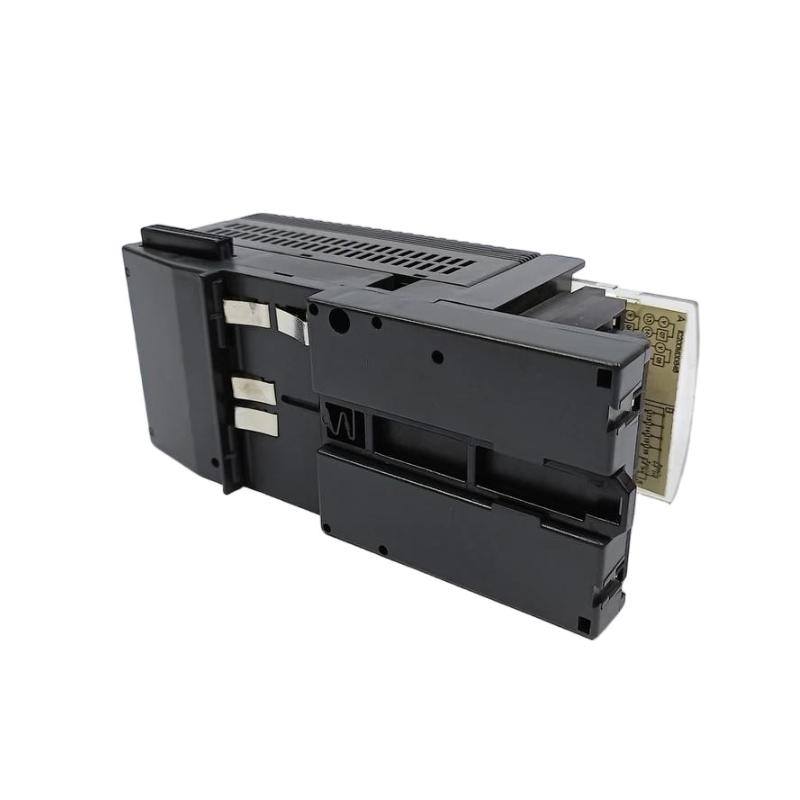
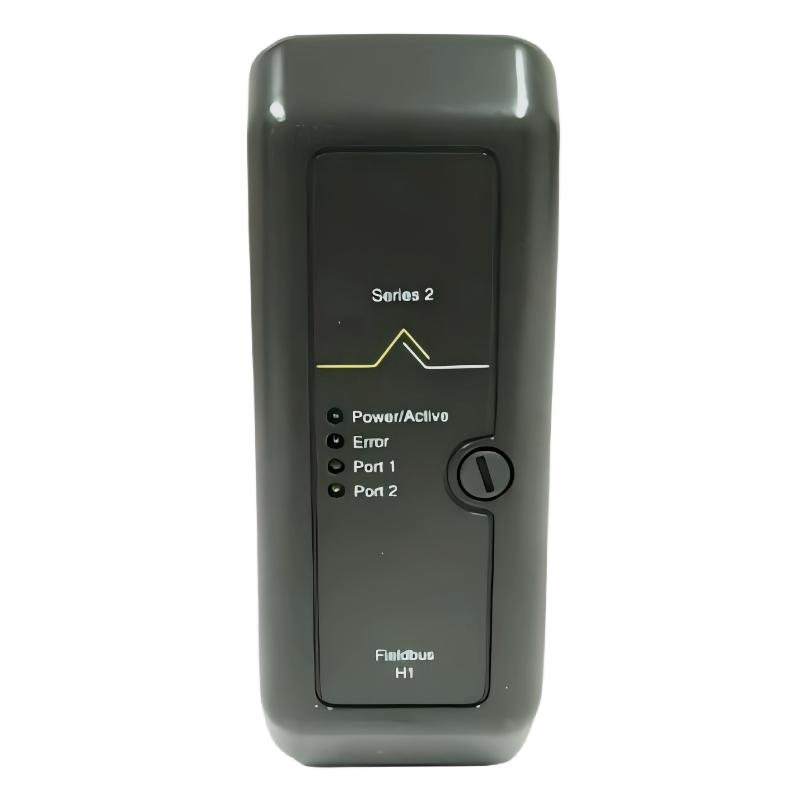
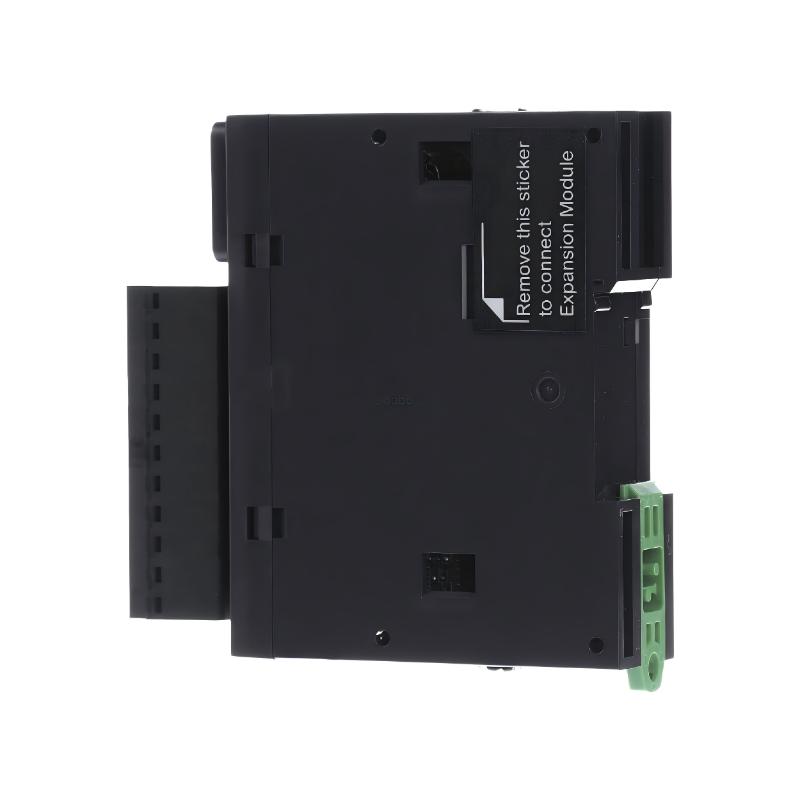
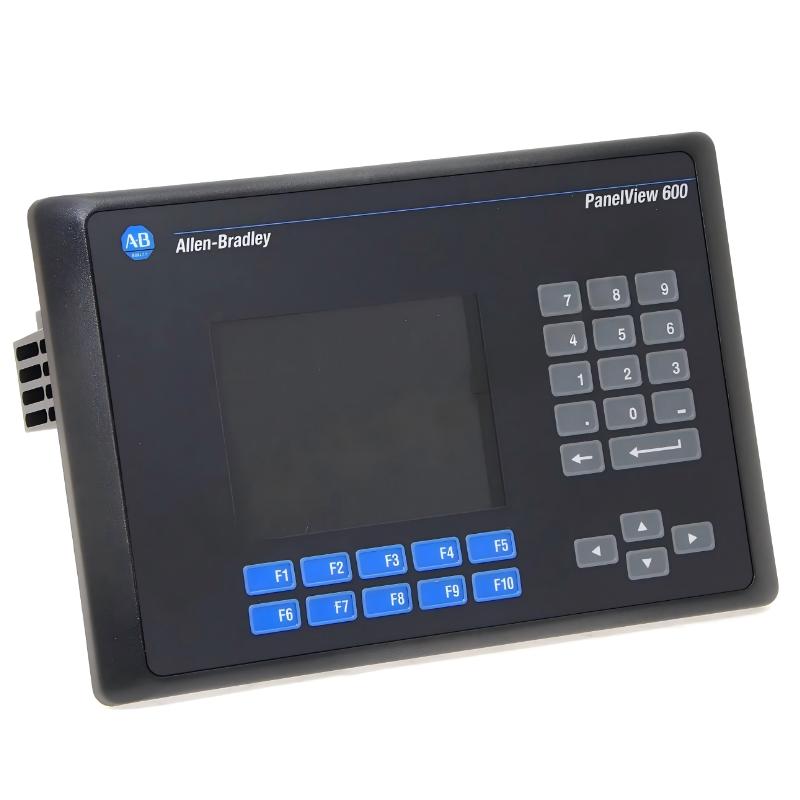
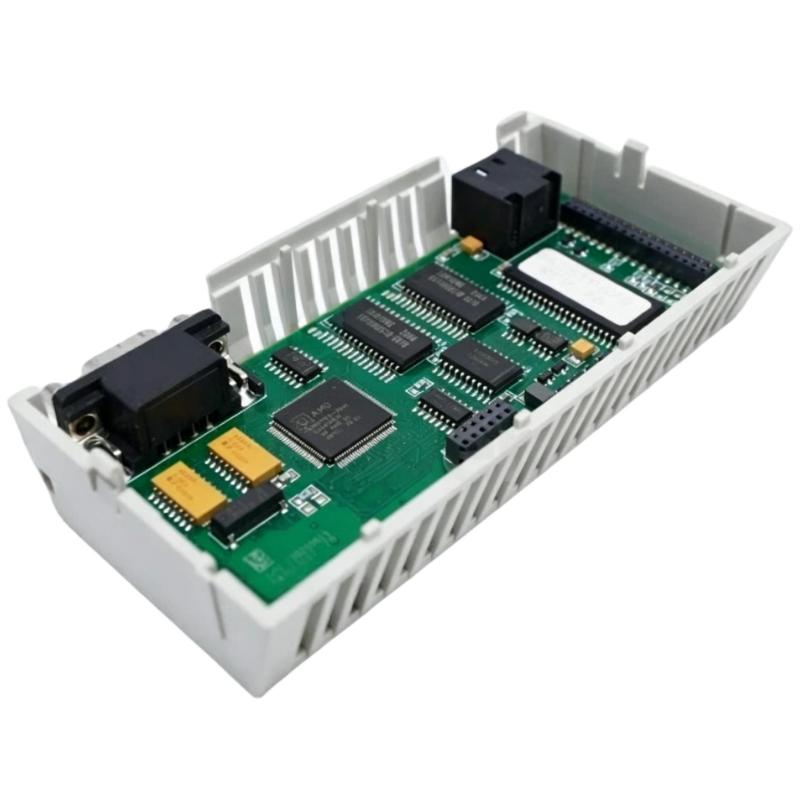
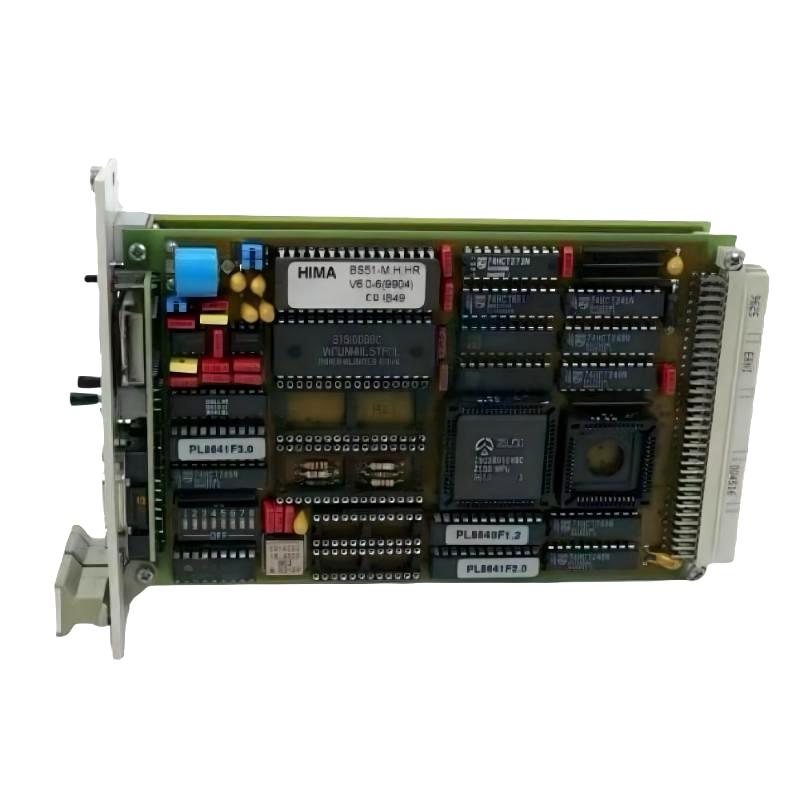
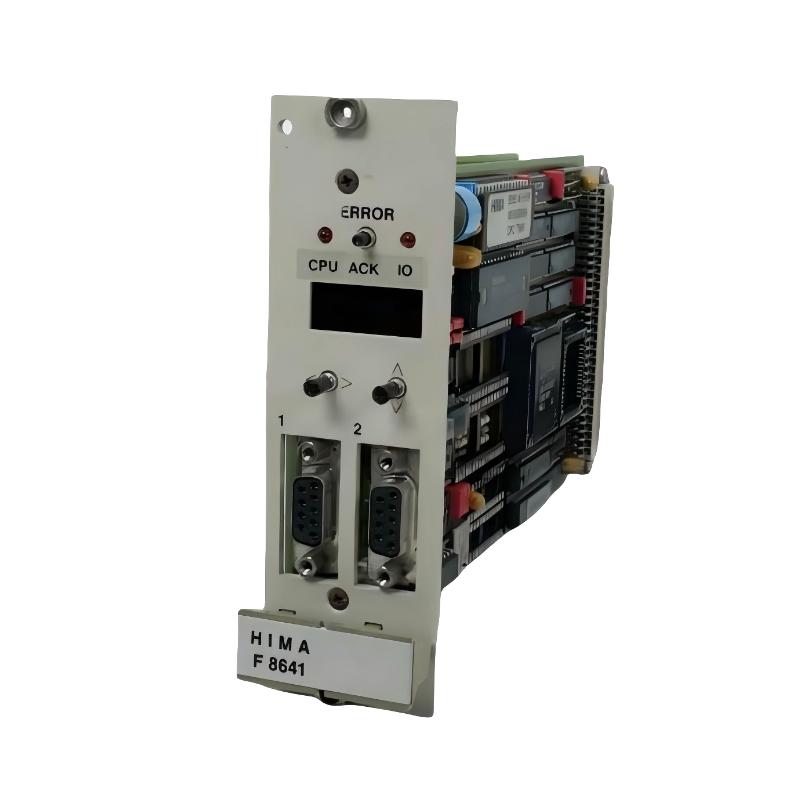
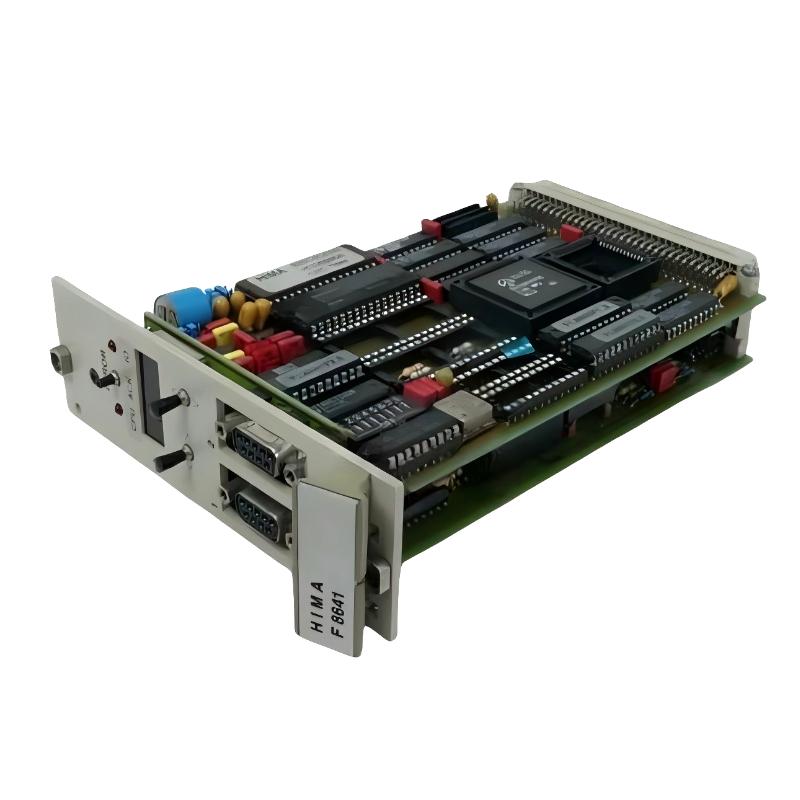
The HIMA F8203 Communication Module is a professional automation component developed for reliable connectivity within HIMA safety control architectures. It provides an efficient communication bridge between safety systems and external automation environments, helping operators achieve improved monitoring, coordination, and operational visibility.
Designed for demanding industrial applications, the F8203 combines dependable communication performance with flexible system integration capability. Its modular design makes it a practical solution for safety projects requiring stable data exchange, simplified maintenance, and long-term automation reliability.
Technical Specifications
| Specification | Details |
|---|
| Manufacturer | HIMA |
| Model | F8203 |
| Module Type | Communication Module |
| Application | Safety Automation Communication |
| Function | Data Exchange and System Interface |
| Communication Interface | RS-232 / RS-485 (Configuration Dependent) |
| Compatible Platform | HIMA Safety Systems |
| Communication Role | Controller, HMI, SCADA Integration |
| Safety Application | SIS, Process Protection, Industrial Automation |
| Installation Type | HIMA Rack / Cabinet Mounting |
| Diagnostic Function | Communication Monitoring |
| Operating Voltage | 24 VDC |
| Dimensions | Approx. 120 × 80 × 35 mm |
| Weight | Approx. 0.3 kg |
Recommended Companion Models
| Model | Product Name |
|---|
| F8650 | HIMA HIMax Safety CPU Module |
| F6217 | HIMA Analog Input Module |
| F3334 | HIMA Digital Output Module |
| F7131 | HIMA Digital Input Module |
Frequently Selected Alternatives
| Model | Product Name |
|---|
| F8205 | HIMA Communication Module |
| F8627 | HIMA Ethernet Communication Module |
| F3110 | HIMA Safety Interface Module |
| F60 COM 01 | HIMA HIMatrix Communication Module |
Technical FAQs
1. What is the primary function of the HIMA F8203?
The HIMA F8203 is a Communication Module designed to provide data exchange capability between HIMA safety systems and external industrial devices.
2. What type of systems can communicate through the F8203?
The module can connect HIMA safety controllers with systems such as HMIs, SCADA platforms, and other automation controllers.
3. What communication interfaces are supported by the F8203?
The F8203 supports industrial serial communication interfaces, including RS-232 and RS-485, depending on system configuration.
4. Is the F8203 suitable for safety instrumented systems?
Yes, the module is designed for integration into HIMA safety architectures where reliable communication is required.
5. How does the F8203 improve system integration?
It provides a dedicated communication interface that simplifies information exchange between safety systems and higher-level automation platforms.
6. What applications commonly use the F8203?
Typical applications include process safety systems, emergency shutdown systems, industrial monitoring, and centralized control environments.
7. Does the F8203 support continuous industrial operation?
Yes, it is designed for applications requiring stable long-term operation in industrial environments.
8. How does the F8203 contribute to system diagnostics?
The module supports reliable communication channels that help maintain system visibility and improve troubleshooting efficiency.
9. What is the difference between a communication module and an I/O module?
A communication module manages data exchange between systems, while an I/O module is primarily responsible for collecting field signals or controlling external devices.
10. Why use a dedicated communication module in safety systems?
A dedicated communication module improves network organization, enhances data reliability, and supports efficient integration of safety and control systems.