Emerson Advances Next-Generation Process Automation with DCS, Edge Computing and Industrial AI Technologies Advanced Process Control Systems, Industrial Software and Digital Solutions Accelerate the Future of Smart Manufacturing
Emerson Strengthens Industrial Automation Development Through Intelligent Process Control Technologies
The global industrial automation industry is undergoing a major transformation as manufacturers and process companies continue investing in digital technologies, intelligent control systems and advanced automation solutions.
Industries such as oil and gas, chemical processing, power generation, pharmaceuticals, food production and renewable energy are increasingly adopting new automation architectures to improve efficiency, safety and operational flexibility.
Emerson continues to advance industrial automation technologies by combining distributed control systems (DCS), industrial software, edge computing and artificial intelligence solutions to support the modernization of industrial operations.
The development reflects a broader industry trend where traditional process control systems are evolving into intelligent automation platforms capable of collecting operational data, analyzing production conditions and supporting better decision-making.
Modern industrial users are no longer looking only for reliable control performance. They require automation systems that can provide real-time visibility, predictive insights and seamless integration with digital manufacturing environments.
The combination of advanced DCS platforms, industrial analytics and connected automation technologies is becoming a key foundation for the next generation of smart industrial facilities.
DCS Technology Remains Critical for Complex Industrial Operations
Distributed Control Systems continue to play an essential role in industries where continuous operation, safety and process stability are critical.
Unlike traditional machine automation applications, process industries require precise management of complex production environments involving thousands of measurement points and control variables.
DCS platforms are widely used in:
- Oil refining facilities
- Chemical plants
- Power generation stations
- Water treatment systems
- Pharmaceutical production
- Industrial energy facilities
Modern DCS systems provide advanced capabilities including:
- Process monitoring
- Control optimization
- Alarm management
- Equipment diagnostics
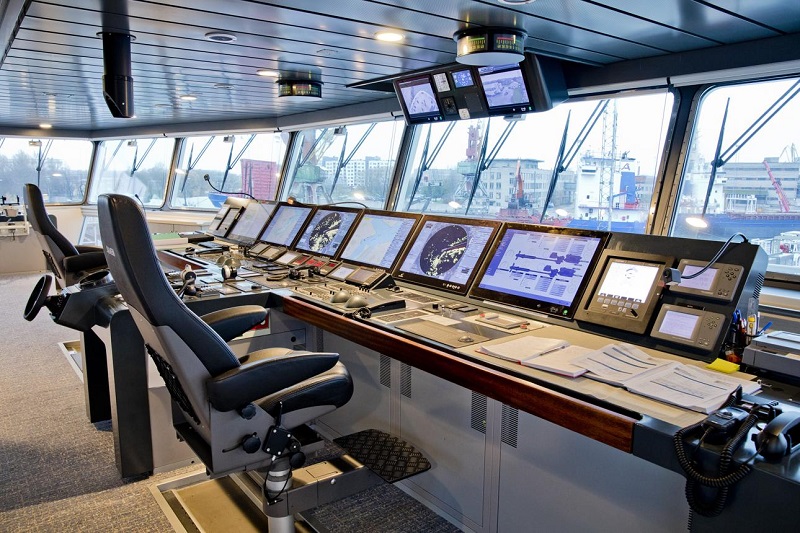
- Operator interface functions
- Data communication
- System integration
As industrial processes become more complex, companies require control systems that can support both operational reliability and digital transformation.
The future development of DCS technology is moving toward greater intelligence, improved connectivity and stronger integration with industrial software platforms.
Industrial Digital Transformation Improves Operational Performance
Digital transformation has become one of the most important strategies for industrial companies worldwide.
Manufacturers and process operators are seeking ways to improve production efficiency while reducing operating costs and maintaining high safety standards.
Industrial digitalization allows companies to connect automation systems with advanced data platforms.
Through digital technologies, organizations can analyze:
- Equipment performance
- Production efficiency
- Energy consumption
- Process conditions
- Maintenance requirements
- Product quality information
This information helps engineers and operators make faster and more accurate decisions.
For example, production teams can identify abnormal process conditions before they create serious operational problems.
Maintenance departments can analyze equipment data to determine when service is required instead of relying only on fixed maintenance schedules.
This transition from traditional operation methods toward data-driven management is reshaping the industrial automation industry.
Edge Computing Brings Faster Industrial Data Processing
One of the most important developments in modern automation is the increasing use of industrial edge computing.
Traditional industrial systems often transfer operational data to centralized platforms for processing and analysis.
However, many industrial applications require immediate responses.
Edge computing enables data processing closer to production equipment.
This provides several advantages:
Faster Response Capability
Local data analysis reduces communication delays and supports faster operational decisions.
Improved Reliability
Critical information can continue to be processed even when network conditions change.
Reduced Data Transfer Requirements
Only important information needs to be transferred to higher-level systems.
Better Equipment Monitoring
Industrial edge devices can analyze machine conditions in real time.
For industries where production interruptions can create significant losses, these advantages are extremely valuable.
Artificial Intelligence Supports Predictive Industrial Operations
Artificial intelligence is becoming an increasingly important technology in industrial automation.
Industrial facilities generate enormous amounts of operational data from sensors, controllers and production equipment.
AI technologies can analyze this information and identify patterns that may not be obvious through traditional monitoring methods.
Industrial AI applications include:
Predictive Maintenance
AI systems can analyze equipment conditions and identify early warning signals before failures occur.
Process Optimization
AI algorithms can recommend adjustments to improve production efficiency.
Quality Control
AI-based inspection technologies can identify product issues during manufacturing.
Energy Optimization
AI analysis can help companies reduce unnecessary energy consumption.
The integration of AI with industrial automation creates opportunities for more intelligent and autonomous production environments.
Automation Modernization Creates Opportunities for PLC and Industrial Equipment Markets
As companies upgrade their automation infrastructure, demand continues growing for industrial automation components.
Modernization projects require products such as:
- PLC processors
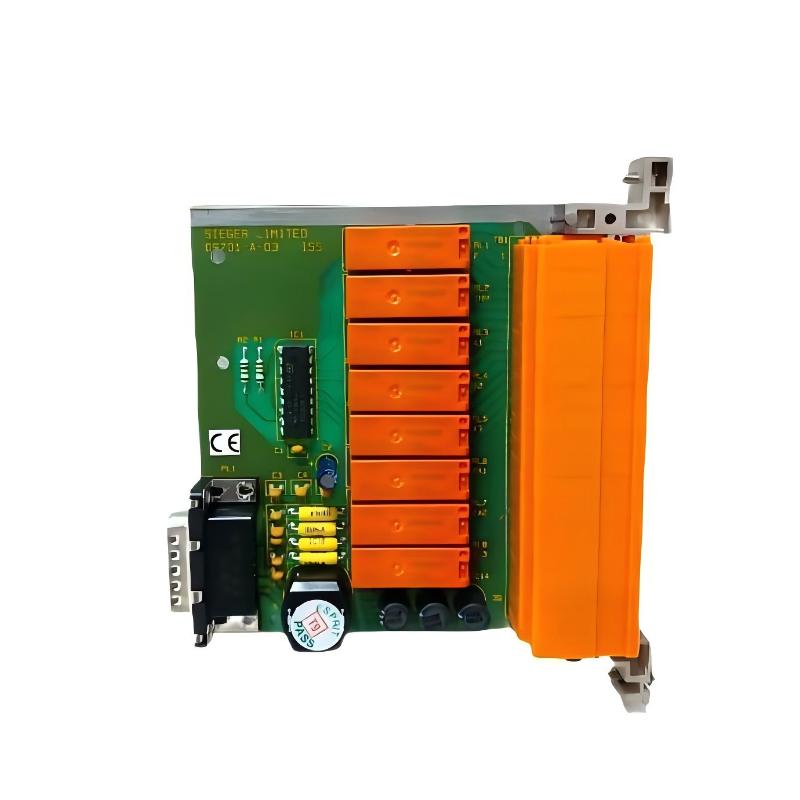
- Control modules
- Communication interfaces
- Remote I/O systems
- Industrial sensors
- HMI devices
- Network equipment
- Industrial computers
Many companies choose gradual modernization strategies instead of completely replacing existing automation systems.
This approach allows industrial users to improve performance while protecting previous investments.
For automation suppliers and distributors, modernization projects create long-term opportunities in the global market.
The demand for replacement components, expansion modules and compatible automation equipment continues increasing as older systems require upgrades and maintenance.
Cybersecurity Becomes a Major Focus in Industrial Automation
As industrial systems become more connected, cybersecurity has become a fundamental requirement.
Modern automation environments increasingly connect:
- Control systems
- Enterprise networks
- Remote monitoring platforms
- Cloud applications
- Industrial communication systems
While connectivity improves efficiency, it also increases the importance of protecting industrial infrastructure.
Companies are focusing on:
- Secure network design
- Access control
- Data protection
- System monitoring
- Communication security
Future automation systems must provide both advanced functionality and strong cybersecurity protection.
Future Development Trends of Process Automation
The future of industrial automation will continue moving toward intelligent, connected and sustainable solutions.
Important trends include:
Intelligent DCS Platforms
Control systems will provide stronger analytical capabilities and improved integration.
Industrial AI Applications
AI will support predictive analysis and automated optimization.
Digital Twin Technology
Virtual models will help engineers design and improve industrial processes.
Sustainable Automation
Automation will help reduce energy consumption and improve resource efficiency.
More Flexible Industrial Architectures
Factories will require automation systems that can adapt quickly to changing production requirements.
Conclusion
The evolution of Emerson’s industrial automation technologies reflects the broader transformation of process industries toward intelligent and connected operations.
The combination of DCS systems, edge computing, industrial software and artificial intelligence is helping companies improve productivity, reliability and operational visibility.
As global industries continue modernizing their automation infrastructure, advanced process control technologies will remain essential for future industrial development.
For PLC engineers, DCS specialists, automation suppliers and industrial equipment providers, the growth of intelligent automation represents significant opportunities in the global market.
The future of industrial automation will depend on systems that combine reliable control, digital intelligence and advanced connectivity.