Yokogawa Advances Process Automation with CENTUM VP DCS and Industrial Digital Transformation
The process automation industry is undergoing significant transformation as energy companies, chemical manufacturers, pharmaceutical producers, and other industrial organizations seek safer, more efficient, and more sustainable operations.
Yokogawa Electric continues to strengthen its position in the process automation market by developing advanced distributed control systems, industrial software platforms, and digital transformation solutions designed for complex industrial environments.
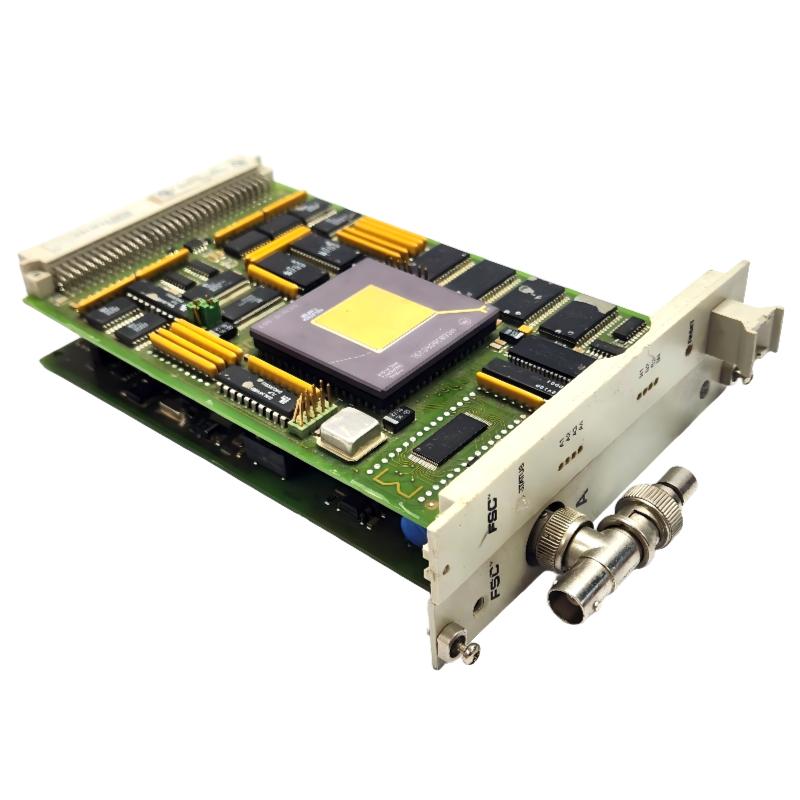
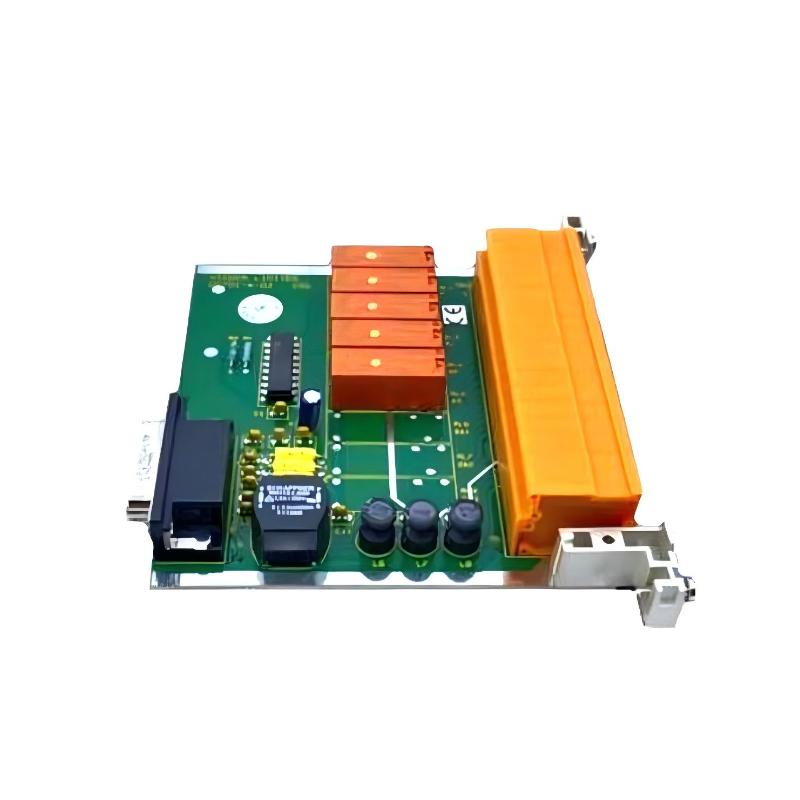
The company's CENTUM VP distributed control system remains one of the key automation platforms used in industries requiring high reliability, continuous operation, and advanced process control.
With the increasing demand for operational efficiency, predictive maintenance, energy optimization, and cybersecurity, Yokogawa is expanding the role of DCS technology beyond traditional process control.
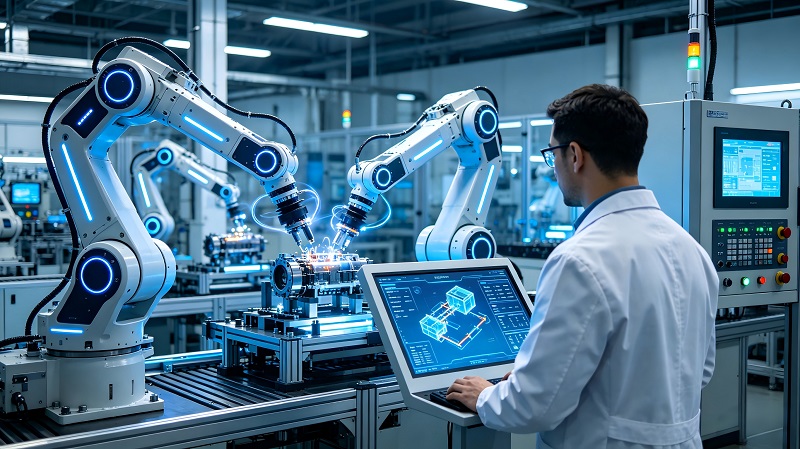
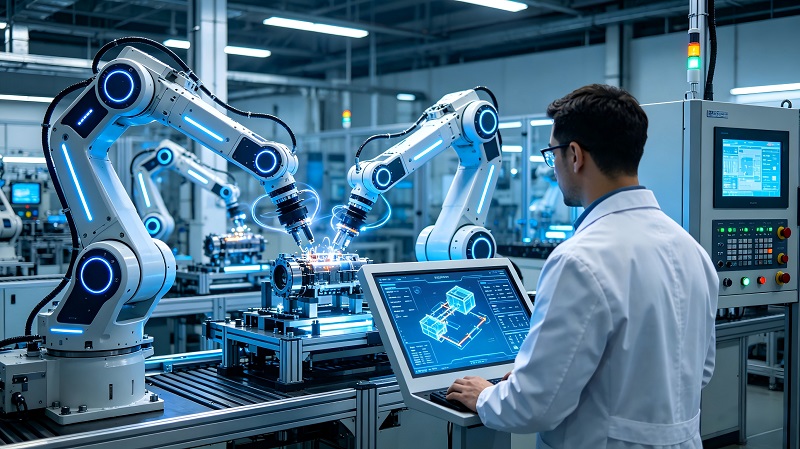
Modern process automation is no longer only about controlling valves, pumps, and production equipment. It is becoming a connected ecosystem that combines control systems, industrial data, artificial intelligence, cloud technologies, and advanced analytics.
Yokogawa CENTUM VP Continues as a Core DCS Platform
Distributed Control Systems (DCS) are essential for large-scale continuous production facilities.
Industries such as:
- Oil and gas
- Petrochemical
- Chemical processing
- Power generation
- Pharmaceutical manufacturing
- Water treatment
- Food and beverage
require control systems that can operate continuously with high availability.
Yokogawa's CENTUM VP DCS has been developed for these demanding environments.
The system provides:
- Process monitoring
- Regulatory control
- Advanced control functions
- Alarm management
- Operator interface
- Historical data management
- System diagnostics
Unlike many factory automation applications where PLC systems dominate, process industries often require DCS platforms designed specifically for large and complex operations.
A refinery, chemical plant, or power facility may contain thousands of measurement points and control loops operating simultaneously.
The DCS must coordinate these processes safely and reliably.
Digital Transformation Changes the Role of DCS Systems
Traditional DCS systems were primarily designed for process control.
However, modern industrial requirements have expanded.
Companies now need automation systems that can also support:
- Data analysis
- Energy management
- Predictive maintenance
- Production optimization
- Remote monitoring
- Artificial intelligence applications
Yokogawa is developing digital transformation technologies that connect process automation with industrial data platforms.
The objective is to transform the DCS from a control-only system into a broader operational intelligence platform.
A modern process automation architecture may include:
Field Instruments → DCS → Industrial Network → Data Platform → AI Analytics → Business Optimization
This approach allows companies to use operational data to improve decision-making.
Yokogawa Integrates Industrial AI into Process Operations
Artificial intelligence is becoming increasingly important in process industries.
Unlike manufacturing automation, where production cycles may happen within seconds, process industries often involve complex chemical, thermal, and physical processes.
Examples include:
- Refinery operations
- LNG production
- Chemical reactions
- Power generation
- Pharmaceutical processes
These systems generate large amounts of operational data.
AI can analyze this information to identify patterns, optimize processes, and support operators.
Potential applications include:
- Equipment performance analysis
- Process optimization
- Energy reduction
- Abnormal situation detection
- Predictive maintenance
- Production forecasting
Yokogawa has been developing AI-based industrial solutions designed to support operators and engineers in complex process environments.
AI-Based Operation Support for Industrial Plants
One of the biggest challenges in process industries is managing abnormal situations.
A large industrial plant may contain thousands of alarms.
During abnormal conditions, operators must quickly determine:
- What happened?
- Which equipment caused the issue?
- What action should be taken?
- How can production safely continue?
Traditional alarm systems can sometimes overwhelm operators with information.
AI-based systems can help analyze relationships between process variables and provide additional guidance.
Instead of only showing alarm messages, intelligent systems can help identify possible causes and recommend actions.
This improves operational efficiency and reduces human error.
Yokogawa and Predictive Maintenance
Equipment reliability is critical for continuous process industries.
Unexpected equipment failures can cause:
- Production losses
- Safety risks
- Expensive repairs
- Extended downtime
Predictive maintenance uses operational data to identify early signs of equipment problems.
Important data sources include:
- Vibration measurements
- Temperature information
- Pressure trends
- Flow conditions
- Motor performance
- Historical maintenance records
By analyzing this information, companies can move from traditional scheduled maintenance toward condition-based maintenance.
This allows maintenance teams to focus resources on equipment that actually requires attention.
Integration Between DCS and Asset Management Systems
Modern plants increasingly require closer integration between automation systems and asset management platforms.
A DCS provides real-time process information.
An asset management system provides equipment health information.
When these systems work together, engineers gain a more complete understanding of plant performance.
For example:
A control system may detect abnormal pump behavior.
An asset management system may analyze vibration and temperature data.
Together, they can provide a clearer picture of whether maintenance is required.
This integration supports smarter industrial operations.
Yokogawa Supports Energy Efficiency and Sustainability
Energy consumption has become a major concern for industrial companies.
Large process plants consume significant amounts of:
- Electricity
- Steam
- Fuel
- Cooling water
- Raw materials
Improving energy efficiency can reduce operating costs while supporting sustainability goals.
Automation systems can help by monitoring:
- Energy usage
- Process efficiency
- Equipment performance
- Production losses
Advanced analytics can identify opportunities for optimization.
For example, a process may consume excessive energy because operating conditions are not optimized.
Data analysis can reveal these inefficiencies.
CENTUM VP and High-Reliability Process Control
Reliability remains one of the most important requirements for DCS applications.
Many process plants operate 24 hours a day, seven days a week.
A shutdown can have major economic consequences.
Therefore, DCS platforms require:
- High availability
- Redundant architecture
- Reliable communication
- Advanced diagnostics
- Secure operation
Yokogawa CENTUM VP has been designed for these demanding environments.
The system architecture supports continuous process operation while providing operators with real-time information.
Yokogawa Expands Industrial Connectivity
Industrial communication is becoming increasingly important.
Modern plants contain many different systems:
- DCS
- PLC
- SCADA
- Safety systems
- Laboratory systems
- Manufacturing execution systems
- Enterprise platforms
Connecting these systems allows companies to use data more effectively.
Industrial communication technologies such as Ethernet-based networks and open communication standards help create integrated automation environments.
This allows process information to move beyond the control room.
Cybersecurity Becomes a Priority for DCS Systems
As process automation systems become more connected, cybersecurity has become a critical requirement.
Older industrial systems were often designed for isolated environments.
Modern plants are connected through:
- Industrial networks
- Remote maintenance systems
- Cloud platforms
- Data analytics systems
This increases the importance of cybersecurity.
A comprehensive industrial security strategy includes:
- Network segmentation
- Access management
- Secure communication
- User authentication
- System monitoring
- Software updates
- Backup procedures
For critical infrastructure, cybersecurity is now an essential part of automation design.
Yokogawa and the Future of Autonomous Operations
The long-term direction of process automation is moving toward more autonomous operations.
Autonomous plants use advanced technologies to improve decision-making and reduce manual intervention.
Future process automation systems may include:
- AI-based optimization
- Autonomous control adjustments
- Digital twins
- Advanced simulation
- Predictive analytics
- Remote operation
However, human expertise will remain essential.
Operators and engineers will continue to supervise systems, manage complex situations, and make strategic decisions.
AI will become a powerful support tool rather than a replacement for industrial professionals.
Digital Twins in Process Automation
Digital twin technology is also becoming more important in process industries.
A digital twin creates a virtual model of a physical process or facility.
It can be used for:
- Operator training
- Process simulation
- Optimization studies
- Equipment analysis
- Engineering improvements
For large industrial facilities, digital twins can help companies test improvements before applying them to real production systems.
This reduces operational risk and improves decision-making.
Yokogawa Applications Across Industries
Yokogawa automation solutions are widely used in industries including:
Oil and Gas
Applications include:
- Refining
- LNG
- Pipeline operations
- Offshore production
Chemical Industry
Applications include:
- Chemical processing
- Batch production
- Reaction control
Power Generation
Applications include:
- Thermal power plants
- Renewable energy integration
- Utility management
Pharmaceutical Manufacturing
Applications include:
- Process monitoring
- Quality control
- Regulatory compliance
Water Treatment
Applications include:
- Pump control
- Water quality monitoring
- Distribution systems
The Future of Process Automation
The future of process automation will combine traditional DCS reliability with modern digital technologies.
The next generation of industrial systems will integrate:
- Distributed control systems
- Artificial intelligence
- Industrial data platforms
- Digital twins
- Predictive maintenance
- Cybersecurity
- Advanced analytics
Yokogawa's development direction reflects this industry transformation.
The role of the DCS is expanding from simply controlling processes to becoming a foundation for intelligent industrial operations.