Mitsubishi Electric Expands Smart Factory Automation with PLC, Robotics and Digital Manufacturing Solutions Advanced PLC Control Systems, Industrial Robots and Digital Technologies Accelerate Global Manufacturing Transformation
Mitsubishi Electric Strengthens Smart Manufacturing Development Through Integrated Automation Solutions
The global manufacturing industry is rapidly changing as companies continue adopting smart factory technologies, intelligent automation systems and digital manufacturing solutions to improve productivity and competitiveness.
Manufacturers across industries such as automotive, electronics, semiconductor production, logistics, food processing and industrial equipment are increasing investments in automation technologies that can provide higher efficiency, improved flexibility and better operational visibility.
Mitsubishi Electric continues to expand its industrial automation technologies by integrating programmable logic controllers (PLC), motion control systems, industrial robots, human-machine interfaces, industrial networks and digital engineering solutions.
The development reflects a major trend in the global automation market: factories are moving from isolated machine control toward connected and intelligent manufacturing environments.
Modern production facilities require automation systems that can not only control equipment but also collect data, analyze performance and support continuous improvement.
By combining control hardware with digital technologies, manufacturers can create more flexible production systems capable of responding quickly to changing market demands.
PLC Technology Remains the Core Foundation of Smart Factories
Programmable Logic Controllers continue to be one of the most important technologies in industrial automation.
For decades, PLC systems have provided reliable control for machines, production lines and industrial processes.
Today, PLC technology is evolving beyond traditional control functions.
Modern PLC platforms support:
- High-speed processing
- Industrial communication
- Motion control integration
- Remote diagnostics
- Data collection
- System networking
- Advanced programming capabilities
In smart manufacturing environments, PLC systems act as the central connection point between production equipment and digital platforms.
A modern automated production line may include PLC controllers managing machine sequences, sensors collecting production information, robots performing assembly tasks and software platforms analyzing operational data.
This integration allows manufacturers to improve production efficiency while maintaining stable and reliable operations.
Smart Factory Development Requires Flexible Automation Architectures
Traditional manufacturing systems were designed for long production cycles and standardized products.
However, modern markets increasingly require customized products, shorter delivery times and faster production adjustments.
This has created demand for flexible automation solutions.
Flexible manufacturing systems allow factories to:
- Change production processes faster
- Reduce equipment adjustment time
- Support multiple product types
- Improve resource utilization
- Increase production responsiveness
Automation technologies such as PLC systems, industrial robots and motion controllers provide the foundation for these flexible production environments.
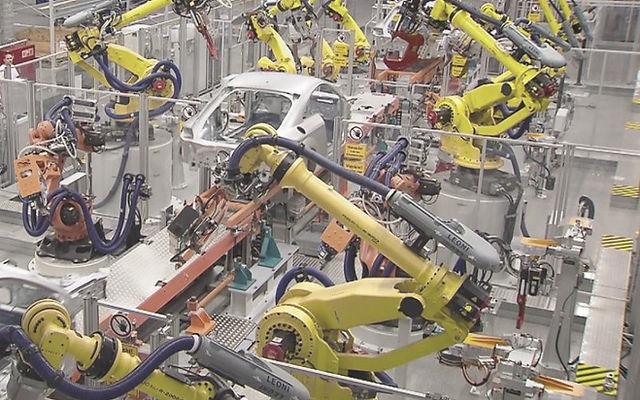
For example, robotic assembly systems can quickly adapt to different product configurations when combined with intelligent control platforms.
This flexibility gives manufacturers stronger competitiveness in rapidly changing markets.
Industrial Robotics Becomes a Key Element of Manufacturing Automation
Industrial robotics continues to expand across global manufacturing industries.
Robots are increasingly used in applications including:
- Assembly
- Material handling
- Welding
- Packaging
- Inspection
- Precision manufacturing
The development of robotics is closely connected with advances in industrial control systems.
Modern robotic applications require communication between robots, PLC controllers, sensors and production management systems.
This integration enables:
- Improved production coordination
- Higher operational accuracy
- Better process monitoring
- Faster production adjustments
As robotics technology develops, factories are moving toward more intelligent automation environments where machines can cooperate and exchange information.
Digital Manufacturing Technologies Improve Production Efficiency
Digital manufacturing has become an important direction for industrial development.
Manufacturers are using digital technologies to improve visibility across production processes.
Digital solutions help companies analyze:
- Production performance
- Equipment utilization
- Manufacturing quality
- Energy consumption
- Maintenance requirements
This information allows engineers to identify problems and optimize production processes.
For example, production managers can analyze real-time manufacturing data to identify bottlenecks and improve workflow efficiency.
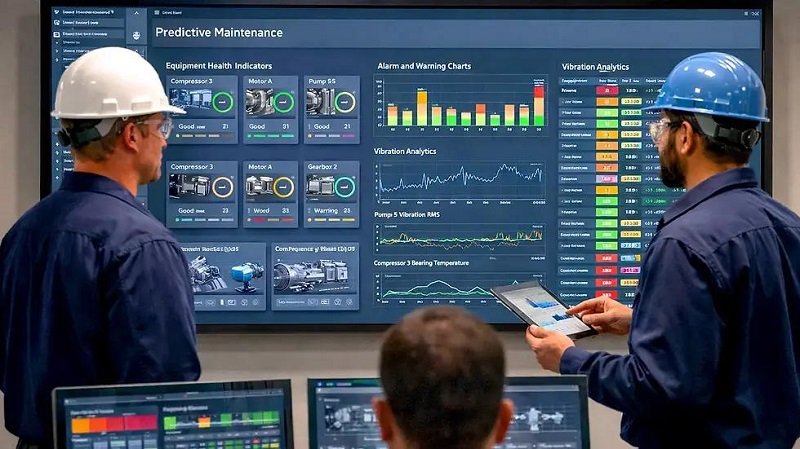
Maintenance teams can monitor equipment conditions and schedule service activities before unexpected failures occur.
Digital manufacturing creates a more proactive approach to industrial management.
Industrial Networks Connect Modern Automation Systems
Communication technology is a critical part of smart factory development.
Modern industrial facilities require reliable communication between different automation components.
Industrial networks connect:
- PLC controllers
- Robots
- Sensors
- Drives
- HMIs
- Industrial computers
- Production software systems
These connections allow machines and systems to exchange information continuously.
Reliable industrial communication improves:
- Production transparency
- Equipment monitoring
- System integration
- Troubleshooting efficiency
As factories become more connected, industrial networking will continue playing a major role in automation development.
Motion Control Technology Improves Precision Manufacturing
Precision manufacturing requires advanced motion control capabilities.
Industries such as semiconductor manufacturing, electronics production and automotive manufacturing depend on accurate positioning and high-speed operation.
Motion control technologies help manage:
- Servo motors
- Positioning systems
- Robotic movements
- High-speed production equipment
When combined with PLC systems, motion control solutions allow manufacturers to achieve higher accuracy and improved production performance.
The integration of PLC and motion technologies is especially important for applications requiring precise manufacturing processes.
Industrial Automation Market Benefits from Smart Factory Expansion
The continued development of smart manufacturing is creating strong demand for industrial automation products.
Companies upgrading their production systems require various components, including:
- PLC modules
- CPU controllers
- Digital input and output modules
- Communication modules
- Servo drives
- Motion controllers
- HMI terminals
- Industrial robots
- Network devices
Many manufacturers choose step-by-step modernization strategies to improve existing production systems.
Instead of replacing complete factories, companies often upgrade specific automation components and introduce new digital technologies.
This creates continuous opportunities for automation suppliers and industrial equipment distributors.
Artificial Intelligence Brings New Possibilities to Manufacturing Automation
Artificial intelligence is becoming increasingly important in future manufacturing systems.
AI technologies can analyze production data and support intelligent decision-making.
Industrial AI applications include:
Predictive Maintenance
AI can identify equipment conditions and predict possible failures.
Automated Quality Inspection
AI-based vision systems can detect manufacturing defects.
Production Optimization
AI can recommend improvements to production processes.
Intelligent Scheduling
AI can support more efficient production planning.
The combination of AI, PLC systems and industrial robotics will continue pushing factories toward more autonomous operation.
Sustainability Becomes an Important Goal for Smart Factories
Manufacturers are increasingly focusing on sustainability and energy efficiency.
Automation technologies help companies improve resource management through:
- Energy monitoring
- Equipment optimization
- Reduced production waste
- Improved operational efficiency
Smart control systems allow factories to understand energy consumption patterns and identify improvement opportunities.
As global industries focus on reducing environmental impact, sustainable automation will become an important development direction.
Future Trends of Industrial Automation Development
The future of manufacturing automation will continue moving toward intelligent and connected systems.
Major trends include:
AI-Enhanced Automation
Artificial intelligence will improve production optimization and equipment management.
More Advanced PLC Platforms
Controllers will provide stronger processing capabilities and digital integration.
Greater Robotics Adoption
Robots will become more flexible and intelligent.
Digital Twin Technology
Virtual simulation will support engineering optimization.
Connected Smart Factories
Production equipment will communicate through advanced industrial networks.
These trends will continue shaping the future of global manufacturing.
Conclusion
Mitsubishi Electric’s continued development in PLC technology, robotics and digital manufacturing solutions reflects the broader transformation of industrial automation.
The integration of control systems, robotics, industrial networks and digital technologies is helping manufacturers build smarter, more flexible and more efficient production environments.
As global industries continue adopting smart factory technologies, PLC systems and intelligent automation platforms will remain essential foundations for future manufacturing.
For automation engineers, system integrators and industrial equipment suppliers, the expansion of smart manufacturing creates significant opportunities across international markets.
The future of industrial automation will depend on technologies that combine precision control, digital intelligence and manufacturing flexibility.