Yokogawa Enhances Industrial Control Innovation Through Advanced DCS and Energy Automation Technologies Intelligent Distributed Control Systems, Process Automation and Digital Solutions Support the Future of Industrial Operations
Yokogawa Advances Industrial Automation with Next-Generation Process Control Technologies
The global industrial automation industry is continuing to evolve as companies focus on improving operational efficiency, increasing production reliability and accelerating digital transformation.
Process industries including energy, chemicals, pharmaceuticals, oil and gas, power generation and manufacturing are adopting advanced automation technologies to create safer, more efficient and more intelligent production environments.
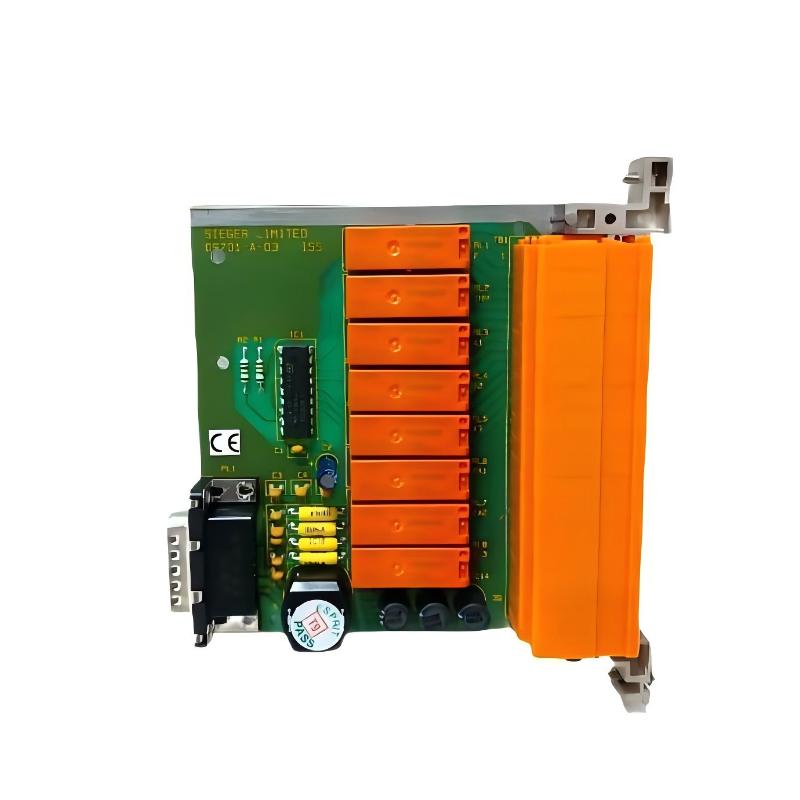
Yokogawa continues to strengthen its industrial automation development by advancing distributed control systems (DCS), process instrumentation technologies and digital solutions designed for complex industrial applications.
Modern industrial facilities require automation systems that can provide stable process control while also supporting real-time monitoring, advanced analytics and improved operational decision-making.
The role of industrial automation is changing rapidly. Traditional control systems were mainly designed to maintain production stability, while modern automation platforms are expected to provide deeper insights into operational performance and support long-term optimization.
The integration of DCS technology, industrial communication networks, smart instrumentation and digital analysis tools is becoming a key direction for the future of process automation.
Distributed Control Systems Remain Essential for Process Industries
Distributed Control Systems continue to be a critical technology for industries that require continuous and reliable operation.
Large process facilities often involve thousands of control points, complex production processes and strict safety requirements.
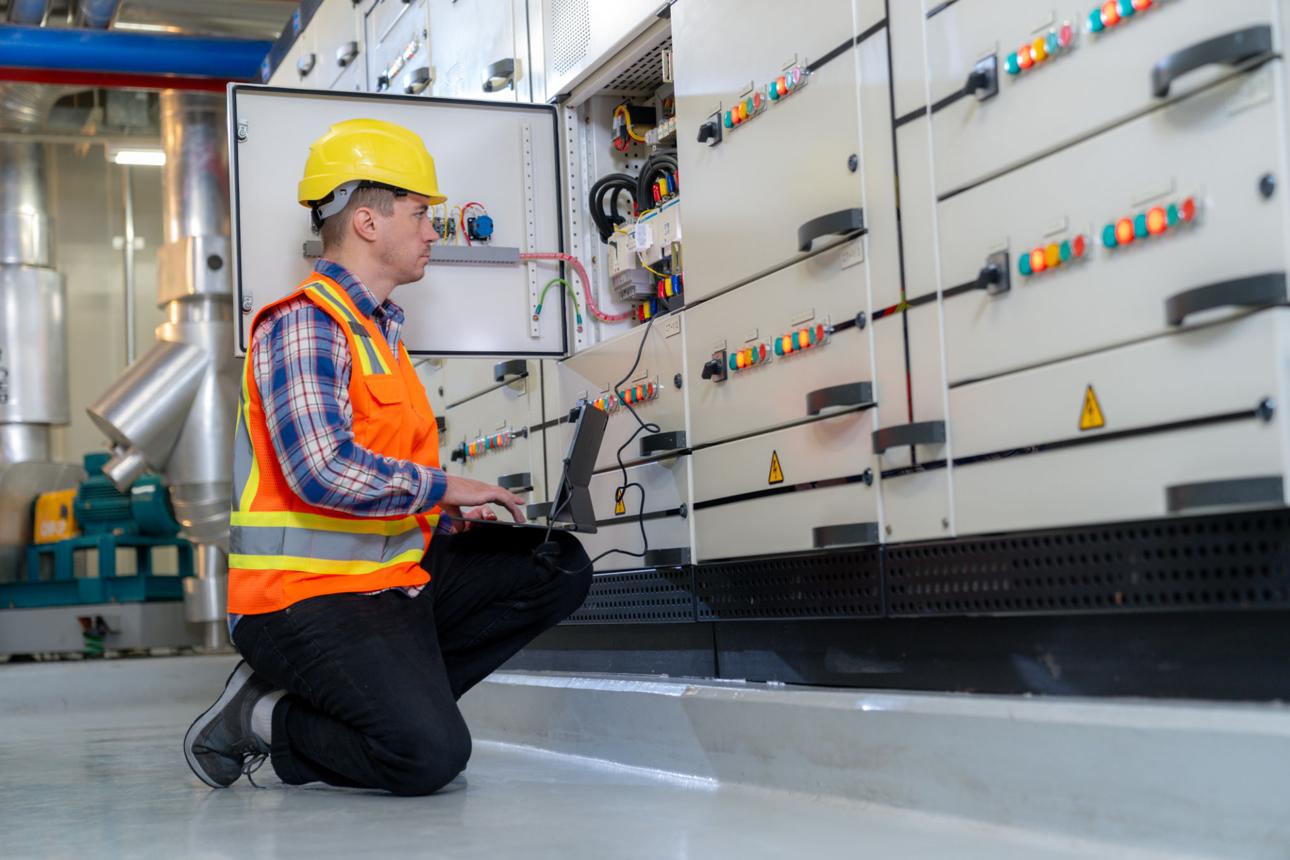
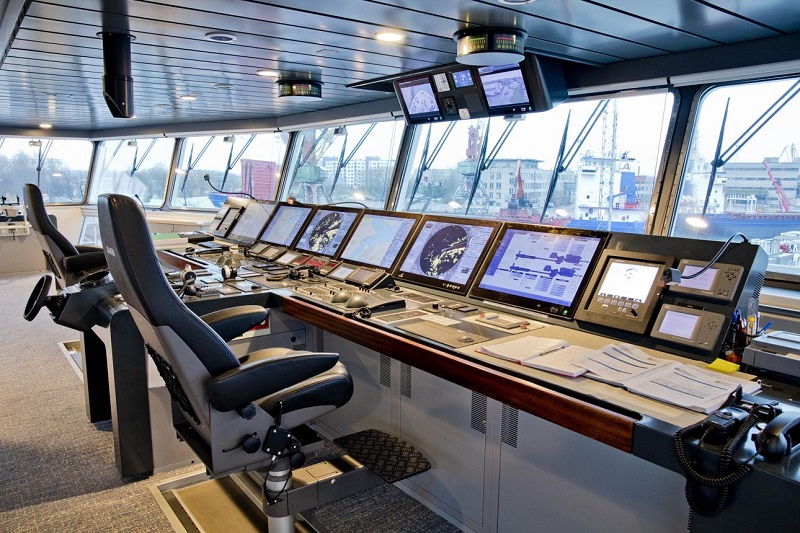
DCS platforms provide centralized monitoring and distributed control capabilities that allow operators to manage industrial processes effectively.
Modern DCS systems support:
- Process monitoring
- Automated control operations
- Alarm management
- Data collection
- Equipment diagnostics
- Engineering configuration
- System integration
Industries such as chemical production, power generation and energy processing depend on DCS solutions to maintain stable operations.
As industrial requirements become more advanced, DCS technology continues evolving from a traditional control platform into a comprehensive automation and information system.
Digital Transformation Improves Industrial Decision-Making
Industrial companies are increasingly using digital technologies to improve operational performance.
Modern factories and process plants generate large amounts of information from:
- Sensors
- Control systems
- Field instruments
- Production equipment
- Energy management systems
However, collecting data alone is not enough.
Companies need effective technologies to analyze information and transform it into useful operational knowledge.
Digital transformation enables manufacturers to improve:
Production Efficiency
Real-time operational data helps identify production issues and improve processes.
Equipment Reliability
Advanced analysis can detect abnormal equipment conditions.
Maintenance Planning
Data-driven maintenance strategies reduce unexpected failures.
Energy Management
Digital monitoring helps optimize resource consumption.
The ability to use industrial data effectively has become an important competitive advantage.
Smart Instrumentation Improves Process Automation Accuracy
Instrumentation technology plays an important role in modern industrial automation.
Accurate measurement is essential for effective process control.
Industrial facilities rely on field devices to monitor:
- Temperature
- Pressure
- Flow
- Level
- Chemical conditions
- Equipment performance
Smart instrumentation technologies provide more than measurement functions.
Modern intelligent instruments can support:
- Digital communication
- Remote diagnostics
- Condition monitoring
- Improved measurement accuracy
- Maintenance information
By integrating smart instruments with DCS platforms, companies can achieve better process visibility and improved operational control.
This combination helps engineers understand production conditions more accurately and respond faster to potential issues.
Industrial Energy Automation Becomes a Major Development Area
Energy efficiency has become a significant priority for industrial companies worldwide.
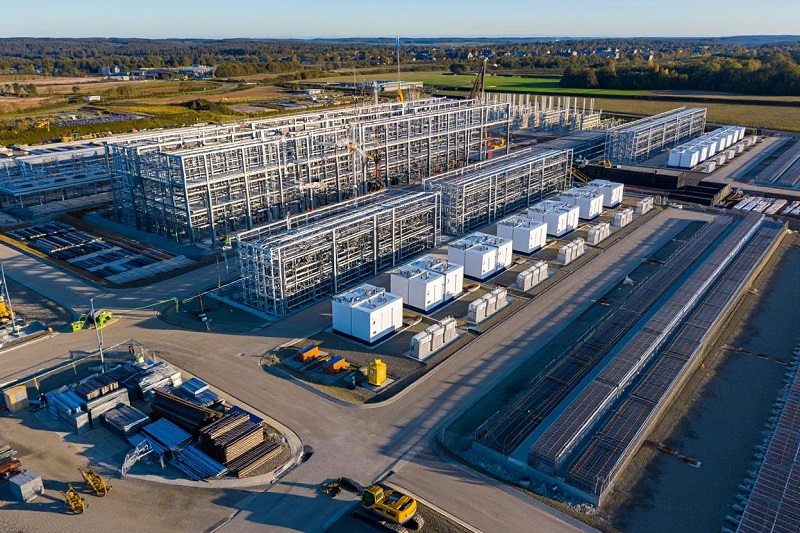
Manufacturing facilities and process plants consume large amounts of energy, making efficient energy management increasingly important.
Automation technologies support energy optimization through:
- Real-time monitoring
- Process optimization
- Equipment control
- Energy consumption analysis
For example, industrial control systems can analyze production conditions and adjust operating parameters to improve energy efficiency.
Energy automation helps companies reduce operational costs while supporting sustainability goals.
As industries continue focusing on environmental responsibility, energy management will become increasingly connected with industrial automation strategies.
Advanced Analytics Supports Predictive Maintenance Strategies
Predictive maintenance has become one of the most valuable applications of modern industrial automation.
Traditional maintenance strategies often rely on fixed schedules or repair actions after equipment failure.
Predictive maintenance uses operational data to identify equipment conditions and estimate future maintenance requirements.
Industrial analytics can monitor:
- Equipment vibration
- Operating temperature
- Process performance
- Energy consumption
- Operating cycles
By analyzing these factors, companies can identify potential problems before they affect production.
Benefits include:
- Reduced downtime
- Lower maintenance costs
- Improved equipment availability
- Increased production reliability
The combination of automation data and advanced analytics is changing industrial maintenance strategies.
Industrial Communication Technology Strengthens Automation Integration
Modern industrial facilities require reliable communication between different automation systems.
Industrial communication networks connect:
- DCS platforms
- PLC systems
- Field devices
- Sensors
- Industrial computers
- Monitoring software
Reliable communication improves:
- Data availability
- System coordination
- Remote management
- Troubleshooting efficiency
As industrial environments become more connected, communication technologies will continue playing an essential role in automation development.
Future factories will depend on seamless information exchange between different automation layers.
Cybersecurity Protection Becomes Critical for Connected Control Systems
The increasing connectivity of industrial systems has created new cybersecurity requirements.
Modern automation environments are no longer completely isolated.
They often connect with:
- Enterprise systems
- Remote monitoring platforms
- Digital applications
- Cloud-based services
While connectivity improves efficiency, industrial companies must also protect critical operations.
Cybersecurity strategies include:
- Secure network architecture
- User access control
- System monitoring
- Data protection
- Communication security
A reliable automation system must provide both operational performance and strong security protection.
Industrial Automation Equipment Demand Continues Growing
The expansion of smart industrial operations is creating continued demand for automation equipment.
Companies modernizing their facilities require products such as:
- DCS controllers
- PLC modules
- Communication interfaces
- Remote I/O systems
- Industrial sensors
- Process instruments
- HMI systems
- Control processors
Many companies prefer gradual modernization because it reduces investment pressure and minimizes production interruptions.
This approach creates long-term demand for replacement parts, automation upgrades and compatible industrial components.
For automation suppliers and distributors, industrial modernization projects continue providing valuable market opportunities.
Future Development Trends of Industrial Automation
The future of industrial automation will continue moving toward intelligent, connected and sustainable systems.
Key trends include:
Artificial Intelligence in Process Control
AI technologies will provide advanced analysis and optimization capabilities.
Digital Twin Applications
Virtual models will help companies improve engineering and operational performance.
Autonomous Industrial Operations
Automation systems will become more capable of independent optimization.
Advanced Industrial Networks
Faster and more reliable communication will support connected factories.
Sustainable Automation
Automation technologies will help industries improve energy efficiency and reduce waste.
These trends will continue shaping the next generation of industrial control systems.
Conclusion
Yokogawa’s continued innovation in industrial control technology reflects the broader transformation of process industries toward intelligent and connected operations.
Advanced DCS platforms, smart instrumentation, digital analytics and energy automation technologies are helping companies improve efficiency, safety and reliability.
As global industries continue upgrading their automation infrastructure, intelligent process control systems will remain a fundamental part of modern industrial operations.
For PLC engineers, DCS specialists, automation suppliers and industrial equipment providers, the growth of intelligent automation creates significant opportunities in international markets.
The future of industrial automation will depend on technologies that combine accurate control, digital intelligence and reliable industrial performance.