Rockwell Automation Advances Industrial Cybersecurity and Smart Manufacturing Infrastructure Industrial Network Protection, Connected Automation Systems and Digital Technologies Strengthen the Future of Smart Factories
Rockwell Automation Promotes Secure and Intelligent Industrial Transformation
The industrial automation industry is entering a new stage where cybersecurity, connectivity and intelligent manufacturing are becoming essential elements of modern production systems.
As factories become increasingly connected through industrial networks, cloud platforms and digital management systems, manufacturers are focusing not only on production efficiency but also on protecting critical automation infrastructure.
Rockwell Automation continues to support industrial transformation by developing automation technologies that combine control systems, industrial networking, cybersecurity strategies and digital manufacturing solutions.
The rapid adoption of Industry 4.0 technologies has created new opportunities for manufacturers. However, increased connectivity also introduces new challenges related to data protection, system reliability and operational security.
Modern industrial facilities require automation architectures that can provide:
- Reliable machine control
- Secure communication
- Real-time monitoring
- Data integration
- Remote management capabilities
- Improved operational visibility
The future of industrial automation depends not only on intelligent machines but also on secure and stable digital infrastructure.
Industrial Cybersecurity Becomes a Critical Priority for Automation Systems
Traditional industrial control systems were often designed as isolated environments.
However, modern factories increasingly connect automation equipment with:
- Enterprise networks
- Cloud platforms
- Remote service systems
- Production management software
- Industrial data applications
This connectivity improves operational efficiency but creates new cybersecurity requirements.
Industrial cybersecurity focuses on protecting:
- PLC controllers
- Industrial computers
- Control networks
- Remote I/O systems
- Manufacturing databases
- Communication systems
A cybersecurity strategy for industrial environments requires multiple layers of protection.
Important measures include:
- Network segmentation
- Access management
- Secure communication protocols
- System monitoring
- Regular security improvements
As automation systems become more intelligent and connected, cybersecurity will become a fundamental part of industrial engineering.
Connected Automation Systems Improve Manufacturing Visibility
Smart manufacturing depends on the ability to collect and analyze production information.
Modern automation systems generate large amounts of data from:
- Sensors
- PLC modules
- Industrial drives
- Robots
- Machines
- Production equipment
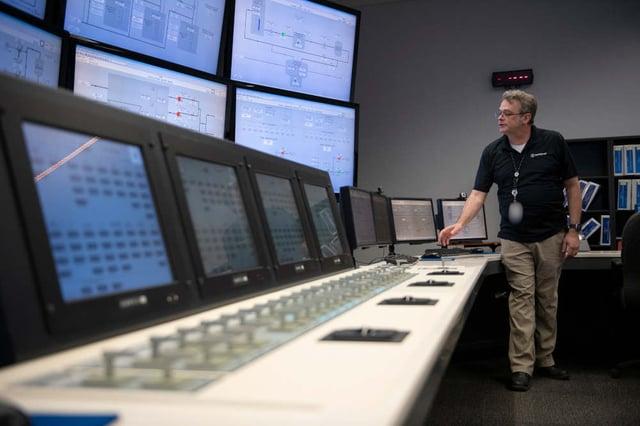
Connected automation allows manufacturers to understand factory operations more clearly.
Production teams can monitor:
- Equipment status
- Production output
- Machine performance
- Energy consumption
- Maintenance requirements
This improved visibility helps companies make faster decisions and optimize production processes.
For example, when abnormal equipment behavior occurs, engineers can analyze operational data and identify possible causes before production is affected.
PLC Systems Remain the Foundation of Secure Industrial Control
Although industrial technologies continue developing rapidly, PLC systems remain the core control technology in manufacturing automation.
Modern PLC platforms are evolving to support advanced industrial requirements.
Current PLC systems provide:
- High-speed control processing
- Industrial communication functions
- Data collection capabilities
- Remote diagnostics
- Integration with digital platforms
In smart factories, PLC systems serve as the connection between physical equipment and digital management systems.
A PLC controller can manage machine operations while simultaneously providing operational information to higher-level software platforms.
This combination enables manufacturers to achieve both reliable control and intelligent management.
Industrial Ethernet Strengthens Factory Connectivity
Reliable communication is essential for modern automation systems.
Industrial Ethernet technologies are becoming increasingly important because factories require faster and more stable data exchange.
Industrial networks connect:
- PLC controllers
- HMIs
- Sensors
- Drives
- Robots
- Industrial computers
Strong communication infrastructure improves:
- System integration
- Production monitoring
- Remote troubleshooting
- Data availability
As factories continue expanding digital capabilities, industrial networking will become one of the most important foundations of automation development.
Remote Monitoring Changes Industrial Maintenance Strategies
Remote monitoring technologies are transforming traditional maintenance methods.
Previously, maintenance teams often relied on scheduled inspections or manual equipment checks.
Today, connected automation systems allow engineers to monitor equipment conditions continuously.
Remote monitoring supports:
- Real-time equipment analysis
- Faster troubleshooting
- Reduced downtime
- Improved maintenance planning
For industries operating large production facilities, remote monitoring can significantly improve operational efficiency.
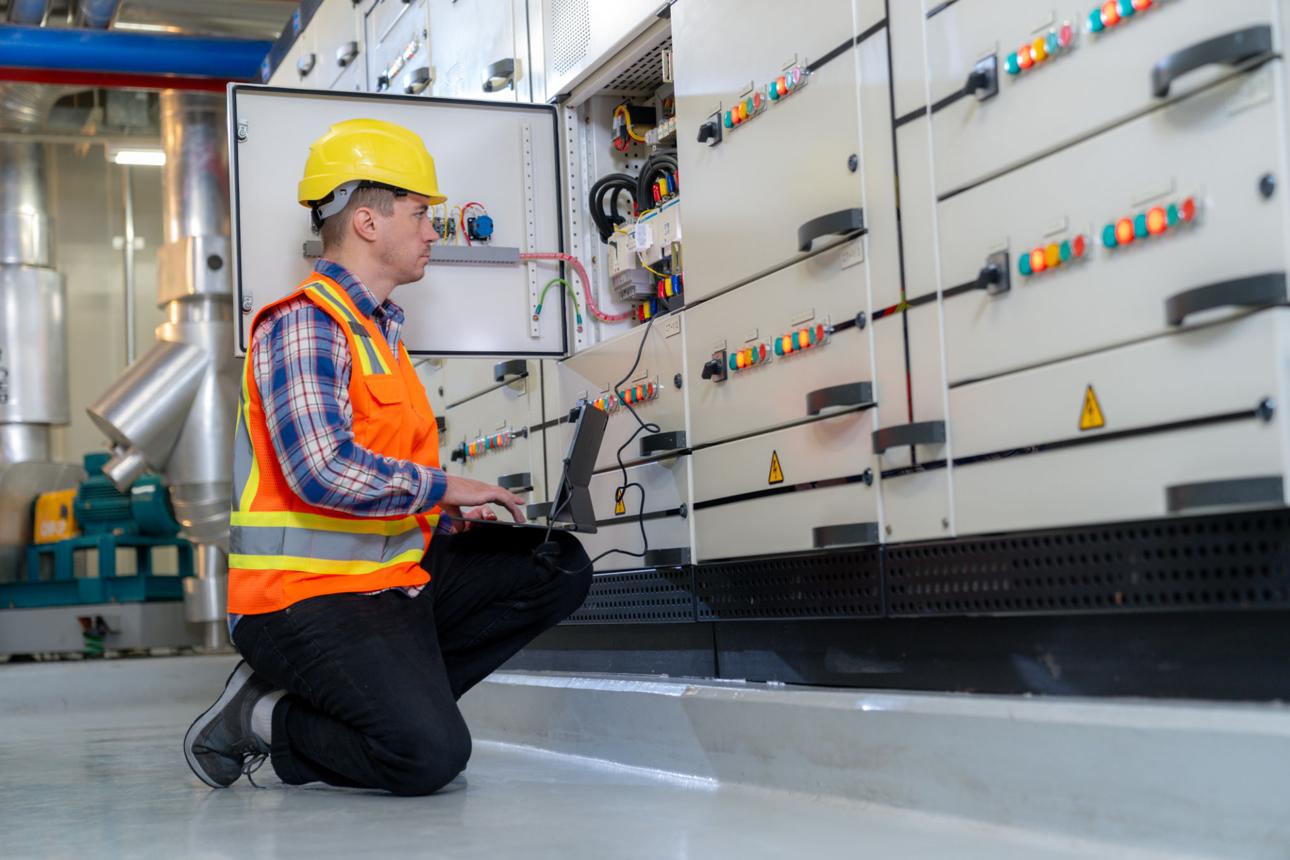
Engineers can access important equipment information without being physically present at every machine location.
Digital Transformation Improves Industrial Productivity
Digital transformation is changing how companies manage production operations.
Modern manufacturers use digital technologies to improve:
- Manufacturing efficiency
- Equipment utilization
- Product quality
- Energy management
- Maintenance performance
Digital platforms collect information from automation systems and convert it into useful operational knowledge.
This enables companies to move from traditional reactive management toward proactive optimization.
For example, production data can reveal inefficiencies in manufacturing processes and help engineers improve system performance.
Industrial Automation Market Creates Demand for New Components
The expansion of connected factories continues increasing demand for industrial automation products.
Manufacturers upgrading their systems require:
- PLC processors
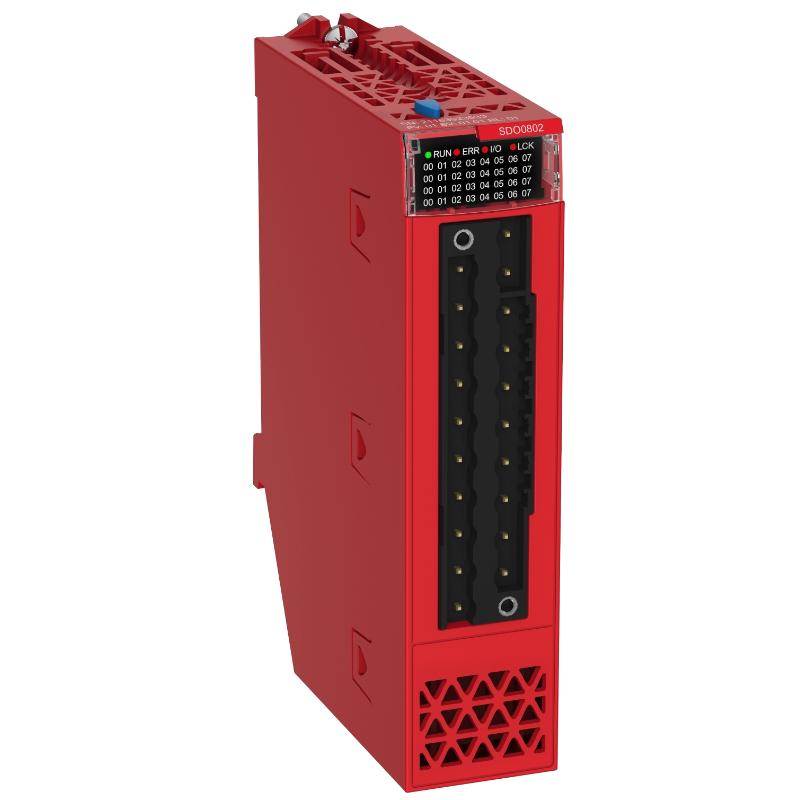
- Digital input/output modules
- Communication modules
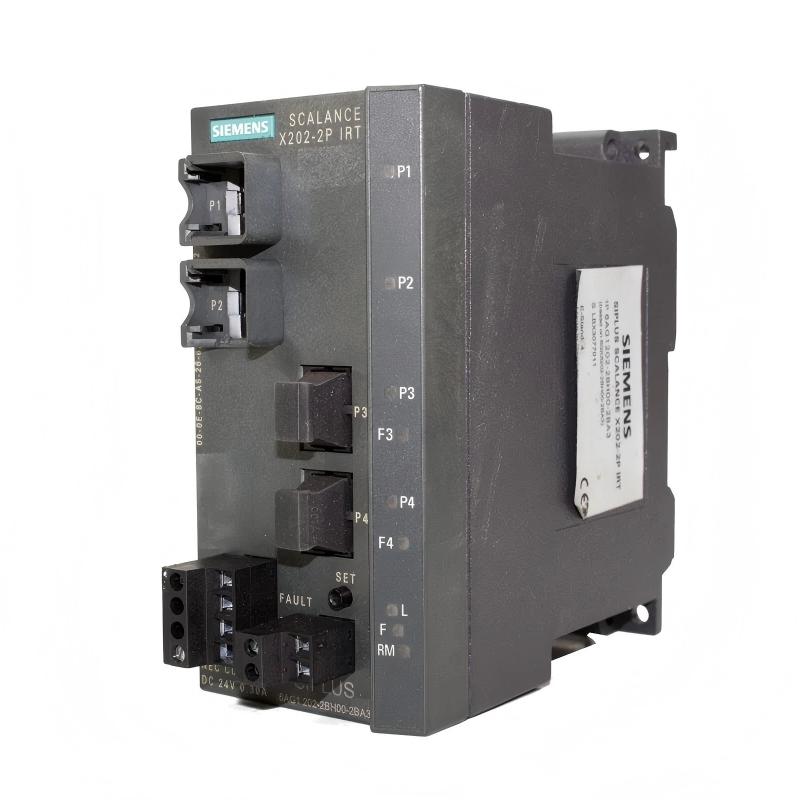
- Industrial switches
- Remote I/O systems
- HMI terminals
- Industrial computers
- Network security devices
Many companies prefer upgrading existing automation systems gradually.
Instead of replacing entire production lines, they improve individual systems through modernization projects.
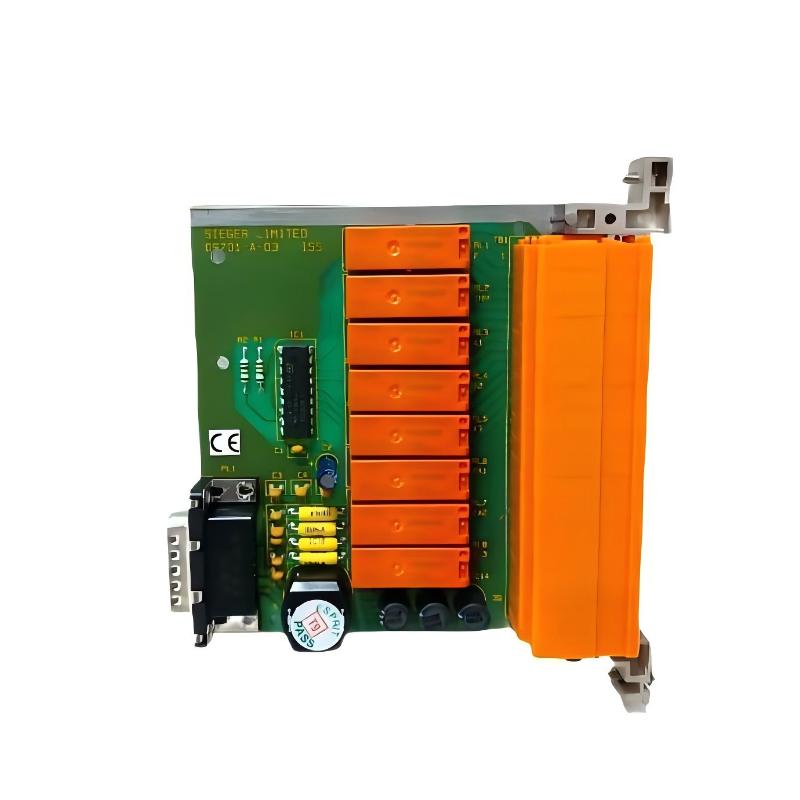
This creates long-term demand for automation spare parts, replacement modules and compatible industrial equipment.
Artificial Intelligence Supports Future Industrial Security
Artificial intelligence is becoming an important technology in industrial cybersecurity and automation management.
AI can help analyze:
- Network activity
- Equipment behavior
- Production data
- Operational patterns
Potential applications include:
- Detecting unusual system activity
- Predicting equipment problems
- Optimizing production processes
- Improving operational decisions
The combination of AI and automation cybersecurity will help manufacturers create more intelligent and secure industrial environments.
Future Development Trends of Industrial Automation Infrastructure
The future of industrial automation will focus on secure, intelligent and connected systems.
Major trends include:
Advanced Industrial Cybersecurity
Security will become a standard requirement for all automation projects.
Edge Computing Development
More data processing will occur closer to industrial equipment.
AI-Based Industrial Management
Artificial intelligence will improve monitoring and optimization.
Greater Industrial Connectivity
Factories will become more integrated through advanced networks.
Smart Maintenance Solutions
Predictive technologies will reduce downtime and improve reliability.
Conclusion
Rockwell Automation’s continued development reflects the changing priorities of modern industrial companies.
The future of manufacturing requires not only advanced automation technologies but also secure and reliable industrial infrastructure.
The combination of PLC systems, industrial networks, cybersecurity technologies and digital platforms is helping companies build smarter and safer production environments.
For automation engineers, system integrators and industrial equipment suppliers, the growth of secure smart manufacturing creates significant opportunities in global markets.
Industrial automation will continue evolving toward a future where intelligence, connectivity and cybersecurity work together.