Phoenix Contact Develops Advanced Industrial Connectivity Solutions for Next-Generation Automation Networks Industrial Communication, Remote I/O Systems and Smart Connection Technologies Support the Evolution of Modern Automation
Phoenix Contact Expands Industrial Connectivity Solutions for Smart Manufacturing Development
The industrial automation industry is undergoing a major transformation as manufacturers continue building more connected, intelligent and flexible production environments.
Modern factories are no longer composed of independent machines operating separately. Instead, they are becoming highly integrated systems where PLC controllers, sensors, industrial networks, remote I/O devices and digital platforms exchange information continuously.
Phoenix Contact continues to develop industrial connectivity technologies that support the changing requirements of automation engineers, system integrators and global manufacturers.
The increasing demand for smart manufacturing has created new challenges for industrial communication systems.
Factories require communication solutions that can provide:
- Reliable data transmission
- High-speed industrial networking
- Flexible system integration
- Stable operation in harsh environments
- Secure communication between automation devices
Industrial connectivity has become one of the most important foundations of Industry 4.0 development.
Without reliable communication infrastructure, modern automation systems cannot achieve real-time monitoring, intelligent control and efficient production management.
Industrial Communication Becomes the Backbone of Smart Factories
The development of smart manufacturing depends heavily on communication technologies.
Traditional automation systems often used separate control networks with limited data exchange capabilities.
However, modern industrial environments require continuous communication between multiple layers of automation.
These layers include:
- Field devices
- Sensors
- PLC systems
- Remote I/O modules
- HMIs
- Industrial computers
- Manufacturing software platforms
Industrial communication networks allow these systems to work together as a unified automation environment.
Reliable communication improves:
- Production transparency
- Equipment monitoring
- Troubleshooting efficiency
- Process optimization
- Data management
As factories become more digital, industrial connectivity will continue playing a central role in automation development.
Remote I/O Systems Improve Automation Flexibility
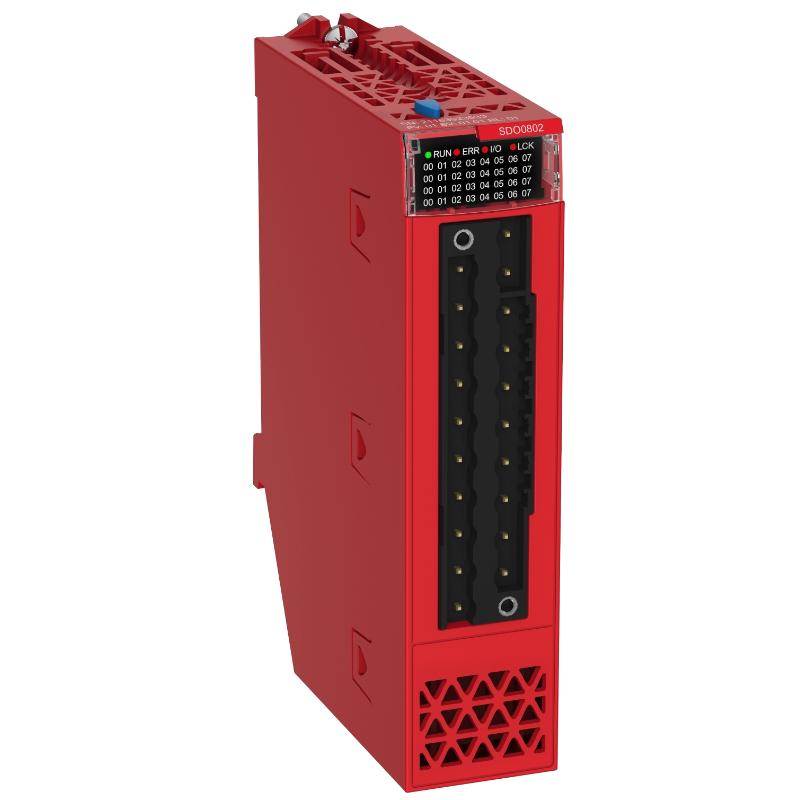
Remote I/O technology has become increasingly important in modern industrial applications.
Traditional automation systems often required large amounts of wiring between field devices and central control cabinets.
Remote I/O systems provide a more flexible approach by allowing input and output modules to be installed closer to machines and production equipment.
Advantages include:
- Reduced wiring complexity
- Easier system expansion
- Faster installation
- Improved maintenance efficiency
- More flexible machine design
Remote I/O solutions are widely used in industries such as:
- Manufacturing
- Automotive production
- Packaging
- Energy
- Process automation
- Infrastructure systems
By simplifying field connections, remote I/O technology helps engineers design more efficient automation architectures.
Industrial Ethernet Supports High-Speed Automation Networks
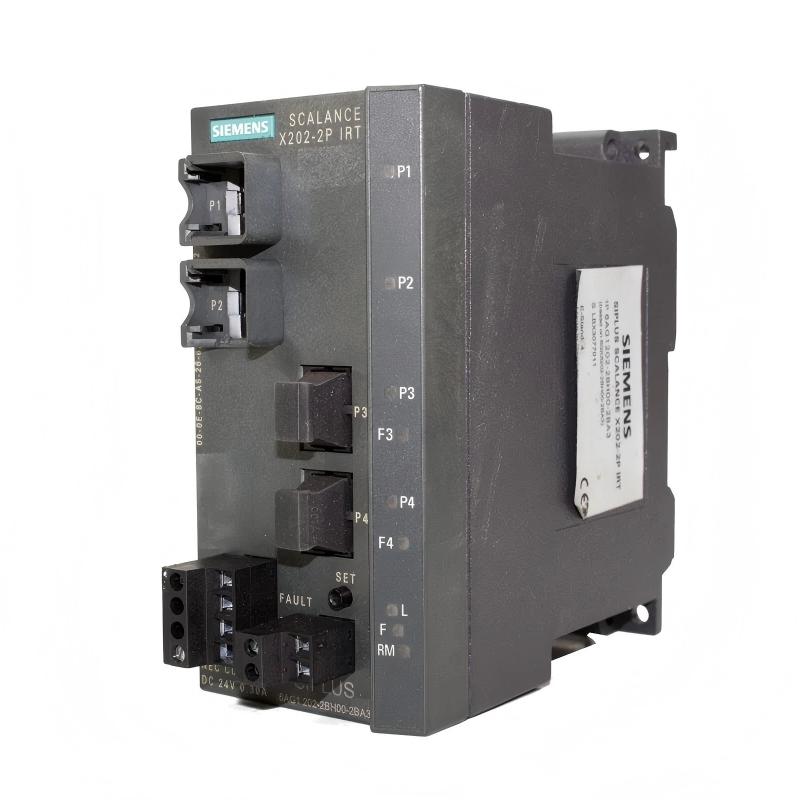
Industrial Ethernet has become a key communication technology in modern factories.
Compared with traditional communication methods, industrial Ethernet provides:
- Higher data transmission speed
- Better network flexibility
- Easier integration
- Support for advanced automation applications
Industrial Ethernet networks connect:
- PLC controllers
- Industrial switches
- HMIs
- Drives
- Robots
- Sensors
This connectivity allows automation systems to exchange information quickly and reliably.
For applications requiring real-time communication, stable network performance is essential.
Modern production lines depend on communication infrastructure that can support increasing amounts of industrial data.
Smart Sensors Improve Data Collection in Industrial Applications
Sensors are an important part of modern automation systems.
They provide essential information about:
- Machine status
- Production conditions
- Equipment performance
- Environmental parameters
Traditional sensors mainly provided basic measurement information.
However, smart sensors can offer additional capabilities including:
- Digital communication
- Diagnostic information
- Condition monitoring
- Improved accuracy
When connected through industrial networks, smart sensors provide valuable information for automation systems.
This allows manufacturers to improve production control and identify potential problems earlier.
Automation Integration Supports More Efficient Manufacturing
Modern factories require better integration between different automation components.
Industrial connectivity solutions help connect:
- Control systems
- Electrical systems
- Mechanical equipment
- Digital applications
Better integration allows manufacturers to achieve:
- Improved production coordination
- Faster information exchange
- Reduced system complexity
- Easier equipment management
Automation engineers increasingly focus on designing complete systems rather than individual machine controls.
The ability to create reliable communication architectures has become an important skill in modern industrial projects.
Industrial Connectivity Supports Digital Transformation
Digital transformation depends on the availability of accurate industrial data.
Connected automation systems allow companies to collect information from production environments and use it for analysis.
Industrial data can support:
- Equipment performance analysis
- Production optimization
- Energy management
- Maintenance planning
- Quality improvement
For example, data from sensors and PLC systems can help identify production inefficiencies.
Manufacturers can then make adjustments to improve operational performance.
This data-driven approach is becoming a standard requirement for advanced manufacturing.
Industrial Connectivity Improves Maintenance Efficiency
Maintenance strategies are changing as automation systems become more connected.
Traditional maintenance methods often depended on manual inspection and fixed schedules.
Connected industrial systems provide real-time equipment information.
Maintenance teams can monitor:
- Device status
- Communication conditions
- Equipment performance
- Operating trends
Benefits include:
- Faster fault identification
- Reduced downtime
- Improved equipment reliability
- Better maintenance planning
For large industrial facilities, these advantages can significantly improve production efficiency.
Industrial Automation Equipment Demand Continues Growing
The expansion of connected factories creates strong demand for industrial connectivity products.
Modern automation projects require:
- Industrial Ethernet switches
- Communication modules
- Remote I/O systems
- Terminal blocks
- Signal conditioners
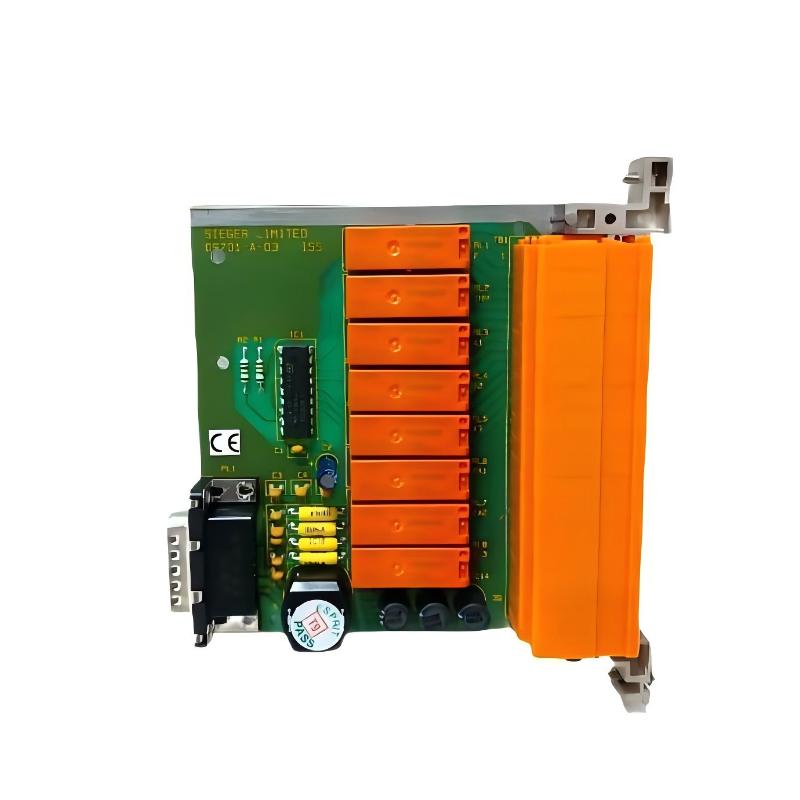
- Interface modules
- Industrial connectors
- Power supply solutions
Many manufacturers are upgrading existing automation systems to improve connectivity.
This creates opportunities for suppliers providing automation components, replacement products and system expansion equipment.
The global demand for industrial communication technologies is expected to continue growing as companies accelerate digital transformation.
Cybersecurity Becomes Important for Industrial Networks
As industrial networks become more connected, cybersecurity requirements continue increasing.
Industrial communication systems must protect:
- Automation data
- Control systems
- Network access
- Production information
Important security measures include:
- Network segmentation
- Secure communication
- User authentication
- System monitoring
Future industrial connectivity solutions must provide both high performance and strong protection.
Secure communication infrastructure will become a standard requirement for smart factories.
Future Trends in Industrial Connectivity Development
Industrial connectivity technologies will continue evolving with new manufacturing requirements.
Major trends include:
More Intelligent Network Management
Automation networks will become easier to monitor and manage.
Higher-Speed Communication
Future factories will require faster data transmission.
Increased Wireless Applications
Industrial wireless technologies will expand in suitable environments.
Greater Integration Between IT and OT
Information technology and operational technology will become more connected.
Edge-Based Data Processing
More industrial data analysis will happen closer to production equipment.
These trends will continue shaping the future of industrial automation.
Conclusion
Phoenix Contact’s continued development of industrial connectivity technologies reflects the changing needs of modern automation environments.
Reliable communication networks, remote I/O systems, smart sensors and industrial Ethernet technologies are becoming essential components of smart manufacturing.
As factories continue moving toward digital transformation, industrial connectivity will remain a critical foundation for automation development.
For PLC engineers, system integrators and industrial equipment suppliers, the growth of connected automation creates significant opportunities in global markets.
The future of industrial automation will depend on communication technologies that provide reliability, flexibility and intelligent data exchange.