Mitsubishi Electric Advances Energy-Efficient Industrial Automation with Smart Control Systems and Sustainable Manufacturing Technologies Intelligent Motor Control, PLC Automation and Energy Management Solutions Support the Future of Green Manufacturing
Mitsubishi Electric Promotes Sustainable Industrial Automation Through Energy Optimization Technologies
The global manufacturing industry is entering a new phase where energy efficiency, sustainability and intelligent automation are becoming increasingly important factors in industrial development.
Manufacturers worldwide are facing growing pressure to improve production efficiency while reducing energy consumption and operational costs.
As industrial facilities become more complex, companies are adopting advanced automation technologies to optimize equipment performance, improve resource utilization and create more sustainable production environments.
Mitsubishi Electric continues to develop industrial automation solutions that combine PLC control systems, variable frequency drives, motion technologies, energy monitoring platforms and digital manufacturing tools.
The integration of automation and energy management is becoming a major trend in Industry 4.0 development.
Modern factories require systems that can not only control machines but also monitor energy usage, analyze equipment performance and optimize production processes.
By combining intelligent control technologies with energy management strategies, manufacturers can achieve higher productivity while supporting environmental goals.
Energy Efficiency Becomes a Key Challenge for Modern Manufacturing
Industrial production consumes significant amounts of electricity through motors, pumps, compressors, heating systems and automated equipment.
For many manufacturing companies, energy costs represent an important part of overall operating expenses.
Improving energy efficiency has therefore become a major priority.
Automation technologies help manufacturers optimize energy consumption through:
- Intelligent equipment control
- Real-time monitoring
- Production optimization
- Automated adjustment
- Performance analysis
Modern industrial systems can analyze equipment operation and identify opportunities to reduce unnecessary energy usage.
For example, motor control systems can adjust operating speed according to actual production requirements instead of running equipment at maximum capacity continuously.
This approach improves efficiency while maintaining stable production performance.
Variable Frequency Drives Improve Motor Control Efficiency
Electric motors are among the largest energy consumers in industrial facilities.
Variable frequency drive technology plays an important role in improving motor efficiency.
A variable frequency drive controls motor speed by adjusting electrical frequency according to operational requirements.
Applications include:
- Pumps
- Fans
- Conveyors
- Compressors
- Processing equipment
- Manufacturing machinery
Benefits include:
- Reduced energy consumption
- Improved equipment control
- Lower mechanical stress
- Extended equipment lifespan
- Better production flexibility
In modern automation systems, drives are integrated with PLC controllers and industrial networks to create intelligent motor management solutions.
This integration allows engineers to monitor equipment performance and optimize operation in real time.
PLC Systems Support Intelligent Energy Management
Programmable Logic Controllers remain the foundation of industrial automation.
Modern PLC systems provide more than basic machine control functions.
They support intelligent energy management through:
- Equipment monitoring
- Data collection
- Communication with energy systems
- Automated control adjustments
- Performance analysis
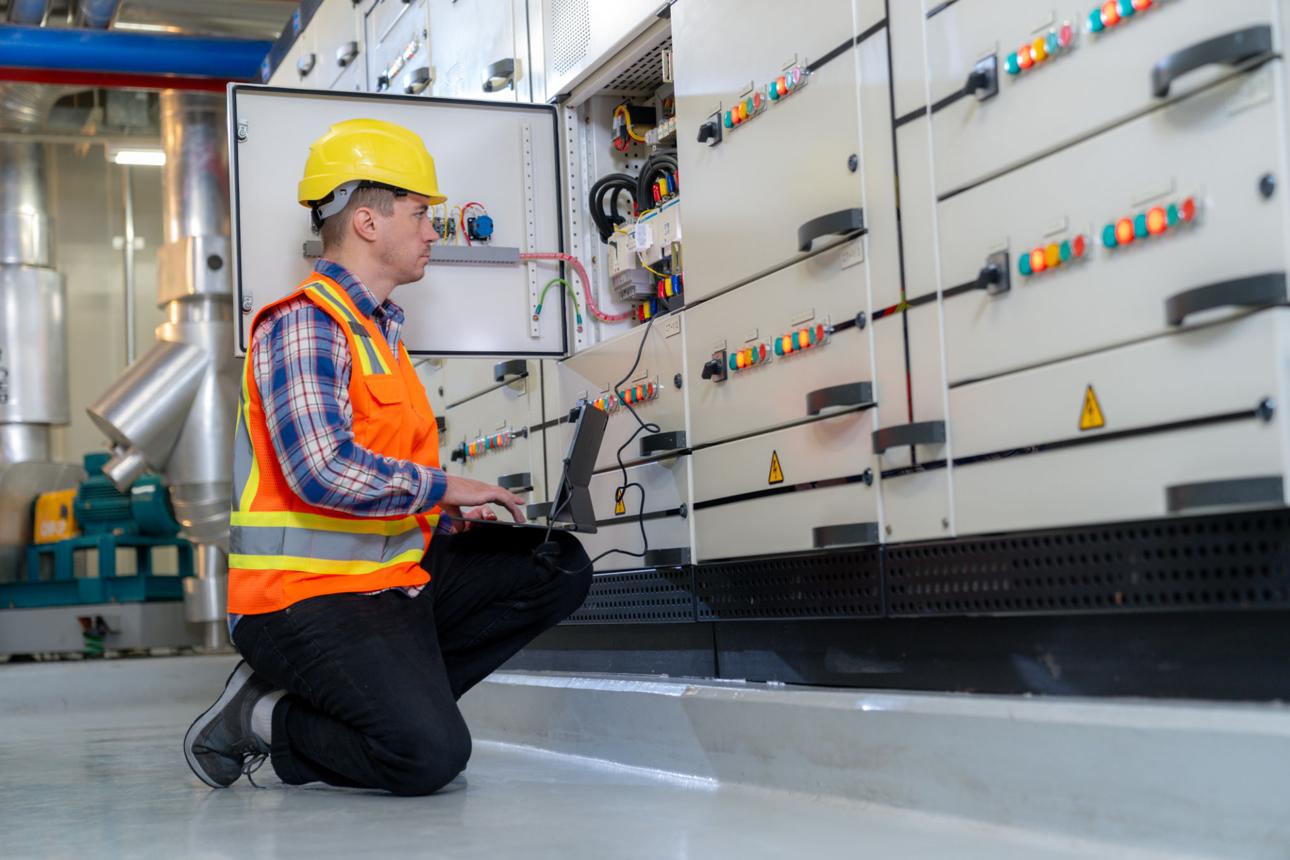
A PLC-controlled production line can monitor machine operation and adjust processes to improve efficiency.
For example, automated systems can reduce unnecessary machine operation during idle periods or optimize production sequences to lower energy consumption.
The combination of PLC technology and energy management creates more efficient industrial environments.
Smart Manufacturing Helps Reduce Industrial Energy Waste
Digital manufacturing technologies are changing how companies manage production resources.
Smart factories use connected automation systems to collect information from:
- Machines
- Sensors
- Controllers
- Production equipment
- Energy monitoring devices
This information helps manufacturers understand where energy is being consumed and where improvements can be made.
Energy data analysis supports:
- Equipment optimization
- Production planning
- Maintenance decisions
- Resource management
By using real-time information, companies can identify inefficient operations and implement targeted improvements.
Industrial Automation Supports Sustainable Manufacturing Goals
Sustainability has become an important consideration for global industries.
Manufacturers are looking for ways to reduce environmental impact while maintaining competitiveness.
Automation technologies support sustainability through:
- Lower energy consumption
- Reduced production waste
- Improved equipment efficiency
- Better resource management
Intelligent control systems allow production equipment to operate more efficiently.
For example, automated systems can optimize machine operation based on production demand, reducing unnecessary power usage.
As sustainability requirements continue increasing, energy-efficient automation solutions will become more widely adopted.
Digital Monitoring Improves Equipment Performance Management
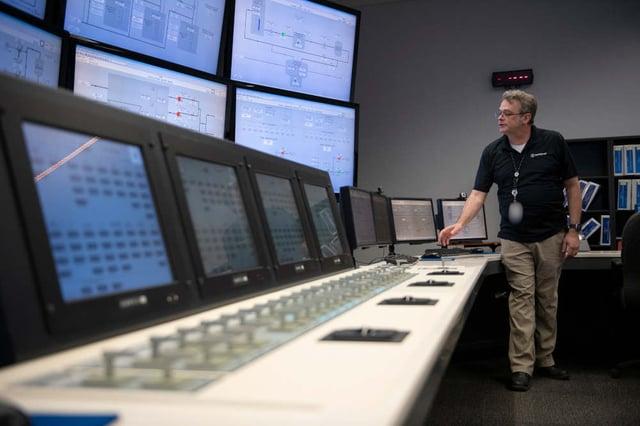
Modern automation systems provide manufacturers with greater visibility into equipment operation.
Digital monitoring platforms collect operational information from industrial equipment.
Engineers can analyze:
- Motor performance
- Machine operating conditions
- Energy consumption patterns
- Production efficiency
This information supports better decision-making.
Maintenance teams can identify equipment problems earlier and reduce unexpected downtime.
Production managers can analyze performance data and improve manufacturing processes.
Digital monitoring is becoming an essential part of intelligent industrial management.
Industrial Communication Enables Energy Data Integration
Energy management requires reliable communication between different automation systems.
Modern industrial networks connect:
- PLC controllers
- Variable frequency drives
- Energy meters
- Sensors
- HMIs
- Industrial software platforms
This communication allows companies to collect energy information and analyze production performance.
Connected energy management systems provide:
- Real-time monitoring
- Improved control
- Better reporting
- Faster optimization
As factories become more digital, communication technology will continue supporting energy-efficient automation development.
Automation Modernization Creates New Market Opportunities
The transition toward energy-efficient manufacturing is increasing demand for industrial automation equipment.
Companies upgrading their systems require:
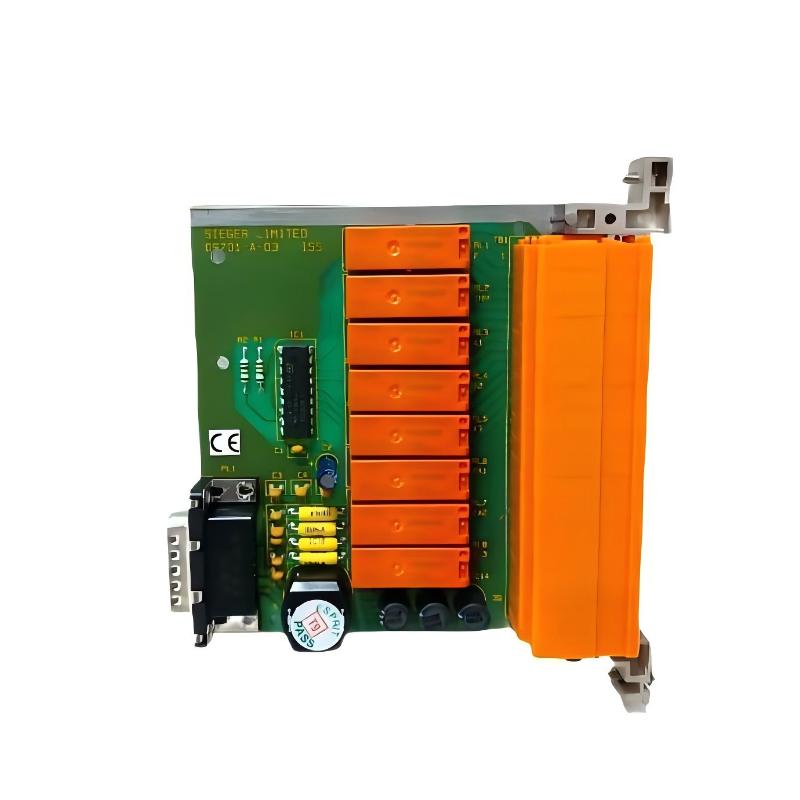
- PLC modules
- Motion controllers
- Variable frequency drives
- Communication modules
- Energy monitoring devices
- Industrial sensors
- HMI systems
- Control components
Many factories choose modernization projects that upgrade existing systems instead of replacing complete production lines.
This creates long-term opportunities for automation suppliers and industrial equipment distributors.
Replacement components, expansion modules and energy-saving automation products are becoming increasingly important in global markets.
Artificial Intelligence Supports Future Energy Optimization
Artificial intelligence is creating new possibilities for industrial energy management.
AI technologies can analyze large amounts of operational information and identify optimization opportunities.
Industrial AI applications include:
Energy Consumption Prediction
AI can forecast future energy requirements.
Equipment Efficiency Analysis
AI can identify abnormal energy usage patterns.
Automated Optimization
AI can recommend improved operating conditions.
Predictive Maintenance
AI can reduce energy waste caused by inefficient equipment operation.
The combination of AI and automation will help manufacturers create more intelligent energy management systems.
Future Trends of Sustainable Industrial Automation
The future of industrial automation will continue moving toward greener and more intelligent solutions.
Important trends include:
Intelligent Energy Management
Factories will use advanced systems to optimize energy consumption.
More Efficient Motor Technologies
High-efficiency equipment will become increasingly common.
AI-Based Industrial Optimization
Artificial intelligence will improve automation decisions.
Digital Twin Energy Analysis
Virtual models will help simulate energy performance.
Connected Sustainable Factories
Automation systems will support environmentally responsible manufacturing.
These trends will continue influencing the development of global industrial automation.
Conclusion
Mitsubishi Electric’s continued development of energy-efficient automation technologies reflects the growing importance of sustainable manufacturing.
The integration of PLC systems, motor control technologies, digital monitoring platforms and energy management solutions is helping industries improve efficiency while reducing resource consumption.
As manufacturers worldwide continue upgrading their production systems, intelligent energy automation will become a critical part of future industrial development.
For PLC engineers, automation suppliers, system integrators and industrial equipment providers, the growth of sustainable manufacturing creates significant opportunities in global markets.
The future of industrial automation will depend on technologies that combine reliable control, intelligent management and energy efficiency.