GE Vernova Accelerates Digital Power Automation with Smart Grid, Control Systems and Energy Management Technologies Advanced Energy Automation, Industrial Control Systems and Digital Grid Solutions Support the Future of Intelligent Power Infrastructure
GE Vernova Drives Innovation in Industrial Automation for Modern Energy Systems
The global energy industry is undergoing a major transformation as utilities and industrial organizations accelerate the adoption of digital technologies, intelligent control systems and advanced automation solutions.
The increasing demand for reliable electricity, renewable energy integration and improved grid efficiency is creating new requirements for modern power automation systems.
Energy companies are investing in technologies that can improve grid stability, optimize power generation and enhance operational visibility.
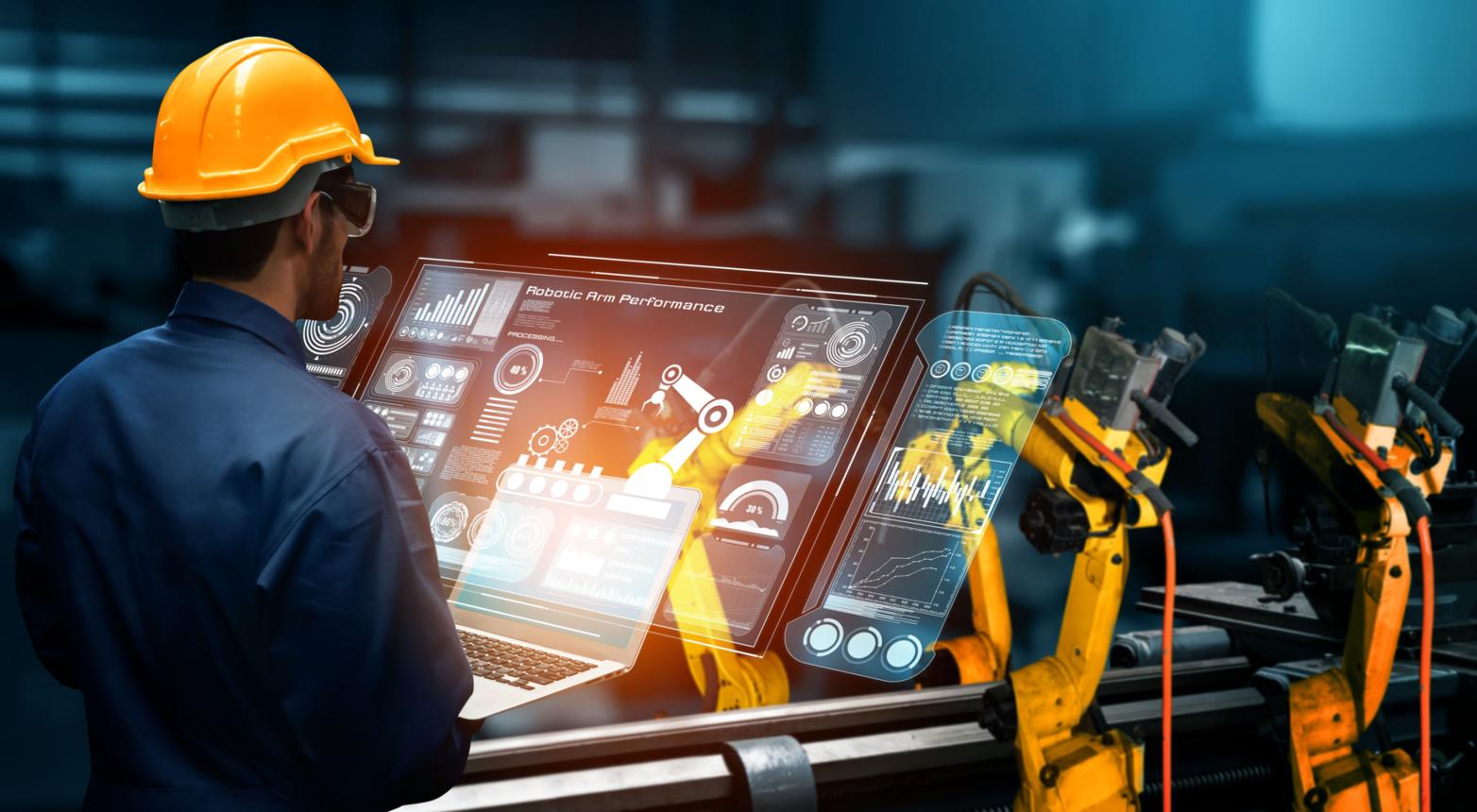
GE Vernova continues to develop advanced energy automation technologies by combining industrial control systems, digital monitoring platforms, power management solutions and intelligent analytics.
The development reflects a broader trend in industrial automation where energy infrastructure is becoming more connected, data-driven and intelligent.
Modern power facilities require automation systems capable of monitoring thousands of operational parameters, controlling complex processes and supporting faster decision-making.
The integration of automation, digital technologies and energy management systems is becoming essential for building more efficient and reliable power networks.
Power Automation Becomes More Important in the Digital Energy Era
Electricity systems are becoming increasingly complex due to the growth of renewable energy, distributed generation and changing consumption patterns.
Traditional power infrastructure was mainly designed for centralized energy production.
However, modern energy systems require greater flexibility and intelligence.
Advanced power automation technologies help organizations manage:
- Power generation equipment
- Transmission systems
- Distribution networks
- Energy storage systems
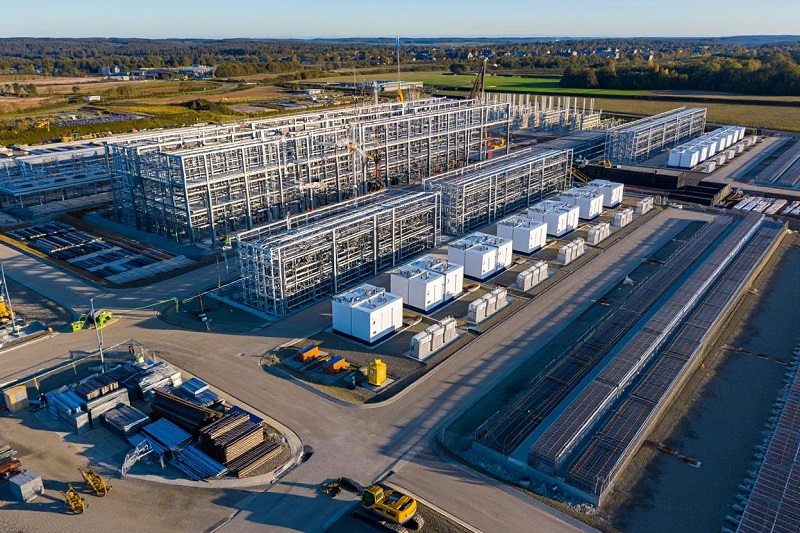
- Renewable energy facilities
Automation systems provide real-time information about equipment conditions and operational performance.
This information allows engineers to respond faster to changing conditions and maintain stable energy supply.
As energy systems continue evolving, automation technology will play a critical role in improving reliability and efficiency.
Industrial Control Systems Support Reliable Energy Operations
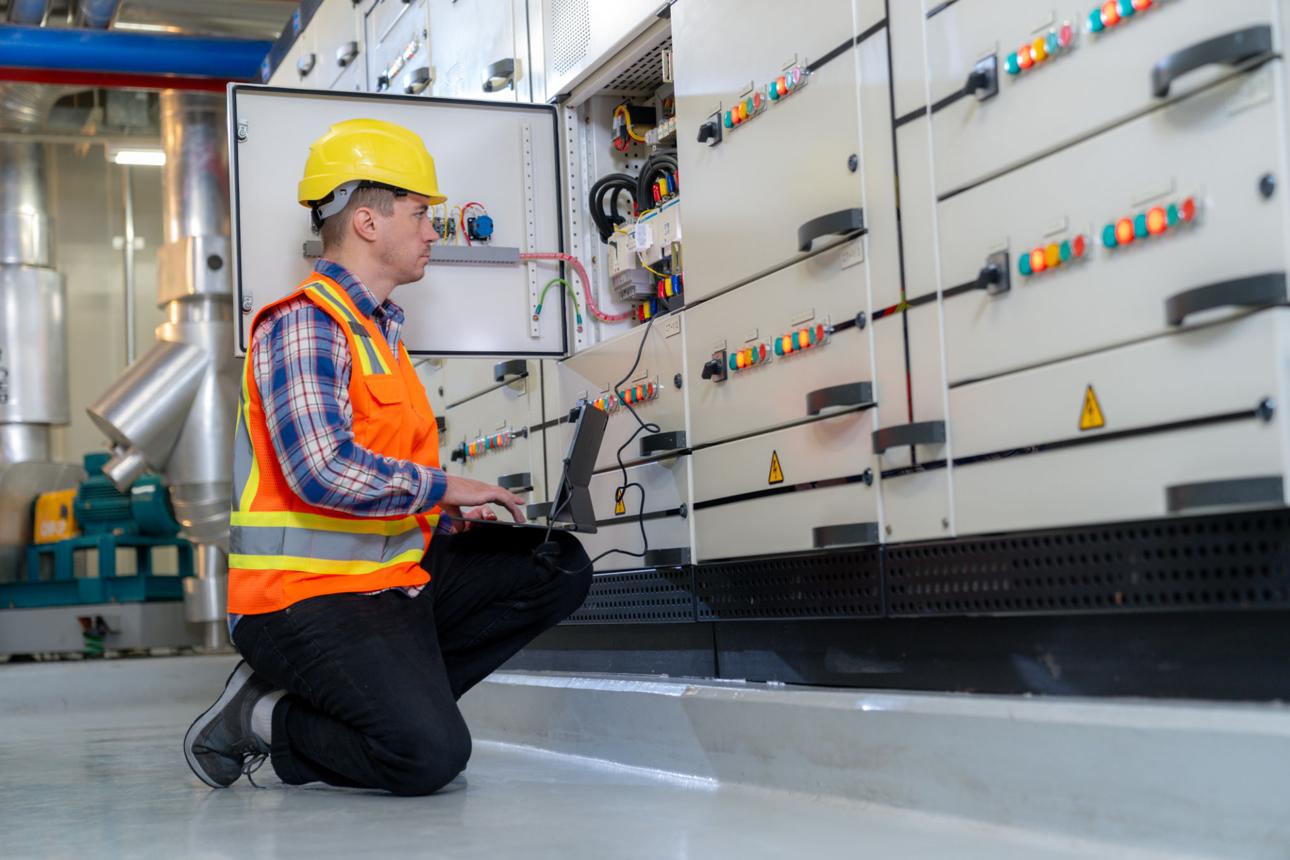
Control systems are fundamental components of modern power facilities.
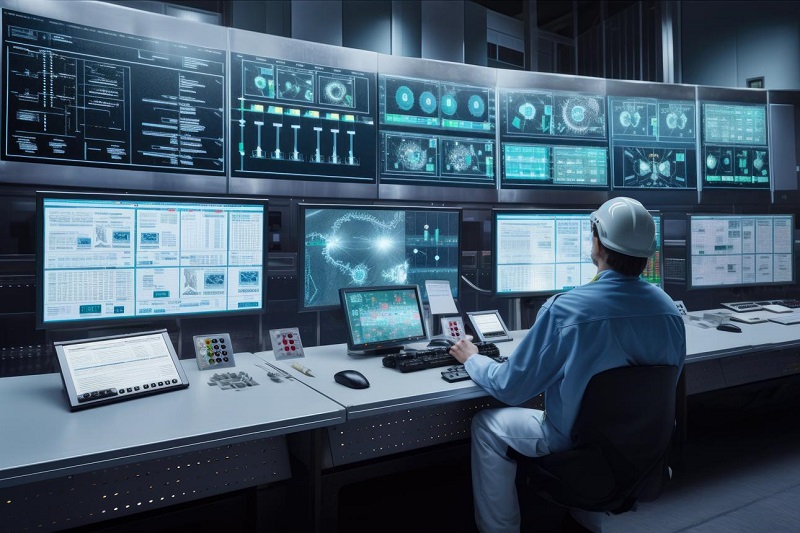
Power plants and energy infrastructure depend on advanced automation platforms to maintain stable operations.
Industrial control systems provide:
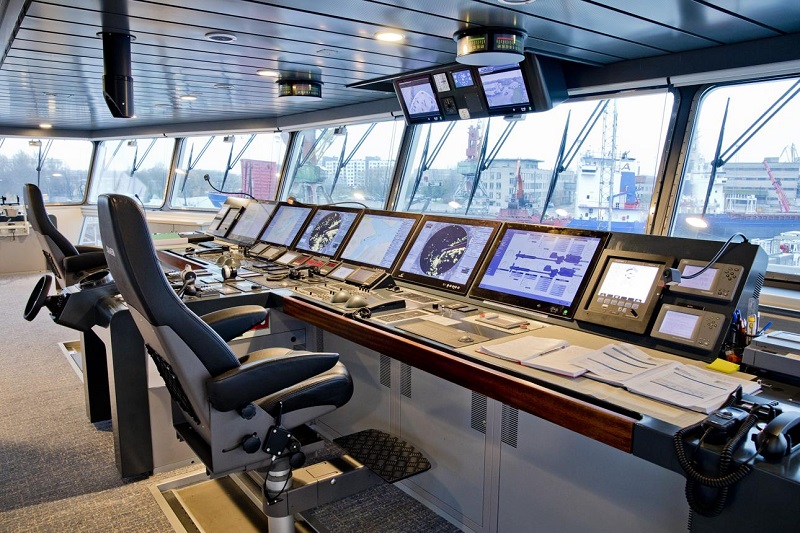
- Real-time monitoring
- Equipment control
- Process optimization
- Alarm management
- Data collection
- Remote operation capabilities
These systems allow operators to manage complex industrial processes safely and efficiently.
Modern control platforms are also becoming more integrated with digital technologies.
By connecting operational data with advanced analytics, energy companies can gain deeper insights into equipment performance and production efficiency.
Smart Grid Technologies Improve Energy Management
Smart grid development has become an important direction in the global energy industry.
Unlike traditional power networks, smart grids use digital communication and automation technologies to improve energy distribution.
Smart grid solutions support:
- Real-time monitoring
- Automated control
- Demand management
- Fault detection
- Renewable energy integration
These capabilities help utilities improve grid performance and reduce operational challenges.
For example, automated systems can identify abnormal conditions and support faster response during power disturbances.
The combination of sensors, communication networks and intelligent control systems creates a more flexible energy infrastructure.
Digital Monitoring Improves Equipment Reliability
Energy facilities rely on large amounts of critical equipment.
Unexpected equipment failures can lead to significant operational losses.
Digital monitoring technologies help companies understand equipment conditions through continuous data analysis.
Monitoring systems can evaluate:
- Generator performance
- Transformer conditions
- Electrical system status
- Operating efficiency
- Maintenance requirements
This information supports predictive maintenance strategies.
Instead of waiting for equipment failures, companies can identify potential problems earlier and schedule maintenance more effectively.
This approach improves reliability while reducing unnecessary downtime.
Artificial Intelligence Supports Future Energy Automation
Artificial intelligence is becoming an important technology in modern energy management.
AI systems can analyze large amounts of operational information and identify patterns that traditional methods may overlook.
Applications include:
Predictive Equipment Analysis
AI can detect early signs of equipment problems.
Energy Demand Forecasting
AI can predict future electricity requirements.
Grid Optimization
AI can support better energy distribution decisions.
Operational Efficiency Improvement
AI can identify opportunities for reducing energy losses.
The combination of AI and automation technologies will help create more intelligent energy systems.
Industrial Communication Enables Connected Power Infrastructure
Reliable communication networks are essential for modern energy automation.
Power facilities require communication between:
- Control systems
- Sensors
- Protection devices
- Monitoring platforms
- Field equipment
Industrial communication technologies enable faster information exchange and improved operational coordination.
Connected systems provide:
- Better visibility
- Faster troubleshooting
- Improved maintenance planning
- More accurate analysis
As power infrastructure becomes more digital, communication technology will continue to support automation development.
Automation Equipment Demand Grows with Energy Modernization
The modernization of energy infrastructure is creating new opportunities for industrial automation suppliers.
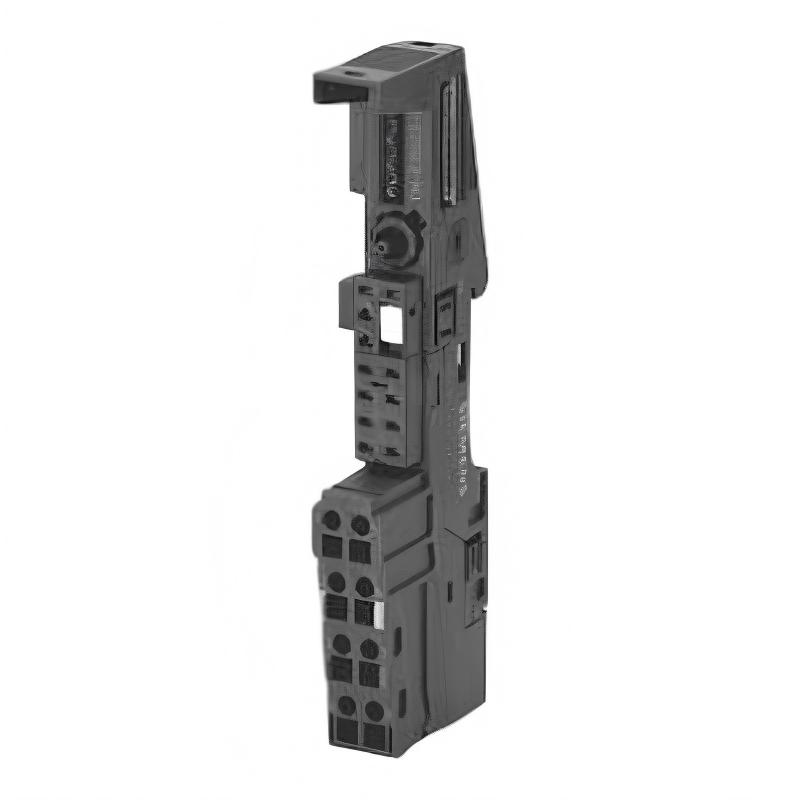
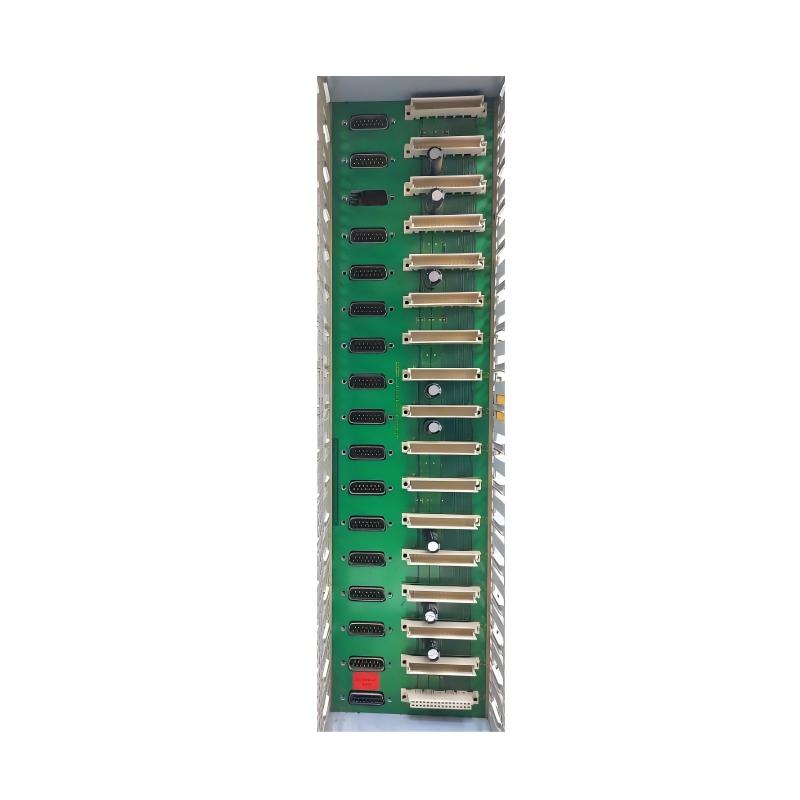
Energy companies require various automation products, including:
- PLC systems
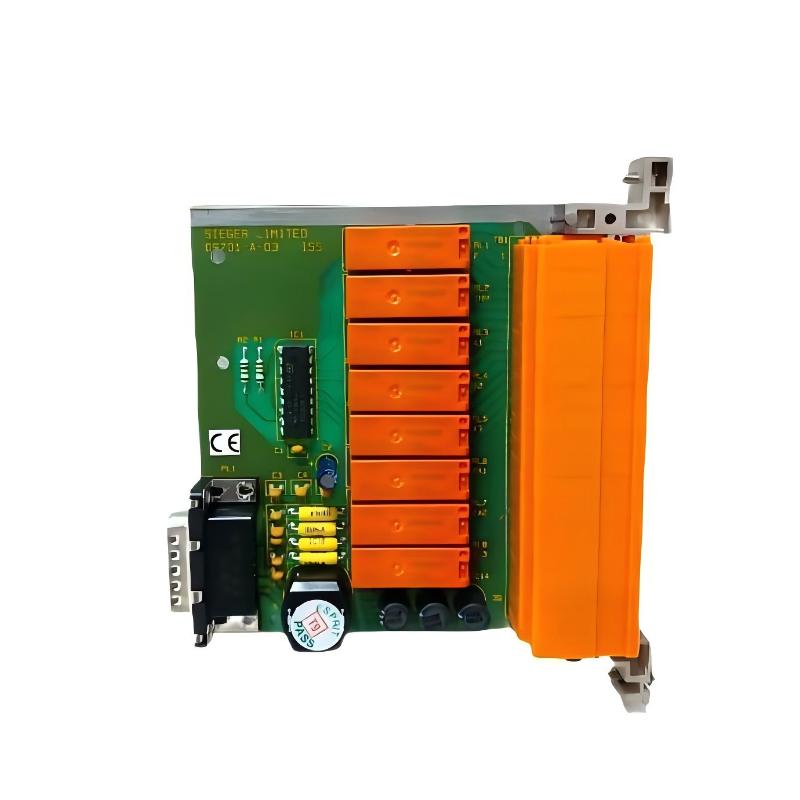
- Control modules
- Communication devices
- Industrial computers
- Remote I/O systems
- Monitoring equipment
- Protection components
Many existing energy facilities are upgrading their automation systems gradually.
Instead of replacing complete infrastructures, companies are improving specific control and monitoring functions.
This creates continuous demand for automation replacement parts and expansion solutions.
Cybersecurity Becomes Essential for Energy Automation
As energy systems become increasingly connected, cybersecurity has become a critical requirement.
Modern energy infrastructure must protect:
- Control networks
- Operational data
- Communication systems
- Remote access platforms
Security strategies include:
- Network protection
- Access management
- Secure communication
- Continuous monitoring
Reliable energy automation requires both advanced functionality and strong security protection.
Future Trends in Energy Automation Development
The future of energy automation will focus on intelligence, flexibility and sustainability.
Major trends include:
Renewable Energy Integration
Automation will help manage increasing renewable power sources.
Intelligent Grid Management
Digital systems will improve grid operation.
AI-Based Energy Optimization
Artificial intelligence will support better decisions.
Advanced Industrial Communication
Connected infrastructure will become more important.
Sustainable Energy Management
Automation will improve efficiency and reduce waste.