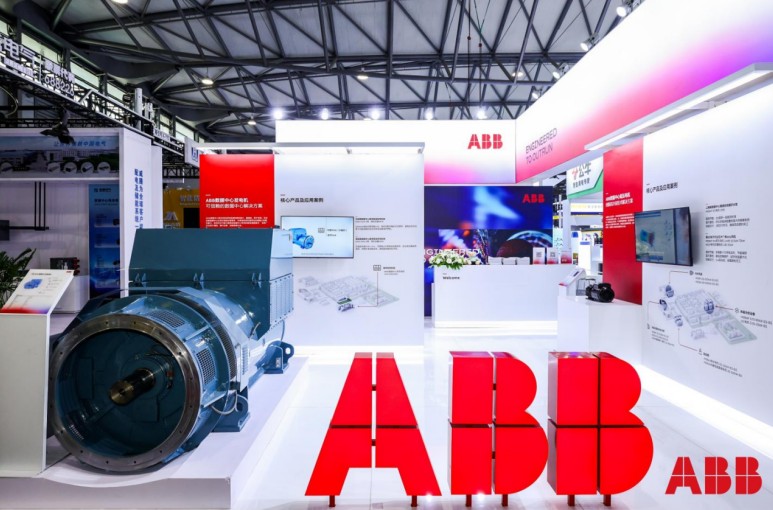
ABB Enhances Industrial Automation with Robotics, Digital Twin and Intelligent Control Technologies Smart Robotics, Digital Twin Platforms and Advanced Automation Systems Drive the Future of Industrial Manufacturing
ABB Accelerates Industrial Transformation Through Intelligent Automation Technologies
The global manufacturing industry is entering a new era of intelligent production as companies continue adopting robotics, digital technologies and advanced automation solutions.
Manufacturers worldwide are facing increasing challenges, including higher production requirements, greater product customization, labor shortages and the need for improved operational efficiency.
To remain competitive, industrial companies are investing in automation systems that can provide:
- Higher production flexibility
- Improved manufacturing accuracy
- Reduced downtime
- Better equipment monitoring
- More efficient resource utilization
ABB continues expanding its industrial automation technologies through robotics systems, digital twin applications, intelligent control platforms and connected manufacturing solutions.
The integration of automation hardware and digital technologies is changing how factories are designed, operated and maintained.
Modern industrial environments are moving beyond traditional automation models toward intelligent systems capable of analyzing data, optimizing processes and supporting autonomous decision-making.
Industrial Robotics Becomes a Core Technology for Smart Manufacturing
Industrial robotics has become one of the most important technologies supporting modern manufacturing.
Robots are widely used in:
- Automotive production
- Electronics assembly
- Metal processing
- Packaging systems
- Logistics operations
- Precision manufacturing
Advanced industrial robots provide:
- High positioning accuracy
- Stable operation
- Continuous production capability
- Flexible programming
- Improved workplace safety
Robotic automation allows manufacturers to improve production consistency while reducing repetitive manual operations.
Modern robotic systems are also becoming more intelligent through integration with sensors, vision systems and industrial networks.
This allows robots to adapt to changing production conditions and perform more complex tasks.
Digital Twin Technology Improves Industrial Engineering
Digital twin technology is becoming an important development direction in Industry 4.0.
A digital twin creates a virtual model of physical equipment, machines or production systems.
Engineers can use digital twins to:
- Simulate production processes
- Test automation strategies
- Optimize machine performance
- Reduce commissioning time
- Improve maintenance planning
Before implementing physical changes, companies can analyze potential results through digital simulation.
This helps reduce engineering risks and improves project efficiency.
Digital twin technology provides manufacturers with better visibility into the entire lifecycle of industrial equipment.
Intelligent Control Systems Improve Automation Performance
Modern factories require control systems that can manage increasingly complex production environments.
Intelligent control technologies support:
- Real-time monitoring
- Automated adjustment
- Process optimization
- Equipment diagnostics
- Data integration
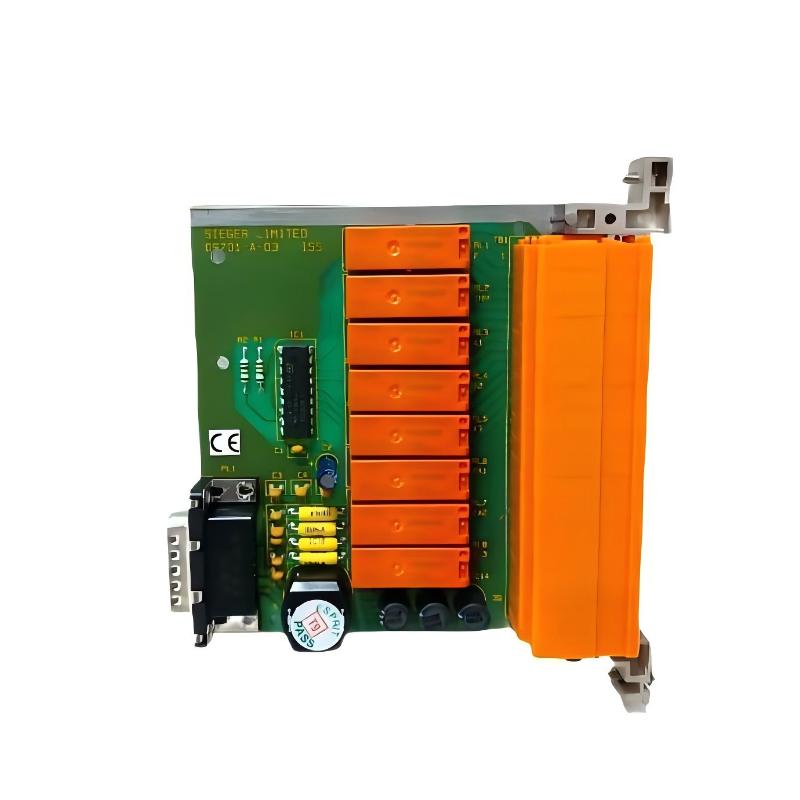
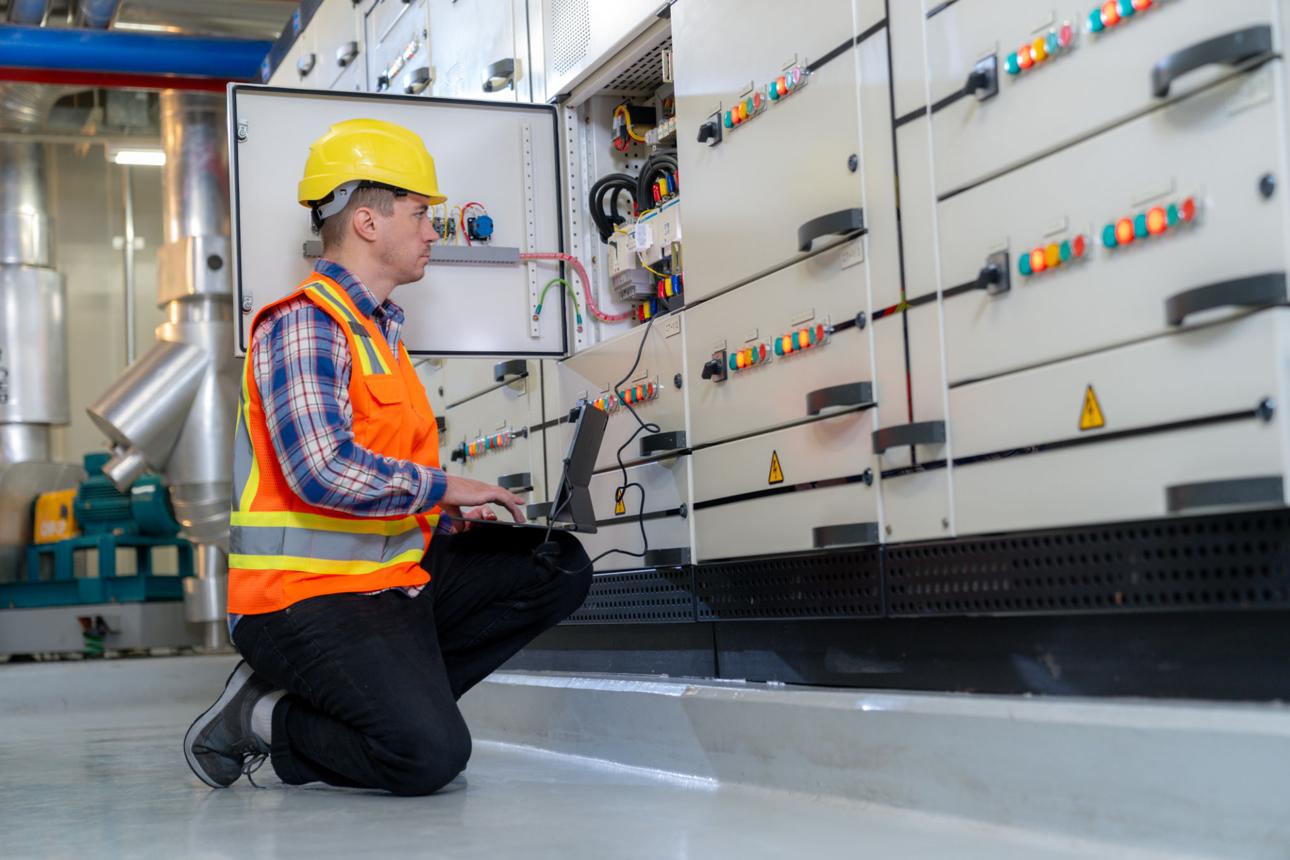
PLC systems, industrial controllers and automation software work together to create advanced manufacturing solutions.
These systems allow engineers to monitor machine conditions and optimize production processes more effectively.
As manufacturing becomes more digital, intelligent control will continue playing an important role.
Machine Vision Enhances Robotic Automation Accuracy
Machine vision technology has become an essential part of intelligent robotics.
Vision systems allow industrial robots to identify and analyze objects during production.
Applications include:
- Quality inspection
- Component positioning
- Product identification
- Assembly verification
Benefits include:
- Higher inspection accuracy
- Reduced production defects
- Improved automation flexibility
The combination of robotics and machine vision enables factories to perform more complex automated operations.
Industrial Communication Supports Connected Automation
Modern automation systems require reliable communication between multiple devices.
Industrial networks connect:
- Robots
- PLC controllers
- Sensors
- Drives
- HMIs
- Industrial computers
Connected systems provide:
- Real-time production information
- Faster troubleshooting
- Improved equipment coordination
- Better operational visibility
Industrial communication has become a fundamental technology for smart factory development.
Predictive Maintenance Improves Equipment Reliability
Manufacturers are increasingly adopting predictive maintenance strategies.
Traditional maintenance methods often depend on fixed schedules.
Modern automation systems collect operational data to evaluate equipment conditions.
Monitoring systems analyze:
- Motor performance
- Robot operating cycles
- Temperature changes
- Mechanical conditions
Predictive maintenance helps companies:
- Reduce unexpected failures
- Improve equipment availability
- Lower maintenance costs
- Extend equipment service life
Data-driven maintenance is becoming a standard approach in advanced manufacturing.
Sustainable Automation Supports Energy Efficiency
Energy efficiency has become a major focus for industrial companies.
Automation technologies help optimize energy consumption through:
- Intelligent equipment control
- Production monitoring
- Efficient motion management
- Automated operation strategies
Manufacturers can reduce energy waste while maintaining production performance.
Sustainable automation solutions are becoming increasingly important as industries focus on environmental goals.
Demand for Industrial Automation Products Continues Growing
The development of smart factories is increasing demand for automation equipment.
Industrial companies require:
- PLC modules
- Robot controllers
- Servo drives
- Communication modules
- HMI systems
- Industrial sensors
- Automation spare parts
Many factories are upgrading existing systems instead of replacing complete production lines.
This creates long-term opportunities for automation suppliers and distributors.
Future Trends of Intelligent Manufacturing
The future of industrial automation will focus on higher intelligence and flexibility.
Major trends include:
AI-Enhanced Robotics
Robots will become more adaptive.
Advanced Digital Twins
Virtual models will improve engineering.
Autonomous Production
Factories will require less manual intervention.
Connected Industrial Systems
More equipment will communicate automatically.
Sustainable Manufacturing
Automation will support greener production.