Mitsubishi Electric Advances Factory Automation with AI-Driven PLC Systems and Smart Manufacturing Technologies Intelligent PLC Controllers, Industrial AI and Factory Automation Platforms Accelerate the Development of Smart Manufacturing
Mitsubishi Electric Expands Factory Automation Innovation Through Intelligent Control Technologies
The global manufacturing industry is undergoing rapid transformation as companies continue adopting advanced automation technologies to improve productivity, quality and operational flexibility.
Manufacturers across automotive, electronics, semiconductor, packaging and precision machinery industries are investing in intelligent factory solutions to remain competitive in a rapidly changing market.
Modern production environments require automation systems that can provide:
- Faster machine response
- Higher manufacturing accuracy
- Better equipment monitoring
- Improved production flexibility
- Reduced operational costs
Mitsubishi Electric continues strengthening its factory automation technologies through advanced PLC controllers, industrial networks, motion control systems and intelligent manufacturing platforms.
The future of industrial automation is moving beyond simple machine control.
Modern factories require systems that can collect production data, analyze operating conditions and optimize processes automatically.
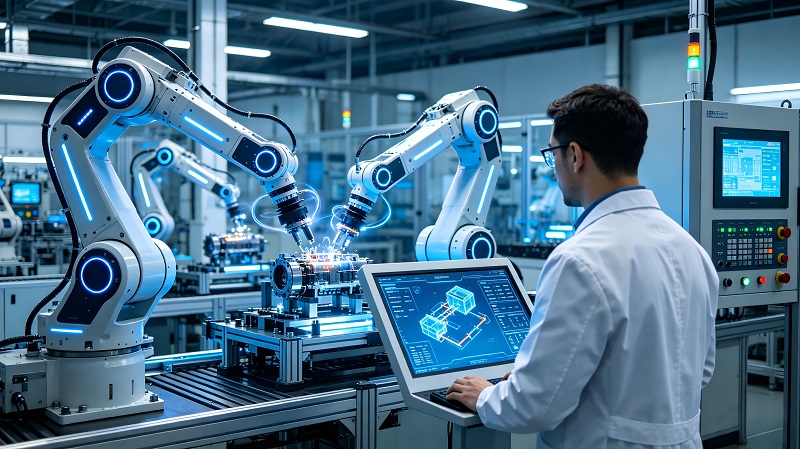
The combination of PLC technology and artificial intelligence is creating a new generation of intelligent manufacturing systems.
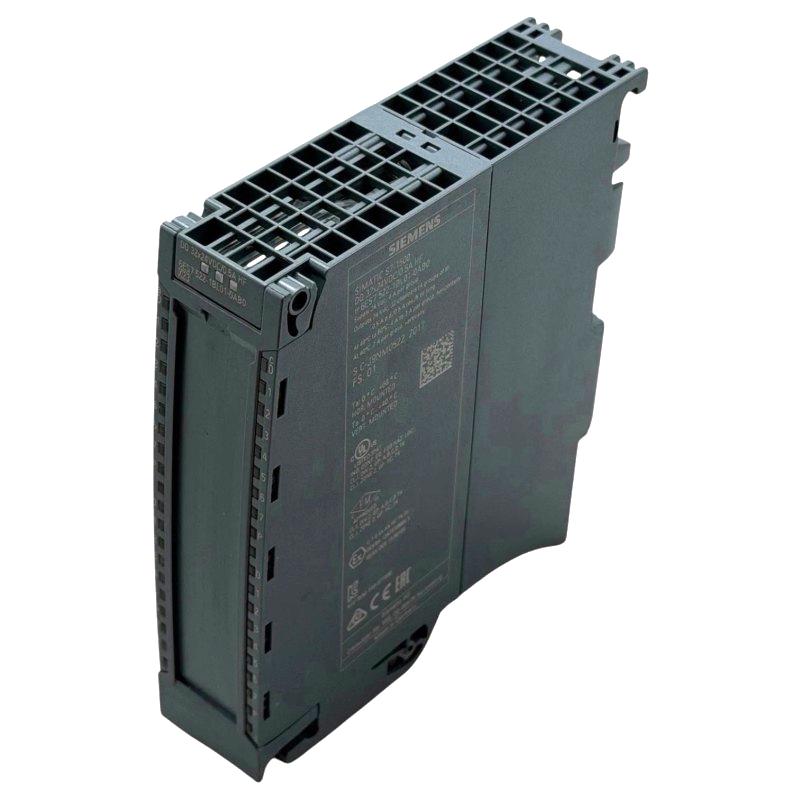
PLC Controllers Continue Supporting Modern Factory Automation
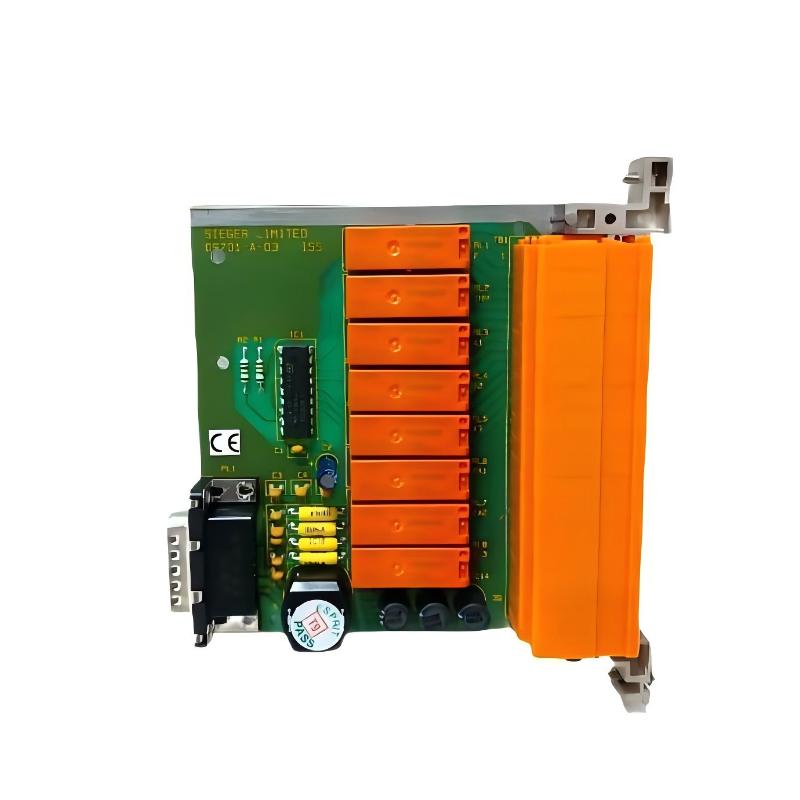
Programmable Logic Controllers remain one of the most important technologies in industrial automation.
PLC systems control and coordinate:
- Production machines
- Sensors
- Motors
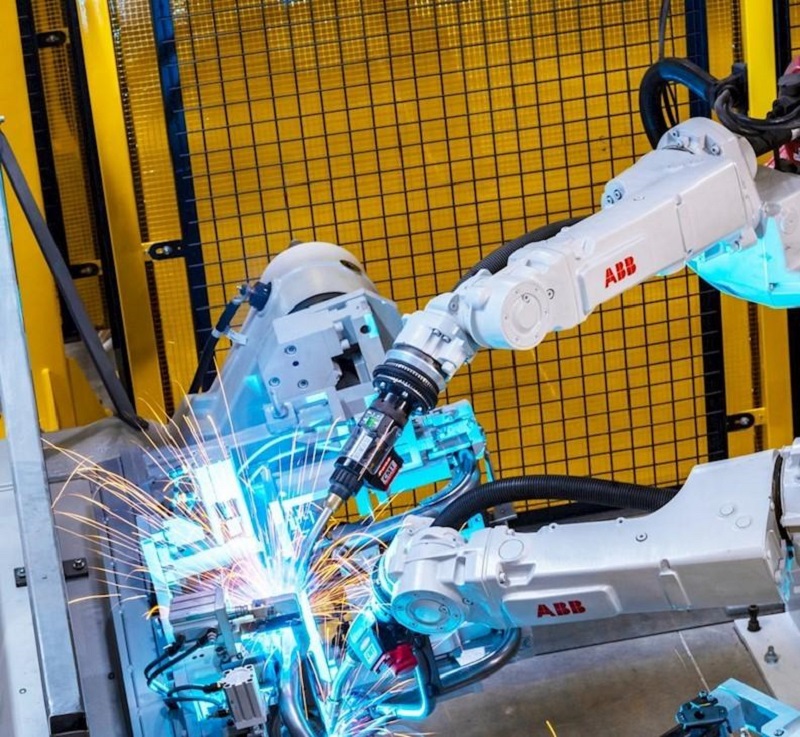
- Robotics systems
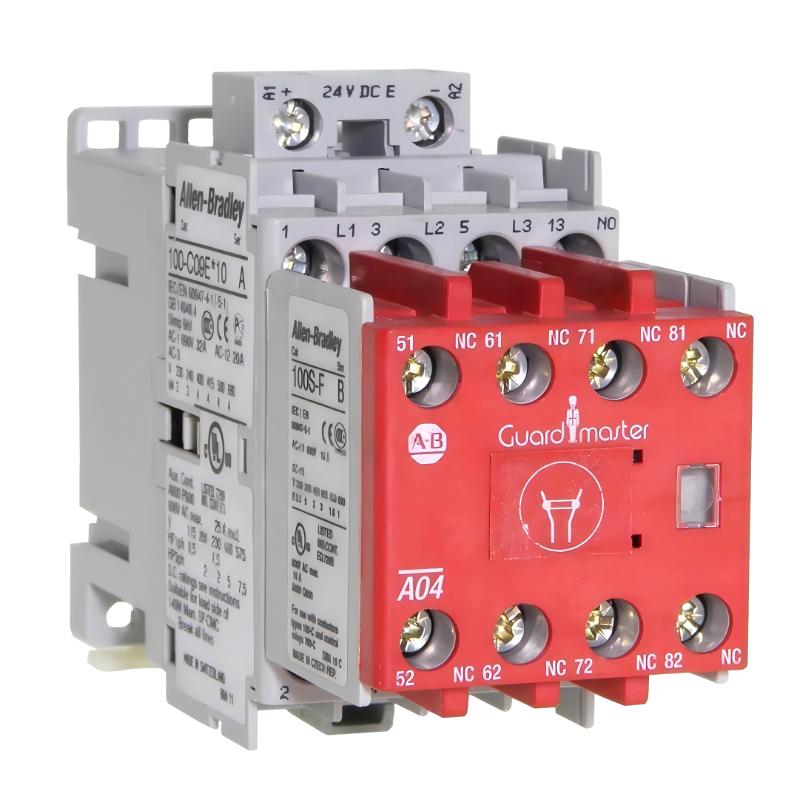
- Safety equipment
- Communication networks
Modern PLC platforms provide:
- High-speed processing
- Flexible programming
- Advanced communication
- Real-time monitoring
- System integration capabilities
Manufacturers depend on PLC controllers to build stable and efficient automation architectures.
As factories become more connected, PLC systems are evolving into intelligent control platforms that support both automation and data management.
Industrial AI Improves Manufacturing Efficiency
Artificial intelligence is becoming increasingly important in factory automation.
Industrial AI technologies analyze production information and help companies improve operational performance.
Applications include:
Intelligent Equipment Monitoring
AI analyzes machine conditions and detects unusual operating patterns.
Production Optimization
AI helps identify better manufacturing strategies.
Quality Improvement
AI supports automated inspection and defect analysis.
Predictive Maintenance
AI detects potential equipment problems before failures occur.
The combination of AI and PLC systems allows manufacturers to achieve higher levels of automation intelligence.
Motion Control Technology Improves Precision Manufacturing
High-precision manufacturing requires advanced motion control solutions.
Motion systems are widely used in:
- Semiconductor equipment
- Packaging machinery
- Robotics
- Assembly systems
- CNC applications
Advanced motion control technologies provide:
- Accurate positioning
- Faster response
- Smooth machine operation
- Improved production consistency
When integrated with PLC controllers, motion systems create highly synchronized automation solutions.
This integration is essential for industries requiring precise and reliable manufacturing processes.
Smart Factory Solutions Improve Production Visibility
Digital transformation is changing how manufacturers manage operations.
Smart factory systems collect information from:
- PLC controllers
- Sensors
- Industrial machines
- Production equipment
This information helps companies understand:
- Production efficiency
- Equipment performance
- Manufacturing conditions
- Maintenance requirements
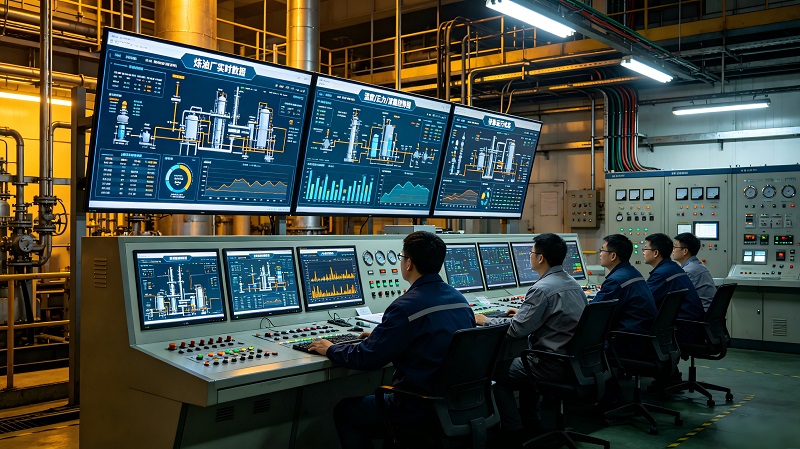
Better production visibility allows engineers to make faster decisions and improve factory performance.
Industrial Communication Enables Connected Automation
Modern manufacturing requires reliable communication between different automation components.
Industrial networks connect:
- PLC systems
- HMIs
- Robots
- Drives
- Sensors
Connected systems provide:
- Real-time data exchange
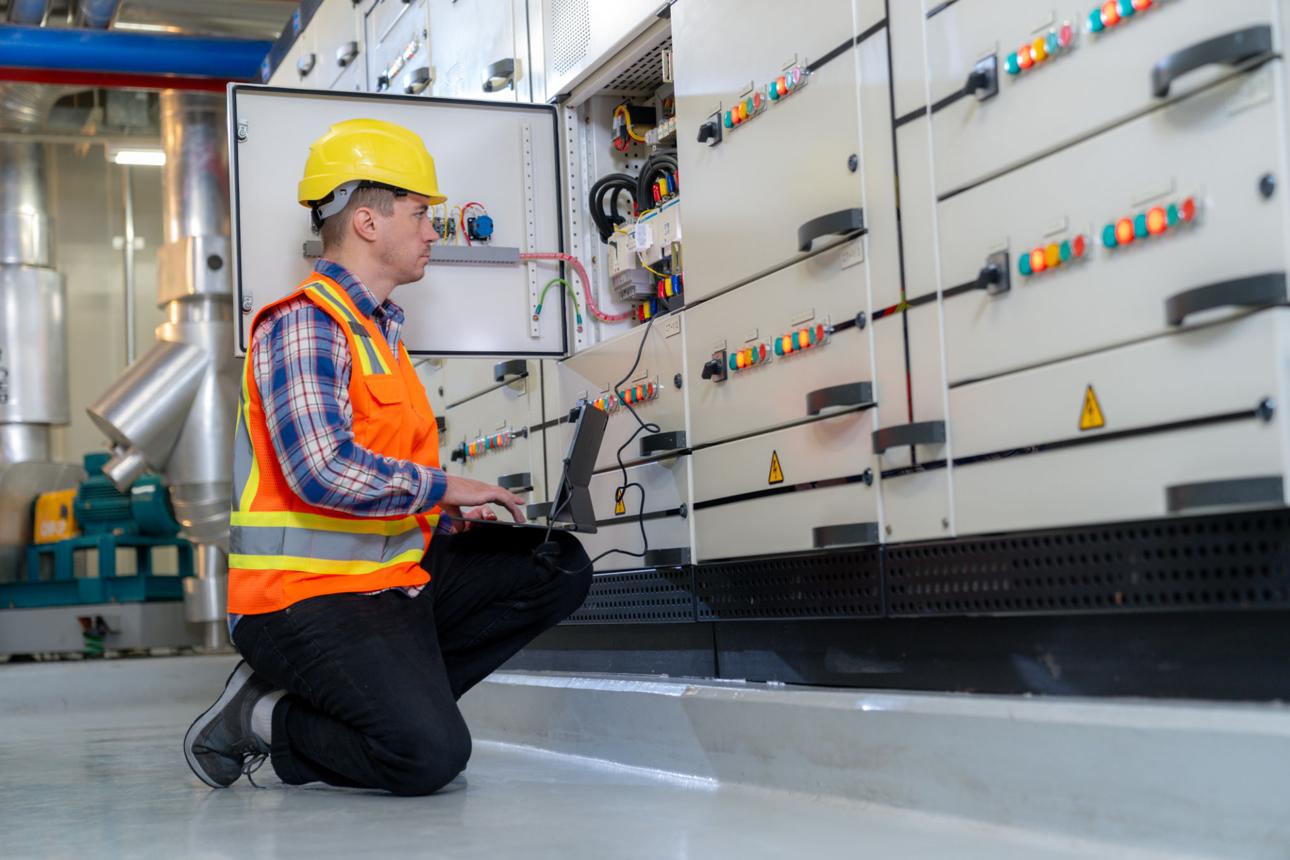
- Remote diagnostics
- Better equipment coordination
- Improved operational control
Industrial communication technology is becoming a critical foundation for smart manufacturing.
Predictive Maintenance Reduces Production Risks
Unexpected equipment failures can create significant production losses.
Predictive maintenance technologies use automation data to monitor equipment health.
Systems analyze:
- Operating conditions
- Machine cycles
- Temperature changes
- Motor performance
Benefits include:
- Reduced downtime
- Lower maintenance costs
- Increased equipment reliability
- Improved production planning
Data-driven maintenance is becoming an essential strategy for modern factories.
Energy Efficiency Becomes a Priority for Manufacturers
Industrial companies are increasingly focusing on reducing energy consumption.
Automation technologies help optimize energy usage through:
- Intelligent machine control
- Efficient production scheduling
- Equipment monitoring
- Automated adjustments
Energy-efficient manufacturing helps companies reduce costs while supporting sustainability goals.
Demand for Factory Automation Equipment Continues Growing
The expansion of smart manufacturing increases demand for:
- PLC modules
- Motion controllers
- Servo drives
- Industrial communication devices
- HMI systems
- Remote I/O modules
- Automation spare parts
Many factories are upgrading existing automation systems instead of replacing entire production lines.
This creates long-term opportunities for global automation suppliers.
Future Trends of Factory Automation Development
The future of manufacturing automation will focus on intelligence and connectivity.
Key trends include:
AI-Based Industrial Control
Automation systems will become more intelligent.
Autonomous Production
Factories will require less manual intervention.
Advanced Robotics Integration
Robots will become more flexible.
Digital Twin Applications
Virtual simulation will improve engineering.
Sustainable Manufacturing
Automation will support energy efficiency.