AI Drives New Momentum in Industrial Automation: 2026 ABB Startup Challenge Highlights China's Innovation Potential
Artificial intelligence is creating new opportunities for the industrial automation industry, from simplifying engineering processes to improving equipment diagnostics and maintenance efficiency. Reflecting this growing trend, ABB has announced the winners of its 2026 ABB Startup Challenge in China, highlighting the potential of local technology startups to bring AI-driven innovation into real-world industrial applications.
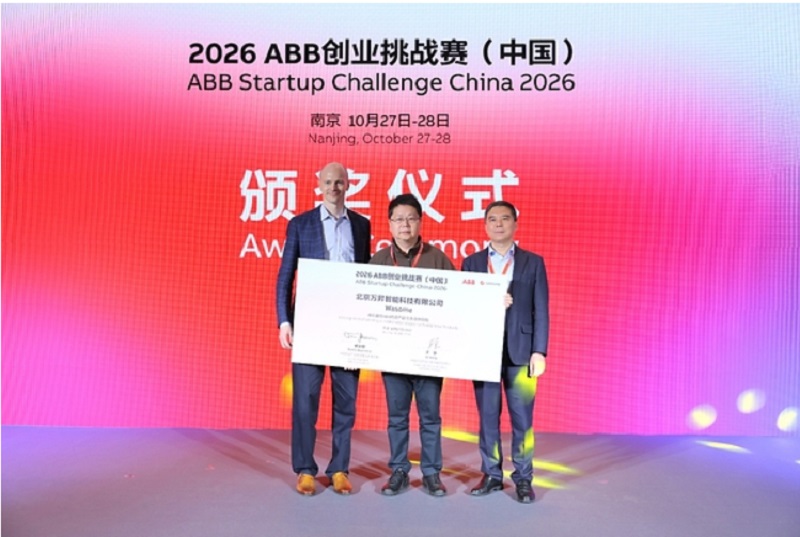
On October 29, 2026, ABB and its open innovation platform SynerLeap announced Beijing Wasome Intelligent Technology Co., Ltd. (Wasome Intelligent) as the winner of the 2026 ABB Startup Challenge China. The winning proposal focuses on using artificial intelligence to make industrial automation engineering faster, simpler, and more accessible.
The competition brought together seven finalist startups in Nanjing, where they presented AI-based solutions addressing practical challenges faced by original equipment manufacturers (OEMs), industrial engineers, and end users. ABB plans to work with the winning company to jointly develop a market-oriented solution, with the potential to introduce it to ABB customers and partners in the future.
AI Targets Practical Challenges in Industrial Automation
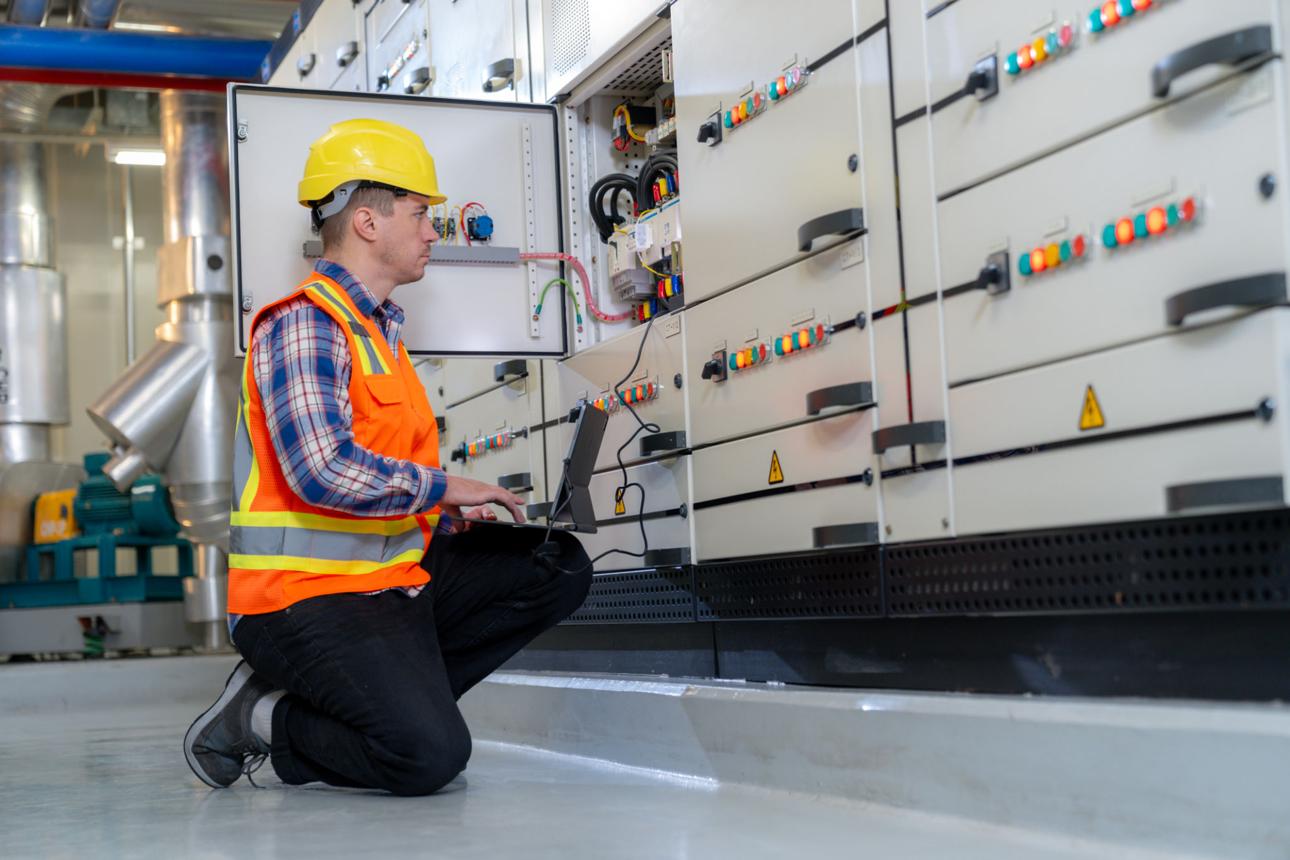
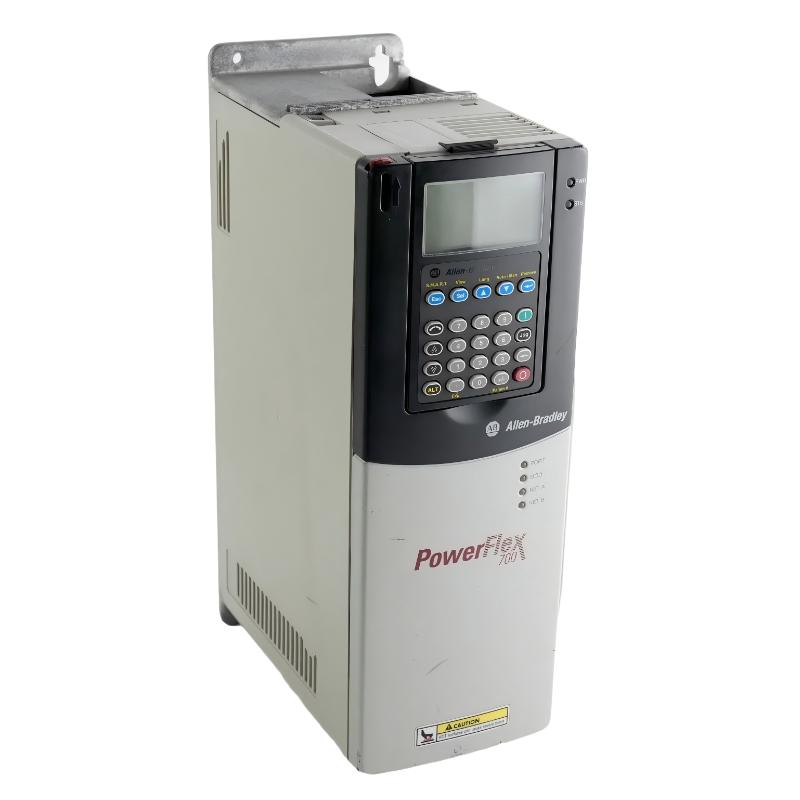
As manufacturing facilities become increasingly automated and interconnected, engineering and maintenance tasks are becoming more demanding. Engineers frequently need to work with variable frequency drives (VFDs), servo systems, programmable logic controllers (PLCs), and other industrial control equipment.
Although these technologies improve production performance, their configuration, commissioning, and troubleshooting often require specialized technical knowledge.
For OEM engineers, unfamiliarity with particular automation products can make programming and commissioning time-consuming. Similarly, maintenance personnel may find it difficult to identify the root causes of equipment faults using alarm codes and basic operating information alone.
These challenges formed the foundation of the 2026 ABB Startup Challenge.
Organized by ABB's Drive Products business, the competition invited Chinese startups to develop AI-powered solutions capable of acting as technical assistants for industrial automation engineers. The proposed solutions were expected to support several important tasks:
Automation Programming: Assisting engineers with PLC programming and automation system configuration.
System Commissioning: Providing technical guidance and helping simplify drive and control system setup.
Fault Diagnosis: Analyzing alarm information, equipment status, and fault symptoms to support troubleshooting.
Equipment Maintenance: Helping maintenance teams access relevant technical knowledge and develop more effective maintenance procedures.
The objective is to reduce the technical barriers associated with industrial automation products, allowing engineers to spend more time improving machine performance and production processes.
Wasome Intelligent Wins the 2026 ABB Startup Challenge China
After the selection process, seven finalist companies presented their AI solutions during the final event in Nanjing from October 27 to 29, 2026.
Beijing Wasome Intelligent Technology Co., Ltd. was selected as the winner for its AI-assisted industrial automation engineering solution.
The winning company will receive a project award of RMB 200,000 and support through SynerLeap, ABB's open innovation platform. More importantly, ABB specialists will work with the startup to jointly develop a solution intended for potential commercial application.
The collaboration is expected to explore how AI can be integrated into engineers' everyday workflows, particularly in automation programming, commissioning, troubleshooting, and equipment maintenance.
ABB also expressed interest in exploring potential cooperation opportunities with the other finalist companies, demonstrating that the competition is not limited to selecting a single winner. It also provides an opportunity to identify innovative technologies and establish connections with emerging industrial technology businesses.
The 2026 competition marks the seventh edition of the ABB Startup Challenge and its first edition held in China.
ABB Promotes Open Innovation and Local Technology Development
The competition reflects ABB's broader open innovation approach, which brings together industrial technology expertise, startups, and customers to address practical engineering challenges.
Through cooperation with local technology companies, ABB aims to accelerate the development of AI applications that respond to the actual needs of industrial users.
According to Wang Yu, Head of ABB Drive Products Business in China, manufacturers are accelerating their digital and intelligent transformation, creating greater demand for efficient and easy-to-use automation engineering solutions.
ABB sees strong innovation potential in China's startup ecosystem and intends to translate AI capabilities into practical tools that can help engineers improve commissioning, diagnostics, and maintenance efficiency.
The initiative also offers opportunities to develop solutions that may eventually be applied beyond the Chinese market, allowing successful innovations to contribute to ABB's wider global customer ecosystem.
SynerLeap plays an important role in this process by connecting startups with ABB experts, industrial partners, and potential customers. Its support can help promising technologies move from early-stage concepts toward practical industrial applications.
From AI Concepts to Industrial Applications
One of the most important aspects of the challenge is its emphasis on real industrial requirements rather than AI technology alone.
An effective AI assistant for industrial automation must understand product specifications, control logic, equipment configurations, operating conditions, and maintenance procedures. It must also be capable of processing technical information from different sources and providing reliable recommendations.
For example, when an industrial drive reports an abnormal operating condition, an AI-assisted engineering tool could help engineers interpret fault information, identify possible causes, and locate relevant troubleshooting procedures.
Similarly, during commissioning, AI could assist with parameter configuration and provide step-by-step technical guidance based on the application requirements.
However, industrial AI solutions must also address important implementation considerations, including technical accuracy, equipment compatibility, data security, and integration with existing control systems. Recommendations involving control parameters or machine operations must be validated by qualified personnel before implementation.
These requirements make cooperation between established automation manufacturers and specialized technology startups particularly valuable. ABB contributes industrial product expertise and application experience, while startups bring new approaches to artificial intelligence and software development.
The joint development initiative with Wasome Intelligent is expected to explore how these capabilities can be combined into a solution suitable for industrial customers.
What the Challenge Means for the Future of Industrial Automation
The 2026 ABB Startup Challenge highlights a wider shift in the industrial automation sector: AI is increasingly being explored as a practical engineering tool rather than simply a technology for data analysis.
For manufacturers and OEMs, AI-assisted engineering could help reduce repetitive technical work, improve access to product knowledge, and support faster fault investigation. For automation equipment suppliers, it creates opportunities to improve technical services and make complex products easier to configure and maintain.
The development of AI-powered tools may also influence how industrial companies manage technical documentation, equipment lifecycle information, and maintenance knowledge.
Nevertheless, successful industrial AI adoption will depend on whether these technologies can deliver consistent, secure, and verifiable results in real production environments.
By working with local startups through the ABB Startup Challenge, ABB is exploring new ways to connect artificial intelligence with established industrial automation technologies.
As the collaboration moves into its development stage, the initiative represents another step toward more accessible, intelligent, and efficient industrial engineering. It also demonstrates the growing role of China's local innovation ecosystem in shaping the next generation of industrial automation solutions.