ABB Introduces New Digital Energy Management Solutions for Industrial Automation and Sustainable Operations Intelligent Power Monitoring, Industrial Digitalization and Energy Automation Technologies Support Sustainable Manufacturing Development
ABB Advances Industrial Automation Through Digital Energy Management Technologies
The global industrial sector is experiencing significant changes as companies focus on improving energy efficiency, reducing operational costs and building more sustainable production systems.
Energy consumption has become a major consideration for manufacturers, processing plants, infrastructure operators and large industrial facilities.
Modern companies are not only looking for reliable automation systems but also intelligent solutions that can monitor, analyze and optimize energy usage.
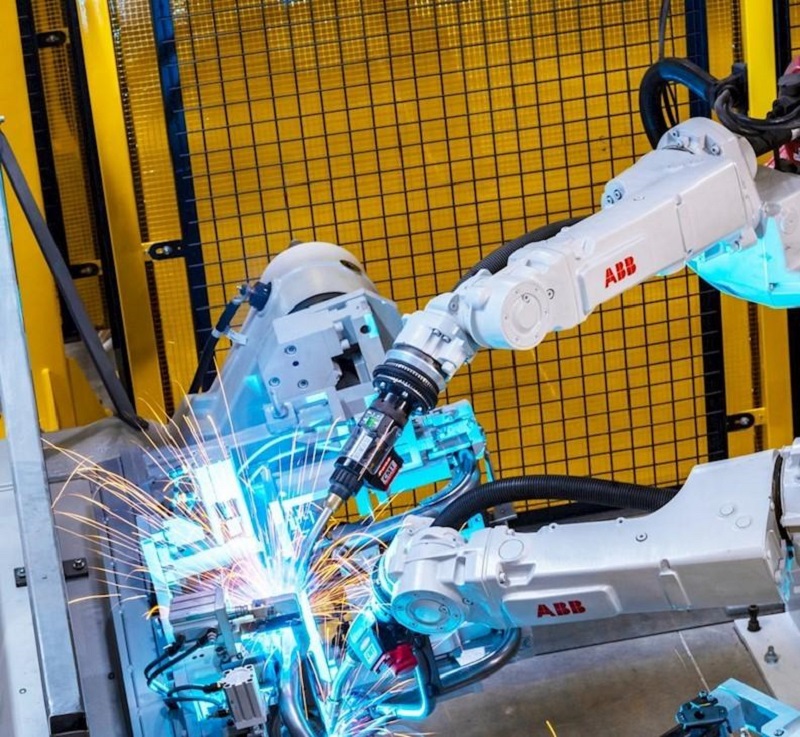
ABB continues expanding its industrial automation ecosystem by combining digital energy management technologies, electrical automation solutions, industrial control systems and data-driven optimization platforms.
The integration of energy management and automation is becoming an important development direction for smart factories.
Modern industrial facilities require technologies capable of:
- Monitoring energy consumption in real time
- Improving equipment efficiency
- Reducing unnecessary energy usage
- Supporting predictive maintenance
- Optimizing industrial operations
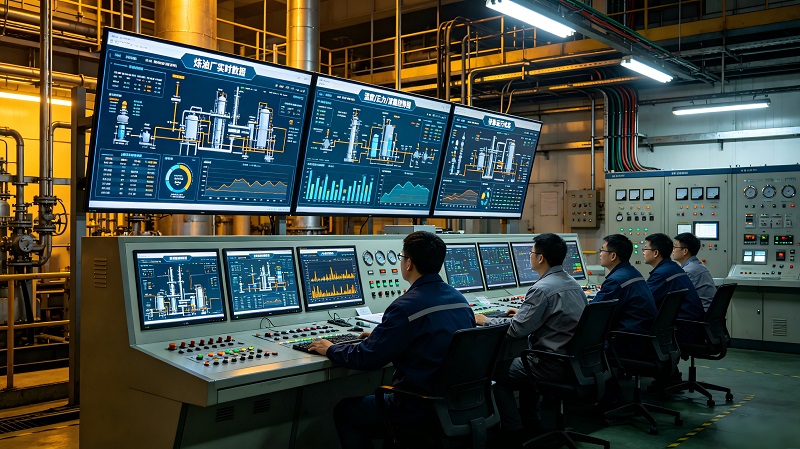
Digital energy management is helping companies transform traditional electrical infrastructure into intelligent and connected industrial systems.
Energy Management Becomes a Key Element of Smart Manufacturing
Energy efficiency is becoming increasingly important in global manufacturing.
Industrial facilities consume large amounts of electricity through:
- Motors
- Production machines
- Heating systems
- Cooling equipment
- Automation infrastructure
Without accurate monitoring, companies may struggle to identify inefficient processes.
Intelligent energy management systems provide detailed information about:
- Electricity consumption
- Equipment performance
- Power quality
- Operational trends
This information allows engineers to make better decisions and improve energy utilization.
Smart energy management is becoming an essential part of modern industrial automation strategies.
Industrial Automation and Energy Systems Become More Integrated
Traditional automation systems mainly focused on production control.
However, modern factories require closer integration between automation and electrical management.
Integrated systems connect:
- PLC controllers
- Industrial drives
- Power monitoring devices
- Sensors
- Digital platforms
This integration provides a complete view of both production operations and energy performance.
Benefits include:
- Improved operational visibility
- Faster problem identification
- Better resource management
- Reduced energy waste
The combination of automation and energy intelligence creates more efficient industrial environments.
Intelligent Power Monitoring Improves Industrial Performance
Reliable electrical information is critical for industrial operations.
Power monitoring technologies help companies analyze:
- Energy consumption patterns
- Equipment operating conditions
- Electrical system performance
- Potential efficiency improvements
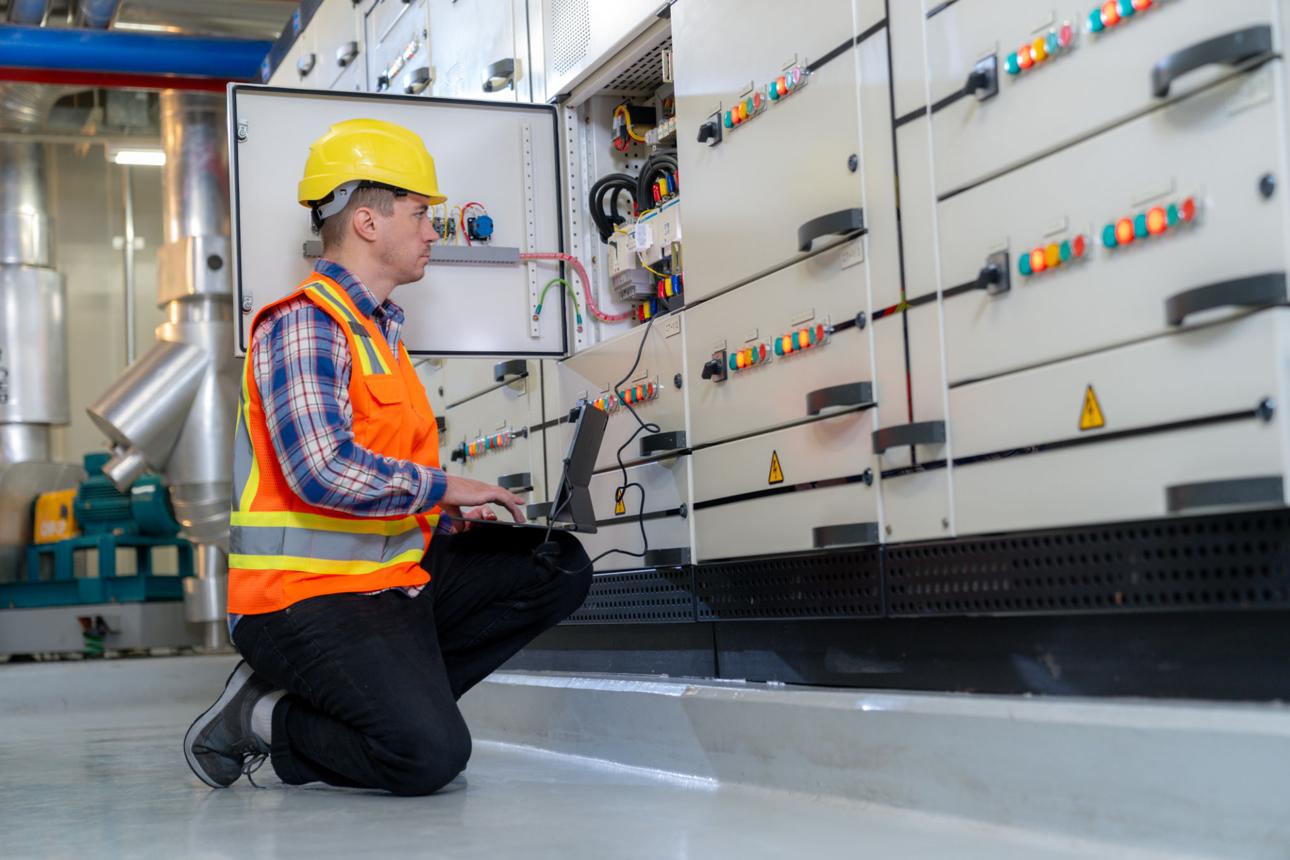
Real-time monitoring allows maintenance teams to identify abnormal conditions quickly.
Applications include:
- Manufacturing plants
- Data centers
- Infrastructure facilities
- Process industries
Intelligent power monitoring improves system reliability while supporting energy optimization goals.
Digital Platforms Support Industrial Energy Analytics
Industrial digitalization is changing how companies manage energy resources.
Modern energy platforms collect information from:
- Electrical equipment
- Automation systems
- Industrial sensors
- Production machines
Advanced analytics help companies understand:
- Where energy is consumed
- Which equipment uses excessive power
- How production affects energy demand
Energy analytics support:
- Better planning
- Improved efficiency
- Reduced operating costs
- Sustainable production strategies
Data-driven energy management is becoming a major component of Industry 4.0.
Variable Speed Drives Improve Energy Efficiency
Motor systems represent a significant portion of industrial electricity consumption.
Variable speed drive technologies help optimize motor operation by adjusting speed according to actual process requirements.
Applications include:
- Pumps
- Fans
- Compressors
- Conveyors
- Manufacturing equipment
Benefits include:
- Lower energy consumption
- Improved process control
- Reduced mechanical stress
- Longer equipment lifespan
When integrated with automation systems, variable speed drives provide intelligent control of industrial machinery.
Predictive Maintenance Enhances Electrical System Reliability
Industrial companies are increasingly adopting predictive maintenance strategies.
Digital monitoring systems analyze equipment conditions to identify potential failures before they occur.
Monitoring information includes:
- Temperature
- Electrical performance
- Operating cycles
- Load conditions
Predictive maintenance helps organizations:
- Reduce unexpected downtime
- Improve maintenance scheduling
- Extend equipment service life
- Increase production reliability
The combination of automation data and energy monitoring creates more advanced maintenance strategies.
Industrial IoT Enables Connected Energy Management
Industrial Internet of Things technology plays an important role in modern energy management.
IIoT connects:
- Electrical equipment
- Sensors
- Controllers
- Automation systems
- Cloud and edge platforms
Connected energy systems provide:
- Real-time monitoring
- Remote access
- Data analysis
- Automated optimization
Industrial IoT allows companies to manage energy resources more effectively.
Sustainable Manufacturing Drives Automation Innovation
Sustainability has become a major focus across global industries.
Manufacturers are looking for technologies that help reduce environmental impact while maintaining productivity.
Automation solutions support sustainability through:
- Energy optimization
- Reduced production waste
- Efficient equipment operation
- Better resource management
Sustainable automation is becoming an important competitive advantage for industrial companies.
Industrial Cybersecurity Protects Connected Energy Systems
As energy management systems become more connected, cybersecurity becomes increasingly important.
Modern industrial environments must protect:
- Power monitoring systems
- Automation networks
- Industrial data
- Remote access systems
Security strategies include:
- Network protection
- Access management
- Secure communication
- System monitoring
Future industrial energy systems must combine intelligence with strong cybersecurity protection.
Growing Demand for Industrial Automation Components
The development of intelligent energy management creates increasing demand for automation products.
Industrial companies require:
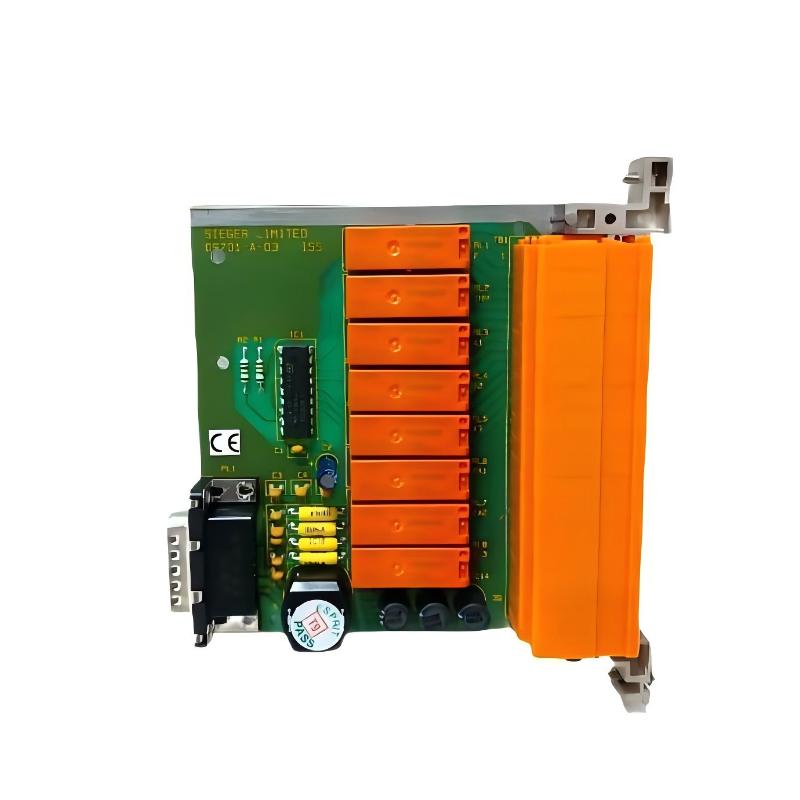
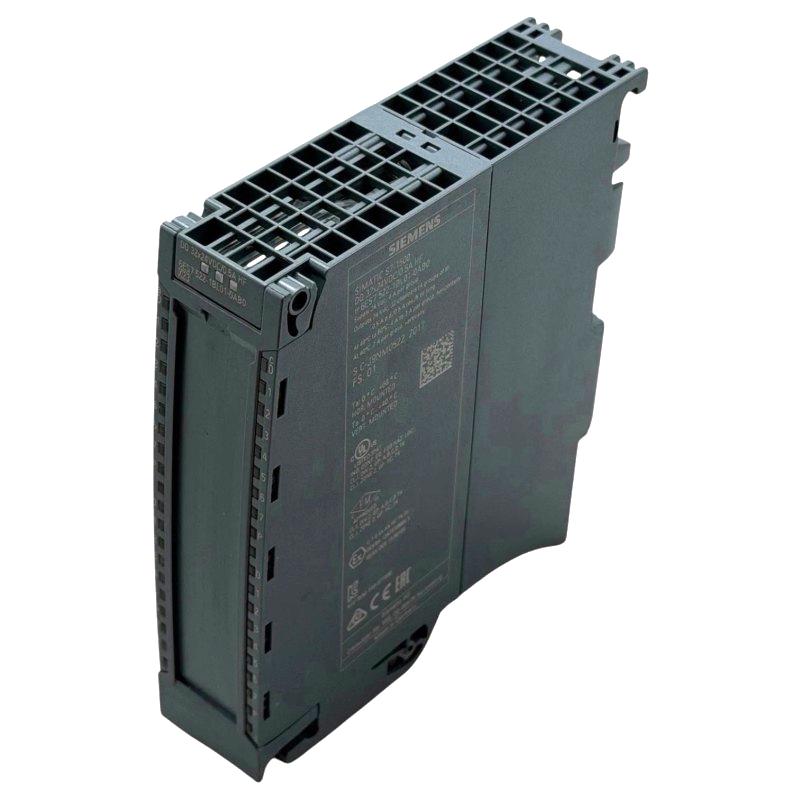
- PLC modules
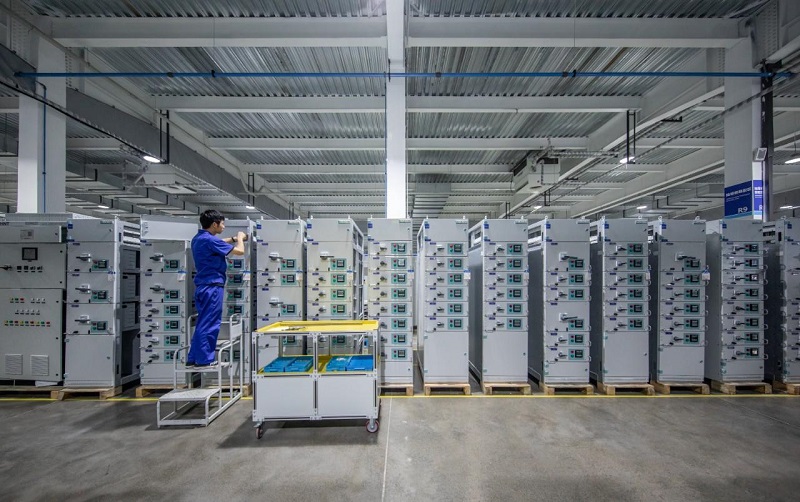
- Power monitoring devices
- Industrial communication modules
- Variable speed drives
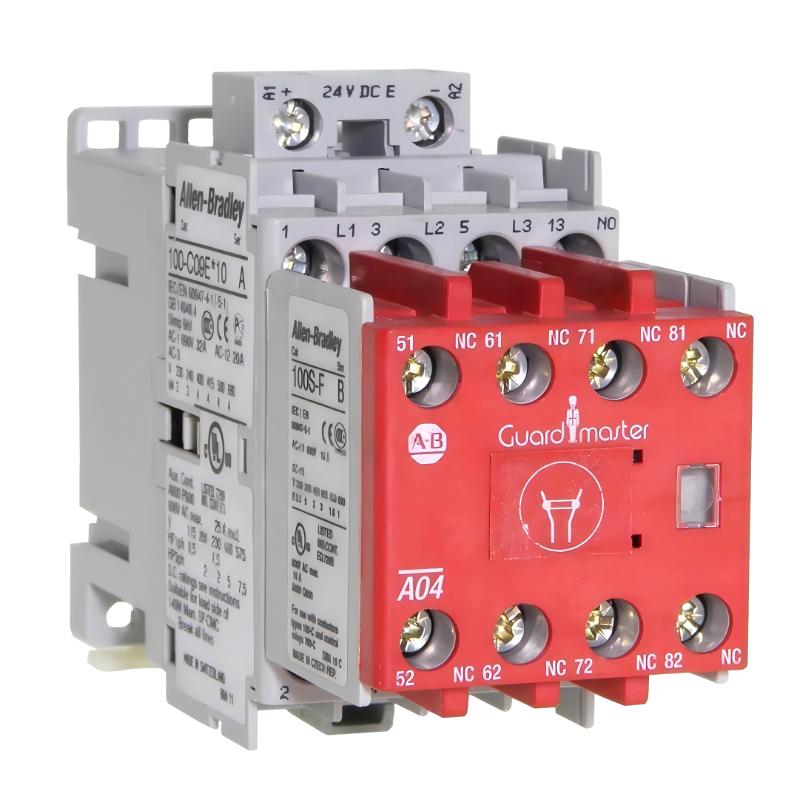
- Control systems
- Remote I/O equipment
- HMI solutions
Many companies are upgrading existing infrastructure through modernization projects.
This creates long-term opportunities for automation suppliers and industrial equipment distributors.
Future Trends of Digital Energy Automation
The future of industrial energy management will focus on intelligence, connectivity and sustainability.
Major trends include:
AI-Based Energy Optimization
Artificial intelligence will improve energy decisions.
Edge Energy Management
Local data processing will become more common.
Smart Electrical Infrastructure
Power systems will become more connected.
Autonomous Energy Control
Systems will automatically optimize consumption.
Sustainable Industrial Operations
Automation will support global energy goals.