Schneider Electric Strengthens Industrial Control Solutions with Next-Generation PLC, HMI and Edge Automation Technologies Advanced PLC Platforms, Industrial HMI Systems and Edge Computing Solutions Accelerate Smart Factory Transformation
Schneider Electric Advances Industrial Automation Through Intelligent Control Technologies
The global industrial automation market continues evolving as manufacturers increasingly adopt intelligent control systems, connected devices and advanced digital technologies.
Industrial companies are facing new challenges including:
- Increasing production complexity
- Higher efficiency requirements
- Growing demand for flexible manufacturing
- Need for real-time operational information
- Pressure to reduce energy consumption
To address these challenges, manufacturers are upgrading traditional automation architectures with advanced PLC systems, intelligent HMI solutions and industrial edge technologies.
Schneider Electric continues developing industrial control solutions that combine programmable logic controllers, human-machine interfaces, industrial communication technologies and edge computing platforms.
Modern automation systems are no longer limited to controlling machines.
They are becoming intelligent platforms capable of:
- Collecting production data
- Monitoring equipment performance
- Supporting remote diagnostics
- Improving operational decisions
- Optimizing manufacturing processes
The combination of control technology and digital intelligence is becoming a major foundation for Industry 4.0 development.
PLC Systems Remain the Core of Industrial Control Architecture
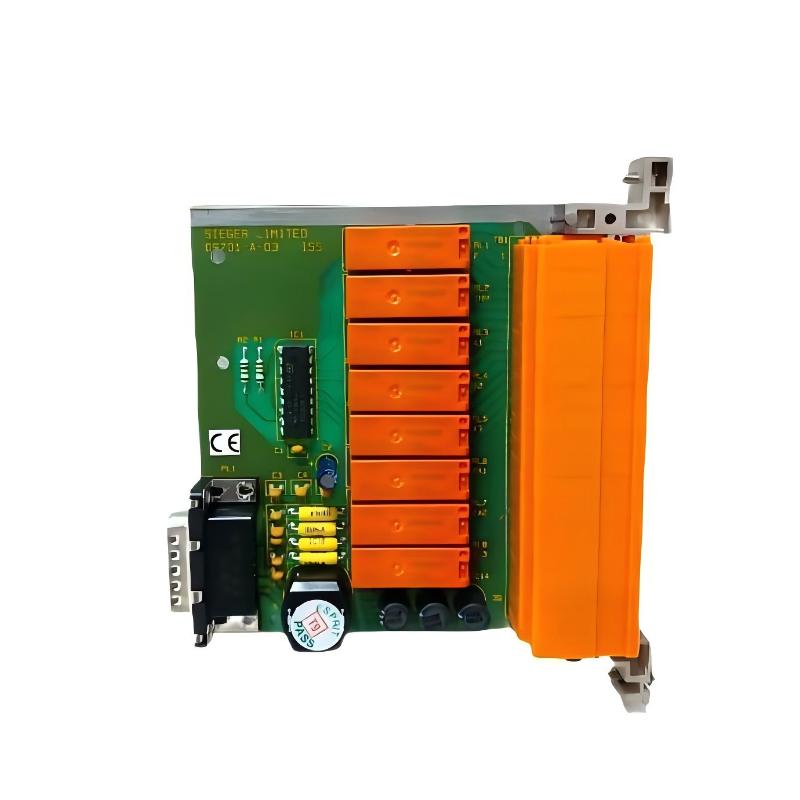
Programmable Logic Controllers continue to play a critical role in industrial automation.
PLC systems manage and coordinate industrial operations including:
- Machine sequences
- Motor control
- Sensor monitoring
- Safety functions
- Communication between devices
Modern PLC platforms provide:
- Faster processing capability
- Flexible programming options
- Advanced networking functions
- Remote maintenance support
- Integration with industrial software
Manufacturers rely on PLC technology because of its stability, reliability and flexibility.
As factories become more intelligent, PLC systems are evolving from simple controllers into connected automation platforms.
Next-Generation PLC Technologies Support Smart Manufacturing
The development of smart factories requires more advanced control capabilities.
Modern PLC systems support:
- Real-time data processing
- Industrial Ethernet communication
- Cloud connectivity
- Edge applications
- Advanced diagnostics
These functions allow manufacturers to improve:
- Production visibility
- Equipment monitoring
- Process optimization
- Maintenance efficiency
By combining PLC control with digital technologies, companies can create more flexible and intelligent production environments.
HMI Systems Improve Human-Machine Interaction
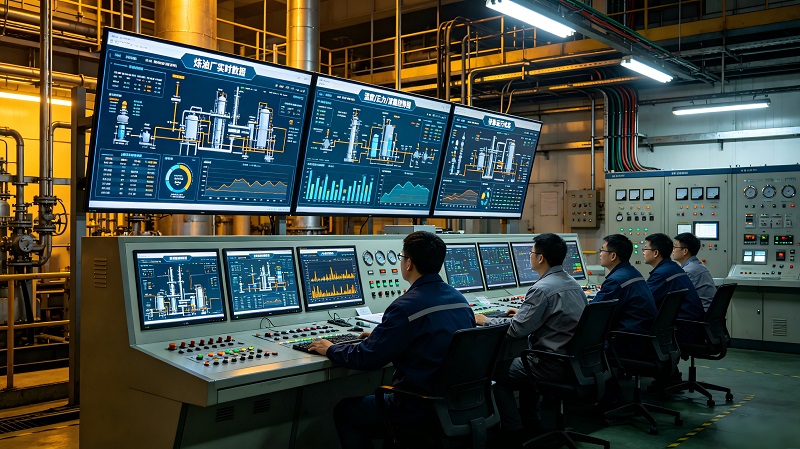
Human-machine interface technology is an essential part of industrial automation.
HMI systems provide operators with direct interaction with machines and production processes.
Modern industrial HMI applications include:
- Equipment monitoring
- Alarm management
- Production visualization
- Parameter adjustment
- Data display
Advanced HMI systems improve operational efficiency by providing clear and intuitive information.
Operators can quickly identify problems and adjust production conditions.
The development of touchscreen interfaces and digital visualization technologies is improving the overall factory experience.
Industrial Edge Computing Improves Automation Data Processing
Industrial edge computing is becoming an important technology for modern automation systems.
Traditional automation architectures often transfer large amounts of data to centralized systems.
However, many industrial applications require faster responses.
Edge computing processes information closer to machines and production equipment.
Advantages include:
- Faster response time
- Reduced network load
- Improved data security
- Real-time decision-making
Industrial edge technologies support applications such as:
- Equipment monitoring
- Predictive maintenance
- Production analysis
- Machine optimization
Industrial IoT Creates Connected Manufacturing Environments
Industrial Internet of Things technology is transforming traditional factories.
IIoT connects:
- PLC controllers
- Sensors
- Machines
- HMIs
- Industrial computers
- Digital platforms
Connected systems allow companies to collect valuable operational information.
Manufacturers can analyze:
- Machine performance
- Production efficiency
- Energy consumption
- Equipment conditions
IIoT provides the foundation for intelligent and connected factories.
Motion Control Improves Machine Performance
Modern manufacturing requires highly accurate movement control.
Motion control technologies support:
- Servo systems
- Robotics applications
- Packaging machinery
- Precision assembly
- Automated production lines
Advanced motion control provides:
- Higher accuracy
- Faster machine cycles
- Better synchronization
- Improved product quality
When combined with PLC systems, motion technologies create efficient and reliable automation solutions.
Predictive Maintenance Reduces Industrial Downtime
Equipment failures can significantly affect manufacturing productivity.
Predictive maintenance technologies help companies identify problems before failures occur.
Automation systems collect data from:
- Sensors
- Drives
- Motors
- Controllers
- Production equipment
Analysis of this information helps maintenance teams understand equipment conditions.
Benefits include:
- Reduced unexpected downtime
- Better maintenance planning
- Lower repair costs
- Improved equipment lifespan
Predictive maintenance is becoming a standard practice in advanced manufacturing.
Industrial Cybersecurity Protects Modern Automation Systems
As industrial systems become more connected, cybersecurity requirements continue increasing.
Modern automation environments must protect:
- PLC networks
- Industrial communication systems
- Production data
- Remote access connections
Security strategies include:
- Network protection
- User authentication
- Secure communication
- Continuous monitoring
Industrial cybersecurity has become a key consideration when designing smart factory systems.
Energy Efficiency Supports Sustainable Industrial Operations
Manufacturers are increasingly focusing on reducing energy consumption.
Automation technologies help improve energy efficiency through:
- Intelligent machine control
- Energy monitoring
- Process optimization
- Automated operation management
Energy-efficient automation helps companies reduce operating costs while supporting sustainability goals.
Smart control systems allow factories to better understand and manage energy usage.
Industrial Automation Market Continues Expanding
The growth of digital manufacturing is increasing demand for automation equipment.
Industrial users require:
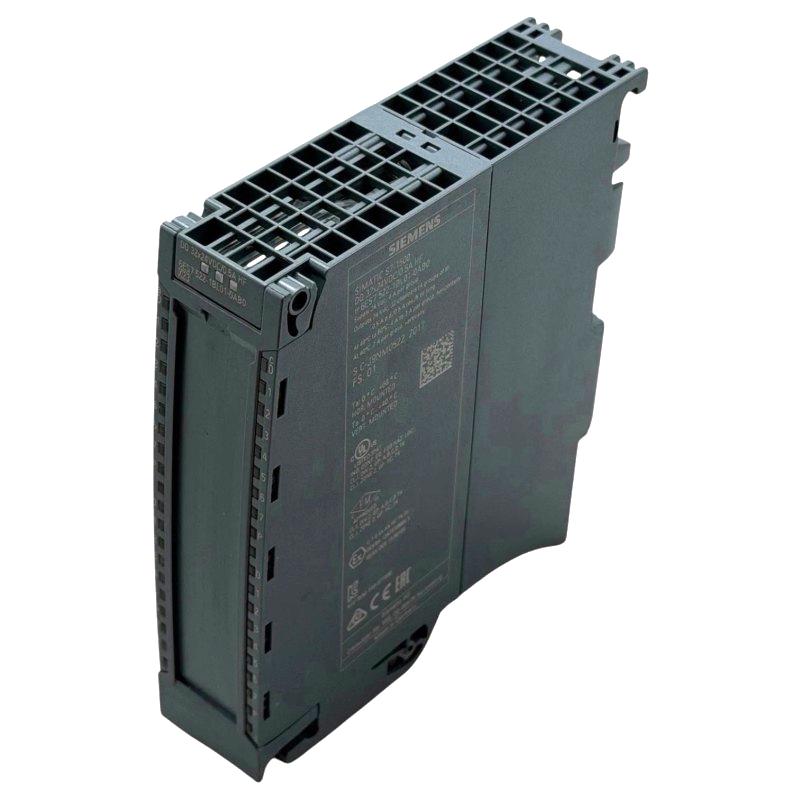
- PLC modules
- HMI panels
- Industrial edge controllers
- Communication modules
- Remote I/O systems
- Industrial computers
- Control components
Many companies upgrade existing systems gradually instead of replacing entire factories.
This creates continuous opportunities for automation suppliers, system integrators and industrial equipment distributors.
Future Trends of Industrial Control Technology
The future of industrial automation will focus on intelligence, connectivity and flexibility.
Major trends include:
AI-Enhanced Automation
Artificial intelligence will improve industrial decision-making.
Edge-Based Control Systems
More processing will move closer to production equipment.
Integrated Digital Platforms
Automation and enterprise systems will become more connected.
Autonomous Manufacturing
Factories will become more self-adjusting.
Advanced Cybersecurity
Protection will become a core requirement.