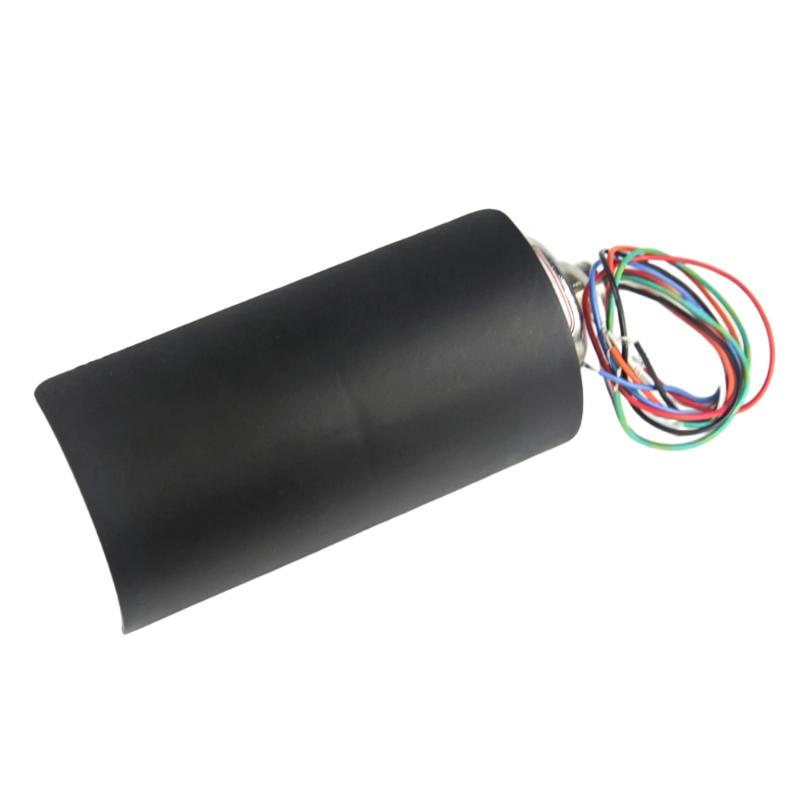
Introduction
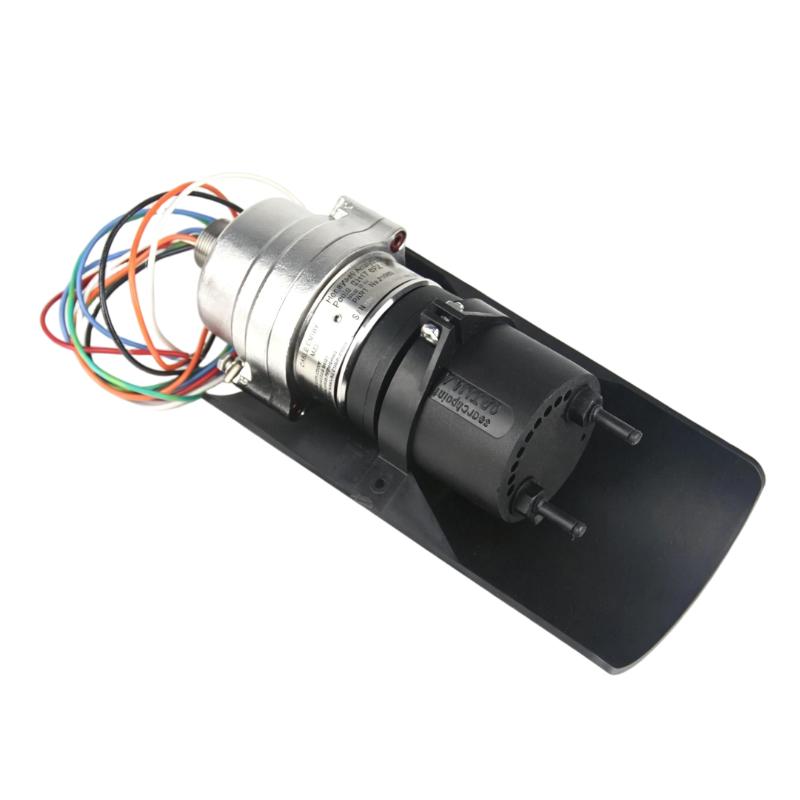
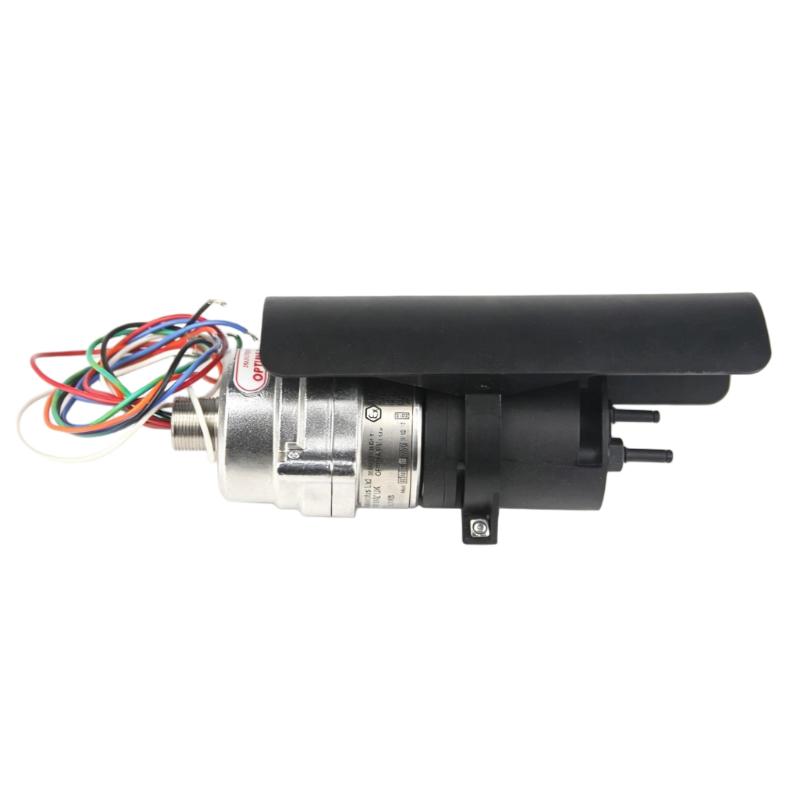
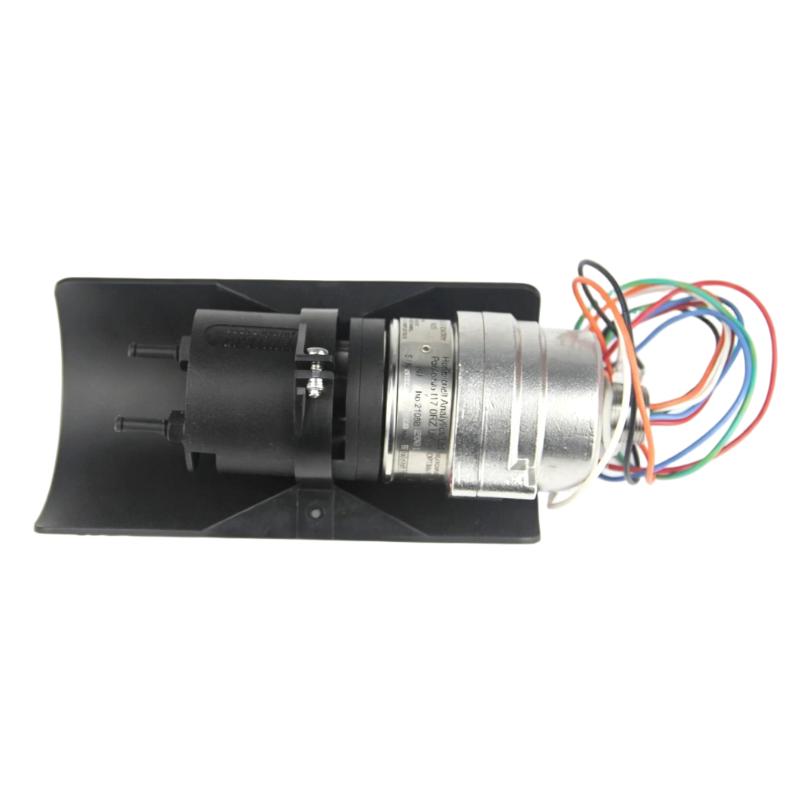
The Honeywell 2108N4000H Infrared Gas Detector is a fixed gas-monitoring instrument intended for industrial environments where continuous detection of hazardous gas conditions is required. It is designed to operate as part of a broader gas detection strategy rather than as an isolated safety device.
Industrial facilities can contain numerous potential gas-release sources, including process piping, valves, compressors, pumps, storage vessels, and transfer equipment. A strategically positioned fixed detector provides continuous surveillance of selected areas and can supply alarm information to the associated gas detection system.
The detector's infrared sensing principle relies on the interaction between infrared radiation and the target gas. Because the measurement is optical, installation conditions around the detector can have a direct effect on measurement quality. Optical contamination, condensation, dust, and unsuitable environmental conditions should therefore be considered during maintenance.
Detector location is equally important. Gas movement is influenced by ventilation, airflow, temperature, density, and physical obstacles. A technically sound installation should place the detector where the target gas is most likely to reach it following a credible release scenario.
For maintenance teams, replacing the 2108N4000H requires verification of both the field device and its system integration. Before installation, technicians should confirm the model, gas configuration, wiring, mounting arrangement, and receiving-system interface.
Once installed, the detector should be functionally tested. Confirming the detector status, signal path, alarm response, and required gas-response behavior helps ensure that the replacement is fully integrated into the site's gas detection strategy.
Technical Specifications
| Parameter | Specification |
|---|---|
| Brand | Honeywell |
| Model | 2108N4000H |
| Product Type | Infrared Gas Detector |
| Detection Technology | Infrared |
| Application | Fixed Industrial Gas Detection |
| Primary Function | Continuous Gas Monitoring |
| Installation Type | Fixed-Point Installation |
| Typical Environment | Process Plants and Industrial Facilities |
| System Role | Gas Detection and Alarm Monitoring |
| Dimensions | 380 × 85 × 250 mm |
| Weight | 1.60 kg (3.53 lb) |
The Honeywell 2108N4000H measures 380 × 85 × 250 mm and weighs 1.60 kg (3.53 lb).
The detector should be installed where adequate access is available for inspection, cleaning, testing, and maintenance. Its final location should be selected according to the target gas characteristics and the facility's engineered detection strategy.
Recommended Related Models
| Model | Product Type | Typical Application |
|---|---|---|
| Honeywell Searchpoint Optima Plus | Infrared Gas Detector | Fixed combustible gas monitoring |
| Honeywell Searchline Excel | Open-Path Gas Detector | Area gas detection |
| Honeywell Sensepoint XCD | Fixed Gas Detector | Industrial process monitoring |
| Honeywell Sensepoint Plus | Point Gas Detector | Fixed gas detection |
| Honeywell Touchpoint Plus | Gas Detection Controller | Centralized gas monitoring |
These related Honeywell products address different requirements within industrial gas detection systems. The appropriate device depends on target gas, detection method, environmental conditions, hazardous-area requirements, and required system integration.
Popular Related Models
| Model | Product Type | Typical Use |
|---|---|---|
| Honeywell Searchpoint Optima Plus | Infrared Gas Detector | Fixed industrial gas monitoring |
| Honeywell Searchline Excel | Open-Path Gas Detector | Long-distance gas detection |
| Honeywell Sensepoint XCD | Fixed Gas Detector | Process-area monitoring |
| Honeywell Sensepoint Plus | Point Gas Detector | Industrial gas detection |
| Honeywell Touchpoint Plus | Gas Detection Controller | Gas alarm and monitoring systems |
For replacement applications, the complete 2108N4000H model designation should be checked against the existing installation before procurement or commissioning. Target gas, detector configuration, electrical interface, installation environment, alarm requirements, and receiving-system compatibility should all be confirmed to maintain reliable gas detection performance.